Ankle Tattoo Ideas 2026: 80+ Delicate Designs for Inner and Outer Ankle
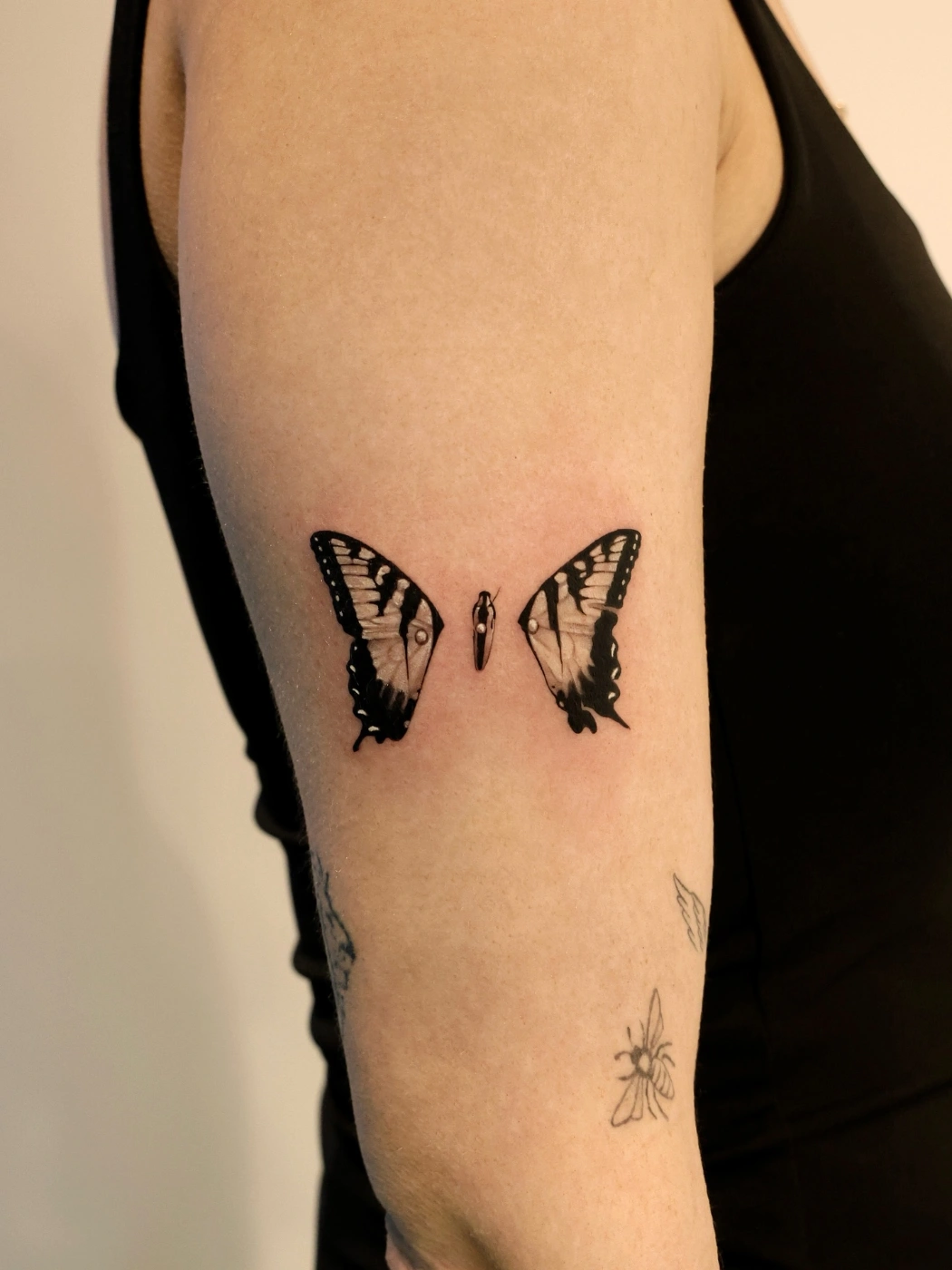
The ankle is one of the most enduringly popular tattoo placements in Australia, and for good reason. It sits at a point that is easily shown off in warm weather and just as easily covered by a sock or trouser leg when the occasion calls for discretion. The natural architecture of the ankle, with its pronounced bone protrusion, the contoured sweep of the Achilles tendon and the narrowing approach to the foot, creates interesting compositional opportunities that artists have explored with increasing sophistication in recent years.
In 2026, ankle tattoos are trending toward greater detail and intentional placement. The era of the nondescript Celtic band or generic vine encircling the ankle without much thought has given way to genuinely considered designs that work with the ankle's specific contours rather than simply decorating them. Fine-line botanical work, delicate geometric structures and single-needle minimalism are leading the category, but bolder illustrative pieces placed on the outer ankle bone area have grown strongly as well.
This guide covers every major placement zone around the ankle, the design styles best suited to each, sizing considerations, the honest reality of ankle pain and healing, what to wear to your session, long-term care in an area that experiences constant movement and friction, and answers to the questions clients most commonly ask about ankle tattoos.

Key Takeaways
- Inner ankle is the most popular placement for delicate, personal designs; outer ankle suits slightly bolder pieces that read from a distance
- Pain: Ankle tattoos consistently rate 5 to 7 out of 10 due to bone proximity and thin skin over the joint
- Healing: Complicated by constant foot movement, friction from footwear, and the ankle's position at the lowest point of the body where blood pools
- Trending styles: Fine-line and single-needle work dominate at this placement in 2026
- Minimum size: Pieces smaller than 3cm in any dimension tend to blur over time; aim for at least 4 to 5cm for longevity
- Timing: Plan the appointment for open-toe or sandal weather to minimise sock friction during healing
- Sun protection is particularly important for ankle tattoos because the lower leg receives heavy incidental UV in Australian summers
Ankle Placement Zones: A Detailed Guide
The ankle is not a single surface. It is a complex three-dimensional structure with several distinct zones, each offering different canvas qualities, pain profiles and design opportunities. Understanding these zones is the foundation of a well-considered ankle tattoo brief.
The inner ankle, the medial side, is the soft area behind and below the inner ankle bone. This is the most requested placement for delicate, personal designs: small florals, celestial motifs, minimal text, tiny creatures and fine-line botanical work. The skin here is relatively thin and the surface is fairly flat, which makes it good for detailed work but means it also experiences more stretch and movement than the outer ankle.
The outer ankle, over and around the lateral malleolus (the protruding bone on the outside of the ankle), offers a slightly more prominent canvas. Designs here are naturally elevated and face outward when standing, which makes them more visible to observers. The bone protrusion itself is often incorporated into the design, with some artists deliberately centring a focal element over it to use the natural raised surface as a kind of sculptural feature.
The Achilles area, running up the back of the ankle from the heel bone toward the lower calf, has become increasingly popular for vertically oriented designs. A single botanical stem, a line of text, a spine of geometric nodes or a vine ascending toward the calf all work well in this orientation. This is a high-movement zone because the Achilles tendon flexes with every step, which has implications for healing but does not prevent excellent long-term results once healed.
Wrap-around designs cross multiple zones, typically following the contour from inner ankle, under the bone and around the Achilles, sometimes continuing up toward the lower leg. These designs require more planning than single-zone placements because the artist must account for how the design reads from multiple angles simultaneously.
| Zone | Best Design Types | Pain Level | Healing Complexity | Longevity |
|---|---|---|---|---|
| Inner ankle (behind bone) | Fine-line florals, minimal text, small symbols, celestial | 5 to 6/10 | Moderate (movement, boot friction) | Good with care |
| Outer ankle (over bone) | Slightly bolder pieces, animals, geometric, illustrative | 6 to 7/10 | Moderate (bone proximity, friction) | Good |
| Achilles area | Vertical designs, stems, text, spine motifs | 6 to 7/10 | Higher (constant flexion) | Good once healed |
| Lower calf transition | Upward-extending designs, botanical tendrils | 4 to 5/10 | Low to moderate | Very good |
| Wrap-around | Vines, bands, continuous motifs | 5 to 7/10 | Higher (multiple zones to heal) | Good |
| Top of foot transition | Extending designs, tendrils, small filler | 7 to 9/10 | Very high (constant movement) | Requires touch-ups |
Top Design Styles for Ankle Tattoos in 2026
Ankle tattoos benefit from styles that work well at small to medium scale and that retain legibility when viewed from a distance of one to two metres. Very fine linework can look exceptional when fresh but may fade or blur more quickly in high-movement placements. Conversely, extremely bold designs can feel visually heavy on the relatively small canvas of the ankle. The sweet spot is work that balances detail with confidence in its main shapes.
Fine-Line and Single-Needle Botanical Work
Fine-line botanical tattoos have dominated ankle placement requests for the past several years and show no signs of slowing in 2026. At the ankle, botanical work typically features individual flowers rendered in delicate linework, small sprigs of herbs or native Australian plants, trailing vines that follow the ankle contour, or botanical illustrations drawn from scientific reference.
The appeal is partly the visual delicacy of the work, which photographs well and has a gentle, organic quality, but also the personal resonance that specific plants carry for their owners. A wattle sprig might evoke an Australian childhood; a particular flower might have been present at a significant life event. The fine-line style gives this symbolism a quiet, considered presentation rather than a bold declaration.
Ankle botanical work lives and dies by scale. Clients often come in wanting something the size of a 50-cent coin, but a flower that small will lose its petals within a few years. Artists usually talk clients up to at least 5 to 6 centimetres, and the work holds much better.
Key species that work particularly well at ankle scale include: banksia (complex texture translates beautifully in fine-line), waratah (strong silhouette), native grass tussocks, eucalyptus leaf sprays, daisy-like species with clear petal differentiation and flowering herbs like lavender or rosemary whose natural verticality suits the zone.
Celestial and Astronomical Motifs
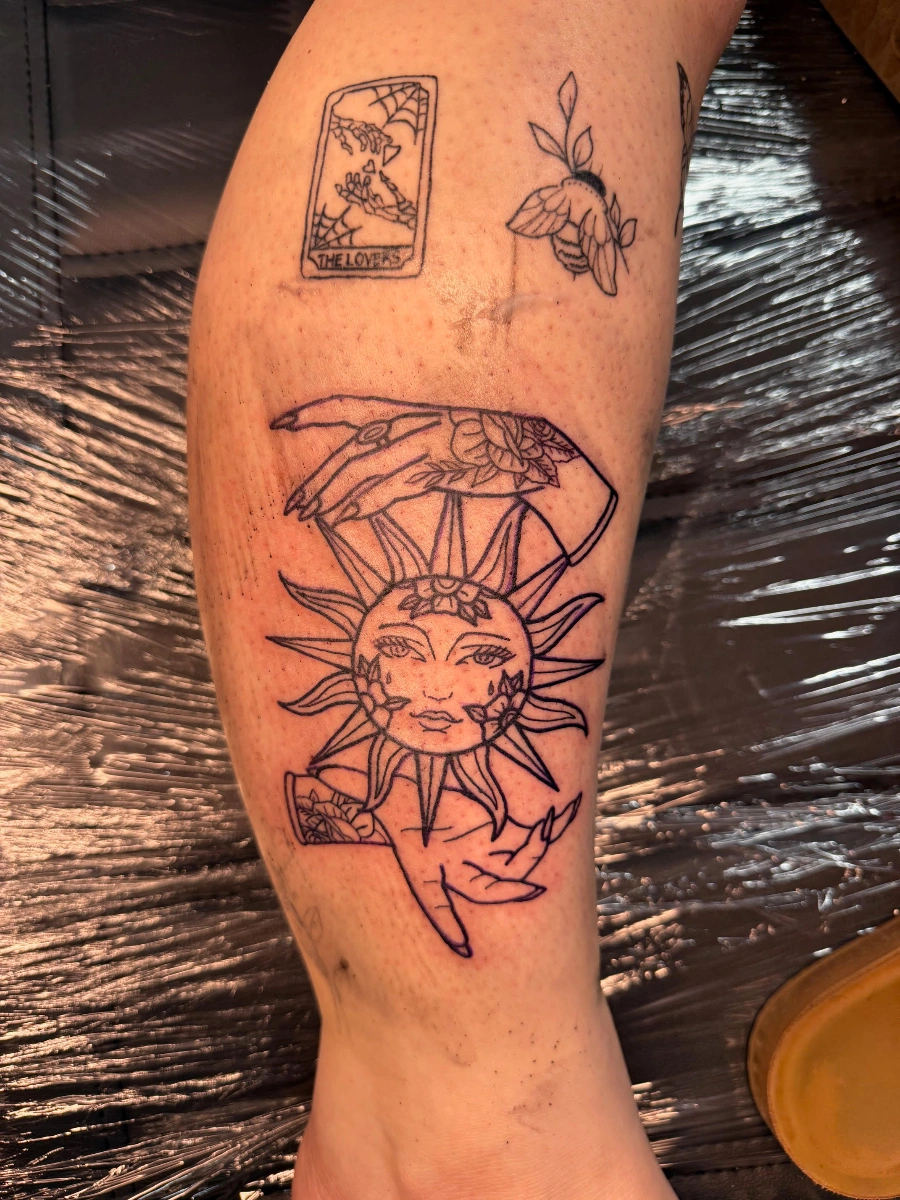
Moons, stars, constellations, suns and planetary forms have always been popular tattoo subjects, but at the ankle they have found a particularly natural home in 2026. A crescent moon placed behind the inner ankle bone, a constellation mapped across the outer ankle, or a small sun design on the Achilles all carry strong visual impact despite their small scale.
The enduring appeal of celestial motifs is their combination of clear, recognisable iconography with open personal interpretation. The same crescent moon can represent femininity, transition, a connection to astrology, a tribute to a night-time birth or simply an aesthetic preference. This ambiguity makes celestial ankle tattoos broadly accessible without being meaningless.
In 2026, the trend within celestial ankle work is toward more technically complex execution: detailed moon surface texture, accurate star map cartography for constellation pieces and fine dotwork shading that gives flat shapes dimensional depth. Simple clip-art style celestial motifs have been superseded by more crafted interpretations.
Geometric and Ornamental Designs
Geometric ankle tattoos range from simple single-line shapes to elaborate mandalas and ornamental patterns drawn from Moroccan, Indian and Art Nouveau decorative traditions. The ankle's circular cross-section makes it a natural fit for radially symmetric designs that wrap around the joint, with the mandala format particularly popular for central placements over the outer ankle bone.
Ornamental styles, which use decorative flourishes, symmetrical borders and jewellery-like linework patterns, have grown significantly in popularity at the ankle. These designs draw on henna and mehendi traditions while being executed permanently in ink, creating an effect that looks simultaneously ancient and contemporary.
Geometric wrap-around designs need to be planned on the three-dimensional ankle rather than drawn flat and transferred. An experienced artist will draw directly on the leg with a marker first so the client can see exactly how the symmetry resolves before any needle touches skin.
Script and Text Tattoos
Single words, short phrases, names, coordinates and meaningful numbers are frequently requested at the ankle placement. Text works best here in a single horizontal or vertical orientation rather than following the curve of the ankle, which can distort letterforms. The inner ankle behind the bone is the most common text placement; the Achilles is used for vertically oriented words or phrases.
Font selection is critical at the ankle. Script and cursive fonts require confident, clean execution by the artist; poorly executed script tattoos on the ankle are one of the most common subjects for laser removal consultations. Thin, intricate scripts tend to blur over time; bolder, cleaner letterforms hold better. Always request to see the artist's healed text work before committing to script at this placement.
Small Illustrative Animals and Insects
Snakes, lizards, butterflies, bees, moths and small birds placed on the ankle are having a strong moment in 2026. These pieces typically occupy the outer ankle or the Achilles and work best when the artist has strong illustrative skills for rendering natural history subjects with accuracy and life. The movement implied by these subjects, a butterfly in mid-flight, a snake mid-coil, works well on a placement that is in constant motion when the wearer walks.
Sizing Guide: How Big Should an Ankle Tattoo Be?
One of the most common conversations between clients and artists at the ankle consultation is about sizing. Clients frequently request pieces smaller than what the artist recommends for longevity, and it is worth understanding the reasoning behind those recommendations.
The ankle experiences a combination of factors that accelerate the degradation of very small, very fine-line tattoos: constant movement, friction from footwear, sun exposure and the tendency of fine lines to blur slightly as skin cells turn over over the years. A piece that looks pristine at 2cm when freshly healed may become an unreadable smudge at 8 to 10 years. Sizing up slightly sacrifices none of the aesthetic delicacy that makes ankle tattoos appealing while significantly improving the 10-year outlook.
| Design Type | Minimum Recommended Size | Ideal Size Range | Maximum Practical Size |
|---|---|---|---|
| Single small flower | 4 cm height | 4 to 7 cm | 8 to 10 cm |
| Botanical sprig (multiple stems) | 5 cm height | 5 to 10 cm | 12 to 15 cm |
| Celestial motif (moon or star) | 3 cm at widest | 3 to 6 cm | 7 to 9 cm |
| Text (single word) | 1.5 cm letter height | 2 to 3 cm height | 4 cm height |
| Geometric mandala | 5 cm diameter | 5 to 9 cm | 10 to 12 cm |
| Wrap-around design | Circumference of ankle | Full circumference | Full lower leg band |
| Small animal or insect | 4 cm at widest | 4 to 8 cm | 10 cm |
If size is a genuine concern because you want the piece to be truly discreet, have a candid conversation with your artist about which elements are essential to the design and which could be simplified or removed to create a smaller but still legible composition. A skilled artist can often distil a complex reference into a tight, clear design that holds its integrity at smaller scale.
Pain and Healing: What to Expect at the Ankle
The ankle is a moderately to significantly painful tattoo placement. Most clients rate it between 5 and 7 out of 10 during the tattooing itself. The outer ankle bone area tends to read higher (6 to 7) because the tattooing vibrates directly against bone with minimal soft tissue buffering. The inner ankle is usually slightly less intense. The Achilles tendon area is uncomfortable in a different way, producing a sensation described by many clients as a deep, buzzing vibration rather than sharp pain.
Healing at the ankle is where many clients encounter unexpected challenges. The ankle is at the lowest point of the body, which means blood pools there, and the natural swelling that accompanies fresh tattoos is more pronounced here than at most other placements. Plan to elevate your foot when resting for the first two to three days after your session. This reduces swelling and speeds the initial healing phase considerably.
| Healing Stage | Timeline | What Happens | Care Action |
|---|---|---|---|
| Initial weeping | Days 1 to 3 | Plasma and excess ink release; some swelling likely | Keep clean, elevate foot, loose clothing over area |
| Surface drying | Days 3 to 6 | Surface begins to dry; may feel tight | Light unscented moisturiser twice daily |
| Peeling phase | Days 5 to 12 | Outer skin peels; tattoo may look faded temporarily | Never pick; keep moist; avoid socks where possible |
| Surface healed | Weeks 2 to 3 | Peeling complete; tattoo looks healed on surface | Continue moisturising; resume normal footwear carefully |
| Deep skin healing | Weeks 4 to 12 | Deeper skin layers continue settling; final colour visible | Sun protection; avoid prolonged water immersion |
The primary healing complication at the ankle is footwear friction. Even a loose sock rubbing against a peeling ankle tattoo can disrupt the healing surface, remove ink along with peeling skin cells and introduce bacteria that cause infection. The single most useful advice for ankle tattoo healing is to time your appointment so that you can wear open sandals or go barefoot (indoors) for at least the first two weeks of healing. For a full shower routine during this window, see our showering with a new tattoo guide.
Book your ankle session in spring or early summer when it is warm enough to wear sandals comfortably outdoors. Avoid booking in winter when thick socks and closed footwear are unavoidable for weeks.
What to Wear to Your Ankle Tattoo Appointment
What you wear to your ankle session has a direct impact on both the tattooing process and the immediate post-session experience. Your artist needs clear access to the ankle without working around fabric, and you need to leave the studio without damaging fresh work.
Wear loose-fitting trousers that can be rolled or pulled above the knee without effort. Tight jeans or leggings that must be rolled repeatedly are frustrating for both artist and client. Shorts or a dress are ideal if the weather permits. Bring an open-toed sandal or thong for your leaving foot so you do not need to put a sock or tight shoe onto fresh work immediately after the session.
If you are getting an Achilles or wrap-around design, consider wearing a loose skirt, dress or shorts on the day so the artist has full access to the back of the ankle without a waistband pulling in the way. Discuss this with your artist when you confirm your booking.
Long-Term Care and Maintenance
Ankle tattoos are among the placements most vulnerable to long-term degradation from sun exposure and physical wear. The lower leg and ankle receive significant incidental sun exposure in the Australian climate: during outdoor exercise, at the beach, in outdoor dining settings, and through everyday activities in warm weather. This is passive exposure that most people do not think to protect against because they are not "sunbathing," but it accumulates rapidly over months and years.
Apply broad-spectrum SPF 50+ sunscreen to your ankle tattoo every day before going outside during summer months. During winter, the UV intensity is lower but still present; make sunscreen application on tattoo areas a year-round habit rather than a seasonal one.
Moisturising regularly is the second most important maintenance step. Dry, cracked skin around the ankle area is common in Australian climate conditions, particularly in dryer regions, and severely dry skin accelerates the fading of fine-line work. Use an unscented moisturiser daily on all healed tattoo areas.
Fine-line ankle tattoos, in particular, benefit from a touch-up session after two to three years as the initial crispness of the lines begins to soften. This is a normal part of the lifecycle of fine-line work rather than a sign that anything went wrong during the initial tattooing or healing. Budget for a touch-up session when you are planning the original piece.
Browse current ankle tattoo inspiration in our ankle tattoo ideas gallery, and find fine-line specialists near you in Sydney, Melbourne or Brisbane.
Frequently Asked Questions
How painful is an ankle tattoo compared to other placements?
Most clients rate ankle tattoos between 5 and 7 out of 10 for pain intensity, placing them in the moderately painful category. The outer ankle bone area tends to be more intense because vibration travels directly into the bone. The inner ankle is usually a point or two lower in intensity. Both are more intense than the outer forearm or upper arm, but significantly less so than the elbow ditch, ribs or spine. Pain tolerance varies considerably between individuals, and many clients are surprised to find their ankle session more manageable than they expected after reading forum accounts. Come well-rested, well-fed and with no alcohol in your system in the previous 24 hours to optimise your experience.
How long does an ankle tattoo take to heal fully?
The surface of an ankle tattoo typically heals within two to three weeks, with peeling completing around the 10 to 14-day mark. However, the deeper skin layers continue settling for up to 12 weeks, and the final appearance of the tattoo is not fully visible until that point. Healing at the ankle can take slightly longer than at some other placements due to movement, friction and the lower-limb blood pooling that accompanies it. The most critical period is the first two weeks, when the peeling surface is most vulnerable to friction and bacterial contamination.
Will my ankle tattoo blur over time?
All tattoos change over time to some degree, and the ankle is a higher-risk placement for this than some others. Very fine lines and very small details are most susceptible. Pieces designed with appropriate minimum sizing, executed with confident linework and properly protected from sun exposure consistently hold their form well into the 10 to 15-year range. The most common cause of early blurring at the ankle is insufficient sizing combined with poor sun protection. Discuss longevity-oriented design decisions with your artist in the consultation and factor in occasional touch-ups as part of your maintenance plan.
Can I get an ankle tattoo if I have varicose veins or circulatory issues?
If you have diagnosed circulatory conditions, varicose veins, lymphoedema or diabetes, consult your GP before booking a lower-leg tattoo. These conditions can affect wound healing and blood flow in ways that complicate tattoo recovery. This is not necessarily a reason to avoid ankle tattoos entirely, but it is a reason to get medical clearance first and to inform your artist at the consultation so they can factor it into their approach. Reputable studios will ask about relevant medical conditions during the booking process.
What is the best time of year to get an ankle tattoo in Australia?
Spring (September to November) is generally the ideal time for an ankle tattoo in Australia. The weather is warm enough to wear sandals and open footwear during the healing phase, which is the most important practical factor, but not yet at the peak summer heat and UV intensity that would make sun protection more challenging. Booking in late summer is also reasonable if you can guarantee open-toe footwear access. Avoid booking in the depths of winter if you live in a climate where closed footwear is unavoidable for weeks, as sock friction during the healing phase significantly increases the risk of disrupted healing.
Can I swim after getting an ankle tattoo?
Avoid swimming in pools, the ocean or any other body of water for at least three weeks after your ankle session. The combination of prolonged water immersion, chlorine or salt and the physical activity of swimming creates significant risk for a healing tattoo: water softens the healing surface and makes it more vulnerable to bacterial infection, chemicals in pool water can leach ink and irritate the skin, and the flexing of the ankle during swimming disrupts the healing tissue. After three weeks, once the surface is fully healed and there is no peeling or scabbing remaining, swimming is generally safe, though you should rinse and dry the tattoo thoroughly after each session and apply sunscreen before sun exposure.
Explore More
Find Tattoo Shops
Browse by Style
Stay Updated with the Latest Insights!
Get the latest news and updates delivered to your inbox.
Related Articles
Small Tattoo Cost Australia 2026: $80-$200 Pricing Guide
Small tattoo cost in Australia 2026: $80-$200 minimums explained. Why studios charge a floor, city pricing, placement guide, and real client case studies.
Read More
Angel Number Tattoos Australia 2026: 111, 222, 333 Meanings
Angel number tattoos in Australia 2026: what 111, 222, 333, 444, 555, 777, 888 and 999 mean, best placements, and prices from $80 to $250 AUD.
Read More
Zodiac Tattoo Guide Australia 2026: All 12 Signs and Meanings
Zodiac tattoo guide Australia 2026: all 12 signs (Aries to Pisces), symbols, elements, constellation designs, minimalist glyphs, prices $100 to $450.
Read More