
Autoimmune Disease and Tattoos Australia 2026: Safety Guide
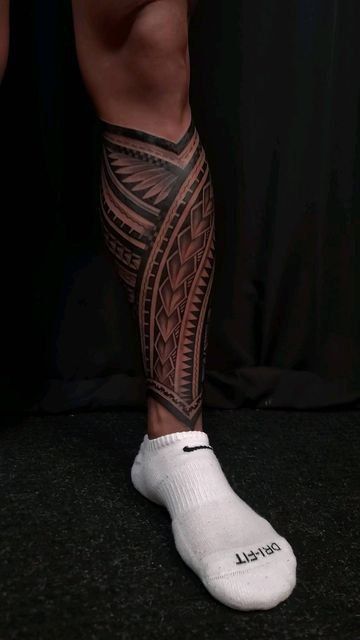
You have planned the design for two years. The artist is booked. Then the rheumatologist clears their throat at your last appointment and asks the question that changes the conversation. "Have you spoken to anyone about how your lupus might react to a tattoo?"
Australians living with autoimmune disease are not banned from the chair, but the rules are not the same as for everyone else. Psoriasis can spread to a fresh tattoo through the Koebner phenomenon. Lupus can flare from the trauma. Rheumatoid arthritis on biologics carries an infection risk three to five times the general baseline. Crohn's and ulcerative colitis stretch healing into months. This guide walks through every major condition, the medical clearance you need, the timing of your medications, and the practical steps that turn a high-risk tattoo into a manageable one.
Medical disclaimer: autoimmune diseases vary drastically between individuals and between flares. This guide is general information, not medical advice. Always consult your rheumatologist, dermatologist, immunologist, or gastroenterologist before booking a tattoo. Your specific medication regimen and disease activity decide what is safe for you.
Key Takeaways
- Possible but high risk: Tattooing with autoimmune disease requires specialist clearance, stable remission, and careful planning
- Psoriasis: 25 to 50% chance the Koebner phenomenon creates new plaques on the fresh tattoo
- Lupus: Sun exposure and trauma can trigger systemic flares; never tattoo sun-exposed skin
- Rheumatoid arthritis on biologics: Infection risk runs 3 to 5 times higher than baseline
- IBD (Crohn's, UC): Healing takes 2 to 4 times longer; nutritional status matters
- Universal rules: Disease in remission 6 to 12 months, written specialist clearance, low-dose medications only
- Watch hard: Fever plus a fresh tattoo is a medical emergency for immunosuppressed patients
What "Autoimmune" Actually Means for a Tattoo
An autoimmune disease is one where the immune system attacks the body's own tissue. A tattoo is a controlled injury that creates 1,000 to 3,000 micro-wounds per second along the needle path. For most people the immune response is local, brief, and uncomplicated. For autoimmune patients, the same trauma can do four things differently:
- Trigger a systemic flare as the immune system gets activated by the local injury
- Provoke condition-specific reactions at the tattoo site (Koebner plaques, discoid lesions, pyoderma)
- Heal slowly because immunosuppressant medications slow tissue repair
- Carry a much higher infection risk because the same medications dampen the body's defence
None of this rules you out automatically. It just means a different planning process and a different risk-benefit conversation with your specialist.
Psoriasis and the Koebner Phenomenon
The Koebner phenomenon is the medical name for psoriasis plaques forming at sites of skin trauma. Cuts, burns, sunburn, surgery scars, and yes, tattoos can all trigger fresh plaque growth.
| Factor | Detail |
|---|---|
| Risk of Koebner on a tattoo | 25 to 50% of psoriasis patients (study range) |
| Onset | 10 to 20 days after the session, during active healing |
| Outcome | Permanent plaques covering the tattoo, thick scaling that obscures the design |
| Treatment | Topical steroids, biologics. Often partial improvement, rarely full clearance |
Safety checklist for psoriasis
- Disease in remission, no active plaques for 6+ months
- No prior Koebner reaction to other minor trauma (cuts, scrapes, vaccinations)
- Written clearance from your dermatologist that explicitly mentions Koebner risk
- Avoid placing the tattoo over a previous psoriasis site (50 to 70% recurrence)
- Start with a small test tattoo (about 2 to 3 cm) and wait 3 to 6 months before committing to anything larger
When the answer is no
- Active flare with any visible plaques
- Known positive Koebner responder
- Guttate psoriasis covering more than 30% of the body
- Within the first 6 months of starting a new biologic (need to assess response first)
In a nutshell: psoriasis does not ban tattoos, but it heavily favours small, hidden, easily-modified pieces over large showpieces. The Koebner risk does not go away with skill or hygiene. It is a feature of how psoriatic skin reacts to trauma.
Lupus (SLE and Discoid)
Lupus brings four overlapping concerns to the chair. Photosensitivity means a tattooed area must stay covered or sunscreened for the rest of your life. Immune trauma can trigger a systemic flare with joint pain, fatigue, and organ involvement. Immunosuppressants raise infection risk. Discoid (skin-only) lupus carries a separate, higher risk of poor healing and scarring.
| Lupus type | Tattoo risk | Practical implication |
|---|---|---|
| Systemic Lupus (SLE) | High | Stable disease 12+ months, low-dose medications only, never on sun-exposed skin |
| Discoid Lupus (skin) | Very high | Scarring and hyperpigmentation are common, ink rarely sits cleanly |
| Drug-Induced Lupus | Moderate (if resolved) | If trigger drug stopped and symptoms have cleared, consult rheumatologist for clearance |
Lupus-specific safety requirements
- Remission for 12+ months (SLEDAI score under 4)
- No active kidney, heart, or lung involvement
- Prednisone under 10 mg per day, or off steroids entirely
- Lifetime SPF 50+ commitment over the tattoo (UV is both a fading hazard and a flare trigger)
- Never tattoo sun-exposed sites: forearms, hands, face, chest, lower legs
Rheumatoid Arthritis
Most RA-related risk comes from the medications, not the disease itself. The newer the drug class, the more it dampens infection-fighting response.
| Medication class | Examples | Infection risk vs baseline |
|---|---|---|
| NSAIDs only | Ibuprofen, naproxen | Roughly the same as the general population |
| Methotrexate | Weekly oral or injection | 2 to 3 times higher |
| Biologics (TNF inhibitors) | Humira, Enbrel, Remicade | 3 to 5 times higher |
| JAK inhibitors | Xeljanz, Olumiant | 3 to 5 times higher |
| High-dose prednisone | Above 20 mg daily | Healing delayed 2 to 4 times, infection risk very high |
Practical RA protocol
- Rheumatologist clearance: Discuss whether to skip a single dose of biologic the week of the session (some specialists recommend it, others do not, this is highly individual)
- Studio choice: Council-licensed only, with visible sterilisation practice (autoclave, single-use needles, barrier wrap)
- Placement: Avoid tattooing directly over swollen or chronically inflamed joints
- Aftercare: Wash 3 to 4 times daily (versus the standard 2), monitor for infection signs twice daily
- Recovery buffer: Take the day after the session off work; the body needs the resources for healing
Crohn's Disease and Ulcerative Colitis
Inflammatory bowel disease creates two compounding tattoo problems. The chronic inflammation slows tissue repair across the body. Malabsorption robs the skin of the protein, zinc, and vitamin C it needs for collagen synthesis. Add an immunosuppressant to the picture and healing can stretch from a typical 4 weeks to 8 to 12 weeks.
What you need before booking
- Clinical remission for 6+ months: no active flare, no diarrhoea, no bleeding
- Recent labs that show albumin, total protein, ferritin, B12, and vitamin D in normal range
- Gastroenterologist sign-off in writing
- Small first tattoo (under 5 cm) to gauge healing capacity before any large piece
- Realistic expectation that the project will take longer between sessions than for healthy clients
The pyoderma gangrenosum risk
Pyoderma gangrenosum is a rare but serious skin complication of IBD. It causes painful ulcers that can develop at sites of skin trauma. Tattoos have triggered it in documented cases. If you have a history of pyoderma, the answer to a tattoo is almost always no, regardless of how stable the disease appears.
Other Conditions at a Glance
| Condition | Risk level | Headline issue |
|---|---|---|
| Multiple Sclerosis | Moderate | Stress can trigger relapse, infection risk on disease-modifying drugs |
| Scleroderma | High | Thick, tight skin does not take ink well; healing is poor |
| Sjogren's Syndrome | Moderate | Dry skin slows healing; aggressive moisturising required |
| Coeliac Disease | Low | Safe with strict gluten-free diet and no malabsorption |
| Type 1 Diabetes | Moderate | HbA1c under 7%, avoid feet and lower legs, strict aftercare |
| Hashimoto's thyroiditis | Low | Rarely problematic if thyroid levels controlled and not on immunosuppressants |
| Vitiligo | Moderate | Tattoo trauma can trigger new depigmentation patches at the site |
Universal Pre-Tattoo Optimisation
Whatever the condition, the same preparation pays off. The week before your session is when your body needs to be in the best shape it has been in for months.
| Factor | Target | Why |
|---|---|---|
| Protein | 1.2 to 1.5 g per kg body weight per day | Collagen synthesis, wound healing |
| Zinc and vitamin C | RDI or modest supplementation, only with doctor approval | Both are limiting factors in skin repair |
| Hydration | 2 to 3 L of water per day for the week before | Plump skin holds ink better, heals faster |
| Sleep | 7 to 9 hours nightly | Immune restoration happens during deep sleep |
| Stress | Low-stress week before and after | Stress is a documented flare trigger across most autoimmune conditions |
| Alcohol | Zero for 48 hours either side | Thins blood, impairs immune function, dehydrates |
Medication Timing
This section is the most individual part of the planning. Always discuss timing with the prescribing specialist, not the tattoo artist, and never skip or change a dose without approval.
Methotrexate
- Some rheumatologists recommend skipping the dose the week of the tattoo
- Resume 7 to 10 days after the session if healing looks normal
- Never stop without medical approval; uncontrolled disease is worse than the tattoo risk
Biologics
- Schedule the session mid-cycle, e.g. one week after the injection for a fortnightly dose
- Peak medication effect runs before the tattoo, then wears off as healing accelerates
- Some specialists delay the next dose by one to two weeks; only with approval
Prednisone
- Ideal dose at tattoo time: under 10 mg per day (physiological, not immunosuppressive)
- If above 20 mg per day: wait until the dose has been tapered down
- High-dose steroids cause delayed healing, poor scar formation, and elevated infection risk
Spotting Infection Early
Immunosuppressed patients can move from "small redness" to "systemic infection" in 24 to 48 hours. Daily monitoring is the difference between a course of oral antibiotics and an emergency department admission.
Daily checks
- Photograph the tattoo twice a day (morning and evening). Compare for spreading redness, swelling, or new discharge
- Touch test: Gently feel the tattoo and the 5 cm of skin around it. Heat or hard swelling is an early sign
- Smell test: A foul odour at any time is bacterial infection, call your doctor
- Track systemic symptoms: Temperature, fatigue, joint pain, chills, anything outside your normal baseline
Call a doctor immediately if you see: fever above 38 degrees Celsius, red streaks running away from the tattoo (lymphangitis), yellow or green pus (not clear plasma), severe limb swelling, autoimmune flare symptoms worse than your baseline, or no healing progress at all by week two.
If your usual doctor is unavailable, HealthDirect runs 24/7 on 1800 022 222. Bring your full medication list to any consultation, since immunosuppression often changes the antibiotic choice.
Extended Aftercare for Autoimmune Patients
Standard aftercare is built around a 2 to 4 week healing window. Autoimmune patients should plan for 4 to 12 weeks and adjust the routine accordingly.
| Status | Typical healing window |
|---|---|
| Healthy adult | 2 to 4 weeks |
| Autoimmune, well controlled | 4 to 8 weeks |
| Autoimmune on high-dose immunosuppressants | 6 to 12 weeks |
Daily routine for weeks 1 to 8
- Wash 3 to 4 times daily with mild fragrance-free soap (versus 2 times for healthy clients)
- Moisturise 4 to 5 times daily with a fragrance-free, lanolin-free lotion. See our tattoo moisturiser guide for safe product picks
- Avoid immune triggers: No smoking, no alcohol, minimise junk food. All three impair healing
- Sleep 8 to 9 hours for the first two weeks; the body does most of its repair work overnight
- Wait 4 to 6 weeks before returning to the gym or the pool, versus 2 to 3 weeks normally
Choosing an Autoimmune-Aware Artist
The right artist for an autoimmune client is not necessarily the one with the biggest following. It is the one who reads your clearance letter, modifies the design to reduce risk if needed, and schedules a follow-up check at week two.
Green flags
- Asks detailed questions about your condition and medications during consultation
- Requests written clearance from your specialist
- Has tattooed immunosuppressed clients before and can talk through past cases
- Suggests modifications (smaller, simpler, hidden) to reduce risk
- Schedules a follow-up at week 2 to 4 to verify healing
Red flags
- Dismisses your condition with "you'll be fine"
- Refuses to read or accept a clearance letter
- Rushes the consultation
- Has no experience with medical-condition clients
- Pushes a large piece when you have flagged a high-risk condition
The Test Tattoo Strategy
For higher-risk conditions, particularly psoriasis and discoid lupus, a tiny test tattoo is the single best risk-reduction tool. A 2 to 3 cm piece in a hidden area gives you real data on how your skin reacts before you commit to anything large.
- Why it works: Direct measurement of Koebner risk, healing speed, and any flare response
- Wait period: 3 to 6 months between the test and the larger piece
- Cost: $80 to $200 for a small test, against potentially thousands for a large piece you regret
- Outcome: Heals well with no flare, proceed. Anything else, the loss is small and recoverable
Australian Patient Support
Disease-specific organisations can offer better individual guidance than general tattoo forums. Useful first calls:
- Arthritis Australia: 1800 011 041
- Lupus Association of NSW: (02) 8678 4111
- Crohn's and Colitis Australia: 1800 138 029
- MS Australia: 1300 010 158
- Psoriasis Australia: via the Australasian College of Dermatologists
Frequently Asked Questions
Can I get a tattoo while in remission from lupus?
Possibly, with rheumatologist clearance. The standard ask is 12+ months of stable disease, no major organ involvement, low-dose medications, and an absolute commitment to keep the tattoo out of the sun for life. Sun-exposed sites should be avoided entirely.
Will my biologic stop my tattoo from healing?
It will slow healing and raise infection risk. It rarely stops healing entirely. Most clients on Humira or Enbrel can still get tattooed safely with proper timing, smaller pieces, and obsessive aftercare. Talk to your rheumatologist about cycle timing, never skip a dose without approval.
Is it safe to get a tattoo right after starting a new immunosuppressant?
No. Wait at least 3 to 6 months so your specialist can confirm the medication is working as intended and your immune response has stabilised. Tattooing during the assessment window adds a confounding variable nobody needs.
What if my tattoo triggers a flare?
Contact your specialist immediately. The flare is treated the way any flare is treated. The tattoo itself usually heals normally if the flare is brought under control quickly. Severe flares can permanently affect ink quality on the affected area.
Are coloured tattoos riskier than black and grey for autoimmune patients?
Modern coloured inks are generally safe but carry a slightly higher allergy risk, particularly red and yellow pigments. For autoimmune skin, black, grey, and conservative colour palettes are the lowest-risk choice. Patch testing is sometimes worth asking about.
Can I have a tattoo removed if I develop complications?
Laser removal is possible but creates the same skin trauma that triggered the original problem. For Koebner-positive psoriasis or discoid lupus, removal can make things worse. Coverage by another tattoo is also limited because both options re-injure the area.
Bottom Line
Autoimmune disease does not rule out a tattoo, but it changes the planning. Get specialist clearance in writing, wait for stable remission, choose a smaller and simpler piece than you originally planned, find an artist who actually engages with your medical history, and treat the aftercare window as twice the standard length. Done well, autoimmune Australians can absolutely have meaningful, safe, beautiful tattoos. Done badly, the consequences range from disappointing to genuinely dangerous.
Once you have clearance, see our tattoo shop hygiene guide to vet the studio, and the first 24 hours aftercare guide for what to do straight after the session.
Explore More
Find Tattoo Shops
Browse by Style
Stay Updated with the Latest Insights!
Get the latest news and updates delivered to your inbox.
Related Articles
Tattoos and Chronic Illness Australia 2026: Safety Guide
Getting a tattoo with a chronic condition in Australia. Diabetes, autoimmune, blood thinners, and skin conditions. Timing and prep.
Read More
Finger Tattoos Australia 2026: Complete Guide to Designs, Fading and Cost
Finger tattoo guide for Australia in 2026. Designs, pain, fading truths, healing tips, ring tattoos and price bands. What to book and what to skip.
Read More
Tattoo Insurance Australia 2026: Coverage, Costs and What Clients Should Ask
Public liability, product liability and blood-borne cover for Australian tattoo studios in 2026. Costs, exclusions and what clients should ask before booking.
Read More