Flash vs Custom Tattoos Australia 2026: Which Should You Pick?
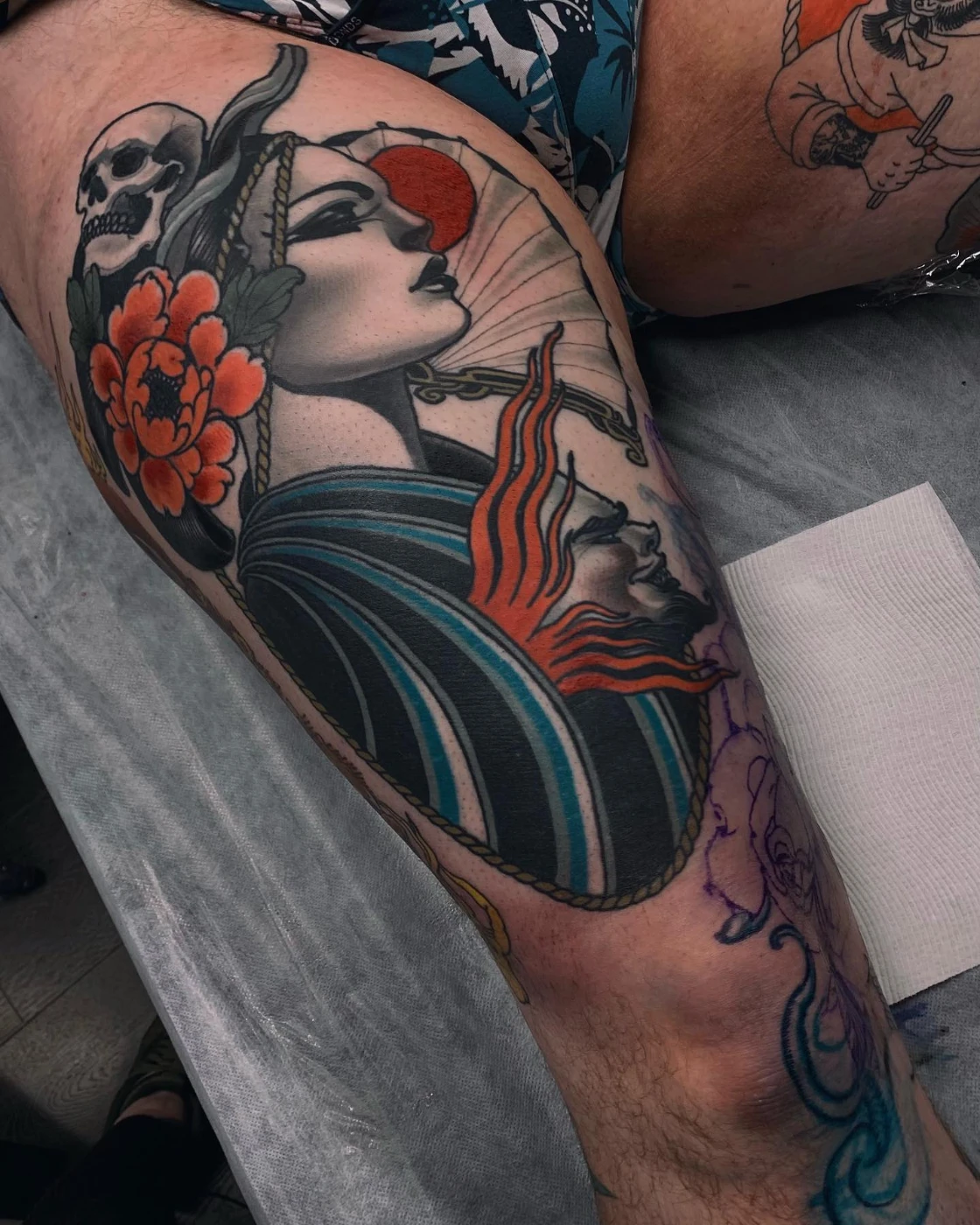
Picture this. You walk into a Melbourne studio on a wet Thursday with half a design idea on your phone and twenty minutes before the next tram. On the wall is a flash sheet of twenty traditional pieces drawn by the studio owner, each priced, each proven, and the chair is open for the next hour. On the ledger is a custom booking that will not open until April, built around a two-week sketching window and a sixty minute consultation. Flash versus custom is one of the oldest decisions in tattoo culture, and in 2026 both paths produce beautiful work. The only wrong choice is going into the chair without understanding which one you actually want.
This guide walks through what flash and custom actually mean in Australian studios, the honest cost and timeline differences, which one suits which situation, and the hybrid middle ground that most 2026 clients end up picking without realising it has a name. By the end you should know exactly which door to walk through at the next consultation.

Key Takeaways
- Flash: Pre-drawn designs ready to tattoo. Walk-in friendly, 20 to 40% cheaper than custom work
- Custom: Artist draws the piece from your brief. Takes 2 to 12 weeks and runs full hourly rate
- Australian cost gap: A small flash piece sits $120 to $250; a comparable custom runs $180 to $380
- Best for first tattoo: Flash tends to win on cost, speed and proven design
- Best for memorial or large pieces: Custom is almost always the right path
- Hybrid: Flash with minor modifications is the most-booked format in Australian studios
- Red flag: If an artist refuses to show flash sheets or custom portfolio, book elsewhere
What Flash Actually Means in 2026
Flash is pre-drawn work the artist is willing to tattoo on multiple clients. Historically it hung on studio walls in paper sheets, which is where the name comes from (American sailors would "flash" a design to the tattooist). In Australia today, flash lives in three overlapping formats:
- Studio-wall flash: The traditional, physical sheet. Still common in American traditional and Japanese studios
- Instagram flash: Artists post sheets of available designs, often themed and priced. First-come-first-booked
- Flash days and events: One-off days (often around Friday the 13th or Halloween) where studios offer limited-time designs at a discount
Each flash piece has already been designed by the artist, which means the time cost of drawing is amortised across many clients. That is why flash is cheaper and faster. It is not a lower-quality tattoo. In fact, flash is often the format where an artist shows off their most refined aesthetic because the design is theirs rather than a client brief.
What Custom Actually Means
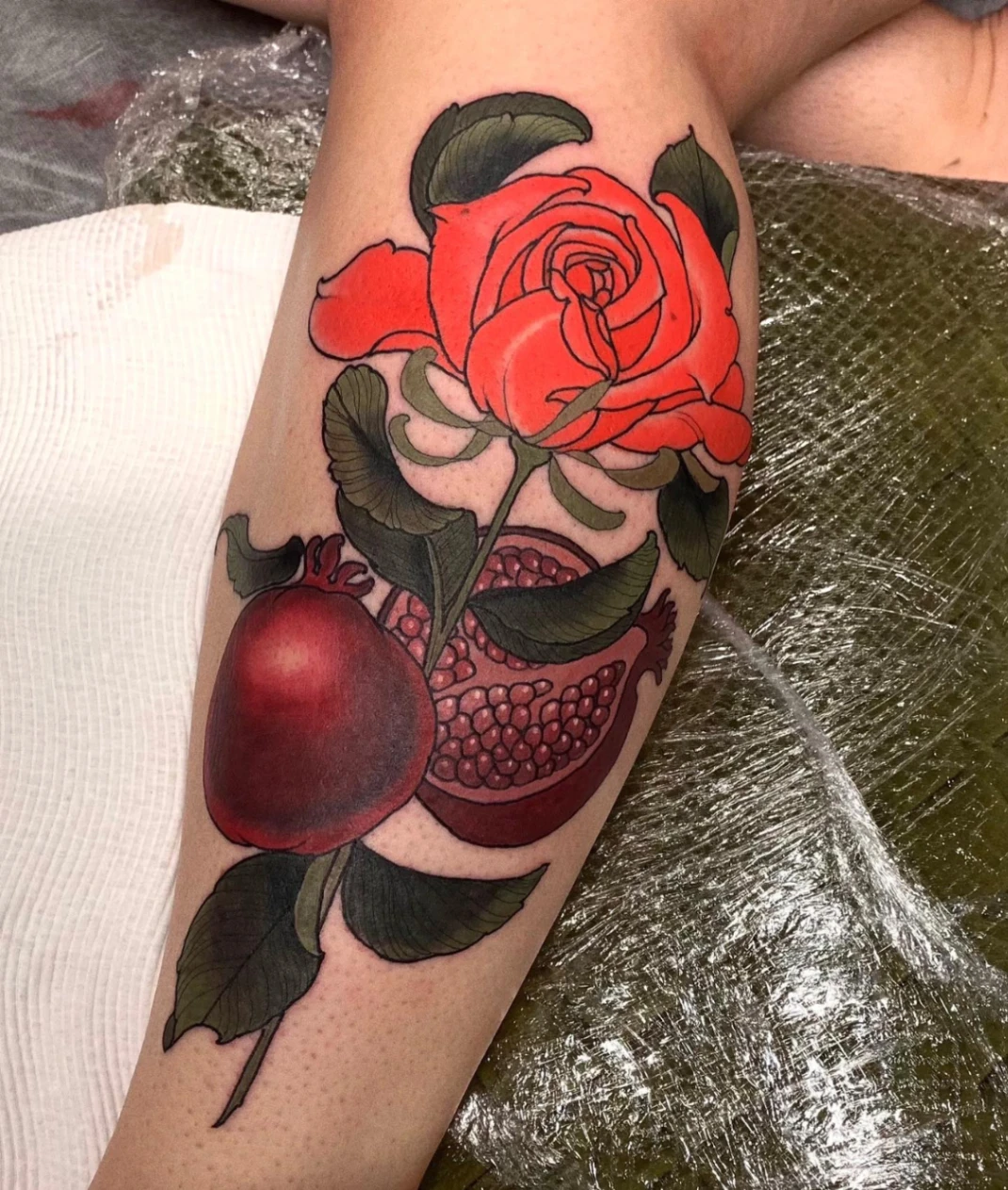
Custom work means the artist draws the piece specifically for you, based on a brief, references, and your body. No one else will walk out with the same tattoo. The process is longer because it includes several stages:
- Consultation (30 to 60 minutes): The brief is agreed. Size, style, placement, references
- Design (2 to 20 hours of artist time): The artist sketches, iterates, and often prepares a stencil
- Review (1 to 3 revisions): You give feedback. Minor changes are standard, major redraws cost extra
- Appointment: The piece is tattooed, usually in a single session for smaller work
Custom work is priced to cover the drawing time as well as the chair time. Expect a non-refundable deposit of $200 to $500 to lock a booking, usually deducted from the final session cost.
In a nutshell: flash gives you a tested design at a discount. Custom gives you a bespoke design at a premium. Both deliver great tattoos when matched to the right situation.
Flash vs Custom: Side-by-Side 2026 Pricing
Australian studios in 2026 price flash and custom at roughly these ranges. Figures assume a mid-tier artist in Sydney or Melbourne; regional and apprentice work will land 20 to 40% lower.
| Size | Flash (AUD) | Custom (AUD) | Typical Gap |
|---|---|---|---|
| Micro (under 5 cm) | $120 to $220 | $180 to $350 | 30 to 50% higher |
| Small (5 to 10 cm) | $180 to $380 | $280 to $550 | 25 to 45% higher |
| Medium (10 to 20 cm) | $350 to $700 | $550 to $1,100 | 30 to 60% higher |
| Large (20 to 30 cm) | $600 to $1,100 | $1,000 to $2,000 | 50 to 80% higher |
| Half sleeve | $900 to $1,600 | $1,400 to $2,800 | 50 to 80% higher |
The gap grows with size because larger pieces cost the artist proportionally more design time. A finger tattoo takes thirty minutes to draw whether it is flash or custom. A back piece is a very different conversation.
Timeline Reality Check
Timing is often the deciding factor, not price. Here is what the two routes look like in a typical Australian studio.
| Phase | Flash | Custom |
|---|---|---|
| Initial enquiry to appointment | Same day to 2 weeks | 2 weeks to 3 months |
| Design time | None (already done) | 1 to 4 weeks |
| Revisions | Rarely any | 1 to 2 rounds |
| Walk-in option | Yes, if a chair is free | No |
| Total: idea to healed tattoo | 3 to 6 weeks | 8 to 16 weeks |
When Flash Is the Right Call
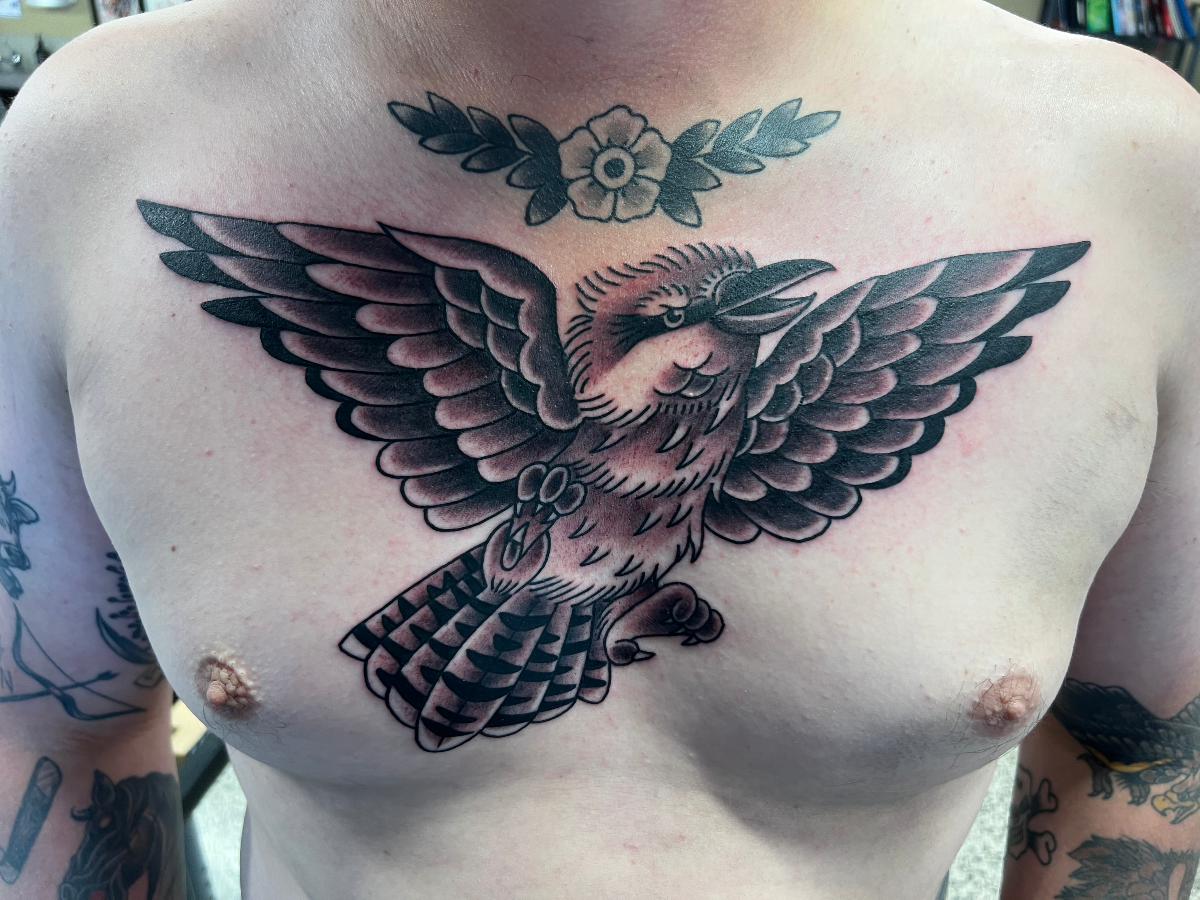
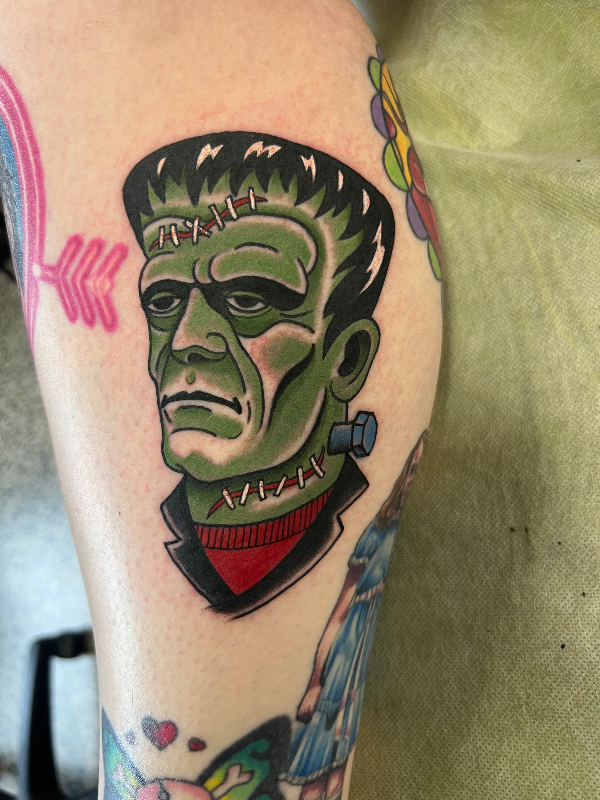
Flash is often the best move for first-timers, cost-conscious clients, and anyone drawn to traditional aesthetics. The following situations consistently point towards flash:
- First tattoo: A proven design and a lower price keep the stakes manageable
- Budget under $400: Flash makes a strong under-$300 tattoo possible without compromising on the artist's skill
- You love the design on the wall: There is nothing to argue with here. If the piece speaks to you, book it
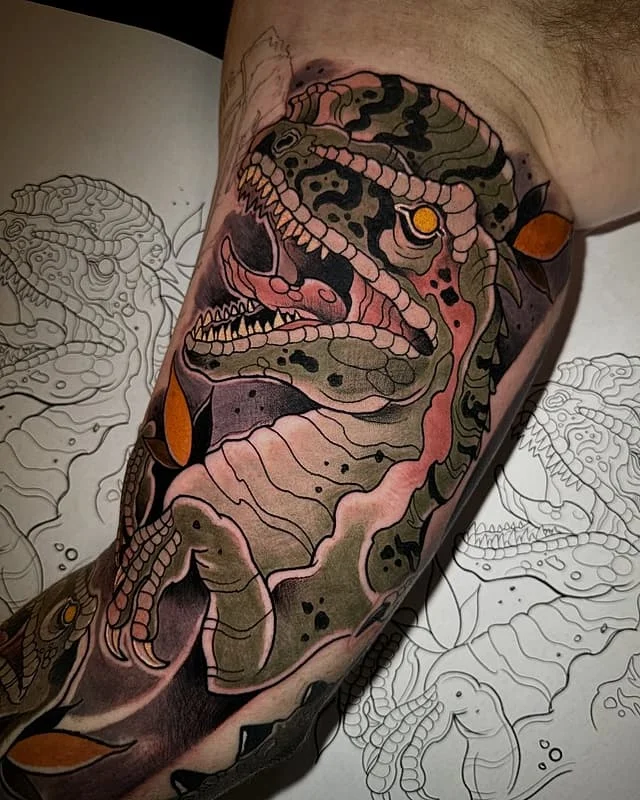
- Traditional, neo-traditional or Japanese style: These styles have the richest flash tradition. Many of the best Australian traditional artists prefer flash
- Filler tattoos: Collectors who want to add a tested piece to an existing composition
- Flash events: Friday the 13th or themed days deliver real discounts (sometimes 20 to 50% off)
When Custom Is the Right Call
Custom work earns its premium when a design has to carry personal meaning or fit an unusual body canvas. Reach for custom when:
- Memorial piece: The design must represent a specific person, pet, or moment
- Large project: Sleeves, back pieces, chest pieces benefit enormously from bespoke composition
- Unusual placement: Faces, hands, feet, ribs. The body canvas constrains the design and only custom accommodates that
- Non-traditional style: Realism, portrait, watercolour, surrealism rarely exist as flash
- Flow with existing work: New pieces that need to connect to or respond to existing tattoos
- You cannot find a flash design you love: After scrolling several studios' flash sheets, if nothing fits, that is the signal to commission custom
The Hybrid Path Most Clients End Up On
Pure flash and pure custom are the two ends of a spectrum. In practice, most Australian clients land somewhere in the middle, often without realising it has a name.
Flash with minor modifications
You pick a flash design and ask for small tweaks. A rose becomes a peony. A banner adds a date. The eye colour of a portrait is changed. Most studios allow one or two modifications without charging full custom rates. Expect a $30 to $80 bump on the flash price.
Commissioned flash
You ask the artist to draw a flash-style sheet around a theme (wedding party, friendship group, a themed collection) and then pick a piece from that sheet. More personal than true flash, faster than full custom, and great for group bookings.
Flash composition with custom placement
You take an existing flash piece and brief the artist on how to arrange it for your specific body or alongside existing tattoos. This is particularly common for sleeve build-up, where every new flash piece needs to flow with the pieces around it.
Heads up: ask every artist whether they offer flash modifications before you book a full custom. You may get 80% of the custom feel for 60% of the price, and shave a month off the lead time.
Common Misconceptions About Flash
Four myths about flash routinely steer first-timers in the wrong direction.
- "Flash is lower quality than custom." False. The quality of a tattoo is driven by the artist's skill, not the origin of the design. Many of the best traditional artists in Australia primarily draw flash
- "Only amateurs tattoo flash." False. Veteran artists often prefer flash because they can execute their best work without the overhead of client briefs
- "Flash designs are generic." False. Flash is an artist's personal portfolio distilled into executable form. Original flash is highly specific to the artist
- "If you choose flash, you have no personality." False. Flash connects you to a century of tattoo tradition. Wearing traditional flash is a style choice, not a shortcut
Common Misconceptions About Custom
- "Custom guarantees a unique tattoo." True only if the brief is unique. Generic briefs produce custom tattoos that look like other custom tattoos
- "Custom is always better." False. Custom done poorly is worse than flash done well
- "Custom means endless revisions." False. Most studios offer one or two revision rounds. Beyond that, additional sketch time is billed
- "Custom is only for sleeves and back pieces." False. Any size works custom if the client has a specific vision. The cost gap is just more noticeable on larger work
How to Brief Your Artist Well, Whichever Path You Pick
The quality of your brief is the single biggest predictor of the final tattoo, especially on the custom side. Four moves consistently produce stronger outcomes.
- Share references, including ones you dislike. Negative references help the artist calibrate your taste faster than positive ones alone
- Decide placement before style. A thigh piece and a wrist piece need different compositions, even for the same theme
- Agree the size in centimetres, not words. "Medium" is subjective. "9 cm along the forearm" is specific
- Trust the artist on execution. You chose them for their style. Micromanaging the drawing kills the thing that attracted you
Decision Checklist
Run through these ten questions before booking. If the answers skew flash, book flash. If they skew custom, book custom. If they are split, consider the hybrid path.
| Question | Flash If | Custom If |
|---|---|---|
| Budget | Under $500 | $500+ you can spend |
| Timeline | Want it this month | Can wait 1 to 3 months |
| Design specificity | Love a design you have seen | Clear concept not yet drawn |
| Experience level | First or second tattoo | Collector building a sleeve |
| Style | Traditional, neo-traditional, Japanese | Realism, portrait, watercolour |
| Meaning | Aesthetic appeal is enough | Must carry a specific story |
| Flexibility | Happy with the artist's taste | Need your exact vision |
| Placement | Standard limb or torso | Face, hands, custom composition |
| Risk appetite | Want to see it before you book | Comfortable trusting a sketch |
| Social booking | Group walking in together | Solo project |
Frequently Asked Questions
Can I modify a flash design?
Usually yes. Colour swaps, small additions, and adjustments to size are common and often included free. Changes that redraw the composition become custom-rate work.
Does flash still exist for non-traditional styles?
Yes. Fine-line, blackwork, dotwork and sketch artists all publish flash sheets, usually on Instagram. The format is just as valid; the designs are simply more contemporary.
Are flash days actually cheaper?
Yes, often significantly. Friday the 13th in Australia typically brings $70 to $130 tattoos on themed sheets, and Halloween or anniversary events offer similar discounts.
How do I know an artist's custom work is good?
Ask for the portfolio and look at range. Strong custom artists show breadth across subjects, cohesive style, and clean composition on bodies not just paper. Our guide to choosing an artist covers this in detail.
Can I bring a tattoo I saw online as a reference?
Bring it as reference, not as a copy brief. Reputable Australian artists will not duplicate another artist's work. They will take the themes and build something original.
Which path is faster if I have a flight in two weeks?
Flash. Even urgent custom work needs at least two weeks of design time, and the appointment slot still has to be available.
Bottom Line
Flash and custom are not quality tiers. They are formats, each suited to different situations. Flash wins on cost, speed and traditional aesthetics. Custom wins on specificity, scale and personal meaning. The best 2026 move for most Australian clients is to pick an artist you love, scroll their flash sheet, and decide whether a modified flash piece covers your brief. If it does, book flash. If not, step up to custom. Either way, the finished tattoo is only as good as the artist's skill and your clarity.
Need a starting point? Browse artists by style and location across our Sydney, Melbourne and Brisbane directories, or jump into the traditional and neo-traditional galleries for flash-friendly inspiration.
Explore More
Find Tattoo Shops
Browse by Style
Stay Updated with the Latest Insights!
Get the latest news and updates delivered to your inbox.
Related Articles
Father Son Tattoo Ideas Australia 2026: Matching Designs
Father son tattoo ideas for 2026. Traditional, blackwork, and memorial pairings. Placement, pricing ($250 to $2,800), and artist tips.
Read More
Anchor Tattoo Meaning Australia 2026: Symbolism, Design and Cost
Anchor tattoo meaning in Australia 2026: sailor history, symbolism, design combinations, best styles, placement guide and $150 to $3,200 pricing.
Read More
Rose Tattoo Meanings Australia 2026: Colours, Numbers and Symbolism
Rose tattoo meanings explained. Colours, numbers, styles and placements, with Australian artist examples and 2026 pricing across Sydney and Melbourne.
Read More