Full Body Tattoo Cost Australia 2026: Investment Guide
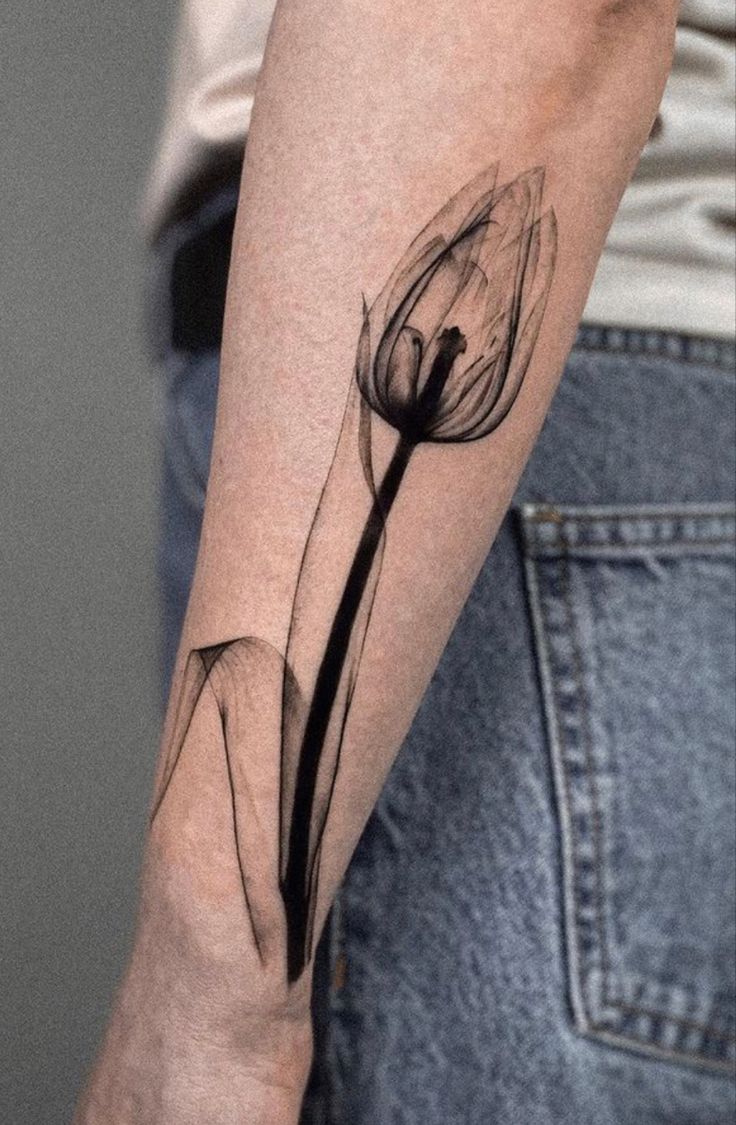
Picture the last person you saw whose tattoos kept going. Not a sleeve. Not a back piece. A bodysuit, where the work flows from collar to ankle, broken only by the spaces an artist deliberately chose to leave clean. Most Australians never stop to ask what something like that costs because the number feels mythical. The honest answer in 2026 sits between $50,000 and $100,000 plus, and the project itself is a five to ten year commitment, not a season.
That price tag carries a long list of things people forget to budget for: travel to the right specialist, recovery weeks, ongoing aftercare, plus career and lifestyle decisions that shape the rest of your life. This guide breaks every line item down so you can decide whether a full body tattoo belongs on your roadmap or whether a back piece and a sleeve will scratch the same itch for a fraction of the spend.
Key Takeaways
- Total budget: $50,000 to $100,000 for most bodysuits, $120,000 plus for top-tier Japanese irezumi or hyper-realism
- Hours of work: 150 to 500 plus needle hours across 40 to 100 plus sessions
- Timeline: 3 to 7 years for Japanese bodysuits, 5 to 10 years for Western full coverage
- Hourly rate: $200 to $400 with master-tier specialists; cheaper artists are rarely worth the saving on a project this size
- Hidden costs: Travel, accommodation, time off work, and aftercare add $5,000 to $20,000 over the project
- Lifestyle impact: Career decisions, sun exposure, weight stability, and skin care all change once you commit
- Smart structure: Sleeves, leg sleeves, back, and chest get planned together at the start so the composition flows
- Red flag: Anyone who quotes a flat package for a full bodysuit upfront has not understood the project
What "Full Body Tattoo" Actually Means
"Full body" is a loose term. In Australian studios in 2026 it usually maps to one of three coverage levels, each with very different price tags.
| Coverage | What it covers | Cost (AUD) | Timeline |
|---|---|---|---|
| Japanese Bodysuit (Irezumi) | Both arms, chest, back, abdomen, thighs (stops at wrists and ankles) | $60,000 to $120,000 | 3 to 7 years |
| Western Full Coverage | Sleeves, leg sleeves, back, chest, ribs, often hands and neck | $50,000 to $200,000 plus | 5 to 10 years |
| Extreme Coverage | Above, plus face, scalp, palms, soles | $100,000 to $250,000 plus | 7 to 15 years |
Most clients land in the middle bracket. They start with a sleeve, decide they like where it is going, and quietly add the back, the chest, and the other leg over the next decade. The full quote is usually never written down in one place. It accumulates session by session.
In a nutshell: nobody books a bodysuit upfront. They commit to the first major panel (a sleeve, a back piece, a leg sleeve) and the rest follows when the design and the artist relationship hold up.
Why It Costs This Much
The price comes from two places. The first is the sheer surface area. A bodysuit is roughly 12 to 18 square feet of skin, and at master-tier hourly rates the maths is brutal: 200 hours times $300 per hour is already $60,000 before you spend a cent on travel.
The second is the artist tier. Bodysuits demand artists who can hold a single design language for years. That kind of consistency is rare. Most projects in this bracket use either a Japanese horishi (traditional Japanese tattooist), a black and grey realism specialist, or a heavy blackwork artist with a recognisable visual signature. Those artists typically sit at $200 to $400 per hour and have waitlists measured in seasons.
Pricing by Style
Style is the second biggest cost lever after coverage. Two clients with identical body sizes can pay $40,000 apart purely because of what they ask their artist to draw.
| Style | Bodysuit Range (AUD) | Why |
|---|---|---|
| Heavy Blackwork | $45,000 to $80,000 | Faster fills, fewer colour passes |
| Traditional Japanese | $60,000 to $120,000 | Ritual hand-poke or specialised tebori adds time and rate |
| Black and Grey Realism | $70,000 to $130,000 | Smoother gradients need expert layering across many passes |
| Full Colour Realism | $90,000 to $180,000 plus | Colour saturation requires multiple sittings over the same skin |
| Mixed Style | $80,000 to $150,000 | Compositional planning across panels eats into design time |
If you want to compare hourly rates and styles before committing, our Australian tattoo price guide covers every common piece type and the rate brackets you should expect.
City Pricing in Australia
Australia has a small handful of artists who can hold a bodysuit project together. Most live in Sydney and Melbourne, with a thinner cluster in Brisbane, Perth, and Adelaide. Travel to your artist often becomes part of the budget.
| City | Average Hourly | Bodysuit Range (AUD) | Master Tier |
|---|---|---|---|
| Sydney | $220 to $400/hr | $70,000 to $150,000 | $150,000 to $250,000 |
| Melbourne | $200 to $380/hr | $65,000 to $140,000 | $140,000 to $220,000 |
| Brisbane | $180 to $320/hr | $55,000 to $120,000 | $120,000 to $180,000 |
| Perth | $180 to $320/hr | $55,000 to $115,000 | $115,000 to $170,000 |
| Adelaide | $160 to $280/hr | $50,000 to $100,000 | $100,000 to $160,000 |
Browse studios in Sydney, Melbourne, Brisbane, Perth, or Adelaide when you start scoping artist shortlists.
Real Project Case Studies
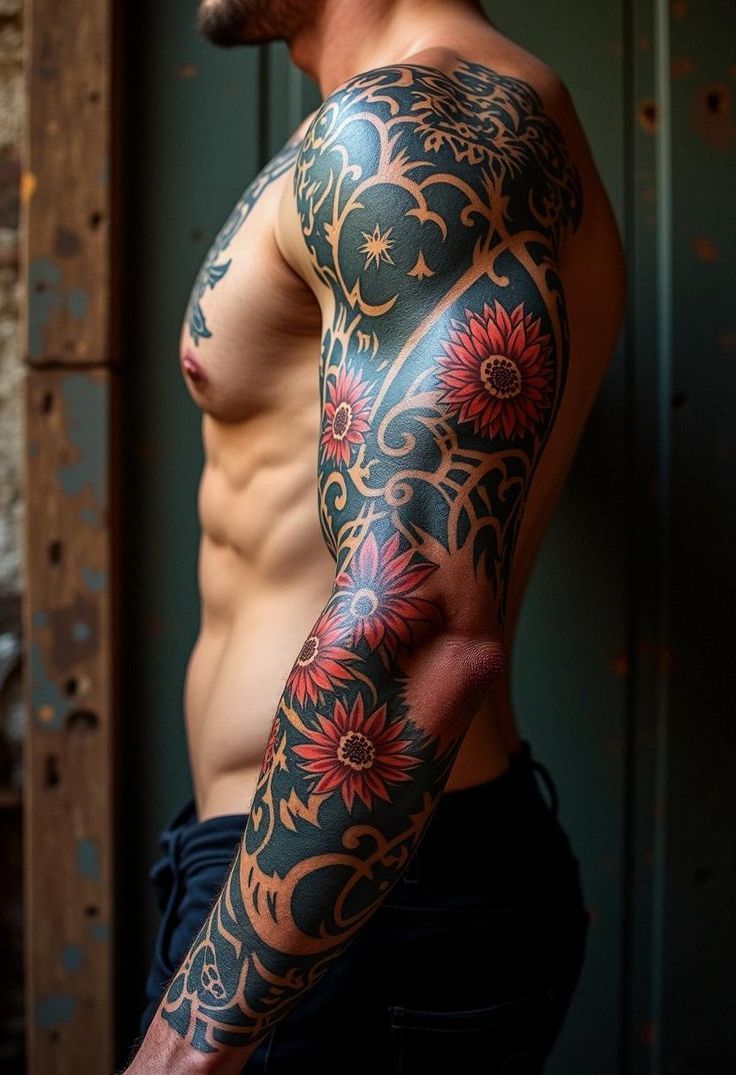
Photographs below are example portfolio pieces from real Australian artists on the platform. The cost breakdowns are illustrative averages based on typical Australian market rates and do not represent the actual fee charged for the specific tattoo shown.
Case 1. Illustrative Calf Panel, Sydney
Stage: Year 2 of a planned Western full coverage. Panel: calf and lower leg as part of a leg sleeve. Sessions: 6 across 5 months for this panel alone.
- Calf panel time: 22 hours at $260/hr
- Subtotal for this panel: $5,720
- Travel and aftercare across 6 sessions: $480
- Panel total: $6,200
- Cumulative project spend after Year 2: roughly $24,000
Case 2. Blackwork Chest and Shoulder, Melbourne
Stage: Year 4 of a Western full coverage. Panel: chest and front shoulder bridging into both arms. Sessions: 9 across 8 months.
- Chest and shoulder time: 34 hours at $280/hr
- Subtotal: $9,520
- Tips and aftercare: $1,200
- Panel total: $10,720
- Cumulative project spend after Year 4: roughly $52,000
Case 3. Realism Full Sleeve, Adelaide
Stage: Year 1 of a planned bodysuit. Panel: full sleeve with wildlife realism. Sessions: 7 across 6 months.
- Full sleeve time: 28 hours at $240/hr
- Subtotal: $6,720
- Touch-up and tip: $700
- Panel total: $7,420
- Cumulative project spend after Year 1: roughly $7,400 (the foundation panel)
Hidden Costs Most People Forget
| Cost | Amount over the project | Why it matters |
|---|---|---|
| Interstate or international travel | $3,000 to $15,000 | Most master-tier artists are not in your home city |
| Time off work | $5,000 to $25,000 | 40 to 100 plus session days plus recovery means real lost income |
| Aftercare products | $600 to $1,500 | Healing balm, mild soap, sun protection, fresh sheets across years |
| Tipping | $5,000 to $15,000 | 15 to 20 percent of session cost is the Australian norm |
| Touch-ups and refreshes | $2,000 to $8,000 | Older panels need refreshing as new ones are added |
| Wardrobe and skincare | $500 to $2,000 | SPF 50, fragrance-free moisturisers, breathable fabrics |
Lifestyle Decisions That Come With the Spend
A bodysuit changes more than your skin. Most clients factor in a few practical realities before they get past Year 1.
- Career flexibility: Some industries still penalise visible coverage. Plan around hands, neck, and face if your career path matters
- Sun protection: Daily SPF 50 plus is non-negotiable for the rest of your life if you want the work to age well
- Weight stability: Major weight changes warp the design. Most clients lock in a stable weight before the big panels
- Skin care discipline: Fragrance-free moisturiser daily, no harsh exfoliants over fresh work, no shortcuts
- Travel logistics: Booking sessions around interstate flights becomes a quarterly habit
Heads up: Australian summer is brutal on fresh ink. Most experienced artists schedule the larger panels (back, chest, full thighs) for autumn and winter so the work heals out of direct UV.
Choosing the Right Artist
The single biggest decision of the whole project is who you sit with. A few non-negotiables when you shortlist:
- Portfolio depth: They have completed at least one bodysuit or major back piece in your style
- Composition planning: They sketch how panels connect, not just one tattoo at a time
- Healing track record: Their photos show clean healed work, not just freshly inked shots
- Communication cadence: They reply to messages within a reasonable window over a multi-year arc
- Studio hygiene: Council-licensed, single-use needles, autoclave for any reusable equipment
If you are still figuring out the broader sleeve plan first, our tattoo sleeve planning guide walks through how to decide subject, layout, and style before you book the first session.
Estimate Your First Panel
Most bodysuits start with a sleeve. Plug the size, style, and city into our tattoo cost calculator to get a personalised estimate using real Australian studio data.
Frequently Asked Questions
Can I finance a bodysuit project?
Not really. Buy now pay later platforms like Afterpay and Zip cap at $1,500 to $2,000 per session in most studios. The standard pattern is to pay session by session out of regular income, treating the project as a long-term hobby budget rather than a single financed purchase.
How do I budget for years of sessions?
Most clients allocate $800 to $2,500 per month while in active sessions, then pause for 6 to 12 weeks between major panels. Annual spend usually lands between $8,000 and $20,000 depending on hourly rate and how aggressively you book.
What happens if my artist retires mid-project?
This is the single biggest project risk. Mitigations: pick a younger artist with at least 10 years of expected career runway, document the design language so a hand-off is possible, and avoid styles so signature that nobody else can finish them.
Is it cheaper to do a bodysuit overseas?
Sometimes the hourly rate is lower in Japan or parts of Europe, but flights, accommodation, and the inability to return for free touch-ups usually wipe out the saving. Most Australian clients stay in Australia for the bulk of the work and travel only for one signature artist.
How does ageing affect a bodysuit?
Lines thicken, colour softens, and skin elasticity changes. Healed bodysuits 20 years on can still look excellent if the original work was simple, bold, and well placed. Hyper-fine detail does not always survive that long. See our tattoo ageing and longevity guide for what to expect.
Bottom Line
A full body tattoo in Australia in 2026 is a $50,000 to $100,000 plus commitment spread over five to ten years. The right way in is to lock in your foundation panel (a sleeve, a back piece, or a leg sleeve), pick a master-tier artist whose portfolio already shows your direction, and treat travel, time off, and aftercare as part of the price. Anyone selling a flat package upfront has not run a project this size before.
Browse full sleeve tattoo ideas for the foundation panel, or read our full sleeve cost guide to dial in the first major spend.
Try Our Cost Calculator
Final price may vary. For accurate quotes, consult your chosen artist.
Explore More
Find Tattoo Shops
Browse by Style
Stay Updated with the Latest Insights!
Get the latest news and updates delivered to your inbox.
Related Articles
Half Sleeve Tattoo Cost Australia 2026: Complete Pricing Guide
Half sleeve tattoo cost in Australia 2026: $800-$2,500 across 2-5 sessions. Style, city, and artist tier breakdowns plus payment plans.
Read More
Full Sleeve Tattoo Cost Australia 2026: Complete Investment Guide
Full sleeve tattoo cost in Australia 2026: $1,500-$6,000 over 4-8 sessions. Style, city, and artist tier breakdowns plus payment plans.
Read More
Small Tattoo Cost Australia 2026: $80-$200 Pricing Guide
Small tattoo cost in Australia 2026: $80-$200 minimums explained. Why studios charge a floor, city pricing, placement guide, and real client case studies.
Read More