Japanese Tattoo Guide: Symbolism, Cultural Respect & Pricing Australia
Japanese Tattoo Guide: Ancient Art, Modern Expression
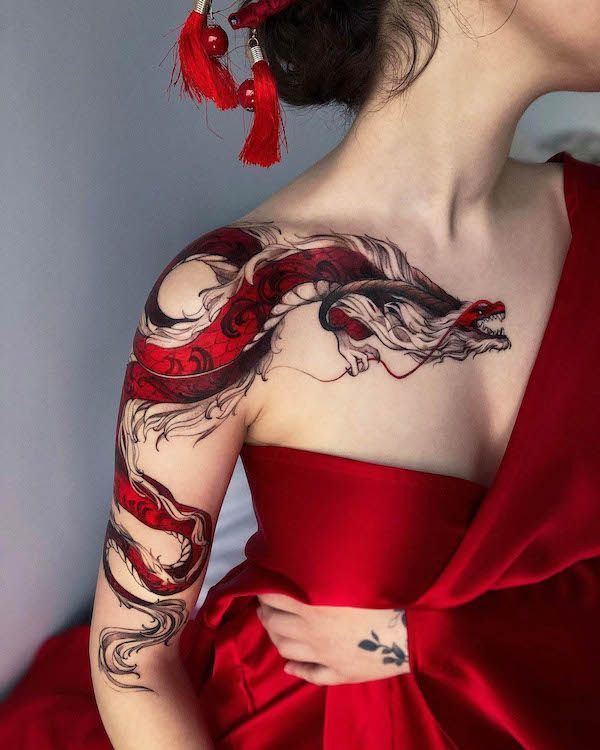
Few tattoo styles command as much respect and admiration as Japanese tattooing – known in Japan as Irezumi (入れ墨) or Horimono (彫り物). With roots stretching back centuries, Japanese tattoos represent one of the most sophisticated and culturally rich tattooing traditions in the world. From fierce dragons coiling around arms to delicate cherry blossoms drifting across shoulders, this style combines breathtaking artistry with profound symbolism.
In Australia, Japanese tattooing has evolved from underground subculture to mainstream appreciation, with collectors traveling interstate to find authentic practitioners of this ancient art. Whether you're considering your first Japanese piece or planning a full bodysuit, this comprehensive guide covers everything you need to know: cultural history and significance, traditional symbolism and design rules, how to approach this style respectfully, pricing expectations ($200-$500+ per hour), and how to find skilled Japanese tattoo artists across Australia.
What is Japanese Tattoo Style (Irezumi)?
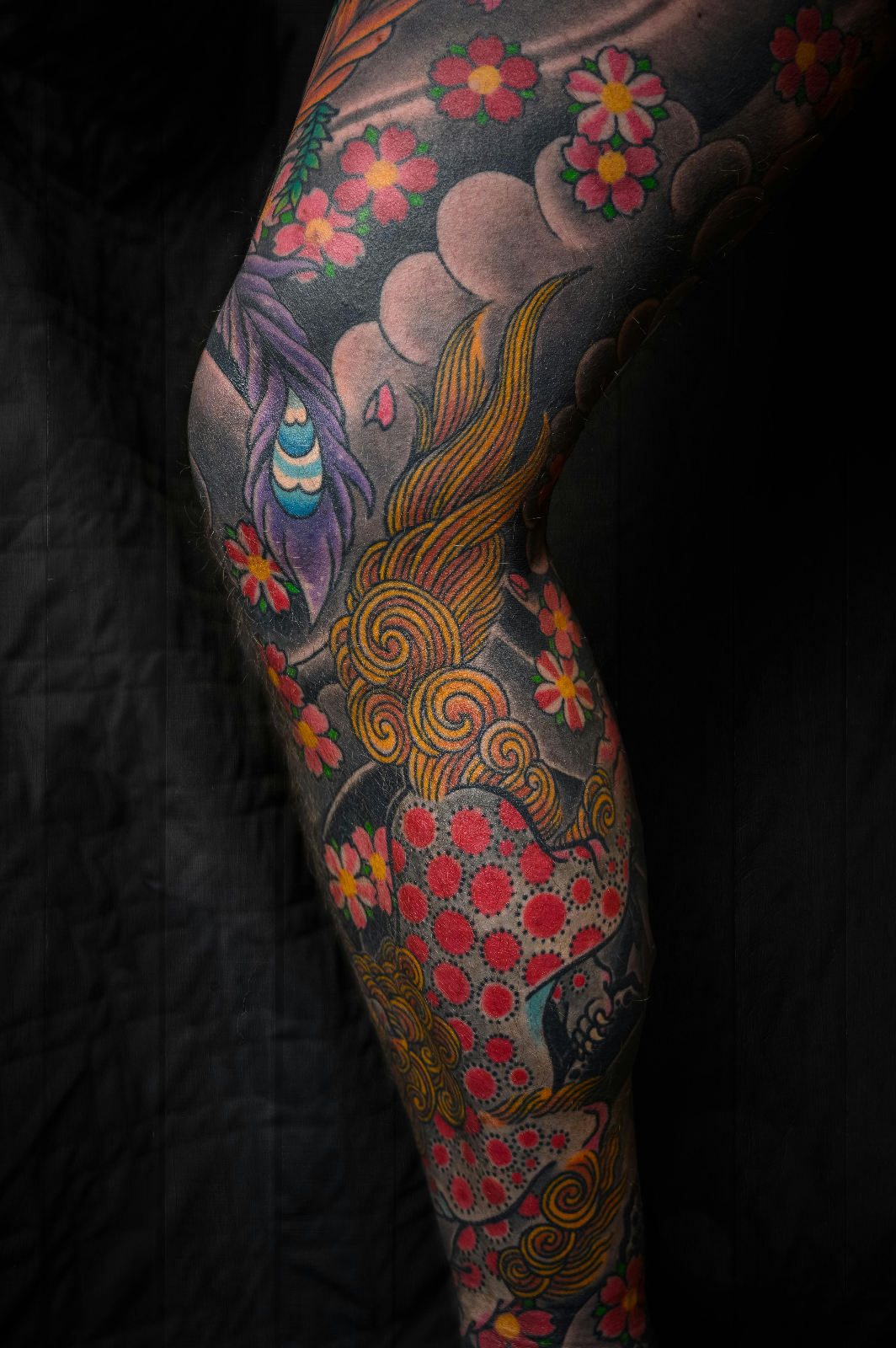
Japanese tattooing is characterized by its large-scale compositions, rich symbolism, and adherence to traditional design rules that have evolved over hundreds of years. Unlike Western styles that often treat tattoos as individual pieces, Japanese tattoos are conceived as cohesive bodysuits or panels that flow with the body''s natural contours.
Defining Characteristics:
Large-Scale Compositions: Sleeves, back pieces, bodysuits designed as unified artworks
Bold, Flowing Lines: Dynamic movement that follows muscle and bone structure
Rich Colour Palette: Deep blacks, vibrant reds, blues, greens, and purples
Background Elements: Water, wind, clouds, waves – all with specific patterns (波/nami waves, 雲/kumo clouds)
Symbolic Imagery: Dragons, koi fish, phoenixes, tigers, demons, deities, flowers
Negative Space: Strategic use of bare skin as design element
Storytelling: Many pieces reference Japanese folklore, mythology, or historical tales
Traditional Japanese tattoos follow the principle of gaman (我慢) – endurance and patience – as they typically require dozens of sessions over months or years to complete.
The History & Cultural Significance of Irezumi
Japanese tattooing has a complex, often contradictory history that every respectful collector should understand.
Historical Timeline:
Jomon Period (10,000 BCE): Evidence of tattoos in ancient Japan, possibly spiritual or decorative
Edo Period (1603-1868): Golden age of Irezumi – influenced by woodblock prints (ukiyo-e), tattoos became elaborate art form
Meiji Era (1868): Government banned tattoos to appear "civilized" to Western nations
Post-WWII: Tattoos associated with yakuza (organized crime), deepening stigma
1948-Present: Tattooing technically legal but culturally complex in Japan
2000s-Today: Global appreciation grows while stigma persists in Japan (bans in public baths, pools)
Cultural Complexity:
It''s crucial to understand that in Japan, tattoos still carry stigma. Many onsen (hot springs), sento (public baths), gyms, and beaches prohibit tattooed individuals due to associations with yakuza. However, globally – including in Australia – Japanese tattoos are celebrated as high art.
Cultural Respect Note: Getting a Japanese tattoo outside Japan is perfectly acceptable, but approach the imagery with respect. Research the symbolism, work with knowledgeable artists, and avoid appropriating sacred or deeply cultural symbols without understanding their meaning.
Japanese Tattoo Symbolism & Traditional Motifs
Every element in a Japanese tattoo carries specific meaning. Understanding these symbols helps create coherent, meaningful designs.
Mythical Creatures:
Creature | Symbolism | Design Notes |
|---|---|---|
龍 (Ryū) - Dragon | Wisdom, strength, protection, good fortune | Typically coiling upward, often with water/clouds |
鯉 (Koi) - Koi Fish | Perseverance, transformation, courage | Swimming upstream = overcoming adversity |
鳳凰 (Hō-ō) - Phoenix | Rebirth, triumph, fire, passion | Often paired with dragon (yin-yang) |
虎 (Tora) - Tiger | Courage, protection, warrior spirit | Frequently paired with bamboo or wind |
蛇 (Hebi) - Snake | Regeneration, protection, wisdom | Symbol of divine feminine power |
Spiritual & Mythological Figures:
鬼 (Oni) - Demons: Protectors against bad luck, enforcers of justice (not necessarily evil)
天狗 (Tengu) - Mountain Goblins: Protectors of mountains and forests, martial arts masters
不動明王 (Fudō Myō-ō): Buddhist deity of wisdom and protection
観音 (Kannon) - Goddess of Mercy: Compassion, protection, healing
閻魔 (Enma) - King of Hell: Judge of souls, justice
Flowers & Natural Elements:
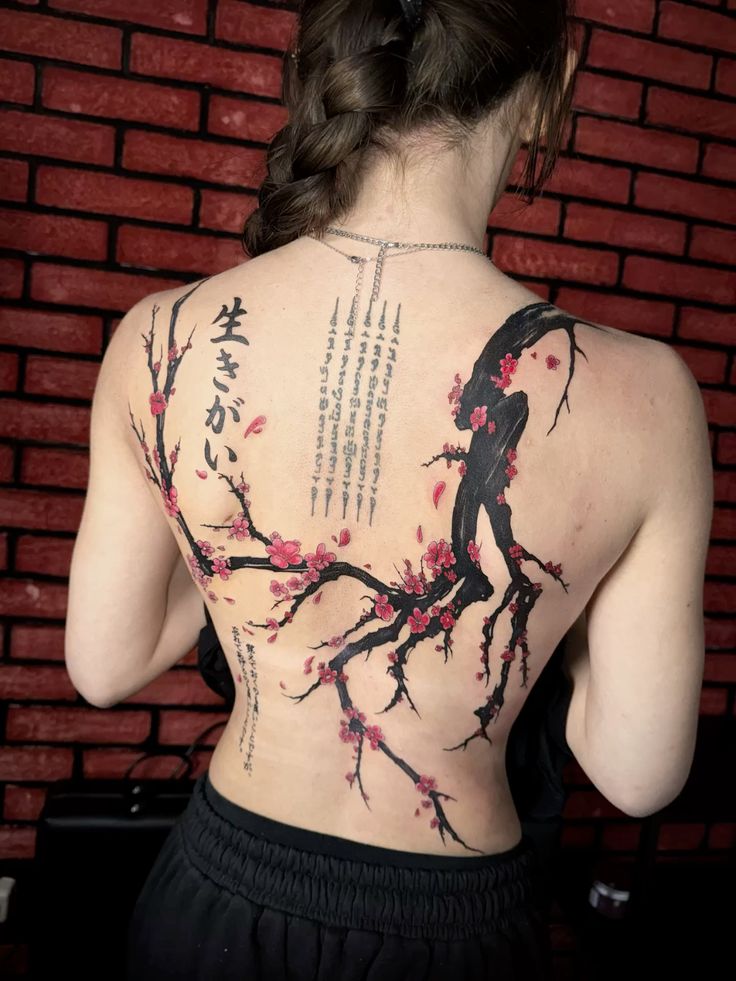
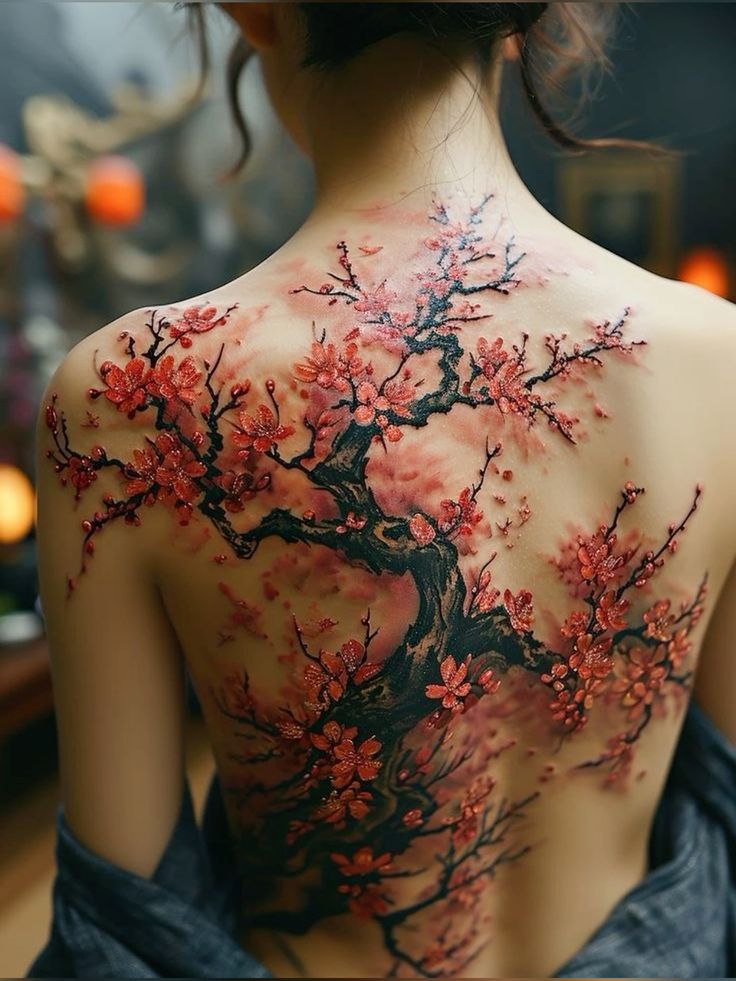
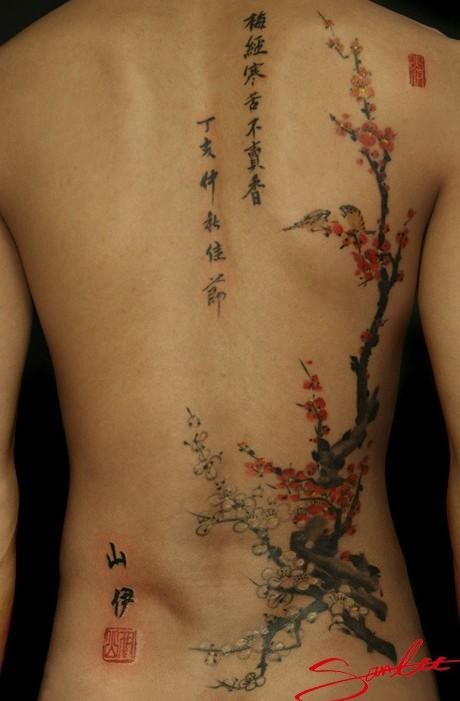
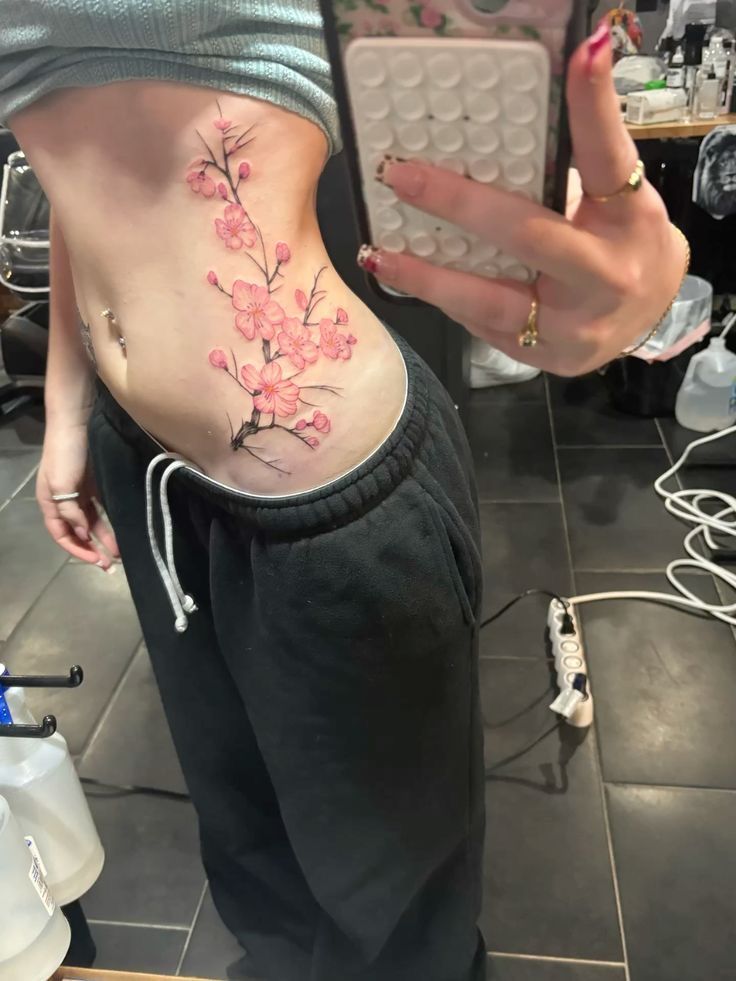
桜 (Sakura) - Cherry Blossoms: Life''s beauty and brevity, mono no aware (transience)
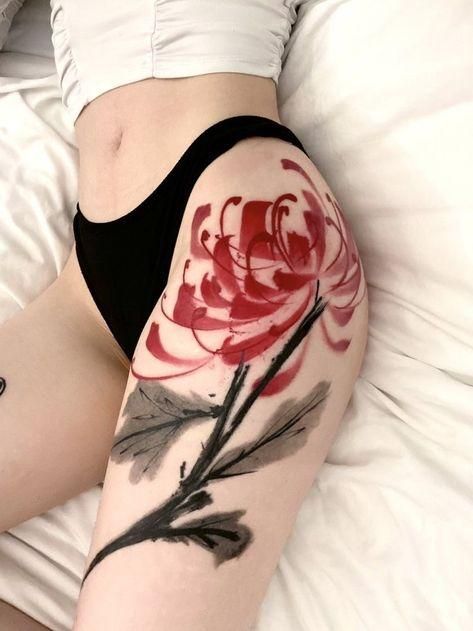
菊 (Kiku) - Chrysanthemum: Imperial symbol, longevity, nobility
牡丹 (Botan) - Peony: Wealth, good fortune, bravery (''king of flowers'')
蓮 (Hasu) - Lotus: Purity, enlightenment, spiritual awakening
楓 (Kaede) - Maple: Passage of time, seasons, beauty in change
Background Elements & Their Meanings:
波 (Nami) - Waves: Life''s challenges, strength, movement (specific patterns exist)
雲 (Kumo) - Clouds: Transition, the heavens, divine realm
風 (Kaze) - Wind Bars: Power, movement, unseen forces
岩 (Iwa) - Rocks: Stability, endurance, obstacles overcome
Traditional Japanese Tattoo Placement & Design Rules
Authentic Japanese tattoos follow specific placement principles developed over centuries:
Traditional Bodysuit Sections:
袖 (Sode) - Sleeves: Full sleeve (長袖/nagasode) or 3/4 sleeve (七分/shichibu)
胴 (Dō) - Torso: Front and back panels
腹巻 (Haramaki) - Stomach Panel: Wraps around midsection
股引 (Momohiki) - Leg Panels: Full leg sleeves
Hikae (Chest Panel): One-sided chest to shoulder piece
背中 (Senaka) - Back Piece: Central focal point of bodysuit
Design Principles:
River (Nagare): The "flow" of the design – how movement carries across panels
Negative Space (Ma): Intentional bare skin creating balance
Foreground & Background: Main subject vs. background elements (waves, clouds) work in harmony
Stopping Points: Traditional designs stop before wrists/ankles and leave gaps at joints
Symmetry vs. Asymmetry: Balance doesn''t mean identical – often deliberate asymmetry creates visual interest
Japanese Tattoo Pricing in Australia
Japanese tattoos represent a significant investment due to their size, complexity, and the specialized skill required. In Australia, pricing varies based on artist experience and project scope.
Hourly Rates (2025):
Apprentice/Junior Artists: $120-$180/hour
Mid-Level Specialists: $200-$300/hour
Master Japanese Tattooers: $300-$500+/hour
International Guest Artists: $500-$800+/hour (rare opportunities)
Project-Based Estimates:
Project | Estimated Hours | Price Range |
|---|---|---|
Small Japanese Piece (koi, small dragon) | 2-4 hours | $400-$1,200 |
Half Sleeve | 10-15 hours | $2,000-$4,500 |
Full Sleeve | 20-30 hours | $4,000-$9,000 |
Back Piece | 30-50 hours | $6,000-$15,000 |
Full Bodysuit | 100-200+ hours | $20,000-$60,000+ |
Factors Affecting Price:
Artist Lineage: Tattooers trained by traditional masters or in Japan command premium rates
Colour vs. Black & Grey: Full colour Japanese work costs more due to layering and session count
Custom Design Work: Original compositions cost more than flash or standard designs
Session Length: Many Japanese tattooers prefer 4-6 hour sessions for quality work
Location: Sydney and Melbourne artists typically charge 15-25% more than regional areas
Investment Note: Japanese tattoos are marathons, not sprints. Budget not just for total cost but for regular sessions over months or years. Many collectors book monthly sessions and plan accordingly.
Finding Authentic Japanese Tattoo Artists in Australia
Not all tattoo artists can execute authentic Japanese work. This style demands specific technical skills, cultural knowledge, and often years of dedicated study.
What to Look For:
Style Specialization: Artists who focus primarily on Japanese tattooing
Training & Lineage: Ideally trained by established Japanese tattoo artists or in traditional methods
Portfolio Consistency: Multiple large-scale Japanese pieces showing understanding of composition
Cultural Knowledge: Artist can discuss symbolism, placement rules, and design principles
Technical Skill: Smooth gradients, bold line work, proper background execution
Respect for Tradition: Follows traditional conventions while allowing modern interpretation
Red Flags to Avoid:
Artists who mix incompatible symbols without understanding meaning
Inability to explain design choices or symbolism
Portfolio showing only small Japanese pieces (may lack large-scale composition skill)
Dismissive attitude toward traditional placement and rules
Overly fast timelines (quality Japanese work takes time)
Major Japanese Tattoo Hubs in Australia:
Sydney: Established Japanese tattoo community in Newtown, Redfern, and inner west
Melbourne: Strong Japanese tattoo scene in Fitzroy, Collingwood, and CBD
Brisbane: Growing Japanese specialist community in Fortitude Valley
Gold Coast: Several respected Japanese tattooers serving SE Queensland
Perth: Smaller but dedicated Japanese tattoo community
Use TattooNearMe to filter artists by Japanese style, view full portfolios, and read reviews from collectors with large-scale Japanese work.
Approaching Japanese Tattoos Respectfully
As a non-Japanese person getting Japanese tattoos, cultural respect is paramount:
Best Practices:
Research Thoroughly: Understand the symbols you''re getting and their cultural context
Work with Knowledgeable Artists: Choose tattooers who respect and study the tradition
Avoid Sacred/Religious Imagery Without Understanding: Some deities and symbols carry deep religious significance
Respect the Aesthetics: If getting Japanese work, commit to the style – mixing incompatible elements shows disrespect
Understand You''re Participating in a Living Tradition: This isn''t costume or trend – it''s art form with centuries of history
Acknowledge the Complexity: Be aware that tattoos carry stigma in Japan itself while you celebrate them elsewhere
Cultural Appreciation vs. Appropriation:
Getting Japanese tattoos outside Japan is cultural appreciation when done respectfully: working with skilled artists, understanding symbolism, honoring the tradition. It becomes appropriation when: treating symbols as meaningless decoration, disrespecting cultural context, or claiming false connection to Japanese culture.
The Japanese Tattoo Process
1. Consultation & Design (1-4 weeks):
Discuss imagery, placement, size
Artist creates custom design (often hand-drawn)
Review and refine composition
Deposit typically required to secure booking
2. Outline Session (4-8 hours):
Establishing all major lines and composition
Often the longest single session
Sets foundation for entire piece
3. Background Work (multiple sessions):
Water, wind, clouds, rocks installed
Creates depth and movement
2-6 sessions depending on coverage
4. Subject Detail & Color (multiple sessions):
Main imagery colored and detailed
Scales, feathers, facial features refined
Often requires multiple passes for depth
5. Final Details & Touch-Ups (1-2 sessions):
Highlights, shadows, finishing touches
Ensuring even saturation
Final review and adjustments
Caring for Japanese Tattoos
Large-scale Japanese work requires diligent aftercare during the long completion process:
Between Sessions:
Allow 4-6 weeks minimum between sessions for complete healing
Protect from sun exposure (Australia''s harsh UV is enemy #1)
Keep moisturized with fragrance-free lotion
Avoid excessive sweating or swimming during active healing
Long-Term Preservation:
Daily SPF 50+: Non-negotiable in Australian climate
Regular Moisturizing: Maintains colour vibrancy
Periodic Touch-Ups: Expected every 5-10 years for optimal appearance
Gentle Exfoliation: Removes dead skin, keeps colours bright
Frequently Asked Questions
Can non-Japanese people get Japanese tattoos?
Yes, absolutely – when approached respectfully. Work with knowledgeable artists, understand the symbolism, and honor the cultural tradition.
Do I need to get a full bodysuit?
No – while traditional Irezumi refers to bodysuits, modern Japanese tattooing includes sleeves, back pieces, and even smaller panels. Choose what fits your commitment level.
How long does a full sleeve take?
Typically 20-30 hours of actual tattooing, spread across 6-12 sessions over 6-12 months (allowing healing time between sessions).
Is it cultural appropriation?
Not when done respectfully. Problems arise from treating sacred symbols carelessly, not from appreciating Japanese tattoo art. Work with educated artists and research your imagery.
Can I mix Japanese with other styles?
Technically yes, but proceed carefully. Japanese tattoos work best as cohesive compositions. Mixing with drastically different styles (like realism or geometric) often looks disjointed. Consult your artist.
Do Japanese tattoos hurt more?
Pain depends on placement, not style. However, Japanese work often involves heavy black shading and multiple passes, which can feel more intense than single-pass work.
Ready to Begin Your Japanese Tattoo Journey?
Japanese tattooing represents one of the most rewarding commitments a collector can make – combining breathtaking artistry, profound symbolism, and connection to centuries of tradition. Whether you''re planning a small koi piece or embarking on a multi-year bodysuit project, choosing the right artist and approaching the style with respect ensures a meaningful, beautiful result.
Explore Australia''s finest Japanese tattoo specialists on TattooNearMe. Filter by style, view detailed portfolios, read collector reviews, and book consultations with artists who honor this magnificent tradition.
Explore More
Find Tattoo Shops
Browse by Style
Stay Updated with the Latest Insights!
Get the latest news and updates delivered to your inbox.
Related Articles
Finger Tattoos Australia 2026: Complete Guide to Designs, Fading and Cost
Finger tattoo guide for Australia in 2026. Designs, pain, fading truths, healing tips, ring tattoos and price bands. What to book and what to skip.
Read More
Tattoo Insurance Australia 2026: Coverage, Costs and What Clients Should Ask
Public liability, product liability and blood-borne cover for Australian tattoo studios in 2026. Costs, exclusions and what clients should ask before booking.
Read More
Gen Z Tattoo Trends Australia 2026: Micro Ink, Fine Line and TikTok Influence
Gen Z tattoo trends in Australia for 2026: micro ink, fine line, matching sets, angel numbers and hidden placements. Prices, aesthetics and the TikTok effect.
Read More