Realism Tattoo Guide Australia: Photo-Realistic Art & Pricing 2025
Realism Tattoo Guide: When Art Meets Skin
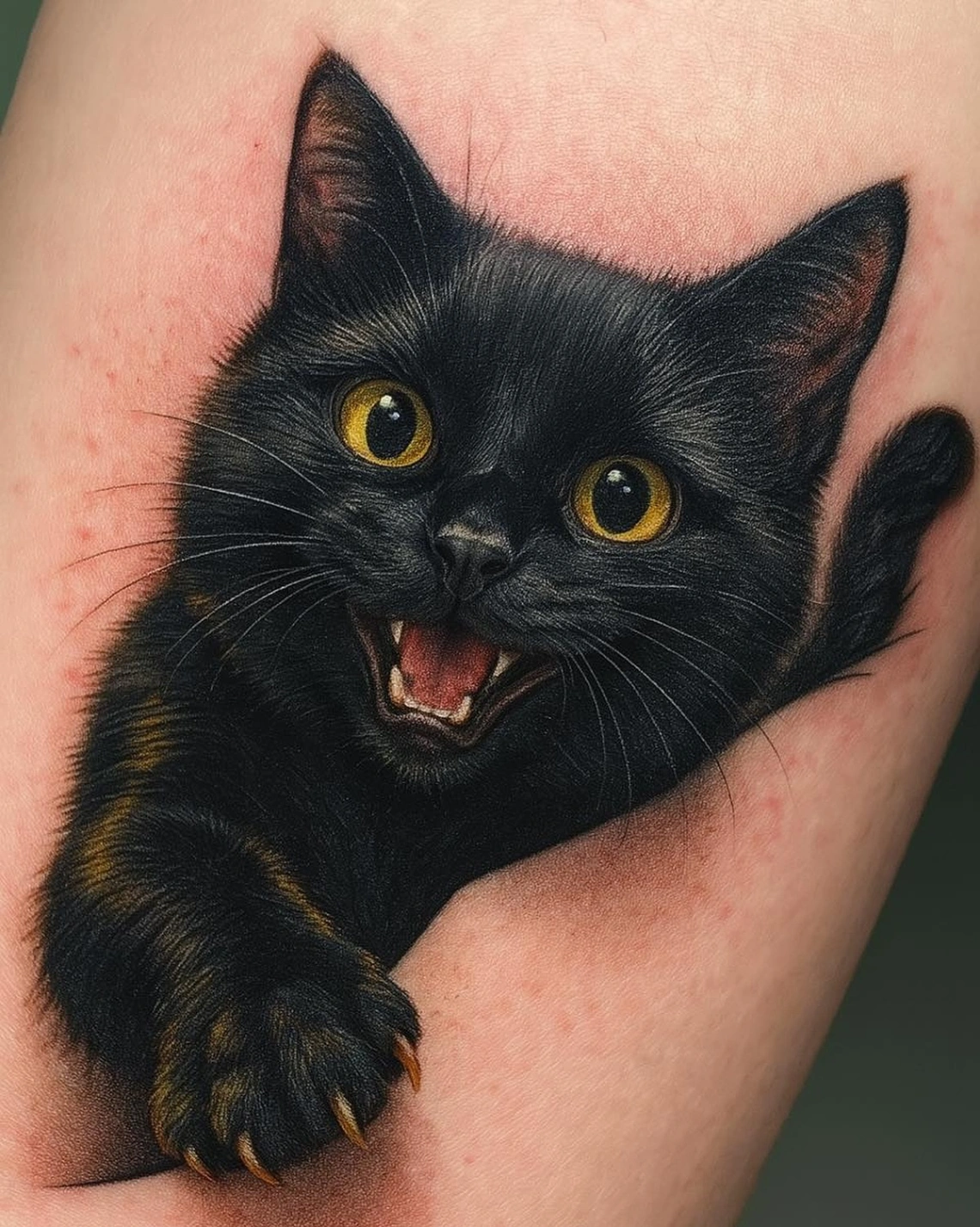
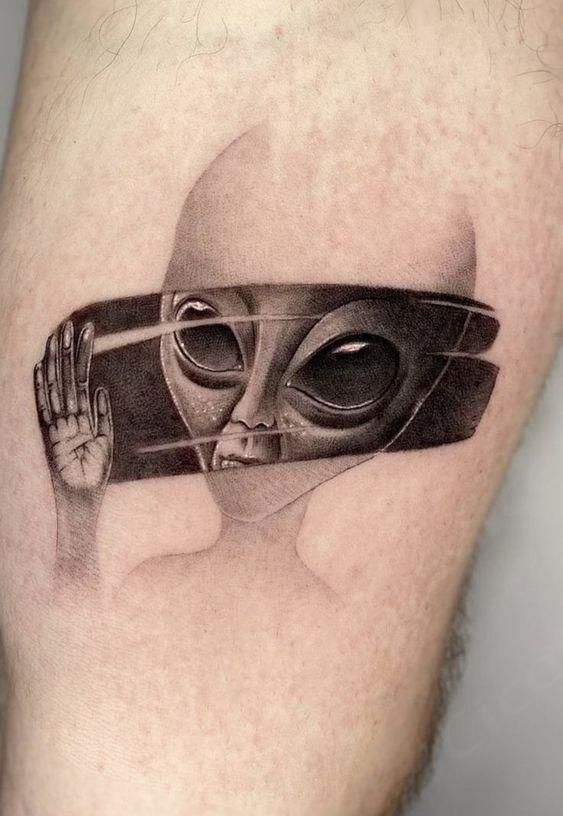
Imagine looking at a tattoo and questioning whether it's actually ink or a high-resolution photograph transferred onto skin. That's the magic of realism tattooing – a style that transforms the human body into a canvas for breathtaking photographic art. From lifelike portraits of loved ones to hyperrealistic depictions of animals, nature scenes, and iconic imagery, realism tattoos represent the pinnacle of technical tattooing skill.
In Australia, realism has exploded in popularity over the past decade, with collectors seeking artists who can capture every detail: the glint in an eye, the texture of fur, the delicate gradation of light and shadow. Whether you're considering a memorial portrait, a wildlife piece, or an abstract realistic composition, this comprehensive guide covers everything you need to know: what defines realism tattooing, the difference between black & grey and colour realism, how to choose the right artist, realistic pricing expectations ($250-$600+ per hour), and essential care tips to preserve photographic detail for life.
What is Realism Tattoo Style?
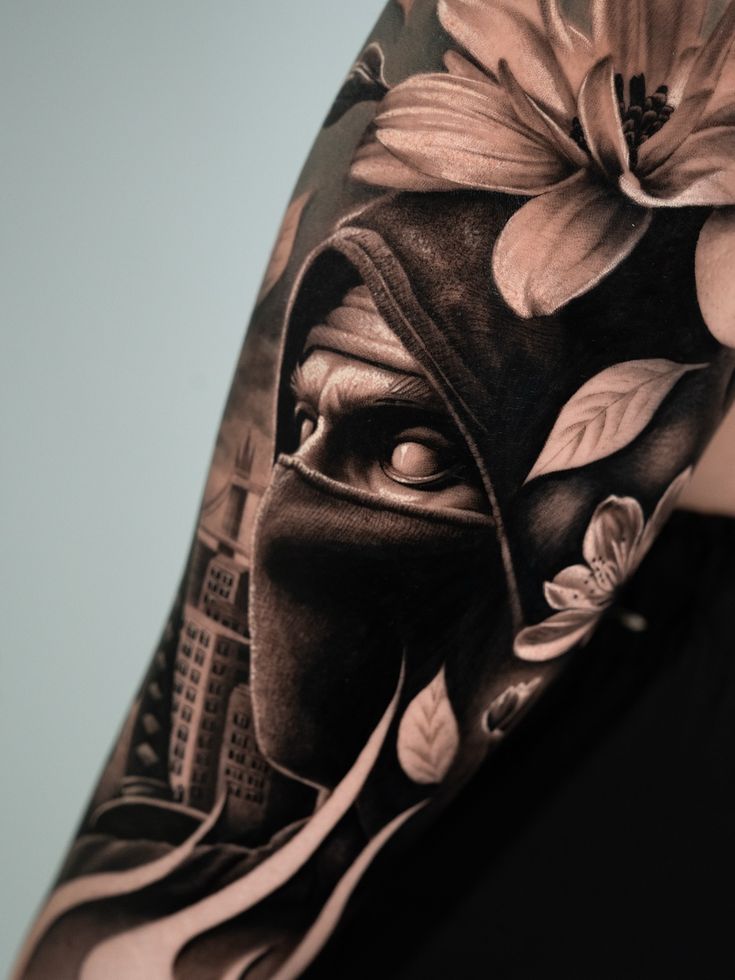
Realism tattooing aims to replicate photographic accuracy on skin, creating pieces so lifelike they appear three-dimensional. Unlike traditional or illustrative styles that embrace artistic interpretation, realism demands technical precision, masterful shading, and an almost obsessive attention to detail.
Defining Characteristics:
Photographic Accuracy: Designs replicate reference images with extreme fidelity
Smooth Gradients: Seamless transitions between light and dark tones
Depth & Dimension: Three-dimensional appearance through expert shading
Fine Detail Work: Capturing individual hairs, pores, reflections, textures
Proper Contrast: Strategic use of blacks, whites, and mid-tones for visual impact
Anatomical Accuracy: Correct proportions and perspective
Light Source Consistency: Shadows and highlights follow realistic lighting rules
Realism tattoos typically fall into two main categories: Black & Grey Realism and Colour Realism, each with distinct techniques and aesthetic qualities.
Black & Grey vs Colour Realism
Black & Grey Realism:
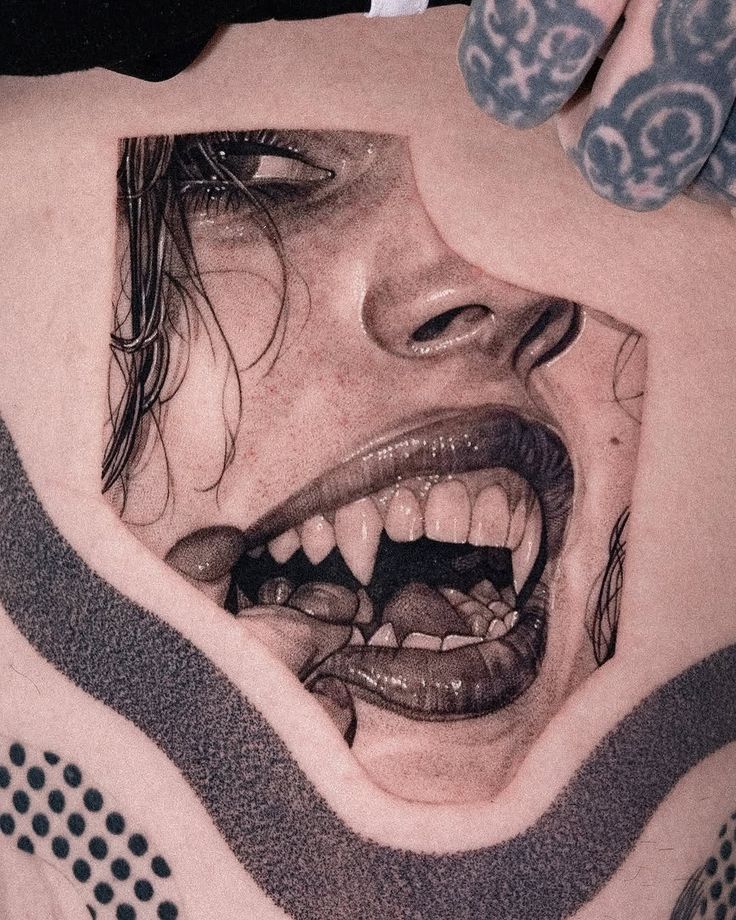
Using only black ink diluted to various shades of grey, black & grey realism creates stunning monochromatic images reminiscent of black and white photography.
Advantages:
Timeless Aesthetic: Ages beautifully as there's no colour fading
Versatile: Works for portraits, wildlife, architecture, and abstract concepts
Faster Healing: Typically requires fewer sessions than colour work
Classic Appeal: Sophisticated, elegant appearance
Less Painful: Generally fewer passes required than colour saturation
Best For:
Portraits, memorial pieces, wildlife, religious imagery, architecture, vintage photography reproductions
Price Range:
$200-$400 per hour depending on artist experience
Colour Realism:
Incorporating full colour spectrum to achieve photographic accuracy, colour realism brings vibrant life-like imagery to skin.
Advantages:
Vivid Detail: Captures the full spectrum of real-life imagery
Emotional Impact: Colour adds warmth, energy, and emotional depth
Versatility: Perfect for nature, flowers, pop culture, surrealism
Dynamic Range: Greater ability to show material differences (fabric vs skin vs metal)
Disadvantages:
Fading: Colours fade faster than black & grey (especially reds and pastels)
Higher Cost: More time-intensive, requires multiple colour passes
Sun Sensitivity: Requires diligent sun protection (crucial in Australia)
Touch-Ups: May need refreshing every 5-10 years
Best For:
Flowers, wildlife (especially birds and ocean life), pop culture portraits, surreal compositions, nature scenes
Price Range:
$250-$600+ per hour for experienced colour realism specialists
Aspect | Black & Grey | Colour Realism |
|---|---|---|
Longevity | Excellent (minimal fading) | Good (requires maintenance) |
Session Count | 1-3 sessions typical | 2-5+ sessions common |
Pain Level | Moderate | Higher (multiple colour passes) |
Cost | $200-$400/hr | $250-$600+/hr |
Sun Protection | Important | Critical |
Popular Realism Tattoo Subjects
1. Portrait Tattoos
The most technically demanding realism category – capturing a person's likeness, expression, and essence.
Memorial Portraits: Honoring lost loved ones (most common request)
Family Members: Children, parents, grandparents
Celebrities & Icons: Musicians, actors, historical figures
Self-Portraits: Less common but powerful statement pieces
What Makes Great Portrait Tattoos:
High-quality reference photo (high resolution, good lighting, clear facial features)
Accurate skin tone rendering (for colour) or tonal range (black & grey)
Capturing the "spark" – the life and personality in the eyes
Proper proportions and symmetry
Strategic placement (flatter areas work better than curved)
Pricing:
Portrait tattoos typically cost $500-$2,000+ depending on size and complexity. A palm-sized portrait might be $800-$1,200, while a large shoulder/chest piece could be $1,500-$3,000+.
2. Wildlife & Animal Realism
From fierce predators to beloved pets, animal realism captures texture, expression, and movement.
Pets (Memorial or Tribute): Dogs, cats, horses
Wildlife: Wolves, lions, tigers, bears, elephants
Birds: Eagles, owls, ravens, parrots
Marine Life: Sharks, whales, octopuses
Insects: Butterflies, moths, beetles
Key Challenges:
Fur and feather texture (thousands of individual details)
Eye catchlights (bringing life to the subject)
Anatomical accuracy
Movement and energy capture
3. Nature & Floral Realism
Botanical realism has surged in popularity, particularly among collectors seeking organic, flowing pieces.
Roses, peonies, lotus flowers, cherry blossoms
Sunflowers, wildflower bouquets
Trees, forests, landscapes
Clouds, sunsets, water droplets
4. Objects & Still Life
Everyday objects rendered in photographic detail for symbolic or aesthetic purposes.
Watches, compasses, vintage cameras
Musical instruments
Skulls, anatomical hearts
Vehicles (classic cars, motorcycles)
Architecture, cityscapes
5. Surrealism & Abstract Realism
Blending photorealistic elements with fantastical or impossible compositions.
Morphing imagery (half-human, half-animal)
Impossible architecture (M.C. Escher-inspired)
Dreamscapes and fantasy scenes
Double exposure effects
Realism Tattoo Pricing in Australia (2025)
Realism tattoos command premium pricing due to the exceptional skill, time, and artistic talent required.
Hourly Rates by Experience Level:
Developing Realism Artists: $150-$220/hour
Building portfolio, solid fundamentals
May take longer per piece
Good option for budget-conscious collectors
Established Realism Specialists: $250-$400/hour
5+ years realism experience
Consistent high-quality work
Strong portfolio across multiple subjects
Master Realism Artists: $400-$600+/hour
Award-winning, internationally recognized
Waiting lists of 6-18 months
Featured in major tattoo publications
Celebrity/Elite Artists: $600-$1,000+/hour
Social media following 100k+
International guest spots
Extremely limited availability
Project-Based Pricing Examples:
Project Type | Size | Hours | Price Range |
|---|---|---|---|
Small B&G Portrait | Credit card size | 2-3 hours | $500-$900 |
Medium Pet Portrait | Palm-sized | 4-6 hours | $1,000-$2,400 |
Large Colour Portrait | Larger than hand | 8-12 hours | $2,000-$4,800 |
Floral Half-Sleeve | Shoulder to elbow | 12-18 hours | $3,000-$7,200 |
Realistic Back Piece | Full back | 30-50 hours | $7,500-$25,000+ |
Factors Affecting Cost:
Reference Photo Quality: Poor reference images require artist interpretation (more time)
Level of Detail: Hair-by-hair rendering vs. softer rendering
Colour Complexity: Full colour requires multiple layering sessions
Placement: Curved or difficult areas take longer
Size: Larger pieces allow more detail but require proportionally more time
Artist Demand: Popular artists charge premium rates
Location: Sydney/Melbourne artists typically 20-30% higher than regional
Budget Tip: Realism tattoos are investments. Don't compromise on artist quality to save money – a poorly executed realistic tattoo is nearly impossible to fix. Save longer and get it done right the first time.
How to Choose the Right Realism Tattoo Artist
Realism demands the highest level of technical skill. Choosing the wrong artist can result in amateur-looking work that ages poorly.
Essential Criteria:
1. Portfolio Assessment:
Consistency: Look for multiple examples of high-quality realism across different subjects
Healed Photos: Fresh tattoos always look better – demand healed work photos
Detail Quality: Zoom in on eyes, textures, gradients – these reveal true skill
Range: Can they handle different subjects or only one specialty?
Contrast: Proper blacks, clean whites, smooth mid-tones
2. Technical Skill Indicators:
Smooth Gradients: No banding, harsh transitions, or muddy areas
Proper Proportions: Especially critical for portraits
Depth: Three-dimensional appearance, not flat
Light Source Consistency: Shadows and highlights make logical sense
Skin Tone Accuracy: (For colour portraits) Natural, believable skin rendering
3. Red Flags to Avoid:
Portfolio shows only fresh tattoos, no healed work
Inconsistent quality between pieces
Flat, lifeless eyes in portraits
Muddy or overworked shading
Poor proportions or anatomical errors
Limited portfolio (under 20 realism pieces)
Defensive when asked about healed work
Questions to Ask During Consultation:
"Can I see healed examples of similar work?"
"How many sessions will this require?"
"Do you have experience with this specific subject?"
"Can you improve my reference photo or do I need a better one?"
"What's your approach to ensuring longevity of detail?"
"Do you offer free minor touch-ups?"
Preparing for Your Realism Tattoo
Choosing the Perfect Reference Photo:
High Resolution: Minimum 1500x1500 pixels, ideally larger
Good Lighting: Clear, even lighting showing detail
Sharp Focus: No motion blur or soft focus
Proper Angle: Avoid extreme angles or distortion
Emotional Connection: For portraits, choose photos that capture personality
Consider Final Size: You can't fit a full-body photo into a 3-inch tattoo
Placement Considerations:
Flatter is Better: Outer forearms, shoulders, thighs, calves work best
Avoid Extreme Curves: Ribs, sides of torso can distort the image
Size Appropriately: Tiny realism loses detail – aim for at least credit-card size minimum
Future-Proof: Consider aging, weight fluctuations, skin elasticity
Caring for Realism Tattoos
Protecting your photorealistic tattoo requires diligent aftercare and long-term maintenance.
Initial Healing (2-4 weeks):
Follow artist's aftercare instructions precisely
Keep clean and moisturized (fragrance-free lotion)
Absolutely NO sun exposure during healing
No swimming, soaking, or excessive sweating
Do not pick scabs or peeling skin
Long-Term Preservation:
Daily SPF 50+: Non-negotiable for colour realism, critical for black & grey
Moisturize Daily: Keeps skin supple, prevents premature fading
Stay Hydrated: Healthy skin holds ink better
Avoid Tanning: UV is the #1 enemy of realism detail
Touch-Ups: Plan for minor touch-ups every 7-10 years (colour may need 5-7 years)
Australia-Specific Considerations:
Australia's intense UV radiation poses particular challenges for realism tattoos:
Apply SPF even on cloudy days
Cover tattoos at the beach or wear rashguards
Reapply sunscreen every 2 hours when outdoors
Consider placement that's easier to protect (upper arm vs forearm)
Frequently Asked Questions
Do realism tattoos hurt more than other styles?
Pain depends on placement, not style. However, realism often requires longer sessions with extensive shading, which can feel more intense over time. Colour realism typically requires multiple passes, increasing discomfort.
How long do realism tattoos take?
Highly variable – a small black & grey piece might be 2-3 hours, while a large colour portrait could be 15-20 hours across multiple sessions. Your artist will provide estimates during consultation.
Do realism tattoos age well?
Black & grey realism ages very well if protected from sun. Colour realism fades faster and may require touch-ups every 5-10 years. Proper aftercare dramatically improves longevity.
Can any artist do realism?
Absolutely not. Realism requires specific technical skills that many otherwise talented artists don't possess. Always choose a dedicated realism specialist.
What if my reference photo isn't perfect?
Skilled artists can work with imperfect references, but quality directly affects results. Consider professional photo restoration services for important memorial pieces before tattooing.
How small can a realism tattoo be?
Minimum size for true photorealism is roughly credit-card size (8-9cm). Anything smaller loses critical detail and won't read as realistic. Micro-realism exists but requires exceptional skill.
Ready for Your Realism Masterpiece?
Realism tattooing transforms skin into living art galleries – capturing memories, emotions, and beauty with photographic precision. Whether you're memorializing a loved one, celebrating your beloved pet, or simply appreciating the artistry of hyperrealistic imagery, choosing the right artist makes all the difference.
Discover Australia's finest realism tattoo specialists on TattooNearMe. Filter by style, explore detailed portfolios, read verified reviews, and book consultations with artists who'll bring your vision to life with breathtaking accuracy.
Explore More
Find Tattoo Shops
Browse by Style
Stay Updated with the Latest Insights!
Get the latest news and updates delivered to your inbox.
Related Articles
Finger Tattoos Australia 2026: Complete Guide to Designs, Fading and Cost
Finger tattoo guide for Australia in 2026. Designs, pain, fading truths, healing tips, ring tattoos and price bands. What to book and what to skip.
Read More
Tattoo Insurance Australia 2026: Coverage, Costs and What Clients Should Ask
Public liability, product liability and blood-borne cover for Australian tattoo studios in 2026. Costs, exclusions and what clients should ask before booking.
Read More
Gen Z Tattoo Trends Australia 2026: Micro Ink, Fine Line and TikTok Influence
Gen Z tattoo trends in Australia for 2026: micro ink, fine line, matching sets, angel numbers and hidden placements. Prices, aesthetics and the TikTok effect.
Read More