Tattoo Age Restrictions Australia 2026: State-by-State Laws
"Can my 16-year-old get a tattoo with my permission?" It is one of the most common questions Australian parents send to studios, and the answer depends entirely on which state or territory you live in. Unlike most other public-health rules, Australian tattoo age restrictions are not uniform across the country.
This guide walks through the law in every state and territory for 2026, the one notable exception (Western Australia), the penalties studios face for breaking the rules, the developmental reasons behind the 18+ standard, and what teens and parents can do legally before turning eighteen.
Key Takeaways
- Standard rule: Seven of eight Australian states and territories require age 18+ with no exceptions, even with parental consent
- WA exception: Western Australia is the only jurisdiction allowing 16 to 17 year olds, and only with both parental consent and a doctor's medical certificate
- Studio penalties: Fines up to $19,826 in Victoria, jail up to 12 months, and permanent licence loss
- Why 18: Skin elasticity, immune response, and impulse-control development all argue against tattooing minors
- Regret data: 78% of people tattooed before 18 regret at least one piece by 25, vs 23% for those who waited
- Fake IDs do not work: Studios use UV scans, barcode lookups, and keep ID copies for health-department audits
- Legal alternatives under 18: Henna, Jagua gel, professional temporary tattoos, and design-research time
Quick Answer: Tattoo Age Limits by State and Territory
| State / Territory | Minimum Age | Parental Consent Allowed? | Law / Regulation |
|---|---|---|---|
| New South Wales (NSW) | 18 years | No exceptions | Summary Offences Act 1988 |
| Victoria (VIC) | 18 years | No exceptions | Public Health and Wellbeing Regulations 2019 |
| Queensland (QLD) | 18 years | No exceptions | Public Health Act 2005 |
| Western Australia (WA) | 16 years | Yes, with parent and doctor approval | Health (Skin Penetration Procedure) Regulations 1998 |
| South Australia (SA) | 18 years | No exceptions | Summary Offences Act 1953 |
| Tasmania (TAS) | 18 years | No exceptions | Public Health Act 1997 |
| Northern Territory (NT) | 18 years | No exceptions | Summary Offences Act 1923 |
| Australian Capital Territory (ACT) | 18 years | No exceptions | Public Health Act 1997 |
Critical takeaway: seven of eight jurisdictions enforce a strict 18+ minimum, even with parental consent. Only Western Australia opens a narrow door for 16 to 17 year olds, and only with documented medical and parental approval.
Western Australia: The Only Exception
Western Australia is unique in allowing minors aged 16 to 17 to receive tattoos. The requirements are deliberately strict, designed to slow impulsive decisions and protect young people from poorly considered permanent body modification.
WA Requirements for 16 to 17 Year Olds
All three of the following must be met before a WA studio can legally tattoo a minor.
- Parental consent. A parent or legal guardian must accompany the minor to the appointment and sign a written consent form.
- Medical certificate. A doctor must assess the minor and certify that the procedure is not detrimental to their physical or mental health.
- Licensed premises. The tattoo must be performed at premises registered with the WA Department of Health.
What the Medical Certificate Involves
- GP assessment before the tattoo appointment
- Skin and health evaluation: skin condition, allergies, current medications, immune function
- Mental-health screening: does the minor understand permanence and consequences
- Written certificate signed by the doctor stating the procedure will not harm the minor's wellbeing
- Validity: typically 30 days from issue, so the studio knows the assessment is recent
When a Doctor Will Refuse to Issue the Certificate
- Active acne, eczema, or other skin condition in the proposed tattoo area
- Medications that affect healing, such as isotretinoin (Accutane)
- Any sign of coercion or pressure from a parent or peer group
- Highly visible placement (face, neck, hands) likely to limit future employment
- The minor expresses uncertainty or does not appear to grasp permanence
Additional Costs for WA Minors
| Expense | Typical Cost (AUD) |
|---|---|
| GP consultation | $80-$150 (bulk billing may not apply) |
| Medical certificate fee | $50-$100 |
| Tattoo deposit | $50-$200 |
| Tattoo session | Varies by size and complexity |
| Total pre-tattoo costs | $180-$450 before the tattoo itself |
Penalties for Artists Who Tattoo Minors Illegally
The penalties for tattooing a minor are severe across every state and territory, and they apply even if the parent gave verbal "permission".
| State | Maximum Fine (AUD) | Jail Time | Licence Consequences |
|---|---|---|---|
| NSW | $11,000 | Up to 6 months | Immediate suspension or revocation |
| VIC | $19,826 | Up to 12 months | Permanent registration ban possible |
| QLD | $13,345 | Up to 6 months | Licence cancellation |
| WA | $10,000 | None (fine only) | Suspension first offence, revocation on repeat |
| SA | $15,000 | Up to 12 months | Immediate licence cancellation |
| TAS / NT / ACT | $8,000-$12,000 | Up to 6 months | Licence revocation likely |
Other Consequences for the Artist
- Criminal record. A conviction shows up on police checks and affects future employment.
- Insurance cancellation. Professional liability insurance is typically cancelled immediately.
- Civil liability. A parent can sue for damages if the minor regrets the tattoo or develops complications.
- Reputation damage. Convictions are publicly listed, which is devastating in a referral-driven industry.
- Industry blacklist. Professional tattoo associations remove convicted artists from their member registers.
How Authorities Actually Enforce These Rules
- Random inspections. Health departments turn up unannounced and inspect client ID records.
- Parent complaints. Parents who later discover an illegal tattoo report to police, even if they originally agreed.
- Social media evidence. Public Instagram posts of underage clients have been used to prosecute artists.
- School and medical reports. Teachers and emergency-room staff are required to report concerns.
Why Age Restrictions Exist
The 18+ rule is not arbitrary. It is based on developmental biology, decision-making research, and decades of regret data.
| Factor | Why It Matters for Tattoos | Age Fully Developed |
|---|---|---|
| Skin elasticity | Adolescent skin is still growing; tattoos can distort or blur as the body matures | Roughly 18-20 years |
| Immune system | Adolescent immune response is more variable, raising infection risk | Roughly 18-21 years |
| Prefrontal cortex | The brain region governing impulse control and long-term thinking | Roughly 25 years |
| Risk assessment | Teens consistently underestimate the long-term consequences of permanent body modification | Roughly 22-25 years |
| Identity formation | Personal style and identity preferences keep evolving rapidly through the late teens | Stabilises around 20-25 |
Research published in the Journal of Adolescent Health (2023) found that 78% of people who got tattooed before 18 regretted at least one of their tattoos by age 25, compared with only 23% for those who waited until adulthood.
Tattoo Regret by Age of First Tattoo
An Australian study of 5,000 tattooed adults (2024) found a clear pattern.
- First tattoo at 14-15: 89% regret at least one piece, most seek removal
- First tattoo at 16-17: 72% regret (common drivers: quality, placement, design choice)
- First tattoo at 18-20: 41% regret (mostly minor: size, colour, single small piece)
- First tattoo at 21-25: 23% regret
- First tattoo at 26+: 14% regret
Age restrictions dramatically reduce lifetime regret rates and the cost of expensive removal procedures later. For more on what removal entails, see our cover-up guide and consider the cost in our tattoo price guide.
For Parents: What If My Teen Wants a Tattoo
Constructive approaches
- Acknowledge the desire. Tattoos are mainstream now. Dismissing the conversation usually pushes teens toward unlicensed artists.
- Propose a waiting period. "If you still want this design on your 18th birthday, we will pay for it" is a common deal that converts impulse into commitment.
- Start a design journal. Have your teen collect ideas for one or two years and watch how preferences evolve.
- Explore temporary options. Henna, Jagua gel, body paint, or professional temporary tattoos for events.
- Discuss placement strategically. If they wait until 18, talk about career-safe placement (areas easily covered by clothing).
- Set savings goals. If the teen saves for the project for 12+ months, that itself demonstrates commitment.
- Visit reputable studios together. Tour licensed studios and let professional artists explain how taste evolves.
What not to do
- Do not take them interstate to WA. The medical certificate, parental consent, and licensed studio rules still apply, and the developmental reasoning remains.
- Do not use unlicensed artists. Anyone willing to break age law also tends to break hygiene law. Infection risk is high.
- Do not forge documents. Fake IDs or forged consent forms expose both parent and artist to criminal charges.
- Do not tattoo them yourself, even if you are licensed. Tattooing your own minor child is illegal in every state.
- Do not go overseas. Studios in some destinations will tattoo minors, but hygiene standards vary widely and tattoo-tourism infections are common.
Legal exposure for parents. While the laws primarily target the studio, parents who facilitate illegal tattooing can face charges for contributing to the delinquency of a minor, conspiracy if forged documents are used, or negligent parenting if complications occur.
For Teens: Legal Alternatives While You Wait
Body art does not require permanent ink. The options below are legal under 18 across every Australian state, and several let you test designs before you commit.
| Option | Duration | Cost (AUD) | Why It Works |
|---|---|---|---|
| Henna (mehndi) | 1-3 weeks | $20-$80 | Natural plant dye, intricate designs, fully legal for minors |
| Professional temporary tattoos | 3-7 days | $5-$30 | Test placement and design before committing, waterproof, realistic |
| Jagua gel (plant-based) | 1-2 weeks | $30-$100 | Blue-black stain that looks close to real ink, plant-based, safe |
| Body paint or airbrush | 1-3 days | $40-$150 | Full colour, ideal for festivals or events, full creative freedom |
| Inkbox (semi-permanent) | 1-2 weeks | $25-$60 | DIY at home, realistic look, safe for minors |
Use the Wait Productively
- Research artists. Follow 10 to 20 local artists on Instagram, study their portfolios, and save the work that resonates.
- Refine the design. Keep a design folder. If you still love it two years later, that is a strong signal.
- Save up. Quality first tattoos run $150 to $500. Twenty dollars a week for a year covers most pieces.
- Learn aftercare. Read our tattoo aftercare guide so you are ready when the day comes.
- Plan placement carefully. Visible placement still affects employment in some industries.
- Browse style options. Explore fine line, minimalist, and traditional galleries to learn what resonates.
How Studios Verify Age
Reputable studios run multi-layer ID verification, partly because the legal exposure is too high to skip and partly because health-department audits depend on it.
- Government-issued photo ID required. Australian driver licence, passport, or 18+ Proof of Age card. Foreign passport with visa is also accepted.
- ID copied or scanned. Studios keep digital records for audit.
- Cross-reference check. The artist compares the ID photo with the client and checks the expiry date.
- Birth-date math. Some studios require 18 years and one day to remove all ambiguity.
- Consent form signature. The client signs a legal document confirming age under penalty of perjury.
Why Fake IDs Fail
- Real Australian IDs carry UV-light security features that fake versions lack
- Many studios scan the barcode, which fails to validate against database records on a fake
- Tattooists see hundreds of IDs per month and notice off details quickly
- If caught, both the minor and the artist face criminal charges
- Studios share fake-ID alerts informally; one attempt typically means a permanent ban from local studios
Frequently Asked Questions
Can I get a tattoo at 17 years and 11 months if I will be 18 soon?
No. You must be 18 on the day of the tattoo. Many studios require 18 years and one day to remove any ambiguity. Book your appointment for the day after your 18th birthday or later.
Are there exceptions for medical-alert tattoos (diabetes, blood type)?
No. The law makes no exception for medical tattoos. Medical alert bracelets and necklaces fulfil the same purpose legally and can be updated as a child grows.
Can my 16-year-old get a tattoo if we live in Victoria but travel to WA?
Technically yes, if you meet every WA requirement: parental consent, medical certificate from a WA-registered doctor, and a tattoo at a premises registered with WA Department of Health. The cost (flights, accommodation, medical appointment, tattoo) plus the developmental reasons for waiting make this a poor option in practice.
I got an illegal tattoo as a minor. What happens to the artist?
If the tattoo is reported or discovered, the artist faces criminal charges. Even if you lied about your age, the artist is legally required to verify ID and is held responsible. The minor typically does not face charges.
Are there exceptions for cultural or Indigenous tattoos?
No legal exceptions. While traditional Indigenous tattooing has deep cultural significance, Australian state laws apply uniformly. Cultural tattoos must wait until 18 (or 16 in WA with full requirements met).
Can I get tattooed overseas where age limits are lower, then return to Australia?
It is technically legal, but medically risky. Hygiene standards vary widely, you have no legal recourse for complications, Australian doctors may decline to treat tattoo-tourism infections, and travel insurance typically does not cover elective procedures.
Bottom Line
Age restrictions exist to protect young people from decisions they will statistically regret. Use the waiting period to refine the design, save money, research artists, and ensure your first tattoo is something you will love for life, not a piece you spend thousands removing in your twenties. The 18th birthday will come. When it does, you will be ready to make an informed and meaningful choice.
Legal disclaimer: this article provides general legal information only. Tattoo age-restriction laws are subject to change and enforcement varies by jurisdiction. Always confirm current regulations with your state or territory health department before making decisions. State health-department resources: NSW Health (health.nsw.gov.au), VIC Health (health.vic.gov.au), QLD Health (health.qld.gov.au), WA Health (health.wa.gov.au).
When you turn 18, browse our fine line and minimalist galleries for first-tattoo inspiration, then find a licensed studio in Sydney, Melbourne, Brisbane, Perth, or Adelaide.
Explore More
Find Tattoo Shops
Browse by Style
Stay Updated with the Latest Insights!
Get the latest news and updates delivered to your inbox.
Related Articles
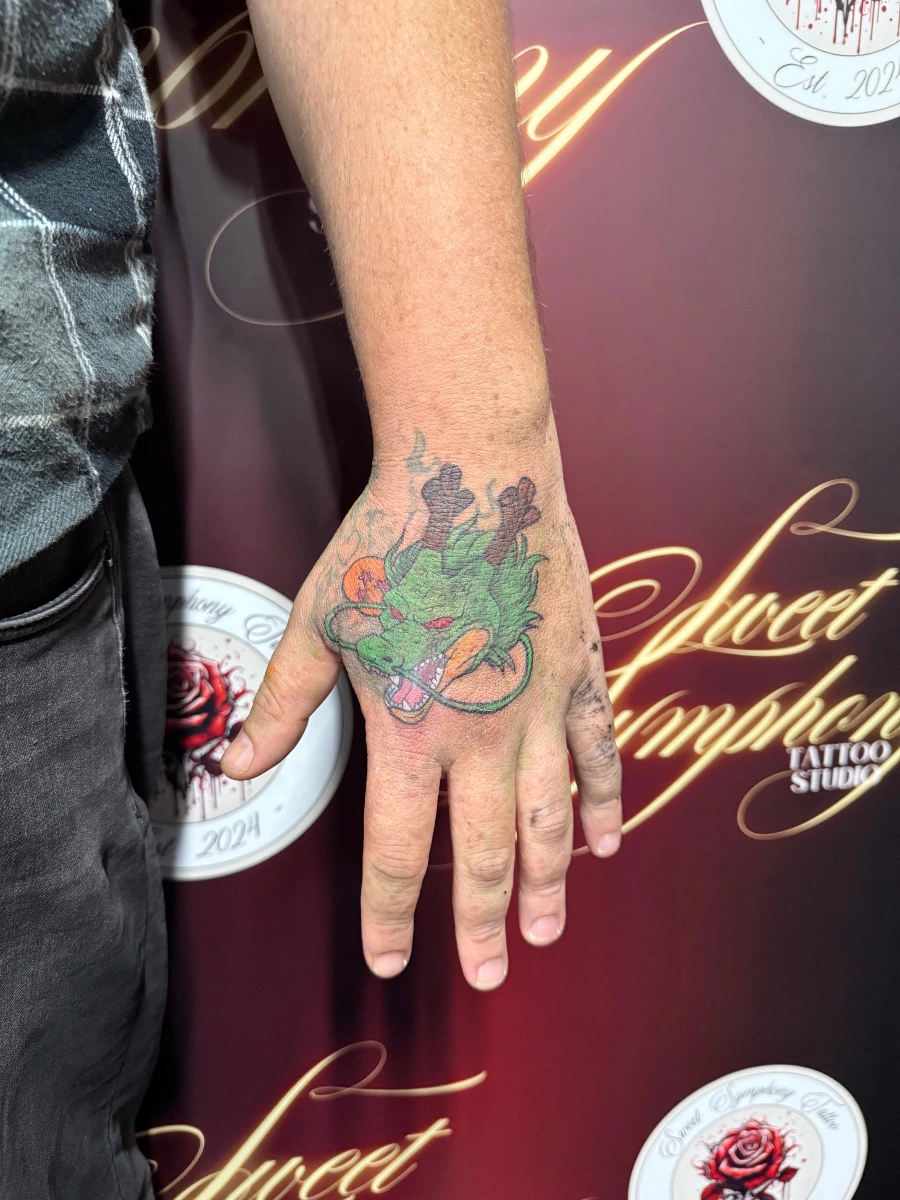
Finger Tattoos Australia 2026: Complete Guide to Designs, Fading and Cost
Finger tattoo guide for Australia in 2026. Designs, pain, fading truths, healing tips, ring tattoos and price bands. What to book and what to skip.
Read More
Tattoo Insurance Australia 2026: Coverage, Costs and What Clients Should Ask
Public liability, product liability and blood-borne cover for Australian tattoo studios in 2026. Costs, exclusions and what clients should ask before booking.
Read More
Gen Z Tattoo Trends Australia 2026: Micro Ink, Fine Line and TikTok Influence
Gen Z tattoo trends in Australia for 2026: micro ink, fine line, matching sets, angel numbers and hidden placements. Prices, aesthetics and the TikTok effect.
Read More