Tattoo Pain Chart 2026: Body Map & Pain Levels by Placement
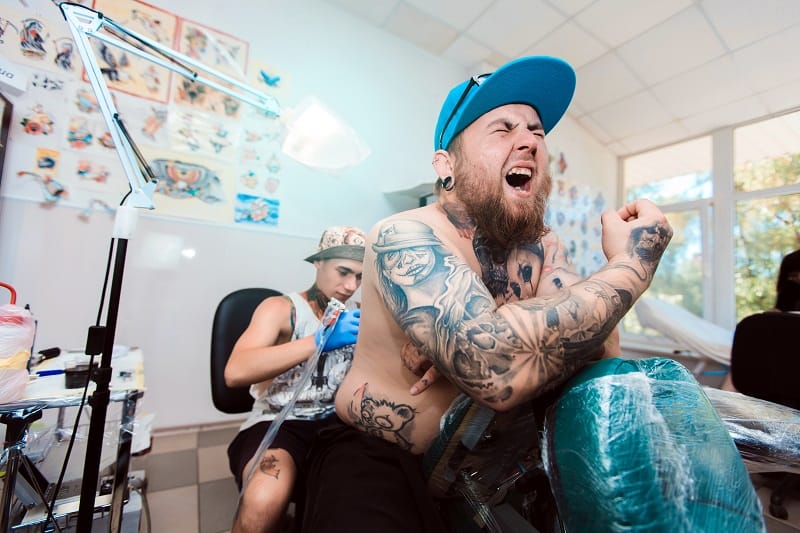
Tattoo Pain Guide: The Truth About Where It Hurts Most
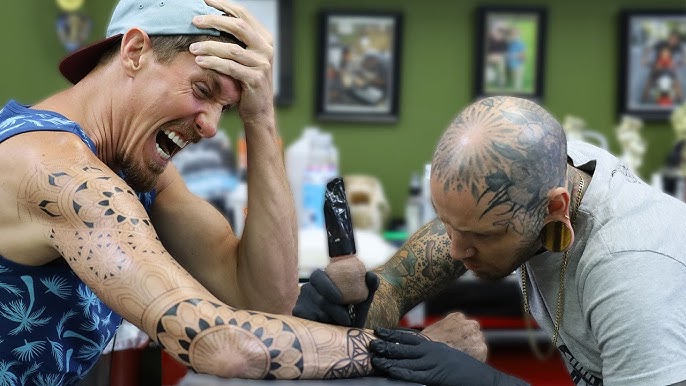
Let's address the elephant in the room: yes, tattoos hurt. Anyone who tells you otherwise is lying or has an extraordinarily high pain tolerance. But here's the good news: pain levels vary dramatically depending on placement, and understanding exactly where you'll feel the most (and least) discomfort helps you make informed decisions and mentally prepare for your session.
Not all tattoo pain is created equal. Getting inked on your outer forearm feels like mild scratching, while ribs or spine tattoos can be genuinely intense experiences that test your limits. This comprehensive guide breaks down exactly how much pain to expect for every body placement, what factors influence discomfort, science-backed pain management strategies, and real accounts from thousands of tattooed Australians about their experiences.
Understanding Tattoo Pain: The Science
Tattoo pain results from needles rapidly puncturing your skin 50-3,000 times per minute, triggering nerve endings throughout the process. The sensation varies based on several biological factors:
What Influences Pain Levels:
Nerve Density: More nerve endings = more pain signals to brain
Bone Proximity: Needles vibrating against bone intensify discomfort
Fat Cushioning: Fatty areas provide natural padding
Skin Thickness: Thicker skin dulls sensation slightly
Muscle Presence: Muscular areas hurt less than bony protrusions
Body Movement: Areas that flex/stretch create pulling sensations
How Tattoo Pain Feels:
People describe tattoo sensations differently, but common comparisons include:
Sharp scratching or cat scratches (most common)
Burning sensation
Vibrating or buzzing against bone
Stinging like sunburn being rubbed
Dull aching in muscular areas
Hot, intense pressure
💡 Important Context: Pain tolerance is highly individual. What one person rates 8/10 might be someone else's 4/10. Use this guide as general framework, not absolute truth. Your experience will be uniquely yours.
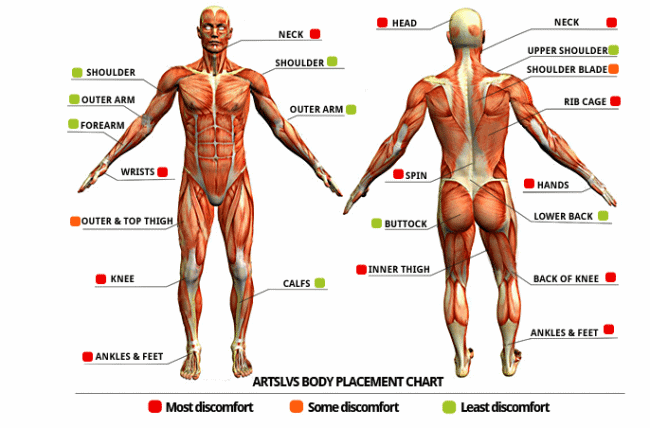
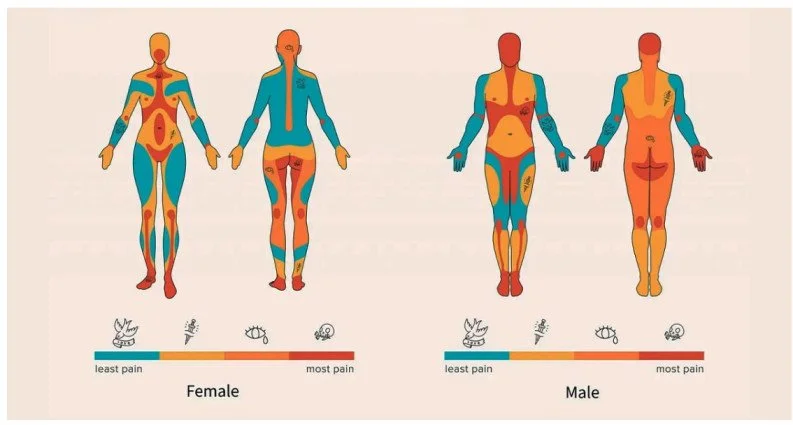
Complete Tattoo Pain Chart by Body Part
Body Part | Pain Level (1-10) | Why It Hurts | Session Duration |
|---|---|---|---|
Outer Forearm | 2-3/10 | Thick skin, muscle cushioning, few nerves | Tolerable for 3-4 hours |
Upper Arm/Shoulder | 3-4/10 | Meaty, muscular area with good padding | Comfortable for long sessions |
Outer Thigh | 3-4/10 | Thick muscle, fatty tissue | Easy for 3+ hours |
Calf | 4-5/10 | Muscular but thinner skin, some bone contact | Manageable 2-3 hours |
Back/Shoulder Blade | 4-5/10 | Varies - fleshy areas easier, spine proximity hurts | 2-4 hours depending on spot |
Chest (Men) | 5-6/10 | Sensitive skin, close to sternum (bone) | 2-3 hours max for most |
Inner Forearm | 5-6/10 | Thinner skin, visible veins, more sensitive | 2-3 hours |
Shin | 6-7/10 | Bone directly under thin skin, high vibration | Rough after 2 hours |
Ankle/Foot Top | 7/10 | Many small bones, thin skin, nerve-rich | 1-2 hours challenging |
Elbow/Knee | 7-8/10 | Major joint, thin skin over bone | Difficult, 1-2 hours max |
Ribs | 8/10 | Bone vibration, breathing movement, thin skin | Very challenging, breaks needed |
Armpit | 8-9/10 | Extremely sensitive skin, nerve-dense, ticklish | Brutal, short sessions only |
Spine | 9/10 | Direct bone contact, central nervous system | Intense, requires mental prep |
Nipples | 9/10 | Extreme nerve sensitivity | Very painful, quick work only |
Genitals/Intimate | 10/10 | Highest nerve density in body | Extremely painful (rare placement) |
Detailed Breakdown: Most & Least Painful Spots
✅ Least Painful Placements (2-4/10):
1. Outer Forearm: The #1 most popular first tattoo spot for good reason. Thick skin, meaty muscle cushioning, and minimal nerve endings make this one of the most comfortable areas. Pain feels like mild scratching.
2. Upper Arm/Shoulder Cap: Excellent padding from deltoid muscle. Most people describe this as "totally manageable" and can sit for 3-4 hour sessions without issue.
3. Outer Thigh: Women often find this less painful than men due to natural fat distribution. One of the best spots for large pieces requiring long sessions.
4. Calves (Outer): Muscular coverage provides good cushioning. Slightly more painful than forearms but still very tolerable.
5. Buttocks: Rarely tattooed but actually quite comfortable due to fatty tissue. Pain level surprisingly low.
❌ Most Painful Placements (7-10/10):
1. Ribs: Consistently rated as one of the worst spots. The combination of thin skin stretched over bone, plus the vibration traveling through your ribcage with each needle insertion, creates intense discomfort. Breathing causes movement that increases pain.
2. Spine: Direct contact with vertebrae creates sharp, shooting pain that radiates outward. Many artists recommend breaking spine tattoos into multiple short sessions.
3. Sternum (Center Chest): Bone proximity and sensitive skin make this genuinely painful. Men and women both rate this 7-8/10.
4. Armpits: Extremely sensitive skin, high nerve density, and ticklish sensations combine for a brutal experience. Only for those with high pain tolerance.
5. Hands/Fingers: Thin skin directly over bone, plus constant movement, make hands difficult. Fingers especially hurt due to concentrated nerve endings.
6. Feet/Toes: Similar to hands – many small bones, thin skin, high sensitivity. Walking during healing also complicates matters.
7. Behind Knees/Inner Elbows: Extremely sensitive crease areas. The skin's thinness and proximity to major nerves create sharp pain.
8. Nipples: Some of the most sensitive tissue on the body. Only recommended if you have a specific reason and high pain tolerance.
Factors That Influence Your Personal Pain Experience
Individual Variables:
Factor | Impact on Pain |
|---|---|
Body Fat % | Higher = more cushioning, lower pain (in fatty areas) |
Muscle Mass | More muscle = better padding over bone |
Age | Skin thins with age, slightly more sensitive after 50 |
Sex | Women generally have higher pain tolerance (studies show) |
Time of Day | Morning = better (rested), evening = more sensitive (fatigued) |
Hydration | Well-hydrated skin is more resilient, hurts less |
Sleep Quality | Poor sleep lowers pain tolerance significantly |
Menstrual Cycle | Week before/during period = more sensitive |
Stress Levels | High stress = lower pain threshold |
Previous Tattoos | Experience helps mental coping, but doesn't reduce physical pain |
Pain Management Strategies That Actually Work
Before Your Session:
Get 7-8 Hours Sleep: Fatigue dramatically lowers pain tolerance
Eat a Full Meal: Low blood sugar intensifies pain and causes fainting
Hydrate: Drink 2-3L water day before and morning of
Avoid Alcohol/Blood Thinners: 24 hours minimum (increases bleeding and pain)
Don't Take Painkillers: Most thin blood (aspirin, ibuprofen) – ask artist first
Wear Comfortable Clothes: Easy access to tattoo area, loose fit
Mental Prep: Watch videos of sessions, understand the sensation
During Your Session:
✅ DO:
Breathe deeply and rhythmically (4 counts in, 4 out)
Bring headphones and listen to music/podcasts
Bring sugary snacks and water
Take breaks when needed (no shame!)
Communicate with your artist if pain becomes unbearable
Use numbing cream IF artist approves (many don't recommend)
Fidget with stress ball or squeeze object
❌ DON'T:
Tense up (makes pain worse – try to relax muscles)
Hold your breath
Drink alcohol to "take the edge off" (thins blood, makes everything worse)
Take phone calls or constantly check phone (stay present)
Bring unsupportive friends who make you anxious
Push through if you feel faint (tell artist immediately)
Numbing Creams: Do They Work?
Pros:
Can reduce surface pain by 30-60% when used correctly
Help anxious clients get through sessions
Useful for extremely painful areas
Cons:
Some artists refuse to work with numbed skin (changes texture)
Wears off mid-session, pain returns suddenly
Can affect ink absorption in rare cases
Expensive ($30-60 per application)
Popular Options in Australia:
Dr. Numb (5% Lidocaine)
TKTX (Various strengths)
Hush Anesthetic
Always consult your artist before using numbing products.
⚠️ Warning: Never take aspirin, ibuprofen (Nurofen), or blood-thinning medications before tattoos. They increase bleeding significantly, which pushes ink out and ruins the tattoo. Paracetamol is okay if needed.
Real Pain Experiences: What People Say
"Outer forearm felt like light scratching. Totally manageable for 3 hours." – Sarah, Melbourne
Pain Rating: 2/10
"Ribs were brutal. Had to take 3 breaks in 90 minutes. Worth it though!" – Jake, Sydney
Pain Rating: 8/10
"Spine was the worst pain I've felt. Shooting sensations down my back. Couldn't do more than 45 minutes at a time." – Emma, Brisbane
Pain Rating: 9/10
"Calf was surprisingly easy. Expected worse based on online forums." – Michael, Perth
Pain Rating: 4/10
"Inner forearm started easy but got more painful after 2 hours. Mind over matter helped." – Lisa, Adelaide
Pain Rating: 5/10
Special Considerations
First Tattoo? Start Easy:
If this is your first tattoo, choose a low-pain area to build confidence:
✅ Outer forearm (most popular first spot)
✅ Upper arm/shoulder
✅ Outer thigh
✅ Calf
❌ Don't start with ribs, spine, feet, or hands – save challenging areas for when you understand your pain tolerance.
Large Pieces & Multiple Sessions:
Even easy areas become difficult after 4-5 hours as endorphins wear off and skin gets inflamed. Plan large pieces across multiple sessions for better results and less suffering.
When Pain Becomes Unbearable:
If you experience:
Tunnel vision or dizziness
Nausea or cold sweats
Shaking or inability to stay still
Extreme distress
Tell your artist immediately and take a break. There's zero shame in tapping out. Your health matters more than finishing in one session.
Conclusion: Pain Is Temporary, Ink Is Forever
Yes, tattoos hurt. But millions of people worldwide endure the discomfort for artwork they'll wear proudly for life. Understanding where you'll feel the most pain, preparing properly, and using smart coping strategies makes the experience manageable – even in challenging spots.
Remember:
Pain is temporary (session lasts hours, tattoo lasts decades)
Choose placement strategically if pain concerns you
Communicate openly with your artist
Prepare your body and mind
Take breaks without shame
The result is worth the temporary discomfort
🌟 Final Tip: If you're genuinely terrified of pain, start with a tiny tattoo (2-3cm) on your forearm. Experience the sensation for 20-30 minutes. If you handle it well, scale up. If it's too much, at least you have a small piece rather than an unfinished large tattoo.
Ready to choose your placement? Browse verified tattoo artists across Australia who specialize in different styles and can guide you on the best placement for your pain tolerance and design vision.
Explore More
Find Tattoo Shops
Browse by Style
Stay Updated with the Latest Insights!
Get the latest news and updates delivered to your inbox.
Related Articles
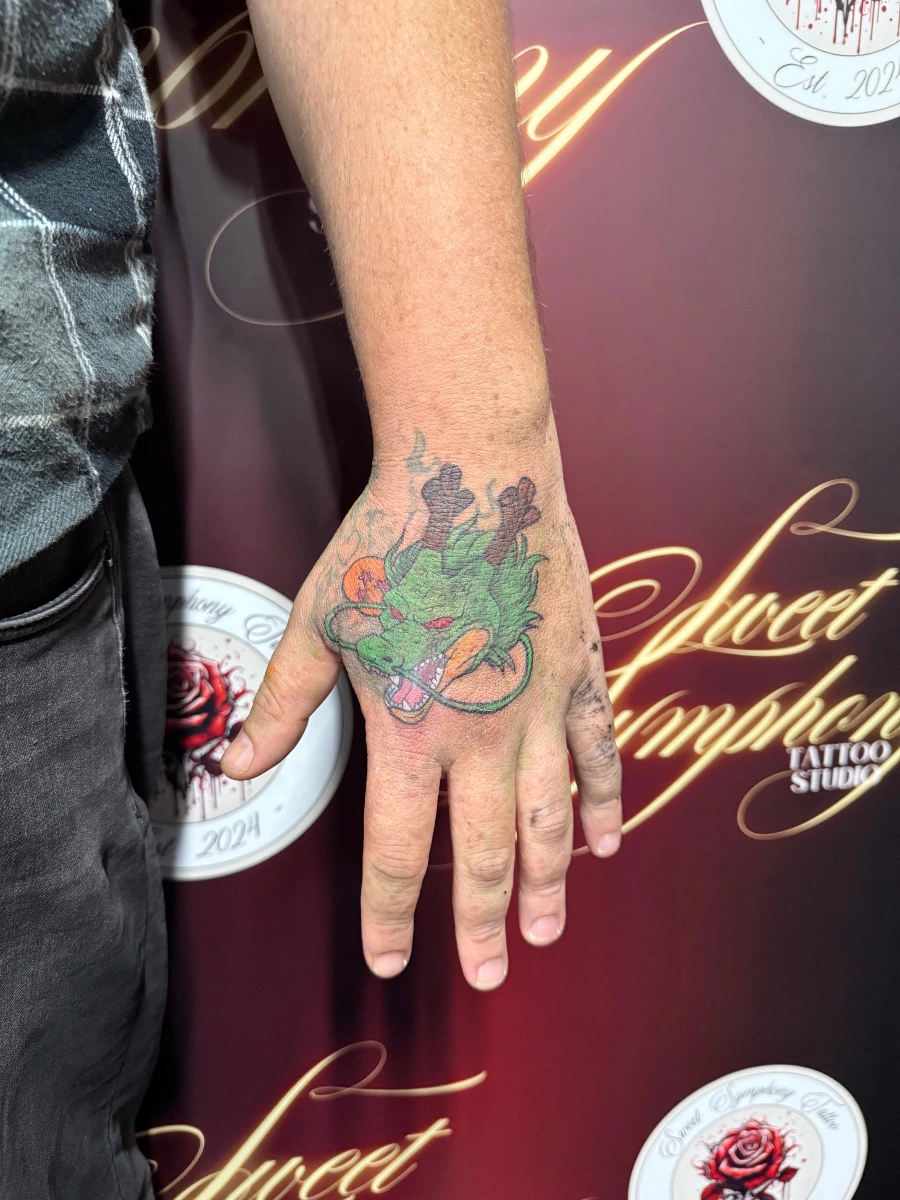
Finger Tattoos Australia 2026: Complete Guide to Designs, Fading and Cost
Finger tattoo guide for Australia in 2026. Designs, pain, fading truths, healing tips, ring tattoos and price bands. What to book and what to skip.
Read More
Tattoo Insurance Australia 2026: Coverage, Costs and What Clients Should Ask
Public liability, product liability and blood-borne cover for Australian tattoo studios in 2026. Costs, exclusions and what clients should ask before booking.
Read More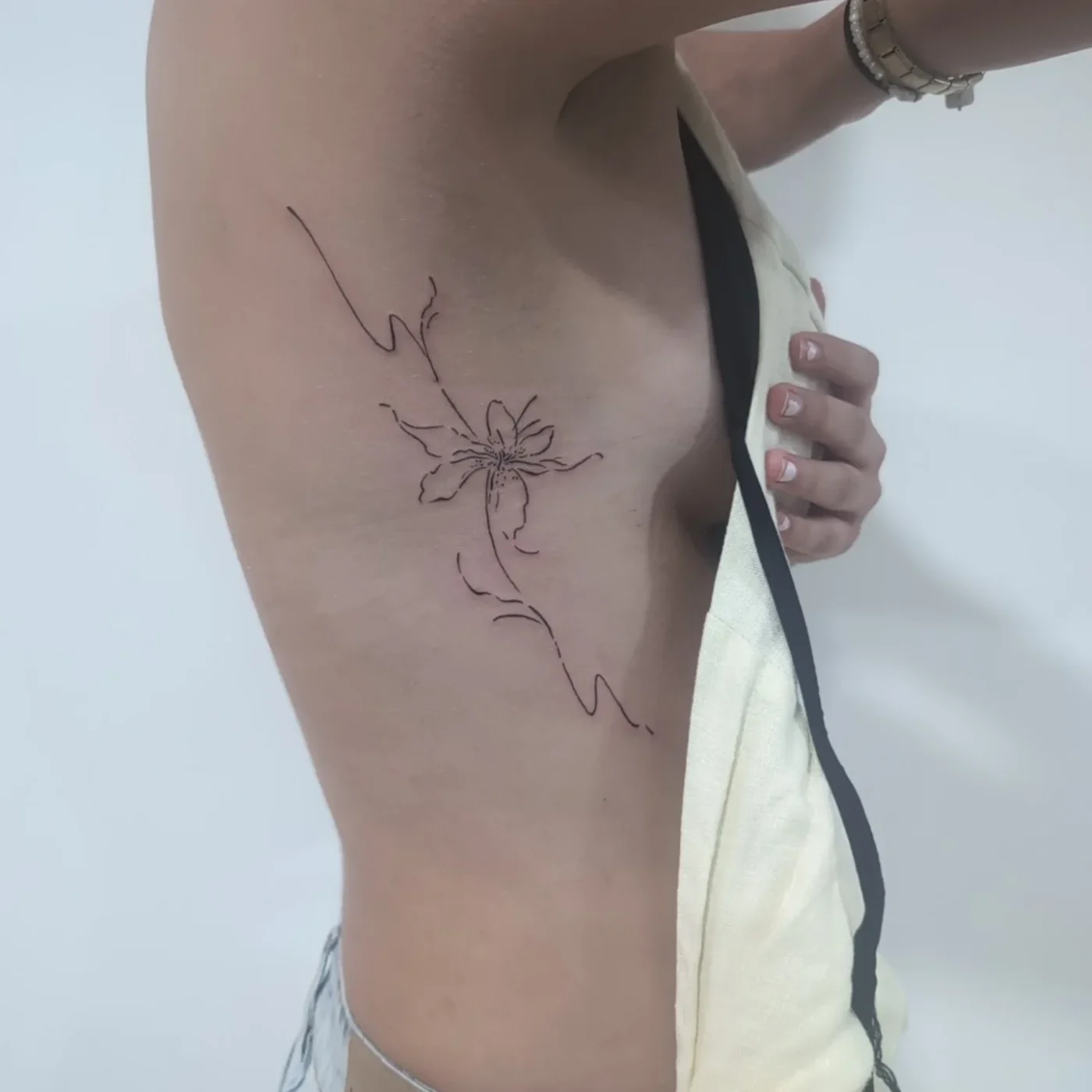
Gen Z Tattoo Trends Australia 2026: Micro Ink, Fine Line and TikTok Influence
Gen Z tattoo trends in Australia for 2026: micro ink, fine line, matching sets, angel numbers and hidden placements. Prices, aesthetics and the TikTok effect.
Read More