Tattoo Placement Guide 2026: Best Body Locations for Your Design
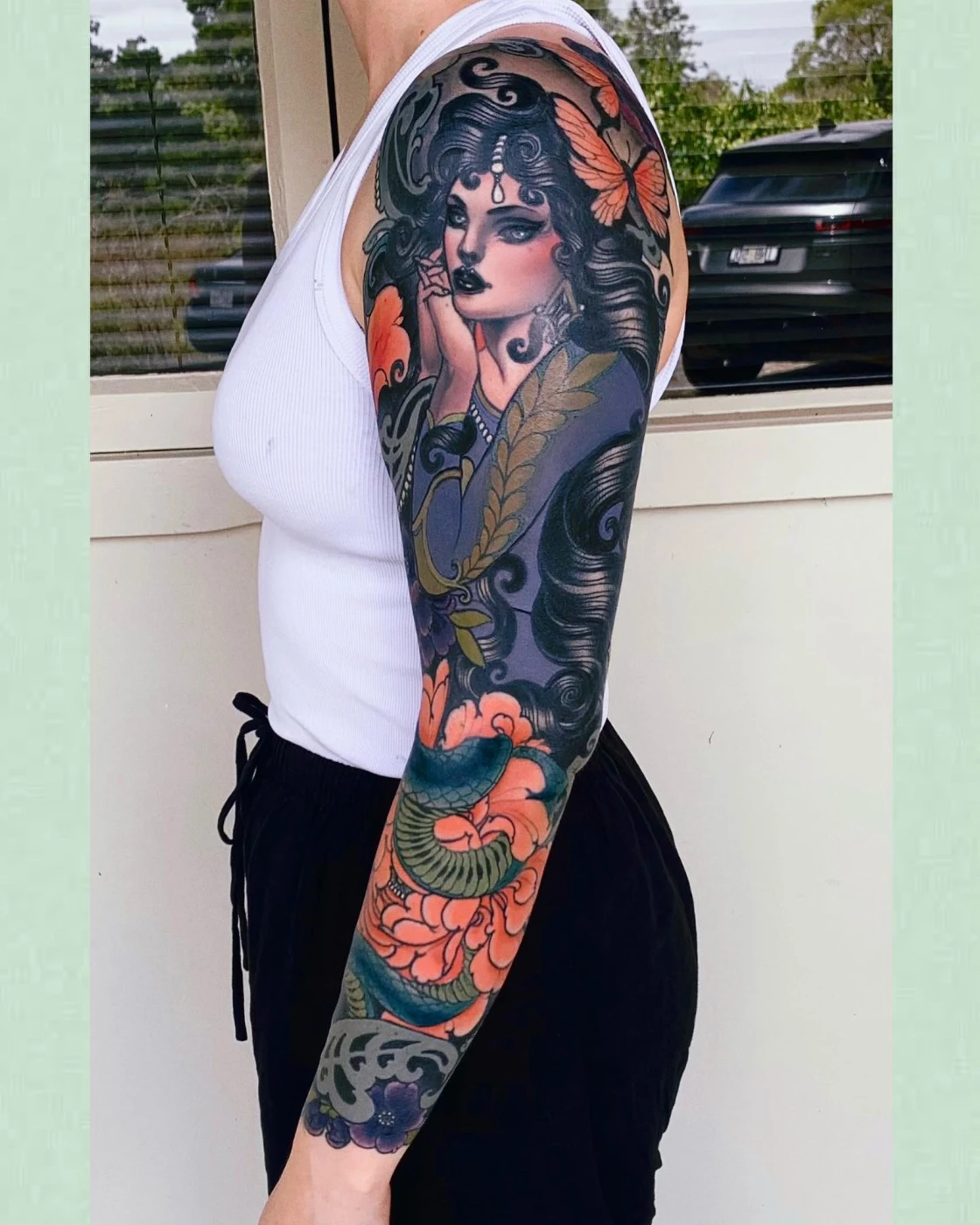
You have spent weeks scrolling through Instagram, saved dozens of reference images, and finally landed on a design that feels unmistakably yours. But there is one question that trips up first-timers and seasoned collectors alike: where exactly should it go? Placement is not an afterthought. It shapes how a tattoo reads on the body, how it ages over a decade, how it survives a career change, and whether it still looks as good at forty-five as it did the day you walked out of the studio. Getting it right from the start is one of the most valuable things you can do before you ever sit in the chair.
The challenge is that placement decisions sit at the intersection of several competing priorities: personal preference, pain tolerance, lifestyle, career context, and the specific demands of the design itself. A delicate floral script that looks stunning wrapping around a forearm might become illegible crammed onto a finger, or washed out from sun exposure on the back of a hand. A large traditional eagle that fills a chest panel beautifully would look cramped and awkward squeezed onto a calf. These are not hypothetical mistakes. They happen regularly, and they are largely avoidable with a little upfront knowledge and the right artist conversation.
This guide is designed to give you exactly that knowledge. Whether you are planning your first piece or adding to an existing collection, understanding the anatomy of placement will help you make a decision you feel genuinely confident about for years to come. We cover pain levels by body zone, how different designs suit different body areas, professional visibility in the Australian context, long-term ageing considerations, and practical tips for matching placement to your body type. By the end, you will have a clear and grounded framework to bring into your consultation.

Key Takeaways
- Placement affects pain, longevity, professional impact, and how well a design reads on the body, making it one of the most consequential decisions in the entire tattooing process.
- Bony, high-friction, and sun-exposed areas such as hands, feet, and fingers age the fastest; the upper back, outer upper arm, and thigh retain detail and colour best over time.
- Pain levels vary dramatically by body zone, from a 2 or 3 out of 10 on the outer shoulder to 8 or 9 out of 10 on the ribs and spine, so knowing your tolerance matters before you commit.
- In Australia, neck, face, and hand tattoos are still widely considered "job-stopper" placements in conservative industries such as law, medicine, and corporate finance.
- Design type should directly inform placement: script and lettering suit flat areas like the forearm and ribs; portraits need large flat canvases like the thigh or upper back; small symbols work well on wrists, ankles, and behind the ear.
- Body changes including weight fluctuation, pregnancy, and natural skin ageing affect all placements to varying degrees, with the stomach and inner arm being the most vulnerable areas.
- Colour tattoos fade faster in sun-exposed areas; if retaining vibrancy long-term is a priority, upper back and thigh placements are your most reliable options in Australia's high-UV climate.
- A skilled artist will guide you through placement as part of the consultation process, so come prepared with questions and be genuinely open to their anatomical expertise.
The Placement Decision Framework
Before jumping straight to which area looks coolest, it helps to run your chosen placement through a clear framework. There are four core factors that should inform any placement decision, and thinking through all four before your consultation will save you from regrets later. These factors do not need to be dealt with separately; a good artist conversation will cover all of them together. But understanding them going in means you can participate meaningfully rather than just nodding along.
Pain Tolerance. Every person's threshold is different, but the anatomy of pain in tattooing is fairly consistent across individuals. Areas with thin skin over bone, high concentrations of nerve endings, or significant muscle tension during the session will hurt more. This does not mean you should automatically avoid high-pain areas, but it does mean you should be honest with yourself before booking a six-hour rib piece as your first tattoo. Starting with a moderate-pain area, such as the outer upper arm or calf, gives you a grounded sense of your own tolerance before you commit to a more intense location. Experienced artists appreciate clients who have done this groundwork.
Visibility. Ask yourself honestly how much you want the tattoo to be seen, and by whom. This is partly a personal expression question and partly a practical one. Consider not just your current job but the industries you might move into over the next ten or twenty years. Your lifestyle, your social circles, and your relationship to self-expression all factor in. Australia's workplace attitudes toward tattoos are shifting meaningfully, but they have not shifted uniformly across every sector. A placement that reads as entirely professional in one context might create friction in another, and it is far better to think through that tension before the ink is permanent.
Ageing and Longevity. Skin changes over time, and different areas of the body change in different ways. High-movement joints, areas subject to frequent sun exposure, and zones where skin tends to lose elasticity with age all create specific challenges for tattoo longevity. If you want a detailed, precise piece that still looks sharp at the fifteen-year mark, placement matters enormously. A tattoo is a very long-term investment, and the ageing characteristics of different body areas should factor into your decision with the same weight as aesthetics.
Design Suitability. Every tattoo design has a natural relationship to the body part where it lives. The flow of a composition, its proportions, the level of detail it contains, and the style it belongs to all interact with the contours and surface characteristics of specific body areas. Ignoring this relationship is one of the most common causes of tattoos that disappoint once healed, not because the design was bad or the artist was poor, but because the pairing between design and placement was not thought through carefully enough.
Placement is part of the art. The best tattoos are the ones where the design and the body work together rather than against each other. You are not just applying an image to skin; you are working with the actual shape and structure of a person.
Pain Level by Body Zone
One of the first questions people ask when thinking about placement is how much it will hurt. The honest answer is that it depends on the location, your individual physiology, your mental state on the day, the skill of the artist, and the length of the session. That said, there are consistent anatomical patterns that give a reliable general guide. The table below uses a scale of 1 to 10, where 1 is virtually painless and 10 is the most intense sensation typically reported in tattooing.
| Body Area | Pain Level (1-10) | Why It Hurts That Much | Notes for Beginners |
|---|---|---|---|
| Outer shoulder and shoulder blade | 2 to 3 | Generous muscle cushioning, few concentrated nerve clusters, minimal bone proximity | Excellent starting point; holds detail well and heals with low complication |
| Outer upper arm (bicep exterior) | 2 to 3 | Good muscle mass, relatively flat and stable surface, few sensitive nerve pathways | One of the most beginner-friendly zones; ideal for medium to large designs |
| Calf | 3 to 4 | Solid muscle base; some shin proximity can spike discomfort near the bone | Generally very manageable; expect more sensation as you move toward the shinbone |
| Outer forearm | 3 to 4 | Moderate muscle, reasonable padding, some bone proximity increasing toward the wrist | Very popular first placement; heals cleanly and is easy to care for post-session |
| Thigh (outer) | 3 to 5 | Large muscle groups provide excellent cushioning over a broad, stable surface | Comfortable for longer sessions; one of the best canvases for large detailed work |
| Upper back (between the shoulder blades) | 3 to 5 | Broad muscle base; discomfort increases noticeably as you move toward the spine | Highly recommended for first large pieces; lying face down can become tiring |
| Inner forearm | 4 to 5 | Thinner skin on the inner surface, denser nerve distribution than the outer forearm | Manageable for most; expect a noticeably sharper sensation than the outer forearm |
| Inner wrist | 5 to 6 | Very thin skin, proximity to tendons and veins, higher nerve density than the outer wrist | Short sessions are considerably easier here; the pain is sharp but typically brief |
| Chest (central, toward the sternum) | 5 to 6 | Bone proximity, thin skin over the sternum, and a vibrating sensation felt through the ribcage | Tolerable for most; slow, deep breathing during the session genuinely helps |
| Collarbone | 6 to 7 | Very little padding over the clavicle; sensitive nerve pathways run close to the surface | Shorter sessions strongly recommended; a popular placement despite the discomfort level |
| Ankle | 6 to 7 | Bone is extremely close to the skin surface; the surrounding skin is thin and sensitive | Sharp but manageable; most designs placed here are small, which keeps session time short |
| Foot | 6 to 7 | Thin skin layered directly over bone structures, high nerve density throughout the foot | Healing is more complex than most placements; weigh this carefully before committing |
| Inner thigh | 6 to 7 | Sensitive skin, concentrated nerve presence, and skin movement during the tattooing process | Noticeably more intense than the outer thigh; still manageable for most people |
| Neck (back and sides) | 7 to 8 | Thin skin over vertebrae, movement and vibration felt throughout the session, constant motion during healing | Not recommended for beginners; requires experienced artists and strong mental preparation |
| Ribs (side of the torso) | 7 to 9 | Thin skin directly over ribs, every breath creates movement, almost no muscle cushioning in this zone | Widely considered one of the most painful placements; plan for multiple short sessions |
| Spine | 8 to 9 | Directly over the vertebrae, extremely high nerve concentration, vibration travels the full length of the spine | Intense and not recommended for first pieces; experienced collectors only |
| Back of the knee | 8 | Thin and sensitive skin in a high-movement joint, concentrated nerve presence in the popliteal area | Rarely done as a standalone piece; usually appears as part of a larger connected leg composition |
It is worth noting that the numbers above reflect the typical experience of most clients, but individual variation is significant. People with higher baseline anxiety, low blood sugar on the day, poor sleep the night before, or who are heavily caffeinated often report sharper pain regardless of placement. Conversely, some people find even the rib area very manageable when they are genuinely well-prepared, physically and mentally. Eat a substantial meal before your session, stay well hydrated throughout the preceding day, and communicate openly with your artist about how you are feeling at any point during the work. They have seen every possible reaction and will adjust the pacing accordingly.
If you are working with a high-pain area, shorter sessions are always better than pushing through for the sake of completing the piece in one sitting. A two-hour rib session will feel very different from a four-hour one, and the quality of the finished work tends to be higher when both client and artist are fresh and focused. Your artist will guide you on realistic session lengths for your chosen placement based on the complexity of the design. Breaking large pieces into multiple appointments is standard practice among experienced artists and is nothing to be concerned about.
For a sense of which designs naturally suit lower-pain placements, browse our minimalist tattoo ideas gallery, which tends to feature work well-suited to beginner-friendly zones like the outer forearm, collarbone, and upper arm.
Matching Design to Body Anatomy
Every tattoo design has a natural relationship to the body part it lives on. Ignoring that relationship is one of the most common mistakes people make when planning a piece, and it often only becomes obvious after the tattoo has healed and settled. A design that looked perfect in the reference image can look awkward on the body if its proportions, directionality, or level of detail are mismatched to the placement's surface area, curvature, and movement characteristics.
Think of the body as a series of distinct canvases, each with its own shape, curve, surface area, and movement characteristics. A flat, firm canvas like the upper back is almost infinitely versatile and accommodates nearly every style and scale. A curved, narrow canvas like the forearm has natural advantages for vertical or wrapping compositions. A small, frequently flexed surface like a finger is almost hostile to fine detail and rapid-ageing of the ink. The table below gives a practical guide to matching your design type to the right anatomical area.
| Design Type | Best Placements | Why It Works | Avoid |
|---|---|---|---|
| Script and lettering | Forearm, ribs, collarbone, upper back | Flat or gently curved surfaces keep letters consistent, spaced, and readable over time; the ribs allow long horizontal phrases to flow naturally | Fingers, backs of hands, inner wrist; skin movement and rapid cell turnover distort letterforms over time |
| Portrait (face, animal, photorealistic figure) | Thigh, upper arm, upper back, calf | Portraits need a large, relatively flat canvas to preserve facial proportions and the subtle tonal transitions that make realism work | Ribs, where curves and breathing movement distort proportions; wrist; ankle |
| Geometric and sacred geometry | Forearm, chest, upper back, thigh | Flat surfaces preserve straight lines and symmetry precisely; chest and back allow large-scale symmetrical compositions to read at their intended scale | Highly curved areas like the sides of the ribs and the back of the knee, where straight lines become arcs |
| Fine line and minimalist | Inner wrist, collarbone, ankle, behind ear, upper arm | These placements provide just enough surface area for small, precise work without stretching the design beyond its natural scale or detail level | Fingers, which fade rapidly; palms and soles, which heal poorly and have very short ink retention |
| Floral and botanical | Thigh, upper arm, ribs, back, forearm | Organic, flowing forms adapt well to both flat and gently curved surfaces; can be scaled up or down with considerable flexibility across these placements | Small joints like knuckles and toes where delicate petal detail is lost very quickly after healing |
| Traditional and neo-traditional | Upper arm, thigh, calf, chest, back | Bold outlines and solid colour fills suit areas where skin is firm and the canvas is large enough to hold the classic composition with proper visual weight | Neck, hands, and feet where bold outlines blur more rapidly due to skin characteristics and friction |
| Watercolour and abstract | Upper back, shoulder, thigh | Large, stable areas allow soft colour washes to bloom properly; less risk of the subtle gradients being lost on a highly curved or very small surface | High-movement joints and sun-exposed forearms, where colour and fine gradients fade considerably faster |
| Small symbols and micro tattoos | Wrist, ankle, behind the ear, collarbone | The intentional minimalism works with the placement's natural scale rather than against it; the design does not need to fill space, it needs to occupy it with intention | Fingers if longevity matters; anywhere where meaningful detail needs to read from more than an arm's length away |
| Connected sleeve compositions | Full arm, forearm only, or upper arm only | The cylindrical arm canvas is purpose-built for compositions that flow continuously around a limb; negative space can be used as deliberately as filled areas | Starting a sleeve without a cohesive plan; adding disconnected pieces over time makes unified sleeves extremely difficult to achieve later |


When assessing design-to-placement fit, also consider the orientation of the composition. A tall, vertical image works naturally on the forearm, shin, or calf. A wide, horizontal image suits the chest, upper back, or thigh. Diagonal and wrapping compositions are best handled by artists who specialise in large-format or sleeve work, as they require careful planning to flow naturally with the body's movement and to read well from multiple angles.
One question worth raising in your consultation is whether the design needs to be adapted rather than simply transferred to your chosen placement. A good artist will not just resize your reference image and stencil it directly. They will identify whether the proportions, level of detail, and compositional direction need to be adjusted to suit your specific anatomy and to ensure the work looks intentional rather than incidental. This adaptation is part of their skill and part of what you are paying for.
You can browse our geometric tattoo ideas gallery for examples of how structured, symmetrical designs sit across various body areas, and our fine line tattoo ideas section for placement inspiration for detailed, delicate work.
Professional Visibility Considerations
Australia has come a long way in its relationship with tattoo culture over the past two decades. In most social contexts, tattoos are entirely unremarkable. The majority of working Australians have at least one, and many industries have quietly and informally abandoned any prohibition on visible tattoos. Hospitality, retail, creative industries, technology, trades, construction, and the arts are all effectively tattoo-neutral at this point in most major Australian cities.
That said, meaningful variation remains across certain sectors. If you work in, or aspire to work in, law, medicine, corporate finance, banking, government administration, defence in officer roles, or formal education contexts, visible tattoos in non-traditional locations can still create friction in recruitment processes and client-facing roles. This is not a reason to avoid tattooing entirely. It is, however, a very good reason to think carefully about placement and to be honest with yourself about your longer-term career trajectory before committing to a highly visible location.
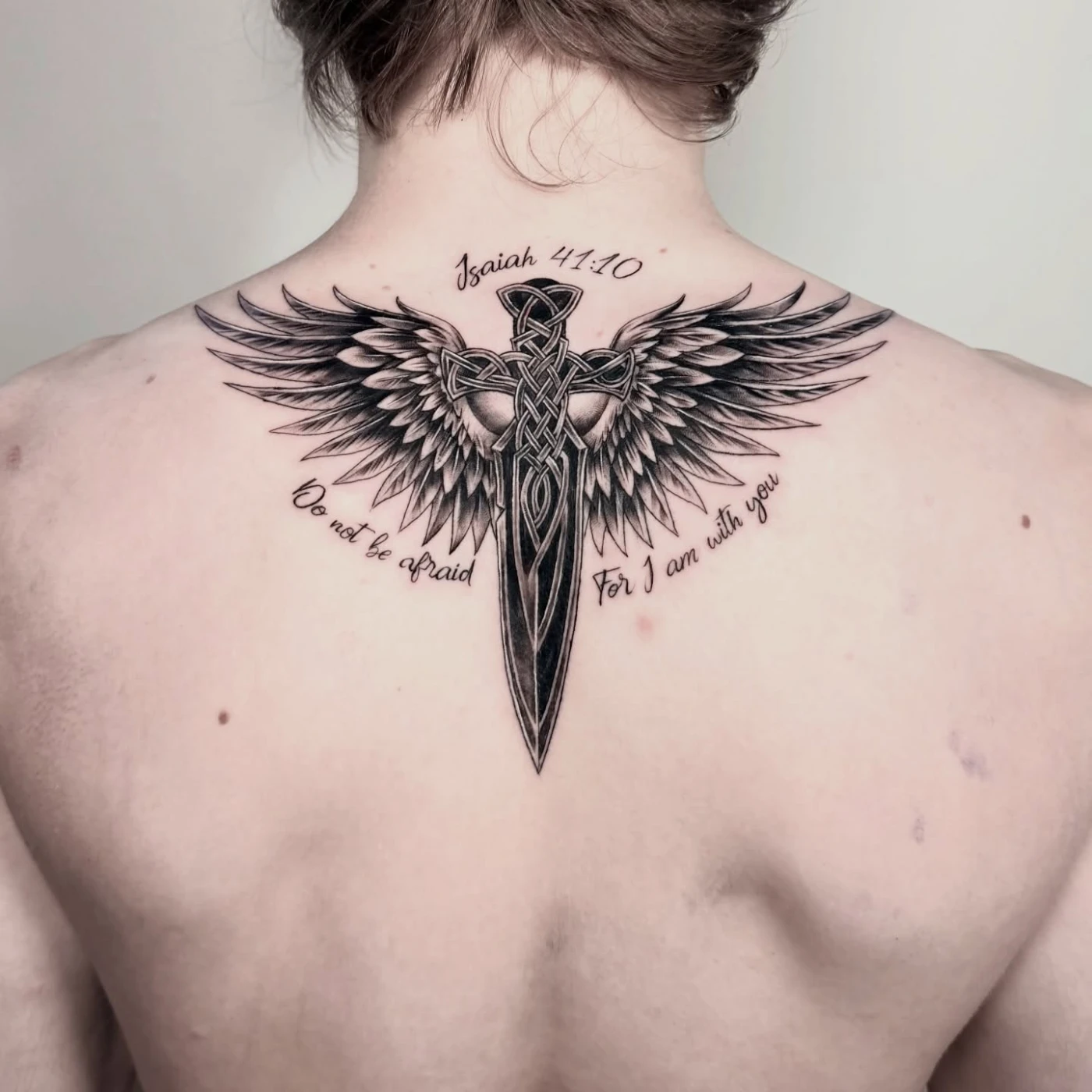

The concept of "job-stopper" tattoos refers to placements so visible and socially loaded in certain contexts that they can meaningfully limit employment prospects in specific fields. In Australia in 2026, this category still reliably includes hands, neck, and face. While many individuals with these placements do build fulfilling careers, it is important to understand that these locations close particular doors, especially in conservative institutional environments. Reputable and experienced artists will raise this topic proactively before tattooing someone's neck or hands for the first time, particularly if the person does not already have visible tattoos elsewhere on their body.
Clothing coverage is a practical factor that deserves more attention than it usually gets in placement discussions. A large upper back piece is completely invisible in any standard shirt, blouse, or jacket. A forearm tattoo is visible in short sleeves but fully hidden in long sleeves. A collarbone or upper chest piece is covered by most professional attire. A wrist or hand tattoo is visible in nearly all workplace situations outside of circumstances where gloves are worn. Thinking concretely about what you wear most of the time, not just on weekends or social occasions, helps clarify how a placement will actually function in your daily life.
| Placement | Visibility Level | Career Impact in Conservative Fields |
|---|---|---|
| Upper back | Hidden in all standard clothing | Negligible; never visible in professional attire of any kind |
| Ribs and side torso | Always hidden in standard clothing | None; an entirely private placement in any workplace context |
| Chest (central and upper) | Hidden in most clothing; visible in open-collar or lower-cut tops | Minimal; easily managed through collar choice |
| Upper arm (bicep and shoulder) | Hidden in long sleeves; visible in short sleeves and activewear | Low; very easy to manage with sleeve choice in formal settings |
| Thigh | Hidden in trousers, skirts, or dresses of any reasonable length | Negligible; almost never visible in any professional context |
| Outer forearm | Visible in short sleeves; hidden in long sleeves | Low to moderate; manageable with wardrobe in most formal settings |
| Calf | Visible in shorts or skirts; hidden in trousers | Low; easy to manage through clothing choice |
| Ankle | Visible in sandals and some low-cut footwear; hidden in trousers | Low; typically not an issue in most Australian workplaces |
| Collarbone | Visible with lower necklines; hidden under higher-neck tops | Low to moderate; depends significantly on clothing style and role |
| Inner and outer wrist | Visible in most situations except long sleeves | Moderate; consistently visible in client-facing interactions |
| Behind the ear | Usually visible; can be concealed with longer hair | Low to moderate; less confronting than full neck placement in most contexts |
| Hands and fingers | Always visible in virtually all situations | High; considered a job-stopper in medical, legal, and corporate environments |
| Neck (sides and back) | Always visible unless obscured by high collars or scarves | High; significant and persistent impact in formal professional environments |
How Tattoos Age by Location
A tattoo that looks stunning at the three-week healing mark can look very different at the ten-year mark if it was placed in an area prone to accelerated change. Skin ageing, cumulative UV exposure, repetitive movement, and everyday friction all affect how a tattoo holds its lines, retains its colour, and maintains its overall clarity and sharpness over time. Understanding this before you choose a placement is not about discouraging you from a particular area. It is about setting realistic expectations and allowing you to make a genuinely informed decision.
The key factors driving ageing by placement are UV exposure, which breaks down pigment and degrades fine lines over repeated exposure; skin elasticity loss, which causes distortion as collagen and elastin reduce with age; repetitive stretching and compression at joints, which stresses the dermal layer where ink is deposited; and friction from clothing, footwear, and daily activity, which accelerates surface fading at contact points. These factors do not operate in isolation; areas that score poorly on multiple factors age significantly faster than areas affected by only one.
| Body Area | Ageing Risk | Why | Maintenance Needed |
|---|---|---|---|
| Upper back | Low | Rarely sun-exposed during typical daily activity, skin stays relatively firm, minimal joint stretch, covered by clothing almost constantly | Standard moisturising; SPF when deliberately exposed; minimal touch-up expected over decades |
| Outer upper arm | Low | Good skin density and muscle support beneath, moderate sun exposure that is easy to manage with SPF | Regular SPF in summer; this area holds line work and colour reliably for long periods |
| Outer thigh | Low to moderate | Large area of stable, well-supported skin; mostly protected by clothing throughout the working day | Low maintenance overall; some risk with significant weight change but generally very stable |
| Chest | Low to moderate | Mostly clothing-protected; some elasticity loss around the pectoral and sternal area with age, more pronounced in certain body types | Moisturise regularly; chest skin can change more than expected over decades |
| Outer forearm | Moderate | Frequently sun-exposed in Australia's high-UV climate; colour pigment degrades faster here than almost any other common placement | Consistent SPF 50 application is essential; colour work will need earlier and more frequent touch-ups |
| Calf | Moderate | Muscle changes with fitness shifts; some sun exposure during warm months in shorts and activewear | SPF when exposed; generally ages well relative to extremities and high-movement joints |
| Collarbone | Moderate | Thin skin over the clavicle can change with weight and postural shifts; sun exposure can be significant in summer for this area | Keep moisturised; protect with SPF during summer months particularly in outdoor environments |
| Inner arm | Moderate to high | Thinner skin structure that tends to lose elasticity earlier and can soften or sag slightly with age, especially post-forty | May require touch-up after ten or more years; fine lines in this area tend to soften and spread over time |
| Stomach and abdomen | High | Highly susceptible to stretch from weight fluctuation and pregnancy; skin in this zone loses elasticity more readily than most areas | Significant maintenance potential; major body changes may require substantial rework or a cover-up |
| Hands and fingers | High | Constant friction from daily activity, frequent handwashing, very high UV exposure on the backs of the hands, and a rapid skin cell renewal cycle all combine to fade ink quickly | Frequent touch-ups required; some artists will not guarantee the longevity of hand work |
| Feet | High | Friction from footwear, challenging healing conditions due to constant contact with the ground, and a faster skin renewal cycle on lower extremities | Touch-ups often needed within twelve months of the original sitting; proper footwear during healing is non-negotiable |
| Neck | Moderate to high | Constant movement, sun exposure on the sides and back, and skin that thins and wrinkles noticeably with age in this zone | Regular SPF application; fine line work here tends to spread and soften faster than on most other placements |
| Inner wrist | Moderate | Thin skin, friction from watches and cuffs worn daily, and some incidental sun exposure throughout the year | Fine line detail may benefit from a refresh after five to eight years; bold blackwork holds better |
In Australia's high-UV environment, consistent sun protection is one of the most impactful and most overlooked aspects of long-term tattoo care. Applying SPF 50 to sun-exposed tattoos year-round dramatically extends the life of the ink, particularly for colour and fine line work.
If colour retention is your primary priority, the upper back and outer thigh are consistently the best performers across the Australian market. These areas spend most of their time under clothing, receive comparatively less UV damage, and sit on stable, well-supported skin.
Placement and Body Changes Over Time
Choosing a placement is not just about how your body looks today. It is about understanding how it will change over the coming years and decades, and how those changes will interact with the tattoo. This topic is not always covered in adequate depth during consultations, particularly for younger clients, but it is genuinely important for making a placement decision you will be comfortable with long-term.
Weight fluctuation. Significant weight gain or loss affects skin in ways that can alter the appearance of a tattoo meaningfully. The areas most affected by weight change are the stomach, flanks, inner thighs, upper arms, and chest. Skin that has been stretched substantially and then reduced tends to lose some of its elasticity and can wrinkle or sag slightly depending on the individual, which distorts the ink in proportion to the change. For people who are actively managing their weight through a significant change in either direction, it is worth waiting until your weight has been stable for at least twelve months before tattooing the highest-risk zones.
Pregnancy. The abdomen, hips, and lower back are the primary areas where skin stretches during pregnancy. This stretching can significantly distort a tattoo's lines, proportions, and clarity, though the extent varies considerably between individuals. Many experienced artists will decline to tattoo the abdomen of someone who is planning a pregnancy in the near future, or will advise waiting until after the pregnancy and recovery are complete. The upper back, chest, thighs, and arms are generally much less affected by pregnancy-related skin change.
Skin ageing. As skin ages, it loses collagen and elastin, which leads to gradual thinning, reduced elasticity, and some degree of sagging in certain areas. This process is most pronounced on the inner arms, stomach, inner thighs, and neck. Fine line work in these areas tends to spread and soften more dramatically than bold blackwork does, as the lines widen slightly with the dermal changes beneath.
Sun damage accumulation. Australia's UV index is among the highest in the world, and prolonged cumulative sun exposure affects both skin quality and tattoo appearance over all age groups and all placements. People who spend significant time outdoors for work or leisure, particularly in Queensland, Western Australia, the Northern Territory, and coastal areas generally, should weight this factor heavily in their placement decisions. A tattoo on the outer forearm receives vastly more UV exposure over a decade than the same tattoo placed on the upper back or thigh, and the difference in longevity is proportionate. Building sun protection habits from the moment a tattoo heals is the single most effective maintenance step available for any placement. For a step-by-step wash routine during the healing window, see our showering with a new tattoo guide.
Consulting Your Artist on Placement
Your tattoo artist is the most valuable resource you have in the placement decision process. A good consultation covers far more than what design you want and roughly where you want it. It is a proper planning session that considers the full interaction between your design concept, your specific anatomy, your lifestyle, your pain tolerance, your skin characteristics, and your long-term goals for your body as a canvas. Treating it as such, and coming prepared to participate fully, is the best thing you can do to set the tattoo up for long-term success.
Arrive at your consultation with your reference images organised and ready to share, but also come with a clear sense of what you want the tattoo to communicate emotionally and aesthetically, how large you are envisioning it, and any constraints you are working within. Those constraints might include professional visibility limits, a specific body area you want to avoid for any reason, a skin condition or scar that your artist should know about, or existing pieces that the new work needs to sit alongside coherently. The more relevant context you provide, the better calibrated their guidance will be.
Do not hesitate to ask your artist where they think the design would look best rather than simply seeking confirmation of your own instinct. Experienced artists see dozens of placements every week across a huge range of body types and design styles, and they develop a strong intuitive sense for what works anatomically and compositionally in ways that are very difficult to develop from the outside. They may suggest a slight shift in position, a change in the angle or orientation of the design, a sizing adjustment, or even a different area entirely that you had not considered.
Specific questions worth raising in your placement consultation include: how will this area age relative to the detail level in my design? Will the composition need to be scaled or simplified to read correctly in this location? Are there adjacent placements that would suit this design better? If I start here, what options does it leave open for future pieces I might want to add? Does this placement interact well with any work I already have?
The best placement conversations are a genuine two-way exchange. Your artist brings anatomical and technical expertise built from thousands of hours of practice. You bring knowledge of your lifestyle, your goals, your body, and what the tattoo means to you. Neither party has the full picture without the other.
Browse our Sydney tattoo studio directory or your local city listings to find artists who approach consultations with the depth and care your placement decision deserves.
Frequently Asked Questions
What is the least painful place to get a tattoo as a beginner?
The outer shoulder, shoulder blade, and outer upper arm are consistently the least painful placements for most people. These areas benefit from good muscle cushioning, relatively few concentrated nerve clusters, and minimal bone proximity, all of which reduce the sharpness and intensity of the sensation during the session. They also tend to heal cleanly and are straightforward to care for during recovery. The outer forearm is also very manageable and is one of the most popular first-tattoo locations across Australia.
How do I know if a tattoo placement will affect my job prospects?
The most reliable approach is to assess your workplace culture honestly and review any formal dress code or appearance policy your employer has in place. If your industry is law, medicine, banking, investment management, government administration, or formal institutional education, neck, face, and hand placements carry the most meaningful career risk in Australia at present. Forearm tattoos are manageable in most formal environments with long sleeves. For roles where you are regularly client-facing in a conservative sector, visible hand and wrist tattoos are the placements most likely to generate comment or influence perception.
Do rib and spine tattoos really hurt as much as people say?
For most people, yes. The ribs and spine are among the most intense tattooing experiences because of the minimal cushioning between the skin surface and the underlying bone structure. Every pass of the needle on the rib area is accompanied by a sensation that travels into the bone itself, and each breath during the session creates movement that adds a compounding layer of discomfort. That said, pain tolerance is highly individual, and breaking the session into shorter appointments rather than one extended sitting helps substantially.
Which placements are best for keeping a tattoo completely private?
The upper back, ribs, central chest, stomach, and inner thigh are all excellent options for thoroughly private placements. The upper back and ribs are the most consistently hidden, covered by virtually all standard clothing including most swimwear designs. The inner thigh is reliably concealed in shorts of any standard length and in all trouser styles.
How quickly do finger tattoos fade compared to other placements?
Considerably faster than almost any other placement. Fingers present a combination of challenges that make ink retention uniquely difficult: rapid cell turnover in this area, constant friction from everyday activity and frequent handwashing, and high UV exposure on the backs of the hands. Most artists who work this area will be straightforward that touch-ups within the first six to twelve months are almost always needed, and that ongoing maintenance on an annual or biannual basis is the norm rather than the exception.
Can a tattoo on the stomach survive pregnancy and still look good afterward?
It depends significantly on the extent of abdominal stretching during the pregnancy and how the skin recovers afterward, both of which vary considerably between individuals and between pregnancies. A tattoo placed above the navel has a better chance of surviving without major distortion, as the skin in the upper abdomen typically stretches less than the area at and below the navel during the later stages of pregnancy. Very fine line or minimalist work is considerably more vulnerable to distortion than bold blackwork or traditional-style pieces with heavier lines.
Explore More
Find Tattoo Shops
Browse by Style
Stay Updated with the Latest Insights!
Get the latest news and updates delivered to your inbox.
Related Articles

Shoulder Tattoo Ideas Australia 2026: 120+ Designs, Placement and Cost
Shoulder tattoo ideas Australia 2026: 120+ designs for front, back and cap sleeve placements. Pain, healing, integration and $300 to $5,000+ pricing.
Read More
Foot Tattoo Ideas 2026: Placements, Pain and Design Guide for Australia
Foot tattoo ideas for 2026: honest pain and fading guide, top placement zones, bold design recommendations and Australian pricing.
Read More
Wrist Tattoo Ideas 2026: Inner, Outer and Wrap Designs for Australia
Wrist tattoo ideas for 2026: inner wrist vs outer placement, pain by zone, aftercare tips and top styles. Australian pricing included.
Read More