Tattoo Second Skin Guide Australia 2026: Saniderm and Tegaderm
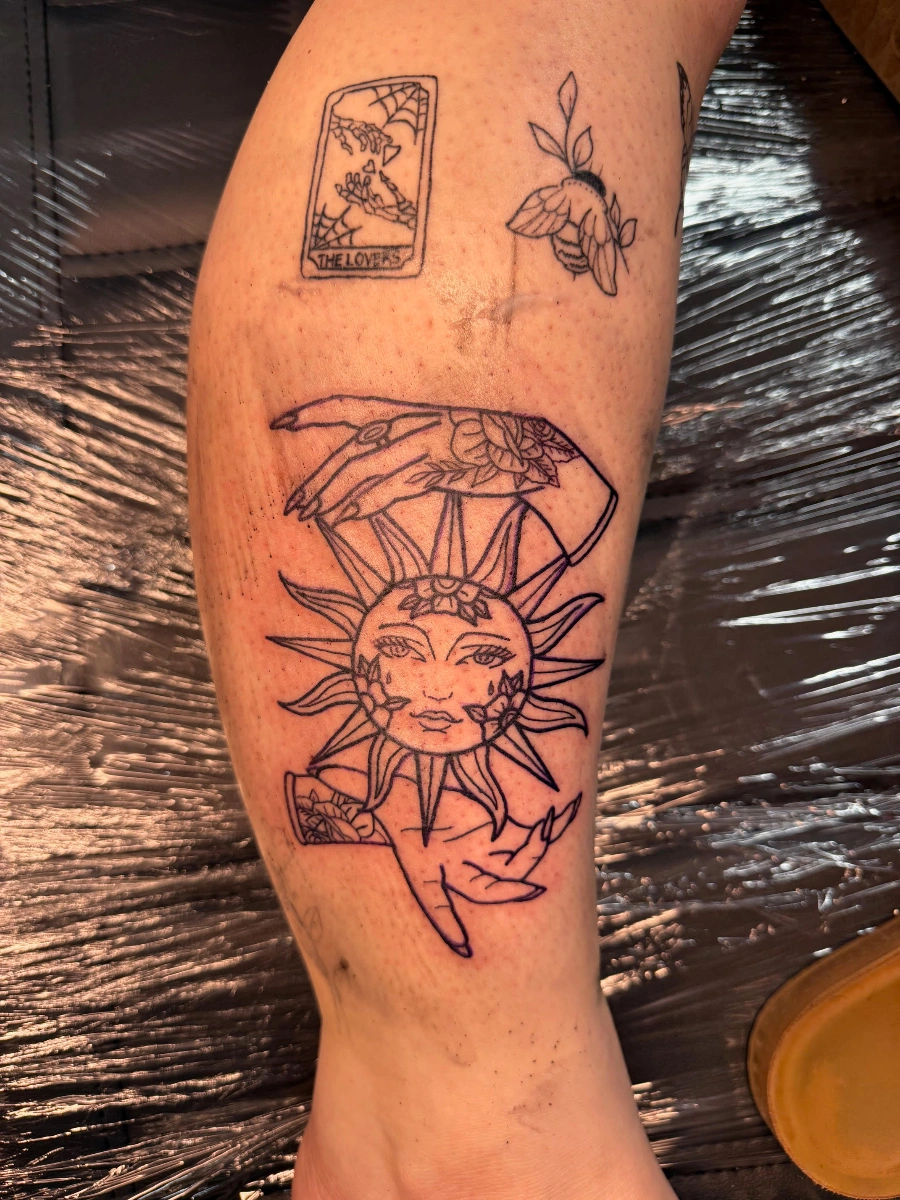
You leave the studio, peel back the cling film at home, and stare at a tattoo wrapped in what looks like glossy contact paper. Your artist tells you to leave it on for five days, no panicking, no peeking. Welcome to second skin.
Medical-grade adhesive films like Saniderm, Tegaderm, and Recovery Derm Shield have quietly become the default first-stage aftercare in most reputable Australian studios. They protect the fresh wound, dramatically reduce scabbing, and let you sleep, shower, and go to work without restarting the healing process every five minutes. They are also confusing and a little eerie the first time you use one.
This guide covers what second skin is, why your artist used it, when to take it off, what the goo underneath actually means, and the brands you can pick up over the counter at any major Australian pharmacy in 2026.
Key Takeaways
- What it is: a breathable, waterproof, hypoallergenic adhesive film that creates a sterile barrier over a fresh tattoo
- Why studios use it: faster healing, less scabbing, sharper line retention, fewer aftercare touch points for the client
- Wear time: 24 to 72 hours for the first piece, then 3 to 5 days for the replacement piece
- Cost in Australia: Saniderm $15 to $40, Tegaderm $10 to $25, Recovery Derm Shield $20 to $35 per pack
- Removal trick: peel under warm water in the shower, low and slow, never yank dry
- Goo is normal: the milky liquid pooled under the film is plasma plus excess ink, not infection
- Skip if: you have a known adhesive allergy, an active rash on the area, or you are tattooing over fresh sunburn
What Is Second Skin, Really?
Second skin (also marketed as derm shield, healing wrap, or adhesive bandage film) is a thin polyurethane sheet originally developed for surgical wounds and burn dressings. The same properties that protect post-op skin make it ideal for fresh tattoos. The film is:
- Breathable. Lets oxygen and water vapour pass through while blocking bacteria and fluid in
- Waterproof. You can shower, sweat, and wash dishes without soaking the wound
- Hypoallergenic. Latex-free, low-irritation acrylate adhesive (most brands)
- Transparent. Lets the artist or client check colour and healing without unwrapping
- Self-sealing at the edges. Stays on through normal motion as long as it is applied to clean, dry skin
Compare that to traditional cling film, which traps everything in: bacteria, plasma, sweat, ink. Cling film bandages were the standard until around 2015. The shift to second skin has been one of the biggest aftercare upgrades of the last decade.
In a nutshell: second skin is to a fresh tattoo what a wound dressing is to a stitched cut. It buys you a sterile, controlled environment for the most fragile 24 to 72 hours.
Why Your Artist Used It
Not every studio defaults to second skin. The ones that do tend to choose it for the same five reasons.
| Benefit | How it helps | Visible to the client |
|---|---|---|
| Less scabbing | Wound stays moist, scab formation is minimised | Fewer flakes during week one |
| Sharper line retention | No early scab pulls fresh ink out of the wound | Crisper outlines after healing |
| Faster initial healing | Moist healing is 30-50 percent faster than dry healing | Initial peel finishes by day 7 instead of day 10-14 |
| Fewer aftercare touchpoints | You do not need to wash or moisturise for the first 3 to 5 days | Less to remember, easier compliance |
| Sleep and clothing protection | Bedding and shirts cannot rub fresh ink | Less anxiety overnight |
Should You Use It? (The Honest Decision Tree)
Second skin is brilliant for most tattoos but not universally. Use the table below to figure out whether to keep the film on, switch to traditional dry healing, or ask the artist for a different bandage.
| Situation | Use second skin? | Why |
|---|---|---|
| Standard arm or leg piece | Yes | Ideal use case |
| Hand, foot, or finger | Maybe | Adhesion is poor, lots of motion peels the edges |
| Joint area (elbow, knee) | With caution | Use a slightly larger sheet, replace if it lifts |
| Fresh sunburn or irritated skin | No | Wait for skin to settle before reapplying any film |
| Known adhesive allergy | No | Will trigger contact dermatitis around the wound |
| Very large piece (full back, full sleeve) | Sometimes | Goo build-up can be unsightly. Some artists prefer dry healing for very large pieces |
| Hot, humid Queensland summer | Yes, with shorter wear | Replace at 24 hours instead of 72 to manage sweat |
Heads up: if you have ever broken out under sticking plasters, do a 24-hour patch test on the inside of your forearm with the same brand before letting your artist apply a sheet to a fresh tattoo.
How to Apply Second Skin (If Your Artist Sends You Home With Spare)
Some artists apply the first sheet and send you home with one or two spares for the second-stage replacement. The technique matters: a wrinkled or poorly sealed sheet leaks plasma everywhere.
- Wash hands with antibacterial soap and dry on a clean towel
- Wash the tattoo with lukewarm water and a fragrance-free wash. Pat dry with a paper towel
- Wait 5 to 10 minutes until skin is completely dry. Moisture under the film causes leakage
- Cut a sheet to size, leaving 2 to 3 cm of margin around the tattoo on every side
- Peel the white backing halfway off, place the sticky side over the tattoo, then peel the rest as you smooth it down
- Smooth from centre outwards with a clean palm to push out air bubbles
- Peel the top film off (some brands have two layers). The clear, glossy layer is what stays on
If you nail this, the sheet will stay sealed for 3 to 5 days. If wrinkles appear or the edges curl in the first hour, peel it off and start again.
The Goo Underneath Is Normal (Promise)
The first time you check your tattoo through second skin, you will probably panic. Pooled under the film is a milky, sometimes pink, sometimes greenish-yellow liquid that looks alarming. It is not infection. It is the standard mix of:
- Plasma: the clear yellow part of your blood, which leaks from the freshly tattooed wound
- Excess ink: pigment your skin did not absorb that pushes out with the plasma
- Lymph: the body's natural healing fluid
The film traps these fluids against the skin, where they continue to support healing. The colour can shift from clear pink (first 12 hours) to milky white (24 to 48 hours) to slightly green or yellow (48 to 72 hours). All of these are normal.
When the goo IS a problem
- Bright red liquid building up rapidly in the first six hours suggests bleeding rather than plasma. Replace the sheet
- Foul smell on removal is a sign of bacterial growth. Wash thoroughly and skip reapplication
- Hot, painful, swollen skin beyond day three needs a GP visit, not another sheet
How to Remove It Without Pulling Ink Out
The single most common second-skin mistake is yanking the film off dry. The adhesive grips the skin firmly, and dry removal can pull at fresh ink, scabs, and even the surface of the dermis.
- Step into a warm shower. Let warm (not hot) water run over the film for 2 to 3 minutes
- Find a corner of the film and lift gently in the direction of hair growth
- Stretch the film parallel to the skin, not pulled upward. The adhesive releases more cleanly when it is stretched flat
- Peel slowly, running warm water over the join between film and skin as you go
- Wash the tattoo with fragrance-free wash to remove residual goo
- Pat dry with a fresh paper towel and apply a thin layer of healing balm if your artist instructed
If a section of the film resists, do not force it. Let it soak under warm water for another minute. Painful removal is always avoidable with patience.
Brands You Can Buy in Australia
You can pick up second skin at most chemist warehouses, sports pharmacies, and the bigger studio supply shops in 2026. Online prices via Tattoo Goo Australia, Inkjecta, and the major chemist online stores are usually 10 to 20 percent cheaper than the over-the-counter sticker.
| Brand | Australian price | Sheet sizes | Notes |
|---|---|---|---|
| Saniderm | $15-$40 per roll | 15 cm x 25 cm or 20 cm x 60 cm | Industry default, breathable, hypoallergenic |
| Tegaderm (3M) | $10-$25 per pack | 10 cm x 12 cm pre-cut | Medical brand, thinner film, very widely available |
| Recovery Derm Shield | $20-$35 per pack | 15 cm x 23 cm pre-cut sheets | Studio favourite, good for shoulders and ribs |
| Dermalize Pro | $25-$45 per roll | 15 cm x 10 m roll | Imported, most stretchy, great for joints |
| Second Skin (Inkjecta) | $18-$30 per pack | 20 cm x 25 cm | Australian-sold, balanced thickness |
Second Skin vs Traditional Dry Healing
If your artist offers a choice or you simply prefer the old-school approach, the comparison below sets honest expectations for each path.
| Factor | Second skin | Dry healing (wash and balm) |
|---|---|---|
| Initial heal time | 5-7 days | 7-14 days |
| Scabbing | Minimal, mostly thin flakes | Significant, sometimes thick scabs |
| Aftercare effort | Low (apply, peel, replace once) | High (wash 2-3 times daily, moisturise) |
| Sleep comfort | Easy, no cling-film alternatives needed | Often requires clean sheet rotation and barrier shirts |
| Best for | Most adults, most placements | Adhesive-sensitive skin, very large pieces |
| Cost | $15-$40 in film, less balm | $0 in film, $20-$50 in balms and wash |
Real-World Aftercare Timeline With Second Skin
For a typical small-to-medium piece, the schedule looks like this in 2026.
- Hours 0-2: studio applies first sheet over fresh tattoo. Walk out
- Hours 2-24: film fills with plasma, ink, and lymph. Looks dramatic. Leave it
- Hours 24-48: wear continues. Some seepage at edges is normal if the seal is intact
- Hour 48 to 72: remove first sheet under warm shower. Wash with fragrance-free wash. Pat dry
- Apply second sheet if your artist instructed (some skip this stage on small pieces)
- Day 5: remove second sheet. Begin moisturising 2 to 3 times daily with an unscented healing balm
- Days 7-14: light flaking finishes. Tattoo enters the dull "veiled" phase
- Weeks 2-4: deeper layers settle, colour clarifies, final result emerges
Pair the schedule with our first 24 hours after tattoo guide for a fuller picture of the critical first day, and our aftercare overview for product picks.
Frequently Asked Questions
Can I shower with second skin on?
Yes. The film is fully waterproof. Avoid pointing the showerhead directly at the edges and skip very hot water (which loosens adhesive). Pat dry around the film when you get out and air-dry the surface.
Can I exercise or play sport with second skin?
Light exercise is fine. Heavy sweating or activities that stretch and contort the skin (rock climbing, contact sport, hot yoga) tend to lift the edges and cause leaks. Save the gym for after the second sheet comes off.
Why is my second skin filled with so much liquid?
That is plasma plus ink. It is dramatic but normal in the first 12 to 48 hours. If the volume is so large it threatens to break the seal, peel the sheet off, wash, dry, and apply a fresh one.
What if the film falls off early?
If it lifts within 24 hours, replace it with a fresh sheet (some studios send spares for this exact reason). If it lifts after 48 hours, you can leave the tattoo to air-heal and switch to a thin layer of fragrance-free balm two to three times a day.
Is second skin safe over colour tattoos?
Yes. The film does not interact with pigment. Colour tattoos sometimes leak more ink-coloured plasma in the first day because there is more pigment in the wound, but the result on healed colour saturation is typically better with second skin than without.
Bottom Line
Second skin has earned its place as the default first-stage tattoo bandage in Australian studios because it works. Faster healing, less scabbing, sharper line retention, easier aftercare. Wear time is 24 to 72 hours for the first sheet, then 3 to 5 days for the optional second. Remove under warm water, ignore the goo (it is plasma, not infection), and skip the film entirely if you have an adhesive allergy or sunburned skin. Your healed tattoo will thank you.
Need to find an artist whose aftercare instructions you can trust? Browse vetted studios in Sydney, Melbourne, Brisbane, Perth, and Adelaide.
Explore More
Find Tattoo Shops
Browse by Style
Stay Updated with the Latest Insights!
Get the latest news and updates delivered to your inbox.
Related Articles
First 24 Hours After a Tattoo: Hour-by-Hour Care Guide
Hour-by-hour aftercare for the first day with a new tattoo: bandage, wash, balm, sleeping tips, and the warning signs to watch for.
Read More
Best Tattoo Moisturiser Australia 2026: Lotions, Ointments, Aftercare
Best tattoo moisturisers Australia 2026: Aquaphor, Bepanthen, After Inked, Cetaphil, Hustle Butter. Phase-by-phase aftercare, ingredients to skip, AUD prices.
Read More
Winter Tattoo Care Australia 2026: Cold Weather Healing Guide
Healing a fresh tattoo through Australian winter: indoor heating, dry skin, moisturising schedule, layering, and city-by-city care from Sydney to Hobart.
Read More