Tribal Tattoo Guide Australia: Cultural Heritage & Modern Styles 2025
Tribal Tattoo Guide: Ancient Art Meets Modern Ink
Long before tattooing became trendy in the Western world, tribal cultures across the globe were using body art to tell stories, mark achievements, and connect individuals to their ancestors and communities. From the intricate patterns of Polynesian tatau to the bold spirals of Maori moko, tribal tattooing represents some of humanity's oldest continuous artistic traditions – practices that have survived thousands of years and continue to evolve today.
In Australia, tribal tattooing holds special significance. The country's proximity to Polynesia, substantial Pacific Islander communities, and Indigenous Aboriginal heritage create a rich tapestry of tribal tattoo traditions. Whether you're of Pacific Islander descent seeking to honor your heritage, or simply drawn to the bold visual power of tribal designs, understanding the cultural context, symbolism, and proper respect for these traditions is essential. This comprehensive guide covers everything: the diverse tribal tattoo traditions, cultural significance and appropriation concerns, Australian pricing ($300-$800+ for authentic work), finding culturally knowledgeable artists, and essential considerations before getting tribal ink.
What Are Tribal Tattoos?
The term "tribal tattoo" encompasses indigenous body art traditions from cultures worldwide. While often grouped together in Western tattoo discourse, tribal styles are incredibly diverse, each with distinct aesthetics, meanings, and cultural protocols.
Core Characteristics (Common Across Tribal Styles):
Bold Black Ink: Traditionally using exclusively black pigment from natural sources
Geometric Patterns: Repeating motifs, spirals, waves, and angular shapes
Symbolic Meaning: Every pattern element carries specific cultural significance
Large-Scale Coverage: Often designed for full sleeves, backs, or legs
Flowing Composition: Designs that wrap and flow with body contours
Cultural Identity: Originally marking tribe, rank, achievements, or life events
Hand-Tapped Tradition: Historically applied using hand-tapping methods (though modern machines are common)
The power of tribal tattoos lies in their cultural depth and visual strength – these are designs forged over millennia to communicate identity, status, and belonging.
Major Tribal Tattoo Traditions
1. Polynesian Tattoos (Tatau/Ta Moko)
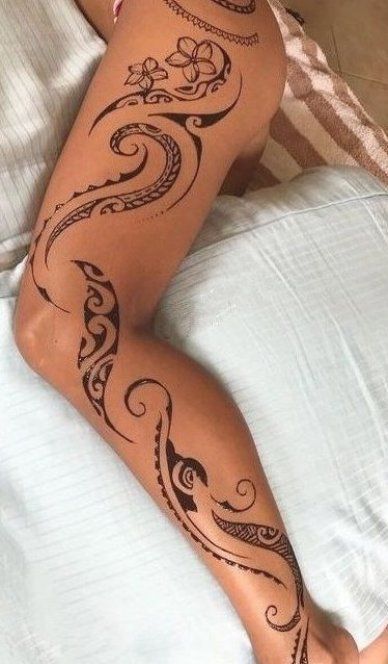
Polynesian tattooing encompasses styles from Samoa, Tonga, Tahiti, Marquesas Islands, and Hawaii. These designs are characterized by intricate geometric patterns with deep cultural meanings.
Key Elements:
Enata: Human figures representing ancestors, family, or warriors
Tiki: Spiritual guardians and protective symbols
Ocean Waves: Connection to the sea, journey, life cycles
Spearheads: Courage, warrior spirit, protection
Shark Teeth (Niho Mano): Power, adaptability, fearlessness
Turtle (Honu): Longevity, navigation, family
Cultural Note: Traditional Polynesian tattoos are earned through life experiences and carry family lineage. Non-Polynesians can respectfully wear Polynesian-inspired designs if done with cultural understanding and not claiming false heritage.
2. Maori Tattoos (Ta Moko)
Maori tattooing from New Zealand (Aotearoa) is distinct from other Polynesian styles, using curved spirals (koru) and intricate patterns unique to Maori culture.
Key Elements:
Koru: Unfurling fern spiral representing new life, growth, renewal
Manaia: Spiritual guardian, messenger between physical and spiritual worlds
Pikorua (Twist): Eternal bond, loyalty, friendship
Pakati: Dog-skin cloak pattern, rank and prestige
Unaunahi: Fish scales pattern, abundance and health
Cultural Protocol: Traditional moko (facial tattoos) are sacred to Maori people and should ONLY be worn by those of Maori descent. Body moko-inspired designs (kirituhi) can be worn by non-Maori when done respectfully and not claiming Maori identity.
3. Indigenous Australian Tattoos
Aboriginal and Torres Strait Islander communities have ancient body marking traditions, though less commonly seen as permanent tattoos historically (more often ceremonial body paint).
Contemporary Approach: Some Indigenous Australian artists are reviving traditional patterns in modern tattoo form. These should only be worn by Indigenous Australians or with explicit permission and cultural consultation.
4. Modern "Generic Tribal"
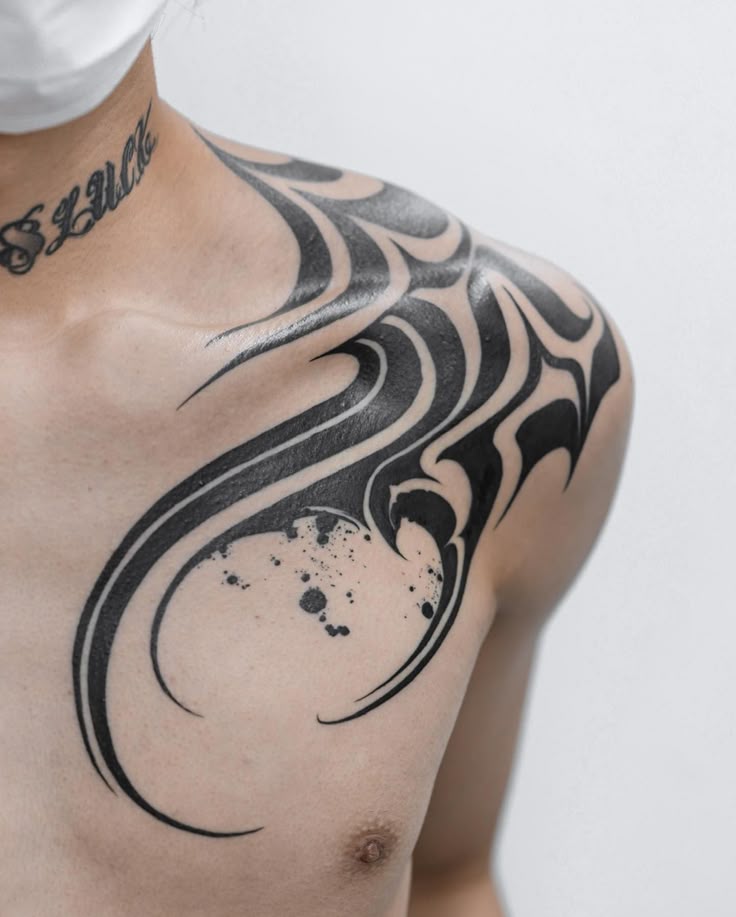
The abstract black tribal designs popular in the 1990s-2000s (often called "generic tribal" or "90s tribal") were Western interpretations disconnected from specific cultural traditions.
Characteristics: Bold black abstract shapes, no specific cultural meaning, purely aesthetic
Cultural Status: Not tied to any specific culture, freely available to anyone
Current Popularity: Less trendy than authentic cultural designs, sometimes seen as dated
Style | Origin | Visual Traits | Cultural Sensitivity |
|---|---|---|---|
Polynesian | Pacific Islands | Geometric patterns, ocean themes | Medium – Respectful inspired work OK |
Maori (Ta Moko) | New Zealand | Spirals (koru), curved lines | High – Facial moko only for Maori |
Indigenous Australian | Australia | Dot patterns, symbolic designs | Very High – Need cultural permission |
Generic Tribal | Western creation | Abstract black shapes | None – No cultural connection |
Cultural Appropriation vs Appreciation: Navigating Tribal Tattoos Respectfully
This is the most important section of this guide. Tribal tattoos carry deep cultural significance for the communities they originate from. Getting tribal ink without understanding this context can be disrespectful – or worse, culturally appropriative.
✅ Cultural Appreciation (Respectful Approach):
Research the Meaning: Understand what patterns symbolize before wearing them
Work with Cultural Artists: Choose tattoo artists from the culture or trained by cultural practitioners
Don't Claim False Heritage: Never pretend a tribal tattoo represents your own ancestry when it doesn't
Choose "Inspired" Designs: Polynesian-inspired designs that don't copy sacred family patterns
Acknowledge the Source: Be able to explain your tattoo's cultural background when asked
Pay Fair Prices: Traditional tribal artists deserve proper compensation for cultural knowledge
❌ Cultural Appropriation (What to Avoid):
Getting Maori facial moko patterns when you're not Maori
Copying specific family/tribal patterns without permission
Treating sacred symbols as purely aesthetic decoration
Getting Indigenous Australian designs without being Indigenous
Claiming your tribal tattoo represents heritage you don't have
Getting tribal work from artists with zero cultural knowledge
💡 Respectful Rule: If you're not from a specific tribal culture, choose "inspired by" designs created by cultural artists specifically for non-cultural clients. Many Pacific Islander tattoo artists offer beautiful Polynesian-inspired work that respects tradition while being appropriate for anyone to wear.
Questions to Ask Yourself Before Getting Tribal Ink:
Do I understand the cultural origin of this design?
Am I working with an artist knowledgeable about the culture?
Is this design appropriate for someone outside the culture?
Can I respectfully explain this tattoo's meaning if asked?
Am I getting this for the right reasons (appreciation, not trend)?
Tribal Tattoo Pricing in Australia (2025)
Authentic tribal tattoos from culturally knowledgeable artists range from $300 to $2,000+ depending on size, complexity, and whether it's done using traditional hand-tapping methods.
Price Breakdown:
Small Tribal Element (10-15cm): $300 - $500
Medium Piece (forearm/calf): $500 - $900
Half Sleeve Tribal: $900 - $1,500
Full Sleeve: $1,500 - $3,000+
Back Piece: $2,000 - $5,000+
Traditional Hand-Tapped (Tatau): $150 - $250/hour (often ceremonial pricing)
Why Traditional Tribal Work Costs More:
Cultural Knowledge: Artists trained in traditional methods command premium rates
Time-Intensive: Complex patterns and hand-tapping take significantly longer
Custom Design: Traditional artists create pieces specific to your story
Cultural Transmission: You're paying for generations of knowledge
Ceremonial Aspect: Traditional tattooing often includes cultural protocols and blessings
Artist Type | Hourly Rate | Full Sleeve Cost | Cultural Authenticity |
|---|---|---|---|
Traditional Polynesian | $200 - $300 | $2,000 - $4,000 | Highest |
Pacific Islander Artist | $180 - $250 | $1,500 - $3,000 | High |
Knowledgeable Specialist | $150 - $220 | $1,200 - $2,500 | Medium-High |
Generic Tribal Artist | $120 - $180 | $900 - $1,800 | Low (aesthetic only) |
Choosing the Right Tribal Tattoo Artist
For authentic tribal work, artist selection is critically important. You want someone who understands both the technical execution AND the cultural context.
Portfolio Must-Haves:
✅ Cultural Background: Pacific Islander heritage OR trained by traditional practitioners
✅ Tribal Specialization: Portfolio is primarily tribal work, not mixed styles
✅ Bold, Clean Lines: Smooth, powerful black lines without shakiness
✅ Proper Symmetry: Geometric patterns are precisely balanced
✅ Cultural Knowledge: Can explain symbolic meanings of patterns
✅ Healed Work: Photos showing how bold black tribal ages
✅ Community Respect: Positive reputation within Pacific Islander communities
Red Flags:
❌ Artist has zero knowledge of cultural meanings
❌ Treats all tribal styles as identical
❌ Copies sacred patterns without understanding appropriateness
❌ Wobbly or inconsistent bold lines
❌ No connection to or training in Polynesian/tribal cultures
❌ Disrespectful attitude toward cultural concerns
Consultation Questions:
"What's your cultural background or training in tribal tattooing?"
"Can you explain the meanings behind the patterns you use?"
"Is this design culturally appropriate for someone outside the culture?"
"Do you create custom tribal designs or use traditional templates?"
"Have you been trained in traditional hand-tapping methods?"
Best Body Placements for Tribal Tattoos
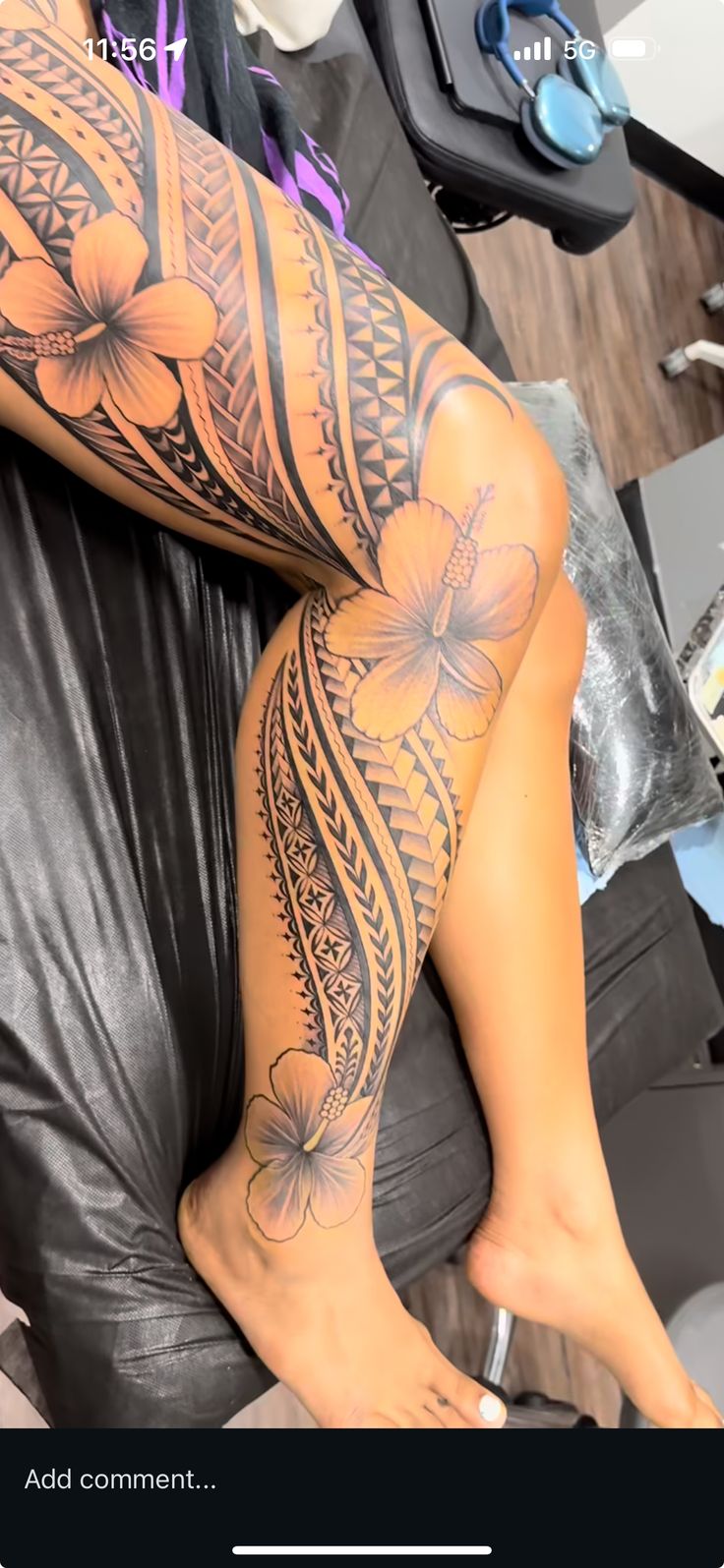
Traditional tribal designs were created to flow with the body's natural contours. Strategic placement honors this tradition and maximizes visual impact.
Traditional Placements:
🏆 Most Traditional:
Full sleeves (arm/leg), chest panels, back pieces, shoulder caps, full body suits (pe'a in Samoan tradition)
✅ Excellent for Tribal:
Forearms, calves, shoulders, thighs, upper back
⚠️ Less Traditional (but possible):
Small isolated tribal elements, wrists, ankles
❌ Culturally Sensitive (Use Caution):
Face (reserved for specific cultural contexts)
Sacred body parts in specific cultures
Placement | Cultural Tradition | Pain Level | Visual Impact |
|---|---|---|---|
Full Sleeve | Very traditional | 5-6/10 | Excellent |
Chest Panel | Very traditional | 6/10 | Excellent |
Back Piece | Traditional | 5/10 | Excellent |
Forearm Band | Common | 3-4/10 | Good |
Calf | Traditional | 4/10 | Good |
Tribal Tattoo Aftercare
Bold black tribal tattoos typically heal in 2-4 weeks. The heavy saturation requires slightly more care than lighter work.
First Week (Critical):
Keep Wrapped: 3-5 hours initial bandage (or second-skin 3-5 days)
Gentle Washing: 2-3x daily, antibacterial soap
Pat Dry: Clean paper towels only
Thin Moisturizer: Don't over-moisturize bold black work
Avoid Soaking: No swimming, baths, or long showers
Loose Clothing: Prevent fabric sticking to healing ink
Weeks 2-4:
Continue washing 1-2x daily
DO NOT pick peeling skin
Moisturize when dry
Avoid sun exposure completely
No heavy exercise for 2 weeks
Long-Term Care:
🌞 Daily SPF 50+: UV protection is essential for black ink longevity
💧 Moisturize Regularly: Keeps black ink deep and rich
🚫 Avoid Harsh Scrubbing: Don't exfoliate tattooed areas aggressively
🔄 Touch-Ups: Bold tribal may need filling every 5-10 years
🌟 Traditional Healing: Some traditional Polynesian practitioners recommend specific healing protocols including ocean water exposure (once initial healing completes). Always follow your artist's specific aftercare instructions, especially for culturally traditional work.
Is Tribal Tattooing Right for You?
Choose tribal tattoos if you:
✅ Have cultural connection to the tradition OR deep respect for its origins
✅ Want bold, powerful designs that make strong visual statements
✅ Appreciate tattoos with deep symbolic meaning
✅ Are willing to research cultural context and protocols
✅ Can commit to large-scale pieces (tribal works best at size)
✅ Want tattoos that age exceptionally well
✅ Value tradition and cultural artistry over trendy aesthetics
Tribal tattooing represents some of humanity's oldest and most meaningful body art traditions. Whether you're honoring your Pacific Islander heritage or respectfully appreciating these powerful designs, approaching tribal ink with cultural knowledge, proper artist selection, and genuine respect ensures your tattoo honors the tradition rather than appropriates it.
Ready to explore tribal tattooing? Browse verified portfolios of Pacific Islander artists and culturally knowledgeable tribal specialists across Australia. Find artists who understand both the technical execution and cultural significance, ensuring your tribal ink is both beautiful and respectful.
Explore More
Find Tattoo Shops
Browse by Style
Stay Updated with the Latest Insights!
Get the latest news and updates delivered to your inbox.
Related Articles
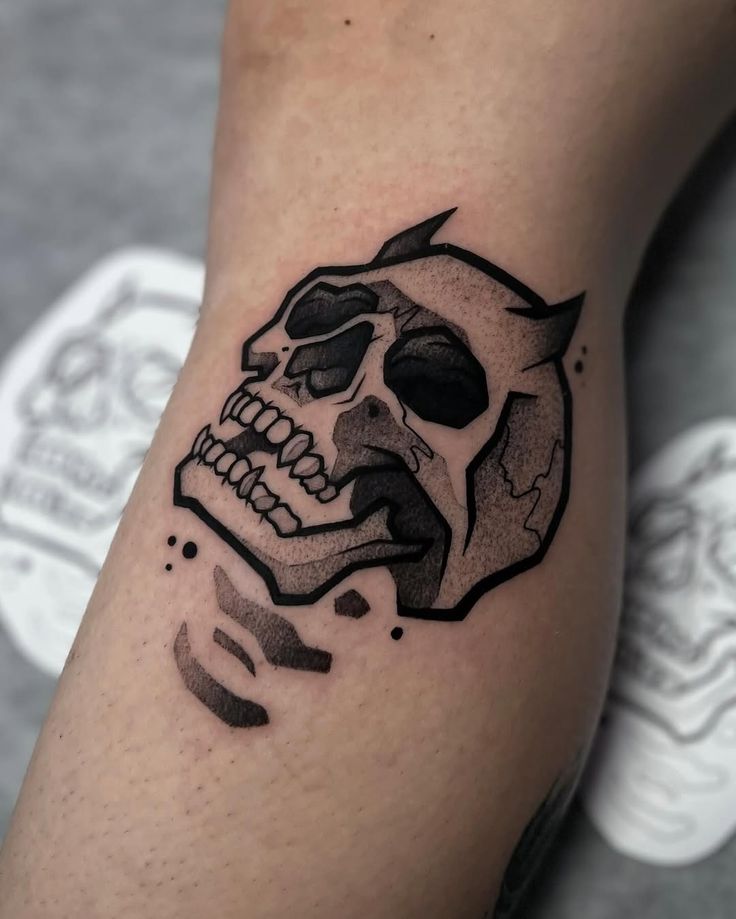
Blackwork Tattoo Guide Australia: Bold Dark Art & Pricing 2025
Complete guide to blackwork tattoos in Australia: bold black ink designs, sacred geometry, dotwork, pricing ($250-$600+), and stunning dark art inspiration.
Read More
Tattoo Price Guide
Tattoo price guide for Australia 2026. Hourly rates, by-style and by-size pricing, city comparison, hidden costs, and how to budget.
Read More
Tattoo Blowout Guide Australia 2026: Prevention, Causes & Fix Options
Tattoo blowout guide for Australia 2026. What it is, causes, prevention, fix options, and when to consider a cover-up or laser correction.
Read More