Watercolor Tattoo Guide Australia: Myths, Longevity & Maintenance 2025
Watercolor Tattoo Guide: Art That Flows on Skin
Imagine a tattoo that looks like it was painted onto your skin with delicate brushstrokes, vibrant splashes of colour bleeding organically across your body like watercolour on canvas. Watercolor tattoos burst onto the tattoo scene in the early 2010s, revolutionizing the industry with their soft gradients, abstract compositions, and painterly aesthetic. Unlike traditional bold-lined tattoos, watercolor pieces embrace fluidity, transparency, and artistic spontaneity.
But with their rising popularity came controversy and myths – particularly about longevity and durability. Critics claimed watercolor tattoos would fade rapidly and become unrecognizable blurs. Proponents argued that with proper technique and care, they age as beautifully as any other style. So what's the truth? This comprehensive guide cuts through the noise to give you facts about watercolor tattoos in Australia: what defines the style, the truth about longevity and aging, maintenance requirements, pricing expectations, how to find skilled watercolor artists, and whether this ethereal style is right for you.
What is Watercolor Tattoo Style?
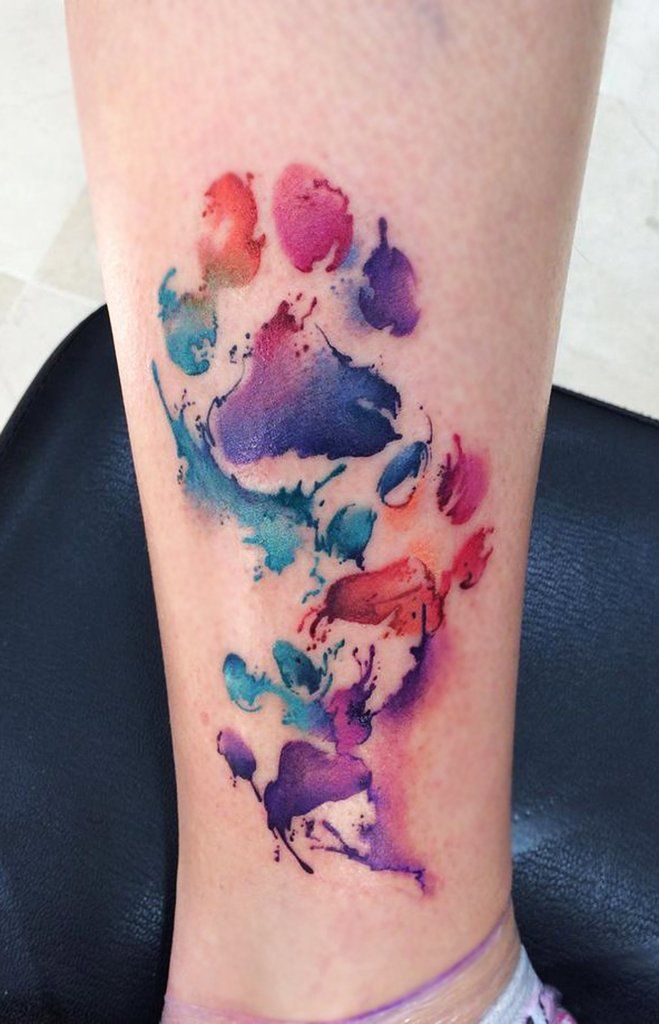
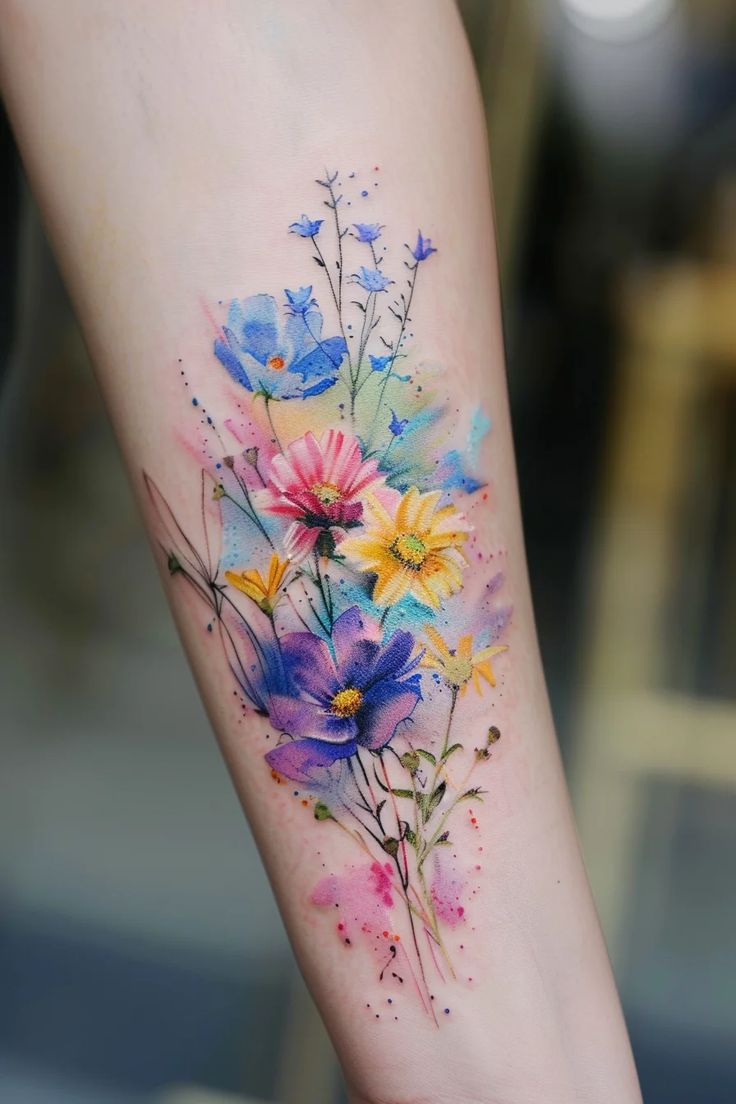
Watercolor tattooing mimics the aesthetic of watercolor painting: soft edges, colour bleeding, translucent layers, and often minimal or absent black outlines. The style creates the illusion that paint was directly applied to skin.
Defining Characteristics:
Soft, Painterly Aesthetic: Replicates brushstrokes and paint texture
Colour Splashes & Bleeds: Colours intentionally "run" into each other
Minimal or No Black Outlines: Unlike traditional styles, many pieces have no defining borders
Translucent Layers: Multiple washes of colour creating depth
Abstract Elements: Drips, splatters, brush marks, colour gradients
Soft Edges: Blurred boundaries rather than crisp lines
Vibrant Colour Palette: Often features pastels, bright hues, and colour mixing
The style emerged as artists like Amanda Wachob and Ondrash began experimenting with less structured, more painterly approaches to tattooing, challenging the dogma that "all tattoos need black outlines to age well."
Watercolor Tattoo Variations
Not all watercolor tattoos are created equal. The style encompasses several distinct approaches:
1. Pure Watercolor (No Outlines):
Only colour and shading, no black borders
Most abstract and painterly
Highest artistic skill required
More controversial for longevity
2. Outlined Watercolor:
Black or dark outline with watercolor fill
Combines traditional structure with watercolor aesthetics
Better long-term aging (outline maintains shape)
Most popular and recommended approach
3. Sketch + Watercolor:
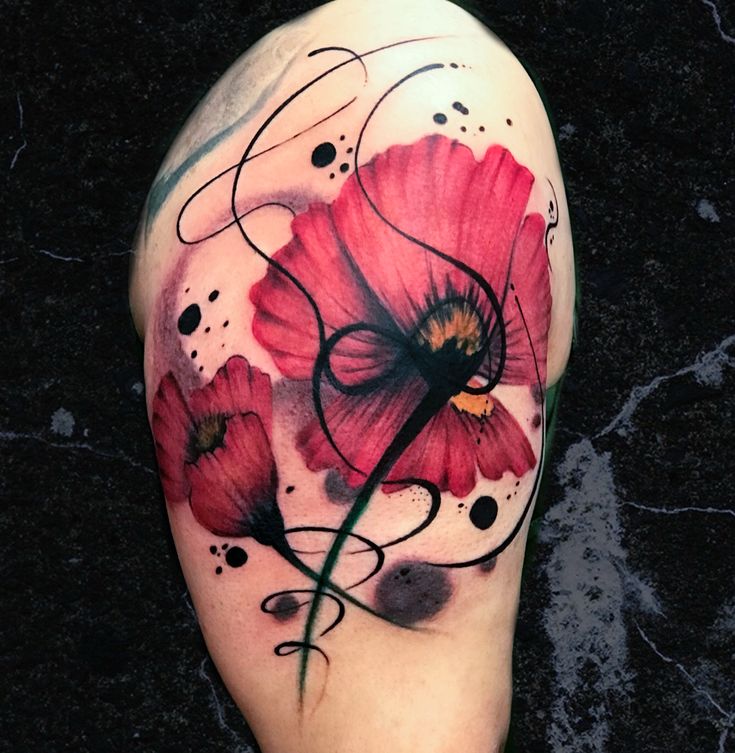
Sketchy, incomplete black lines combined with colour washes
Artistic, illustrative appearance
Balance between structure and freedom
Versatile for many subjects
4. Watercolor Background/Accent:
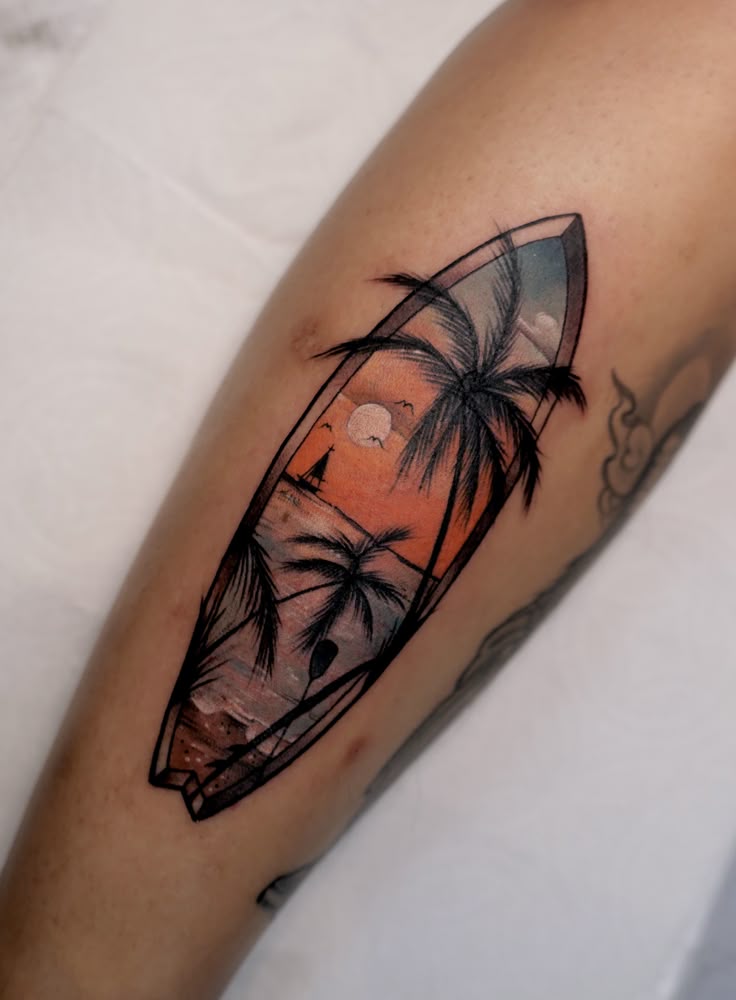
Solid traditional subject with watercolor background
Adds colour without compromising subject integrity
Excellent compromise for cautious collectors
Ages most predictably
The Longevity Debate: Separating Myth from Fact
Perhaps no tattoo style generates more debate than watercolor regarding how it ages. Let's address this scientifically.
Myth #1: "Watercolor tattoos fade faster than traditional tattoos"
The Truth:
All tattoos fade over time – the rate depends on multiple factors, not style alone:
Ink Depth: How deep ink is placed in dermis (technique-dependent, not style-dependent)
Colour Choice: Pastels and light colours fade faster in ANY style
Sun Exposure: UV radiation is the #1 cause of fading for ALL tattoos
Skin Type: Individual skin chemistry affects retention
Aftercare: Proper care preserves ALL tattoos equally
The issue isn't that watercolor tattoos fade faster – it's that fading is more visible when there are no bold black outlines to maintain structure. A traditional tattoo with thick borders maintains its shape even if internal colour fades. A pure watercolor piece may blur or lose definition as colours lighten.
Myth #2: "Watercolor tattoos become muddy blobs after a few years"
The Truth:
Poorly executed watercolor tattoos by inexperienced artists DO blur prematurely. However, skilled watercolor artists use specific techniques to ensure longevity:
Strategic Ink Placement: Proper depth and saturation
Colour Separation: Maintaining distinct colour zones
Hidden Structure: Subtle darker tones creating "invisible" framework
Appropriate Sizing: Avoiding too-small pieces that lose detail
Proper Contrast: Balancing light and dark values
A well-executed watercolor tattoo by a skilled artist can maintain its beauty for 10-15+ years before potentially needing touch-ups – comparable to other colour-heavy styles.
Myth #3: "Watercolor tattoos don't need outlines"
The Truth:
While pure watercolor pieces exist without outlines, most professional watercolor artists recommend at least light outlines or structural elements for longevity. This can be:
Subtle black or dark-coloured outlines
Sketchy, incomplete linework
Strategic dark values creating hidden structure
Combination of outlined subject with watercolor background
Think of outlines as the "skeleton" that preserves your tattoo's shape as it ages.
Expert Consensus: The watercolor tattoo longevity debate has largely been resolved – the style CAN age well when executed by skilled artists with proper technique. The horror stories typically come from early 2010s experimental work before best practices were established.
How Watercolor Tattoos Age: Real Expectations
Here's what you can realistically expect from a quality watercolor tattoo:
Years 1-3:
Tattoo looks vibrant and painterly
Colours remain bright with proper sun protection
Shape and definition well-maintained
Minimal visible aging
Years 4-7:
Gradual, natural fading begins (all tattoos experience this)
Pastels may lighten noticeably
Darker colours remain relatively stable
Overall composition still clear and beautiful
Some blurring at softest edges
Years 8-12:
Noticeable fading, especially in light colours
May benefit from touch-up/colour refresh
Outlined pieces maintain shape better
Pure watercolor pieces may need more significant work
Still recognizable and attractive with proper care
Years 12+:
Touch-ups likely needed to restore vibrancy
Well-executed pieces still have good bone structure
Poorly executed early pieces may look muddy (artist skill issue, not style)
Factors That Extend Longevity:
Daily SPF 50+ sunscreen: Cannot be overstated for Australian climate
Moisturized skin: Healthy skin holds ink better
Strategic placement: Protected areas age better (upper arm vs forearm)
Skilled artist: Proper technique is EVERYTHING
Some structure/outlines: Even subtle ones help dramatically
Appropriate size: Larger pieces preserve detail longer
Popular Watercolor Tattoo Subjects
1. Floral Designs:
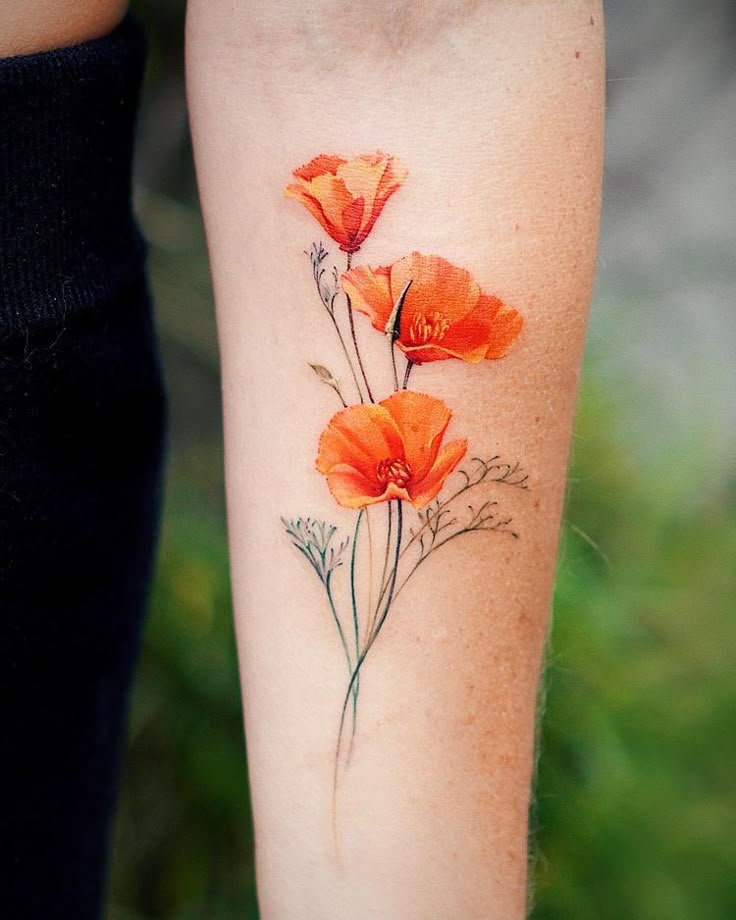
The most popular watercolor subject – flowers lend themselves beautifully to soft, flowing colour.
Roses, peonies, cherry blossoms, lilies
Wildflower bouquets
Abstract floral compositions
Single statement flowers
2. Animals & Wildlife:
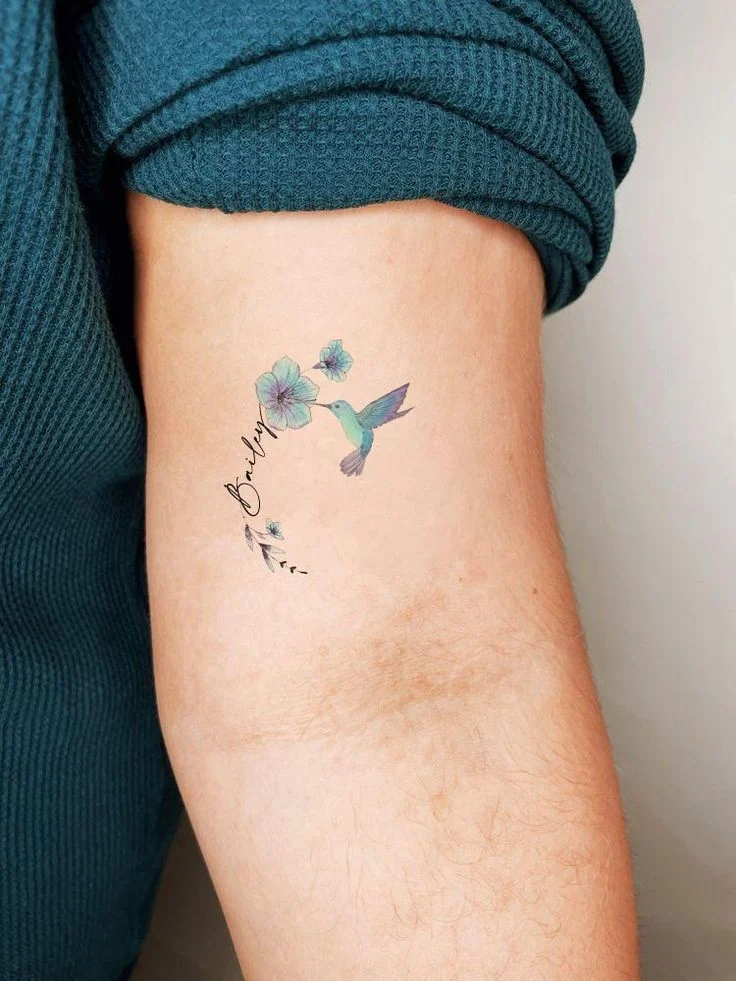
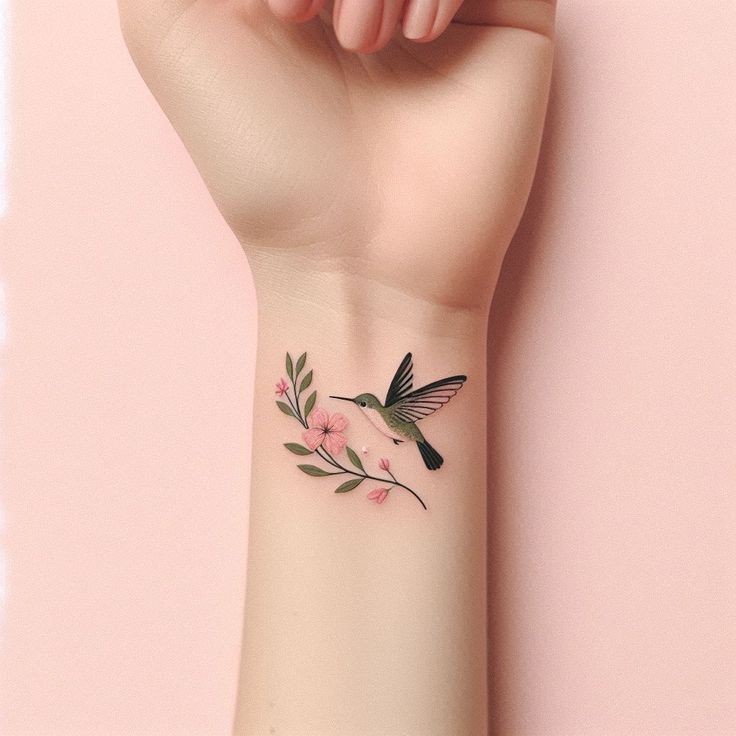
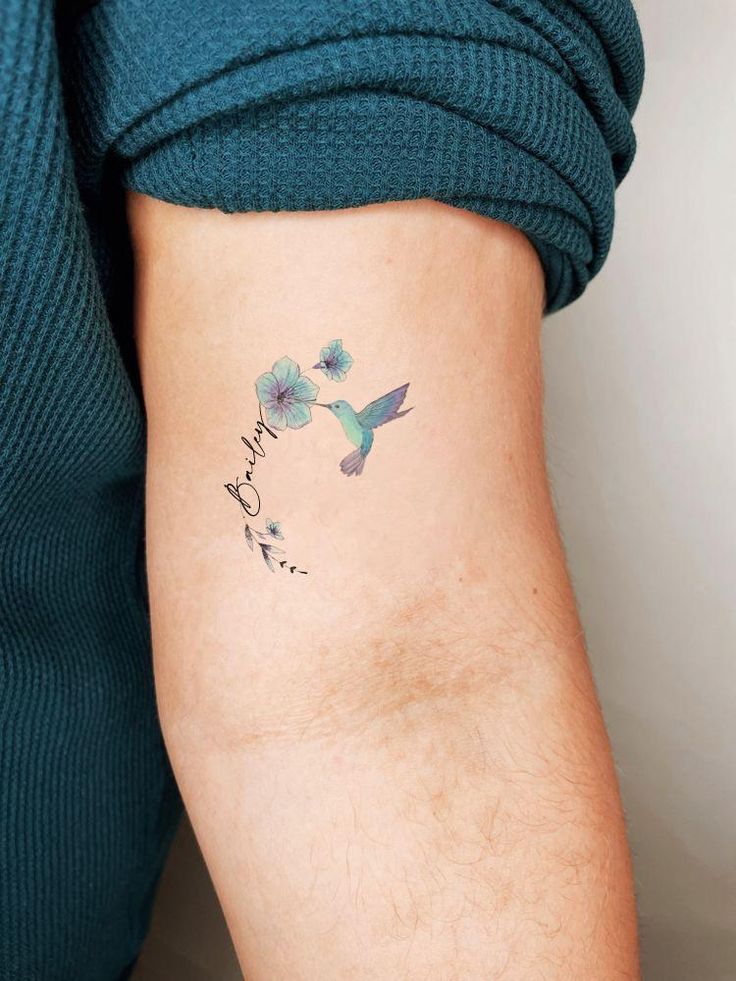
Hummingbirds, butterflies, dragonflies (delicate subjects)
Wolves, foxes, deer (painterly portraits)
Ocean life (jellyfish, sea turtles, fish)
Abstract animal silhouettes with colour splashes
3. Abstract Art:
Pure colour compositions
Geometric shapes with watercolor fill
Brush strokes and paint splatters
Colour therapy/chakra-inspired pieces
4. Meaningful Symbols:
Feathers, dreamcatchers, mandalas
Celestial imagery (moons, stars, galaxies)
Minimalist symbols with colour accents
Quote/text with watercolor background
5. Nature Scenes:
Forests, mountains, landscapes
Sunset/sunrise colour gradients
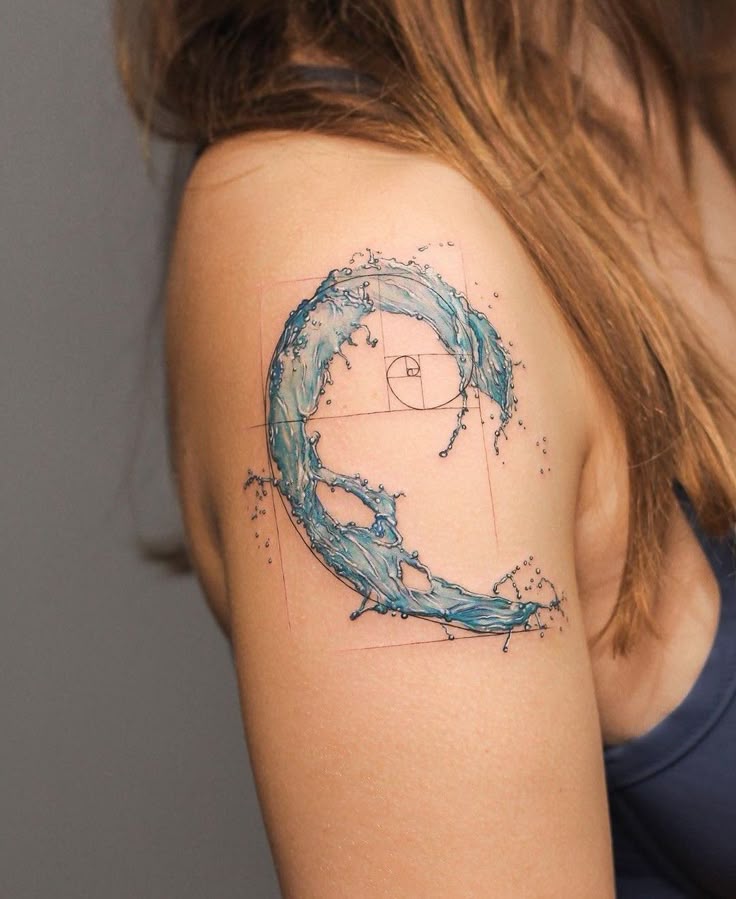
Ocean waves and beaches
Northern lights/aurora borealis
Watercolor Tattoo Pricing in Australia (2025)
Watercolor tattoos often command premium pricing due to the artistic skill required to execute the style convincingly.
Hourly Rates:
General Tattoo Artists (occasional watercolor): $150-$220/hour
May not have specialized watercolor training
Suitable for simple watercolor accents
Higher risk of poor aging
Watercolor Specialists: $200-$350/hour
Dedicated watercolor portfolio
Understanding of longevity techniques
Consistent quality and aging results
Master Watercolor Artists: $350-$500+/hour
Internationally recognized
Pioneered techniques for better aging
Extensive healed work examples
Project-Based Pricing:
Project | Size | Hours | Price Range |
|---|---|---|---|
Small Watercolor Flower | 8-10cm | 2-3 hours | $400-$900 |
Medium Floral/Animal | 15-20cm | 4-6 hours | $800-$1,800 |
Large Thigh/Back Piece | 25cm+ | 8-12 hours | $1,600-$4,200 |
Watercolor Sleeve | Full arm | 15-25 hours | $3,000-$8,750 |
Why Watercolor Can Cost More:
Artistic Skill: Requires painterly eye and colour theory mastery
Time-Intensive: Multiple colour layers and blending take time
Specialization: Fewer artists excel at authentic watercolor work
Custom Design: Rarely works from flash – usually fully custom
Choosing the Right Watercolor Tattoo Artist
This style requires specific expertise. Here's how to identify skilled watercolor artists:
Essential Portfolio Elements:
Healed Work Photos: CRITICAL – demand to see 1-5+ year healed examples
Colour Variety: Demonstrates understanding of different pigment behaviors
Strategic Structure: Even "outline-free" pieces should have subtle dark values
Clean Colour Separation: Colours don't muddy or blend unintentionally
Appropriate Sizing: No tiny watercolor pieces (shows understanding of aging)
Consistent Quality: Multiple strong watercolor examples, not one-offs
Questions to Ask:
"Can I see healed watercolor tattoos you've done, especially 3-5 years old?"
"Do you recommend any outline or structure for longevity?"
"How do you ensure colour separation as the tattoo ages?"
"What size do you recommend for this design to age well?"
"What's your approach to sun-sensitive colours like pastels?"
"Do you offer touch-ups, and at what cost?"
Red Flags:
No healed watercolor examples (only fresh work)
Promising watercolor tattoos "never need touch-ups"
Willing to do very small (under 8cm) pure watercolor pieces
Portfolio shows muddy, unclear colour blending
Dismissive about longevity concerns
Limited watercolor portfolio (under 10 pieces)
Watercolor Tattoo Maintenance & Care
Initial Healing (2-4 weeks):
Follow artist aftercare instructions precisely
Keep clean and moisturized (fragrance-free products)
NO sun exposure during healing
No swimming, soaking, or excessive sweating
Let scabs fall naturally – never pick
Long-Term Preservation (CRITICAL for Watercolor):
Daily SPF 50+ Sunscreen: Absolutely non-negotiable
Apply every morning, even indoors (UV penetrates windows)
Reapply every 2 hours when outdoors
In Australia's harsh sun, this is MANDATORY
Cover When Possible:
Wear sleeves at the beach
Use UV-protective clothing
Seek shade during peak UV hours (10am-4pm)
Moisturize Daily:
Keeps skin supple and colours vibrant
Use fragrance-free, tattoo-safe lotions
Consistency is key
Stay Hydrated:
Drink adequate water for skin health
Healthy skin retains ink better
Avoid Tanning:
No sunbathing on tattooed areas
Tanning beds are catastrophic for watercolor tattoos
Plan for Touch-Ups:
Budget for colour refresh every 5-10 years
Watercolor typically needs touch-ups slightly more frequently than heavy traditional work
Think of it like maintaining fine art
Australia-Specific Challenges:
Australia has some of the world's highest UV radiation levels, posing particular challenges for watercolor tattoos:
UV Index regularly exceeds "Extreme" (11+) in summer
Even winter sun can damage tattoos
Outdoor lifestyle means more sun exposure
Beach culture requires extra vigilance
Solution: Make sun protection a non-negotiable part of your daily routine. The investment in sunscreen is far less than premature touch-ups.
Is Watercolor Right for You?
Watercolor is GREAT if you:
Love soft, artistic, painterly aesthetics
Want something unique and non-traditional
Are committed to diligent sun protection
Don't mind eventual touch-ups (view tattoos as living art requiring care)
Appreciate the trade-off: ethereal beauty now, maintenance later
Can find a skilled watercolor specialist
Consider other styles if you:
Want absolute minimal maintenance
Spend extensive time outdoors without sun protection
Prefer bold, high-contrast designs
Are not prepared for touch-up costs
Cannot find a reputable watercolor specialist nearby
Frequently Asked Questions
Will my watercolor tattoo look like a blob in 5 years?
No – if done by a skilled artist with proper technique and cared for correctly (especially sun protection), watercolor tattoos maintain their beauty for many years. Horror stories typically come from poor execution or neglect.
Do watercolor tattoos hurt more?
No – pain depends on placement, not style. Watercolor uses the same tattooing technique as any other style.
Can I get watercolor without any black outlines?
Yes, but most professionals recommend at least subtle structure for longevity. Pure outline-free watercolor can work but requires exceptional artist skill and often more aggressive touch-ups.
How often do watercolor tattoos need touch-ups?
With proper care (especially sun protection), quality watercolor tattoos may need minor touch-ups every 7-10 years. Neglected or poorly executed pieces may need work sooner (3-5 years).
Are watercolor tattoos safe?
Yes – they use the same inks and techniques as traditional tattoos. The style difference is aesthetic, not safety-related.
Can watercolor tattoos be touched up?
Absolutely – and it's expected. Touching up watercolor is typically easier than other styles because you're adding fresh colour, not re-outlining complex shapes.
Ready for Your Watercolor Masterpiece?
Watercolor tattoos offer a unique, artistic alternative to traditional tattooing – soft, flowing, and undeniably beautiful. While they require commitment to proper care (especially sun protection in Australia's harsh climate), the payoff is a living piece of wearable art that captures the delicate magic of watercolor painting on skin.
Find skilled watercolor tattoo specialists across Australia on TattooNearMe. Filter by style, review portfolios with healed work, read client experiences, and book consultations with artists who'll create painterly perfection that ages beautifully.
Explore More
Find Tattoo Shops
Browse by Style
Stay Updated with the Latest Insights!
Get the latest news and updates delivered to your inbox.
Related Articles
Finger Tattoos Australia 2026: Complete Guide to Designs, Fading and Cost
Finger tattoo guide for Australia in 2026. Designs, pain, fading truths, healing tips, ring tattoos and price bands. What to book and what to skip.
Read More
Tattoo Insurance Australia 2026: Coverage, Costs and What Clients Should Ask
Public liability, product liability and blood-borne cover for Australian tattoo studios in 2026. Costs, exclusions and what clients should ask before booking.
Read More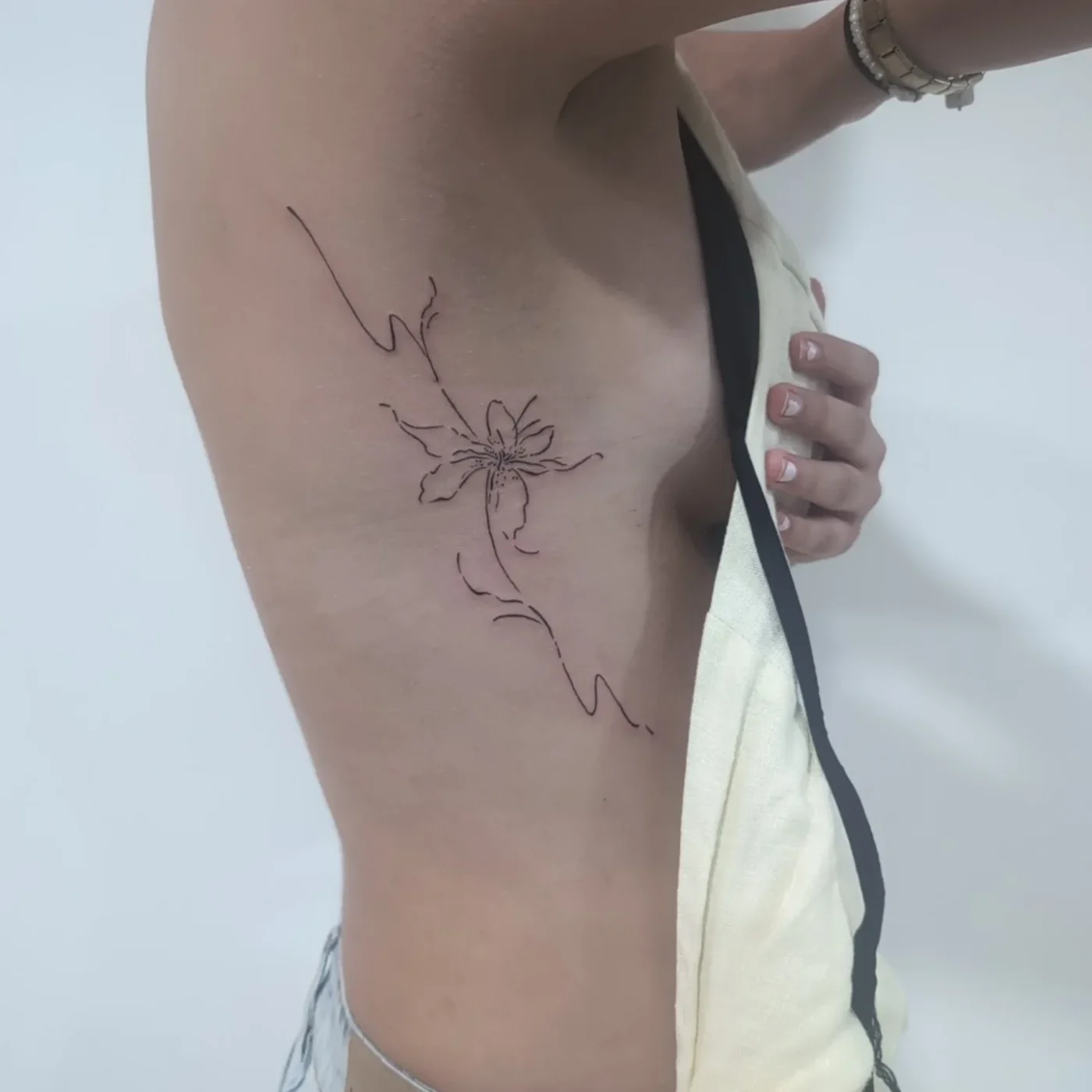
Gen Z Tattoo Trends Australia 2026: Micro Ink, Fine Line and TikTok Influence
Gen Z tattoo trends in Australia for 2026: micro ink, fine line, matching sets, angel numbers and hidden placements. Prices, aesthetics and the TikTok effect.
Read More