Hand Tattoo Ideas 2026: Knuckles, Fingers and Palm Designs in Australia
There is a particular moment in every hand tattoo consultation when the conversation pauses and the artist asks a question that sounds simple but carries real weight: have you thought this through? Not about regret. About where you'll be in five years: your career, your lifestyle, how often you wash your hands, whether you spend your days outdoors. It is the question that separates hand tattooing from almost every other placement, and the artists who ask it are the ones worth booking.
In 2026, hand tattoos occupy a fascinating position in Australian tattoo culture. They've moved well beyond the subcultures that first popularised them, into the portfolios of architects, chefs, teachers, and tradespeople. The craft has never been stronger. But the fading reality, the pain profile, the aftercare paradox, and the professional visibility have not changed simply because the style has gone mainstream. Knuckles still bruise the needle. Palms still shed ink faster than almost any surface on the body. And a hand tattoo, unlike virtually any other placement, cannot be covered by a shirt collar or sleeve. This guide gives you the honest, complete picture before you book.

Key Takeaways Before You Book
- Hand tattoos fade significantly faster than most placements. Inner palms and finger sides lose the most definition, often within the first year.
- Pain ratings range from 7 out of 10 for the back of the hand to 10 out of 10 for knuckles, finger joints, and the inner palm.
- Bold blackwork and traditional styles hold far better on hands than fine line, watercolour, or realistic work.
- Many experienced hand artists include one complimentary touch-up in their pricing. Clarify this before you book.
- Australian hand sessions typically run $200 to $900 depending on placement, size, and city.
- Aftercare is uniquely demanding: you must wash your hands repeatedly each day while also keeping the skin moisturised.
- Hands cannot be covered by standard professional attire. Career considerations deserve honest reflection before you commit.
Understanding Hand Anatomy for Tattoo Placement
The hand is not one surface. For tattooing purposes it is five or six distinct zones, each with different skin depth, movement patterns, and longevity outcomes.
Back of the Hand
The dorsal surface is the most common hand placement and the most forgiving. The skin holds bold work for several years before touch-up becomes necessary. Designs need to account for the flexion lines at the knuckle joints; bold compositions that work with those lines or scale beyond them fare best. Expect visible line softening and a modest grey shift within two to three years.
Inner Palm
The inner palm is the most challenging surface in tattooing. Palm skin regenerates far faster than most of the body, built to replace surface cells rapidly under constant mechanical stress. Ink placed here can begin to blur within weeks. Some artists refuse palm tattoos entirely; others proceed with a clear agreement that multiple sessions are part of the plan. Success, when it comes, depends entirely on very bold, graphic work with thick lines and minimal fine detail.
Knuckles
Knuckle tattoos have a long cultural lineage and can be beautifully executed when the design suits the surface. The skin sits directly over bone, flexes hundreds of times each day, and offers minimal depth. Fine script blurs within a couple of years; bold block capitals and strong graphic marks with heavy ink density have a much better track record.
Fingers and Their Lateral Surfaces
The dorsal surface of each finger holds reasonably well for bold work. The lateral surfaces (the sides, sometimes called the chops) are among the most difficult surfaces for longevity: skin is very fine, subject to enormous movement, and receives constant friction. Rings on tattooed fingers create localised fading at the band location. Accept regular maintenance as part of owning any finger tattoo.
Side of Hand (Karate Chop Edge)
The medial edge of the hand runs from the wrist to the base of the little finger and is increasingly popular among collectors who want a less immediately prominent position. The narrow linear canvas suits single words, botanical stems, small sequential symbols, or a clean band. It fades at a moderate rate, between the back-of-hand and worst finger rates.
Placement Zones at a Glance
| Zone | Pain Rating | Fading Risk | Best Styles | Notes |
|---|---|---|---|---|
| Back of hand | 7/10 | Moderate to high | Blackwork, traditional, geometric | Most popular; knuckle joints cause movement distortion |
| Inner palm | 9/10 | Extreme | Bold graphic, thick lines only | Many artists decline; multiple sessions expected |
| Knuckles | 10/10 | High | Traditional block lettering, bold symbols | Bone proximity and constant flexion make this the hardest zone |
| Finger tops | 8/10 | High | Blackwork bands, bold minimalist marks | Rings on adjacent fingers accelerate fading |
| Finger sides | 9/10 | Very high | Simple bold line, small symbols | Skin is extremely fine; fades fastest of all zones |
| Karate chop edge | 8/10 | Moderate to high | Linear text, botanical stems, bands | Narrow canvas; striking surface creates ongoing friction |
| Wrist-to-hand transition | 5/10 | Moderate | Most styles acceptable | More forgiving; good structural anchor for a full hand piece |
The Pain Reality: Hands Are Among the Most Difficult Placements
If you have tattoos elsewhere and are using that experience as your benchmark, prepare to recalibrate significantly. The hands contain one of the densest concentrations of nerve endings in the body, a feature of human anatomy that enables fine motor control. That same density is exactly what makes tattooing them so demanding. Add the vibration that travels through thin skin when the needle works close to bone and the experience is qualitatively different from tattooing over muscle.
Most experienced hand artists structure sessions to two to three hours at most. The client's pain tolerance tends to decline sharply beyond that point, and the artist's concentration benefits from not pushing further. A common description: the first twenty minutes feel intense but manageable; the second twenty require real focus; everything beyond forty-five minutes demands genuine mental discipline to stay still. Knuckles and inner palm are almost universally cited as the worst zones. The back of the hand is usually described as aggressive but bearable for people with prior tattoo experience.
- Eat a substantial meal two to three hours before your session. Low blood sugar amplifies pain and can cause nausea.
- Stay well hydrated in the days before. Dehydrated skin is harder to work with and makes the experience more uncomfortable.
- Ask your artist about topical numbing options. Not all use them, but for palm and knuckle work it is a reasonable question.
- Schedule early in the day. Pain thresholds are generally higher before accumulated fatigue sets in.
- Take a brief break if needed. Quality artists expect this on hand sessions.
The Fading Crisis: Why Hands Age Differently
Hand tattoos fade at a rate that genuinely surprises many clients. Several compounding factors work against longevity, and understanding them informs every design decision that follows.
Accelerated skin cell turnover. Palm and finger skin regenerates significantly faster than most of the body, built to replace surface cells rapidly under constant mechanical stress. The faster the skin renews, the faster tattooed pigment in the upper layers disperses. This is the primary reason palm tattoos fade so dramatically; it is biology, not a failure of technique.
Constant washing. Most Australians wash their hands eight to twelve times per day. Each cycle, particularly with soap, strips surface oils and mildly exfoliates the skin. Thousands of wash cycles per year work against the tattoo's clarity continuously. Switching to a gentle, fragrance-free hand wash makes a measurable difference over time.
UV exposure without cover. Hands are rarely shielded from sunlight during daily activity. In Australia, where UV indices are among the highest in the world, the cumulative radiation dose hands receive across a year is substantial. Ultraviolet light breaks down all tattoo pigments. Black ink is the most UV-stable, which is one reason blackwork consistently outperforms colour work on hands over time. Coloured pigments, particularly yellows, pinks, and light blues, can shift to near-invisibility within two to three years on an unprotected hand.
Friction and mechanical abrasion. Everyday tasks: carrying bags, typing, cooking, and gardening all subject hand tattoos to low-level but relentless friction. This gradually softens line work and blurs fine detail slowly and invisibly. Bold, heavy lines are more resistant to this process than fine or delicate work, which is a practical necessity for this placement, not merely a stylistic preference.
Fading Timeline by Zone
| Zone | At 1 Year | At 3 Years | At 5 Years |
|---|---|---|---|
| Back of hand (blackwork) | Lines soften slightly; 5 to 10% grey shift | Moderate spreading; fine detail loss begins | Bold lines hold; fine areas largely gone |
| Back of hand (colour) | Noticeable colour fade; pastels worst affected | Significant colour loss; green-grey shift common | Colour may read largely grey; rework needed |
| Inner palm | Heavy blurring or near-complete fade common | Often unrecognisable without touch-ups | Requires multiple sessions to maintain any clarity |
| Knuckles | Letters spread slightly; 10 to 20% softening | Letter shapes blur; filling between letters common | Bold capitals survive; fine work gone entirely |
| Finger tops | Lines spread outward; bands thicken slightly | Moderate to significant detail loss | Bold bands legible; fine designs blurred or gone |
| Finger sides | Significant fade; up to 40% loss common | Fine detail gone; only bold marks survive | May need full rework to remain legible |
| Karate chop edge | Moderate softening; lines thicken slightly | Moderate fade; bold work still reads clearly | Legible if originally bold; fine work blurred |
The Professional Reality: Hands Are Always Visible
The fundamental difference between a hand tattoo and almost every other placement is that hands cannot be covered by standard professional attire. A sleeve disappears under a shirt. A chest piece is invisible in business wear. A hand tattoo is present in every professional and social encounter: interviews, client meetings, teaching environments, and service interactions all involve hands being prominent and in motion.
Industries Where Hand Tattoos Are Broadly Accepted
- Creative industries: graphic design, photography, music, film, and advertising
- Hospitality and food and beverage: chefs, baristas, bartenders, and restaurant floor staff in most metropolitan venues
- Trades and construction: electricians, plumbers, carpenters, and builders
- Retail in fashion, fitness, and lifestyle sectors in major cities
- Technology and startup environments
- The tattoo, piercing, and beauty industry itself
Industries Where Friction Remains
- Corporate finance, law, and accounting firms, particularly at senior client-facing levels
- Government and public sector roles, particularly uniformed services
- Primary school teaching, where parental community expectations vary by region
- Healthcare, where some hospital and aged-care policies still restrict visible tattoos
- High-end hospitality such as luxury hotels and fine dining with strict presentation standards
"The clients I worry about are not the ones who regret the design. They're the ones who got the hand tattoo during a freelancing period and then moved into a corporate role they hadn't anticipated. Planning for career flexibility is not about limiting your expression; it's about making a decision that serves your whole life."
Design Rules for Hand Tattoos That Last
The most important principle for hand tattoo design is straightforward: bold work survives, fine work disappears. This is not a stylistic judgment but a direct consequence of how hand skin behaves over time. An artist who assures you that fine-line, hair-stroke, or highly realistic work will hold on the hand is either inexperienced with this placement or is not giving you the full picture.
Line weight is not negotiable. Minimum line weight for hands should be significantly heavier than for a thigh, arm, or back tattoo. Lines you might consider heavy for forearm work are appropriate starting points for hand work. The skin movement, rapid turnover, and UV exposure of the hand will soften every line over time; starting heavier gives the design its best chance of remaining legible at the three- and five-year marks.
Styles that work. Blackwork with heavy fills and strong graphic contrast is the most durable choice for hands. Black ink is the most UV-stable pigment. Traditional and neo-traditional tattooing with thick outlines and bold colour fills has a long proven track record. Geometric designs with clean strong lines and solid fills perform well, particularly mandalas on the back of the hand where the symmetry reads from a central axis. Tribal and Polynesian-influenced work with heavy black fills is among the most time-tested globally for hand placement.
Styles to approach with caution. Fine line work that looks precise at three months can become unrecognisable at two years. Watercolour and painterly styles have essentially no structural resilience on this surface. Photorealism depends on subtle gradients and controlled mid-tones that are compromised early by hand fading. Fine-weight calligraphic scripts commonly become illegible within three to five years without touch-up.
35+ Hand Tattoo Design Ideas for 2026
Organised by placement zone, with style and longevity notes for each. Use these as starting points for your consultation rather than finished briefs.
Back of Hand Designs
- Spider web. The radiating structure works with the hand's natural anatomy. Bold blackwork lines hold well; best flowing from the wrist across the dorsal surface toward the finger bases.
- Eye of Providence. A bold, graphic symbol that suits the central back-of-hand position. Works in traditional, neo-traditional, or blackwork; the triangular geometry anchors naturally to the hand's central axis.
- Full-hand mandala. A symmetrical geometric mandala spanning wrist to finger bases. Requires a skilled artist with strong linework. Best in solid blackwork. See geometric ideas for reference.
- Graphic anatomical heart. Bold, not photorealistic. The organic but structured shape translates well to blackwork or traditional colouring with heavy outlines.
- Botanical cage. Branches, leaves, and stems framing the hand in heavier-than-fine-line weights. The flowing forms incorporate the hand's natural movement lines.
- Traditional skull. From American old-school to Japanese-influenced, skulls on the back of the hand have a long proven lineage. Bold versions with solid fills hold exceptionally well.
- Coiled serpent. A winding snake across the dorsal surface, often positioned with the head near the index finger. Traditional or blackwork; the sinuous form works naturally with the hand's shape.
- Celtic knotwork panel. Interlocking knotwork adapted to the rectangular canvas. Requires an artist experienced in Celtic geometry to maintain the pattern integrity across the knuckle line.
- Dagger and rose. A traditional pairing with decades of hand tattoo history. Bold lines and strong contrast; a design that reads clearly even as it softens over the years.
- Japanese wave panel. Influenced by ukiyo-e woodblock printing. Bold black outlines with or without blue-grey fills; adapts naturally to the horizontal hand canvas.
- Abstract geometric composition. Non-representational angular forms with solid fills. Strong graphic impact without representational imagery; holds well when fills are used generously.
- Sun face. A centred sun design, either symbolic and graphic or in traditional iconography. The radial composition suits the placement naturally; bold and symmetrical.
Knuckle Designs
- Classic eight-letter word pairs. "LOVE HATE", "HOLD FAST", "STAY TRUE" and similar pairings across both hands are among the oldest hand tattoo forms. Best in heavy block capitals with solid fills.
- Single-letter initials. One initial per knuckle allows personal meaning without committing to a word. Often done as four on one hand or matched pairs across both.
- Geometric symbols per knuckle. A small symbol on each knuckle: a cross, diamond, dot, triangle, or star. Repetition creates rhythm; simplicity holds well over time.
- Playing card suits. A heart, diamond, club, and spade, one per knuckle. Clean, graphic, and well-suited to the linear sequence of knuckles.
- Roman numerals. Significant dates or numbers in bold Roman numerals. The thick strokes hold better than Arabic numerals in any fine weight.
- Crown or anchor sequence. A small crown, anchor, or star repeated across the knuckles in traditional style. Solid fills ensure these remain legible well into the life of the piece.
Finger Designs
- Blackwork bands. Solid black bands wrapping the complete circumference of a finger are one of the most durable options available. Even as the lateral surfaces fade, the top and bottom bands maintain the overall shape.
- Wedding ring bands. An increasingly popular alternative or companion to a physical ring. Botanical patterns, geometric bands, or simple solid lines. Ring-finger tattoos receive additional friction if the wearer also uses a physical band.
- Rune or symbol sequences. Elder Futhark runes, Norse symbols, or similar angular marks suit finger placement because their angular construction holds better than curved fine work as skin moves and changes over time.
- Scale or chain repeat. A repeating scale or link pattern along one or more fingers in blackwork creates a textural effect that reads well even as individual lines soften.
- Botanical knuckle joint designs. Very small floral or leaf marks at each knuckle joint of a single finger. These require exceptional skill and will fade significantly; accept regular refresh as part of their character.
- Lightning bolts or directional arrows. Simple bold directional symbols running the length of a finger. Clarity and weight help these remain legible well after fading begins.
- Bold dot-work star cluster. A constellation of solid dot-work stars along one finger. As individual dots spread, the cluster can develop an interesting textural quality rather than losing its character entirely.
- Single word on a finger. One short word running the length of a finger in bold, widely spaced capitals. Legibility depends on starting heavy enough to survive the inevitable fading.
Palm and Inner Hand Designs
- Eye of Horus or all-seeing eye. Placed in the palm's centre, a bold graphic eye has deep symbolic resonance across multiple traditions. Very heavy blackwork with solid fills is essential for any longevity on this surface.
- Hamsa or Hand of Fatima. Particularly fitting for palm placement given the hamsa's own hand symbolism. A large, bold, filled version in blackwork has the best chance of lasting with regular maintenance.
- Geometric mandala on inner palm. Bold geometric mandala in the palm's centre. Accept from the outset that the first touch-up will likely be needed within six to twelve months.
- Single word in heavy block lettering. One word across the palm in bold, widely spaced block capitals. Graphic enough to remain legible even as ink softens and spreads.
- Stylised animal paw or track. A large, simple paw print in the palm's centre. The solid filled circular pads hold better than any complex design in this zone.
Karate Chop Edge Designs
- Single-word text. A word running along the medial edge from wrist to little finger base in heavy, simple lettering. The linear canvas is ideal for this approach.
- Wave or mountain silhouette. A simple bold outline running the length of the edge. Minimal but visually clear; the graphic reduction suits the narrow format well.
- Thorned botanical line. A single stem with leaves or thorns running the edge length. Heavier than standard fine line botanical work; suited elegantly to the narrow canvas.
- Celestial sequence. A sun, crescent moon, and star in sequence along the hand edge. Simple bold shapes with solid fills; a timeless composition suited to the linear placement.
- Feather or quill. A single large feather running from the wrist to the base of the little finger. The structural shaft and bold barbs in blackwork hold better than a realistic feather with fine detail.
Touch-Up Culture: What to Expect and How to Plan
Hand tattoos exist in a unique maintenance category. For most placements, a touch-up is an occasional event; for hands, particularly fingers and palms, touch-ups are an expected part of the ownership experience rather than a sign that something went wrong. Many experienced hand artists include one complimentary touch-up in their original pricing, a recognition that even flawlessly executed work is subject to the fading forces described above. Use it within six to twelve months once initial healing and settling is complete.
After the complimentary period, touch-up pricing in Australia typically runs $80 to $200 per session depending on the extent of work. Discuss the long-term maintenance plan explicitly during your original consultation. A rough schedule to plan around:
- Back of hand (blackwork): every three to five years for most people
- Back of hand (colour): every two to three years, with colour refresh as needed
- Knuckles: every two to four years
- Finger tops: every two to three years
- Finger sides: potentially annual for active outdoor lifestyles
- Inner palm: every one to two years to maintain legibility
Aftercare: The Particular Challenge of Tattooed Hands
Standard tattoo aftercare rests on two principles: keep the area clean, and keep it moisturised. On the hand these goals are in structural tension. You must wash your hands repeatedly each day as hygiene and social expectation both demand, and each wash removes the moisturiser you just applied. Managing this paradox is the central challenge of hand tattoo aftercare.
The First Two Weeks
Immediately after each hand wash, pat the area dry (never rub) with a clean cloth or disposable paper towel and apply a thin layer of unscented, alcohol-free moisturiser. Aquaphor, Hustle Butter, or a plain unscented body lotion approved by your artist are all suitable. Avoid submerging your hands in water during this period. Waterproof gloves help with dishwashing; swimming should be avoided for a minimum of three weeks.
Ongoing Care After Healing
- Apply SPF 50 sunscreen to the tattooed area daily. In the Australian climate this is non-negotiable; UV damage accumulates invisibly before it becomes visible as fading.
- Keep a small tube of quality hand moisturiser accessible and reapply after every wash. Australian winters, particularly in southern states, can be drying in ways that compound repeated soap exposure.
- Use a gentle, fragrance-free hand wash for everyday use. Heavily antibacterial or strongly scented soaps are more stripping on tattooed skin.
- Apply barrier cream before gardening, cleaning, or food preparation activities that subject the skin to prolonged abrasion or chemical contact.
How to Minimise Fading Over the Long Term
There is no method that stops a hand tattoo from fading, but the difference between a well-maintained hand tattoo and a neglected one at five years is visually significant.
Sun protection is the single most effective intervention. Consistent SPF 50 application to the back of the hand every morning, and reapplying when outdoors for extended periods, meaningfully extends the crispness of the work between touch-up sessions. In Australia, where UV indices are among the highest in the world even on overcast days, this is the primary defence against premature fading and it costs almost nothing to implement.
Barrier cream for high-contact activities. A thick barrier cream or unscented petroleum jelly applied before physically demanding hand activities creates a temporary protective layer, reducing friction abrasion and mitigating the stripping effect of repeated soap and water contact. A minor habit change that compounds favourably across months and years.
Jewellery placement. Rings worn on tattooed fingers cause significant localised fading at the band location. The friction of the band, compounded by moisture trapped between ring and skin, accelerates fading beyond the baseline rate for finger tattoos. Wear rings on untouched fingers where possible, or accept that ring-finger designs will need more frequent touch-ups.
Gentle soap as a daily choice. Switching from strongly antibacterial or fragranced hand wash to a gentle moisturising alternative is a low-effort change with genuine long-term benefit. Harsh soaps strip the natural oils that support the skin's barrier function, and a compromised barrier accelerates the rate at which tattooed upper layers shed.
Australian Pricing Guide for Hand Tattoos
Hand tattoo pricing reflects both the technical difficulty of the placement and the premium that artists with genuine specialism in hand work command. Figures below are based on 2026 market rates. Use the tattoo cost calculator for a more specific estimate by design and location.
| Design Type | Approximate AUD Cost | Session Length | Touch-Up Frequency |
|---|---|---|---|
| Single knuckle (one letter or symbol) | $80 to $150 | 20 to 40 min | Every 2 to 4 years |
| Full knuckle set (4 letters, one hand) | $250 to $450 | 1 to 2 hours | Every 2 to 3 years |
| Single finger band or ring design | $100 to $200 | 30 to 60 min | Every 2 to 3 years |
| Small back-of-hand piece | $300 to $550 | 2 to 3 hours | Every 3 to 5 years |
| Full back-of-hand piece | $500 to $900 | 3 to 5 hours | Every 3 to 5 years |
| Inner palm piece | $350 to $600 | 2 to 3 hours | Every 1 to 2 years |
| Full hand (multi-session project) | $900 to $2,000 or more | Multiple sessions | Every 2 to 4 years |
City-by-City Average Hourly Rates
| City | Average Hourly Rate (AUD) | Hand Tattoo Premium | Notable Strengths |
|---|---|---|---|
| Melbourne | $180 to $250 | 15 to 25% above base | Deep blackwork and neo-traditional scene; large pool of experienced hand artists across inner suburbs |
| Sydney | $200 to $280 | 15 to 20% above base | High concentration of Japanese and traditional artists; premium studios in Newtown and Surry Hills |
| Brisbane | $160 to $220 | 10 to 20% above base | Growing blackwork scene; competitive pricing relative to southern capitals |
| Perth | $160 to $230 | 10 to 20% above base | Strong traditional and Polynesian-influenced work; active tattooing community |
| Adelaide | $150 to $200 | 10 to 15% above base | Growing scene; generally lower base costs than east coast capitals |
What Experienced Hand Tattoo Artists Look For
Not every client who wants a hand tattoo is an ideal candidate, and experienced artists in this space will assess several factors before confirming a booking.
An Existing Tattoo History
Most experienced hand artists prefer to work with clients who already have an established collection. A client who knows how to stay still under sustained discomfort, understands healing, and has realistic expectations is a significantly better candidate than someone approaching their first session. Some artists will decline to tattoo hands as a first tattoo; others will proceed but invest considerably more consultation time ensuring the client understands what they're committing to.
Skin Condition and Relevant Factors
Artists will note whether the skin is heavily calloused (which affects needle penetration and ink settling), whether there are conditions such as eczema or psoriasis in the target area, and whether the skin shows signs of sun damage that might compromise healing. For clients with darker skin tones, contrast is a more significant consideration. Bold blackwork and high-contrast traditional styles perform well across all skin tones; lighter or pastel colours are less visible on deeper skin and may fade to near-invisibility faster than they would on fairer complexions.
Design Suitability and Willingness to Adapt
A reputable artist will push back on designs unsuited to hand placement, even when the client is strongly attached to the concept. If your artist advises modification, the productive response is to ask what changes would make it work. The answer almost always involves increasing line weight, simplifying fine detail, and scaling up the overall composition: adjustments that preserve the design's essence while giving it a genuine chance of lasting well on a challenging surface.
Commitment to Long-Term Maintenance
Many experienced hand tattoo artists ask directly about a client's willingness to maintain the work. Artists who build their reputation on hand work want their pieces to look strong for years, and they understand that a client who never returns for a touch-up will eventually have a muddy, faded result that does not reflect the quality of the original session. A straightforward maintenance conversation during your initial consultation is a positive sign that you're dealing with an artist who takes this placement seriously.
Frequently Asked Questions
Do hand tattoos hurt more than other placements?
Yes, significantly more for most people. The density of nerve endings in the hand is among the highest anywhere in the body, and proximity to bone in the knuckle and metacarpal areas adds a distinctive vibrating quality to the pain. Knuckles and inner palm are rated by most clients as among the most intense tattoo experiences they've had. The back of the hand is painful but generally manageable for people with prior experience. Budget extra mental preparation time and consider keeping your first hand session shorter than you think you need to.
How long does a hand tattoo take to heal?
Surface healing, where the skin closes and peeling is complete, takes approximately ten to fourteen days. Full healing, where the deeper layers have settled and the true healed colour and clarity is visible, takes three to six months. Hand tattoos can look deceptively vibrant immediately after surface healing and then show their genuine settled character at the three-month mark. Judging a hand tattoo before three months have passed will almost always produce an inaccurate read of how it will look long-term.
Will my hand tattoo look the same in five years?
No, and accepting this from the outset is important. The question is how much it will change and whether it will still read well after that change. Bold blackwork on the back of the hand, maintained with daily SPF and regular moisturising, can look structured and legible at five years before needing significant touch-up. Inner palm work and finger side tattoos will require more frequent maintenance. Factoring the fading trajectory into your design choice is the most important long-term decision you'll make in the planning process.
Can I get a fine line tattoo on my hand?
Technically yes, but experienced artists will strongly advise against it or significantly modify the approach. Fine line work that looks precise at three months can be unrecognisable at two years on the hand. If fine line aesthetics appeal to you, consider placing the detailed work on the wrist or forearm and using bolder hand-appropriate work for the hand itself. The combination can be visually effective while giving each element a genuine chance of longevity.
How do I find a hand tattoo specialist in Australia?
Look specifically for artists with a demonstrated portfolio of healed hand tattoos, not just freshly completed work. Fresh hand tattoos almost always look sharp; healed examples at two or three years tell the real story of an artist's approach to this placement. Ask directly during consultation to see healed photographs. Search Instagram using city-specific tags combined with terms like "hand tattoo" or "blackwork hand." The TattooNearMe directory lists artists by specialisation and location and is a useful starting point.
What is the minimum age for a hand tattoo in Australia?
The legal minimum age for tattooing in Australia is 18 years old in all states and territories, with no parental consent exception that lowers this threshold. Many studios apply their own additional standards for visible placements such as hands, neck, and face, sometimes requiring clients to be 21 or to have a certain level of existing tattoo coverage before they will accept a booking for those areas.
Are palm tattoos worth it given how quickly they fade?
This is genuinely a personal decision. If you're drawn to inner palm placement for symbolic reasons, such as a design visible only when you open your hand, or for cultural and spiritual significance, then the maintenance relationship may feel meaningful rather than burdensome. If you want a hand tattoo primarily for visual impact and longevity, placing the design on the back of the hand gives you significantly better return on the investment. Many clients who proceed with palm work do so with open eyes about the maintenance commitment and find the experience rewarding despite the extra care required.
Can hand tattoos be removed if I change my mind?
Yes. Laser tattoo removal works on hand tattoos, though the thin skin over knuckles and fingers can make treatment sessions more sensitive and healing more variable than on other placements. The number of sessions required depends on ink colours, density, and the age of the tattoo. Black ink responds best to laser treatment. For removal options by city, browse the tattoo removal section of the TattooNearMe directory.
Should I tip my hand tattoo artist?
Tipping is not a formal expectation in Australian tattoo culture the way it functions in North America, but it is consistently appreciated for exceptional or technically demanding work. For hand tattoo sessions, which require significant skill and often produce a lower-than-average hourly output for the artist, a tip of $30 to $100 for a substantial session is a meaningful acknowledgement of the craft involved. Cash directly to the artist is most valued.
Find Your Hand Tattoo Artist
Browse Australian studios and artists specialising in bold blackwork and hand placement.
Explore Blackwork IdeasRelated reading: Wrist Tattoo Ideas 2026 | Finger Tattoo Inspiration | Melbourne Tattoo Studios | Sydney Tattoo Studios
Explore More
Find Tattoo Shops
Browse by Style
Stay Updated with the Latest Insights!
Get the latest news and updates delivered to your inbox.
Related Articles
Tattoo Price Guide
Tattoo price guide for Australia 2026. Hourly rates, by-style and by-size pricing, city comparison, hidden costs, and how to budget.
Read More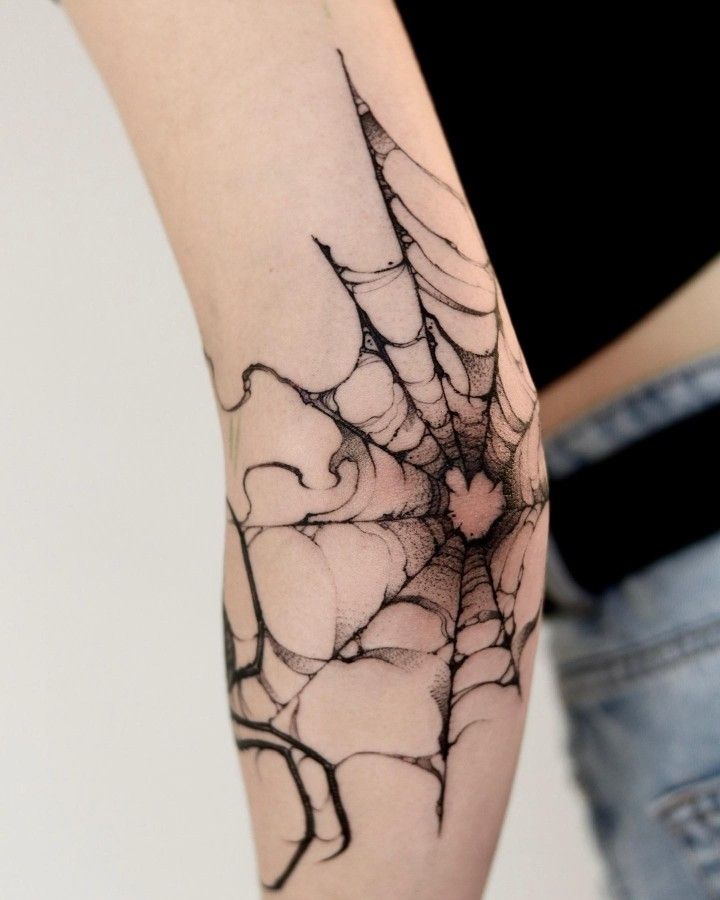
Tattoo Shop Hygiene Standards Australia 2026: Safety Checklist
Tattoo shop hygiene standards Australia 2026. Autoclaves, single-use needles, licences, 60-second visual checks, red flags to spot before booking.
Read More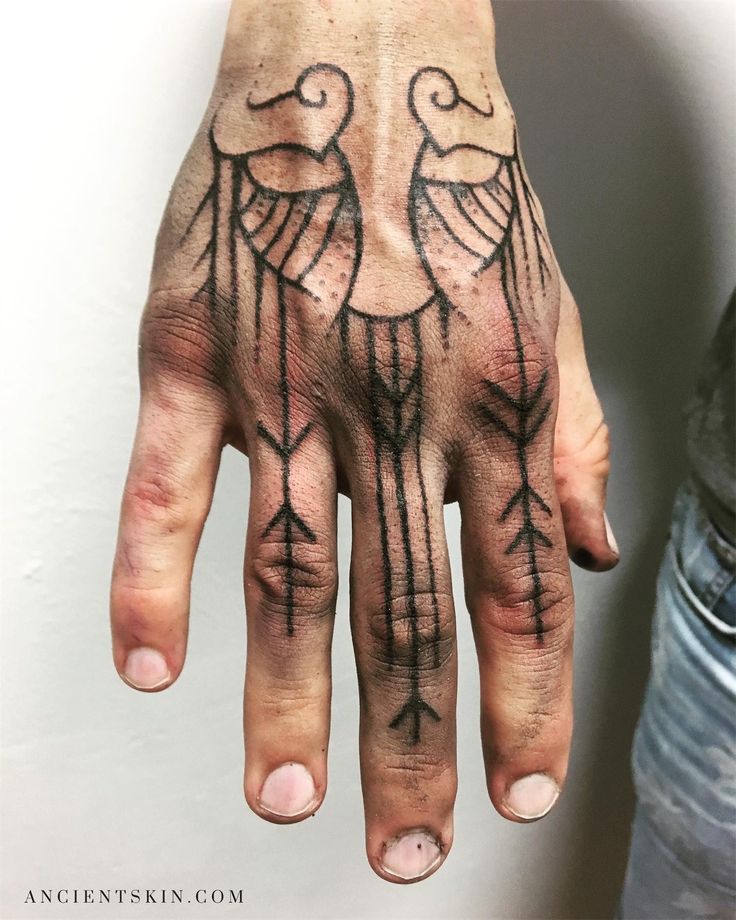
Tattoos Across Skin Types and Tones: Australian 2026 Guide
Tattoos across every skin type and tone in Australia. Fitzpatrick scale, colour visibility, oily vs dry skin, keloid risk, healing, and artist brief.
Read More