Tattoos Across Skin Types and Tones: Australian 2026 Guide
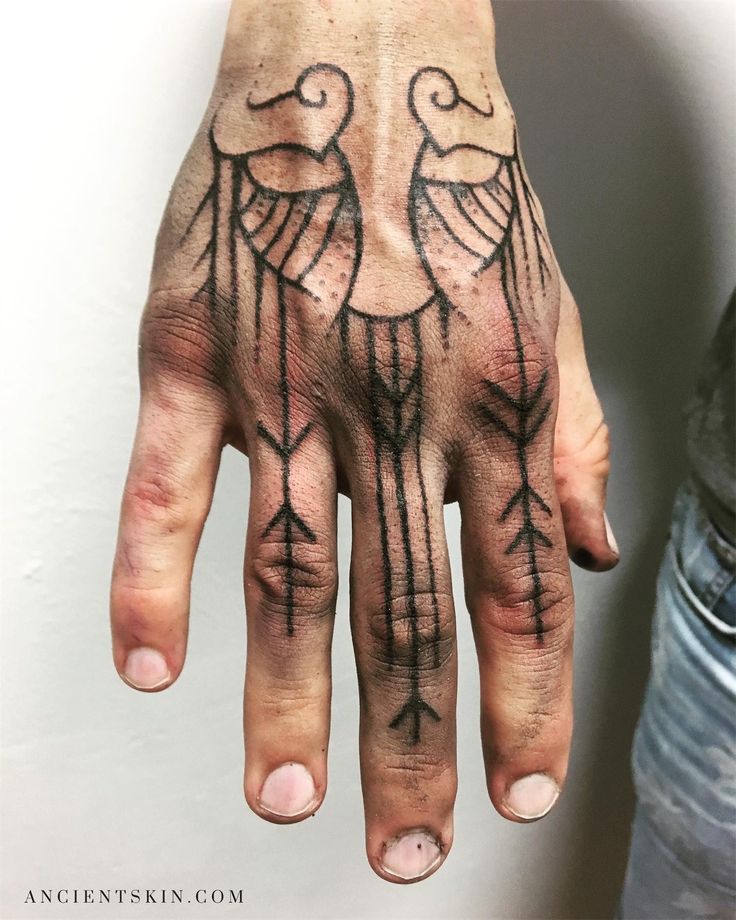
Picture this. Two friends book the same Japanese half sleeve on the same day, at the same studio, with the same artist. Six months later one tattoo is crisp and saturated, the other looks faded and slightly blurry. Same artist, same ink, same aftercare. The difference is skin. Tone, type, undertone, and even the part of the body all change how an Australian tattoo looks the day it heals and a decade later.
This 2026 guide unpacks how skin biology decides colour visibility, healing speed, and longevity. It covers the Fitzpatrick scale, what each phototype means for ink choice, how oily, dry, and mature skin take ink differently, and how to brief an artist so your tattoo lands exactly as you imagined it, whatever the canvas.
Key Takeaways
- Six phototypes: Fitzpatrick I to VI describes how skin reacts to UV, which also predicts how ink will sit and age
- Melanin filters colour: the deeper the skin tone, the more dramatically pastels and whites lose visibility
- Black and grey works everywhere: the most reliable choice across every Fitzpatrick type and every undertone
- Oily vs dry skin matters: oily skin holds saturation longer, dry skin fades faster without aftercare
- Mature skin needs softer designs: after 50, the dermis thins and ultra-fine detail blurs faster
- Keloid risk is higher in deep skin tones: ask your artist about test spots and conservative healing
- Find a specialist: not every studio is trained on the full Fitzpatrick range. Ask to see healed examples on your skin type
The Fitzpatrick Scale, Explained for Tattoos
Dermatologists classify skin into six phototypes based on how it burns or tans in the sun. It is the same scale Australian skin cancer specialists use, and it happens to predict tattoo behaviour very accurately too. Once you know your type, every conversation with an artist becomes more useful.
| Fitzpatrick | Skin Tone | Sun Reaction | Tattoo Considerations |
|---|---|---|---|
| Type I | Very pale, often freckled | Always burns, rarely tans | Every colour shows vividly, but sun damage fades ink fastest |
| Type II | Fair | Usually burns, tans minimally | Full colour range; UV protection is essential |
| Type III | Light olive or medium | Sometimes burns, tans gradually | Most colours read well; pinks and yellows may need extra packing |
| Type IV | Olive or light brown | Rarely burns, tans easily | Vivid colours work; very light pastels lose contrast |
| Type V | Brown | Very rarely burns, tans deeply | Black, deep reds, blues, and purples shine; whites disappear |
| Type VI | Dark brown to black | Never burns, deeply pigmented | Bold black and grey, dense colour packing only; design over colour |
In a nutshell: your phototype is not a limitation, it is a brief. The right artist sees it as the starting point for a tattoo that will read clearly the day it heals and twenty years later.
How Melanin Affects Ink Visibility
Tattoo ink sits 1 to 2 mm deep in the dermis. Above it, the epidermis is loaded with melanin, the pigment that gives skin its tone. Light passes through the epidermis, hits the ink, bounces back, and your eye reads colour. The more melanin in the way, the more it filters certain wavelengths, especially in the warm pastel range.
How specific colours read across phototypes
| Ink Colour | Types I to III | Type IV | Types V and VI |
|---|---|---|---|
| Black | Crisp, high contrast | Crisp, high contrast | Crisp, high contrast (the gold standard) |
| Deep red, burgundy | Vibrant | Vibrant | Reads as a rich, slightly muted plum |
| Royal and navy blue | Vibrant | Vibrant | Strong, with slight warming |
| Deep purple | Vibrant | Vibrant | Reads richly, excellent choice |
| Orange, hot pink | Vivid | Slightly muted | Often disappears or muddies |
| Pastel pink, lavender | Pretty, soft | Reads light | Generally not recommended |
| Yellow | Vivid | Reads softer | Largely invisible |
| White highlight | Subtle pop | Limited contrast | Invisible within months |
If a colour falls off this list for your phototype, your artist will usually suggest one of three workarounds: substitute with a deeper shade in the same family, layer over a black or grey foundation for contrast, or skip colour entirely and lean on bold linework.
Tattooing Deep Skin Tones (Types V and VI)
Deep skin tones are not harder to tattoo, they are different. The myth that dark skin "cannot be tattooed" comes from artists who lacked training and recommended colours that were never going to show. A specialist will design with melanin in mind, not against it.
What works beautifully
- Black and grey realism: portraits, animals, and figurative work that relies on value rather than hue
- Bold blackwork: tribal, neo-tribal, ornamental, sacred geometry. The skin tone becomes part of the composition
- Saturated jewel tones: deep red, royal blue, emerald, plum, sapphire
- Negative space designs: where the skin itself is part of the artwork
- Heavy line weight: 7 to 14 mag liners hold up better than ultra-fine 3RL
What rarely works
- Pastel colours and pure whites
- Watercolour styles that rely on subtle gradients
- Ultra-fine single-needle lettering at small scales
- Soft yellow, baby pink, and powder blue
Find a specialist. Ask any prospective artist for healed photos on Types V and VI specifically. A fresh tattoo always looks bright. The truth is in how it looks at the three-month mark.
Tattoos on Pale Skin (Types I and II)
Pale Australian skin has the widest colour range, with one large catch: UV damage. Types I and II burn fast and fade tattoos faster than any other phototype, especially on the arms, chest, and shoulders that catch summer sun.
- Every colour reads vivid the day it heals
- White highlights pop convincingly, useful for realism and watercolour
- Outlines can be finer (1RL, 3RL) without losing definition
- Long-term risk: faster fade from sun. SPF 50+ daily is non-negotiable
- Touch-up timing: typically 5 to 7 years for colour, 8 to 10 for blackwork
Read the sun exposure guide for Australian tattoos for a year-round UV plan.
Olive and Mediterranean Skin (Types III and IV)
Most Australians sit somewhere between Type III and Type IV, which gives the artist the widest creative range. Saturated colour holds well, contrast stays high, and ink ages gracefully. The pitfalls are subtle.
- Pure white highlights soften within a year. Use sparingly
- Soft pastel pink and yellow may need a foundation pass to register
- Olive undertones can shift orange and warm red slightly cooler
- Healing tends to be quick, but post-inflammatory hyperpigmentation can darken edges after sun exposure
For inspiration tailored to your style, browse our realism tattoo gallery or our Japanese tattoo gallery.
Beyond the Fitzpatrick Scale: Skin Types That Matter
Tone is only half the story. The way your skin behaves, oily, dry, sensitive, mature, or scar-prone, affects how the ink lands and how it ages. Most artists will assess this in your consultation, but it helps to know your own skin first.
Oily skin
- Holds ink saturation longer because of active sebum production
- May reject some ink in the first 24 hours, leaving slightly patchy spots that touch-up
- Heavy moisturiser during healing is not always needed; balance is the trick
Dry skin
- Tends to fade slightly faster as the outer epidermis flakes more aggressively
- Needs disciplined aftercare with a fragrance-free, non-comedogenic moisturiser
- Long-term hydration habits are the difference between a sharp 10-year tattoo and a soft one
Combination and normal skin
- The easiest canvas for most artists
- Heals predictably with standard aftercare
- Few special considerations
Sensitive or eczema-prone skin
- Avoid tattooing over active eczema, psoriasis, or recently-flared patches
- Patch-test ink for allergy if you have multiple cosmetic reactions
- Bring a doctor's note if you take immunosuppressants
Mature skin (50+)
- The dermis thins about 20% per decade after 40
- Fine detail blurs faster, so artists scale up line weight and simplify intricate areas
- Healing takes 20 to 30% longer; allow more days between sessions on bigger projects
Keloids, Scars, and Hyperpigmentation
The risk of keloid scarring is higher in Types V and VI, and people of any phototype with a family history of keloids should treat tattoos cautiously. Hyperpigmentation, the darkening of skin around the tattoo, can also affect any tone after inflammation.
If you have a keloid history
- Ask your artist for a small test patch on an inconspicuous area first
- Wait 6 weeks before booking the full piece. A keloid takes that long to declare itself
- Keep the area out of the sun for the first 12 weeks
- Speak to a dermatologist about silicone gel for early treatment if redness rises
Hyperpigmentation prevention
- Avoid sun exposure during the first 8 weeks (Types I to VI)
- Use SPF 50+ daily for the first year
- Treat any post-tattoo itch gently, scratching causes pigment shifts
- If a darker ring develops, ask your artist or GP before applying any over-the-counter lightening cream
Healing Across Skin Types
| Skin Type | Typical Healing Time | Special Care |
|---|---|---|
| Pale, dry | 2 to 3 weeks | Hydrate more often, skip exfoliants for a month |
| Pale, oily | 2 weeks | Lighter moisturiser, gentle cleansing twice daily |
| Olive, normal | 2 weeks | Standard aftercare, SPF after week 4 |
| Brown, oily | 2 to 3 weeks | Watch for hyperpigmentation rings |
| Deep, dry | 3 to 4 weeks | Extra hydration, keloid check at week 6 |
| Mature (any tone) | 3 to 4 weeks | Gentle wash, more rest between sessions |
For the full healing-stage walkthrough, see our week 1 tattoo care guide and weeks 2 to 4 healing guide.
Choosing an Artist for Your Skin
An artist who has spent years tattooing one phototype may not be the best choice if yours is different. The Australian scene is full of brilliant specialists. Here is how to find one tuned to your skin.
- Look at healed photos. Fresh photos lie. Insist on portfolios showing tattoos at the 3 and 12-month mark
- Filter by phototype. Ask if they have a portfolio section on skin like yours
- Watch the colour decisions. Are pastels used on Type V skin in healed photos? Walk away. Are bold jewel tones the default? Promising
- Bring two references. One you love visually, one that suits your skin. A good artist will help reconcile them
- Discuss test spots. Especially if you have keloid history or new ink allergies
Search our directories: Sydney, Melbourne, Brisbane, Perth, Adelaide.
Frequently Asked Questions
Can I get any colour I want regardless of skin tone?
Technically yes, but visibility varies dramatically. White, yellow, and pastel colours can be tattooed onto deep skin but often disappear within months. A good artist will offer alternatives that read clearly and age well.
Will my tattoo fade faster on dark skin?
Not necessarily. The fade itself happens at a similar rate biologically, but lighter colours stop being visible against melanin sooner. Black and bold colour packing on Types V and VI typically holds up for a decade or longer with proper care.
What is the best style for sensitive or eczema-prone skin?
Once a flare-up has fully resolved, simpler designs with less ink density tend to heal smoother. Avoid heavily packed colour and choose a style with breathing room, blackwork outlines, single-needle work, or sparse fine line.
Should I test ink for allergy before a large piece?
If you have a history of cosmetic, jewellery, or topical reactions, ask for a 1 cm test patch using the same pigments. Wait 14 days before going ahead. Most allergic reactions show up in this window.
Does pregnancy or weight change affect tattoo appearance?
Significant skin stretching during pregnancy, rapid weight gain, or major loss can stretch tattoos and distort detail. Discuss timing with your artist and see our guide on tattoos and pregnancy if relevant.
Are there Australian artists who specialise in Types V and VI?
Yes, in growing numbers across Sydney, Melbourne, and Brisbane. Search by style first (blackwork, ornamental, bold colour realism) and verify with healed photos.
Bottom Line
Your skin is the canvas, not an obstacle. The Fitzpatrick scale, your skin's oil profile, and your age all shape what works. A specialist artist who is honest about which colours will read on your tone, which line weights will age cleanly, and which healing protocol to follow turns the science of your skin into the best version of your design. Brief them well and you get a tattoo that still looks like the reference photo a decade later.
Ready to find an artist who works with your skin? Browse our directories or take our style quiz to surface styles that match your Fitzpatrick type.
Explore More
Find Tattoo Shops
Browse by Style
Stay Updated with the Latest Insights!
Get the latest news and updates delivered to your inbox.
Related Articles
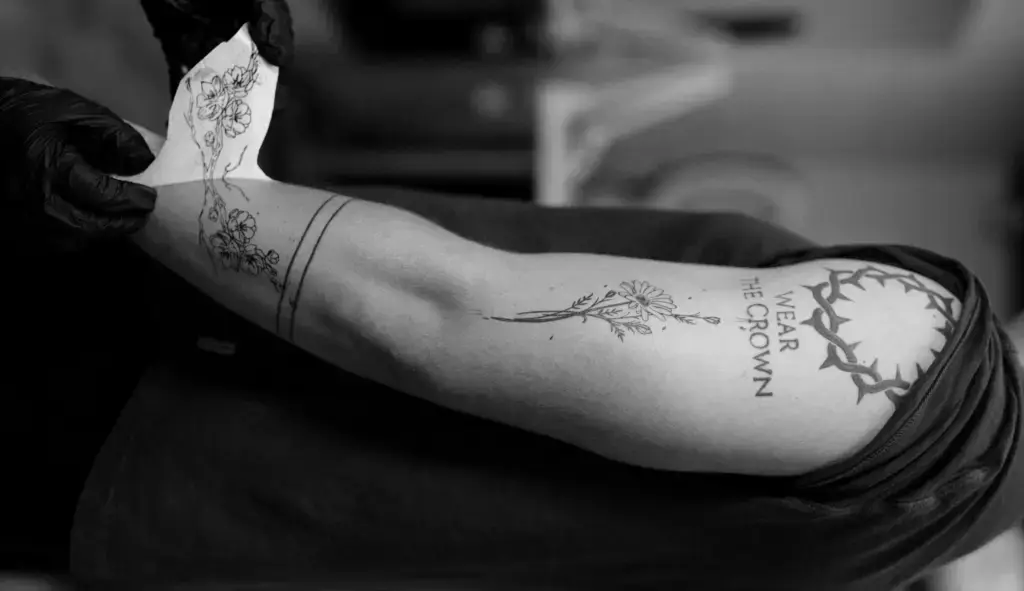
Tattoo Price Guide
Tattoo price guide for Australia 2026. Hourly rates, by-style and by-size pricing, city comparison, hidden costs, and how to budget.
Read More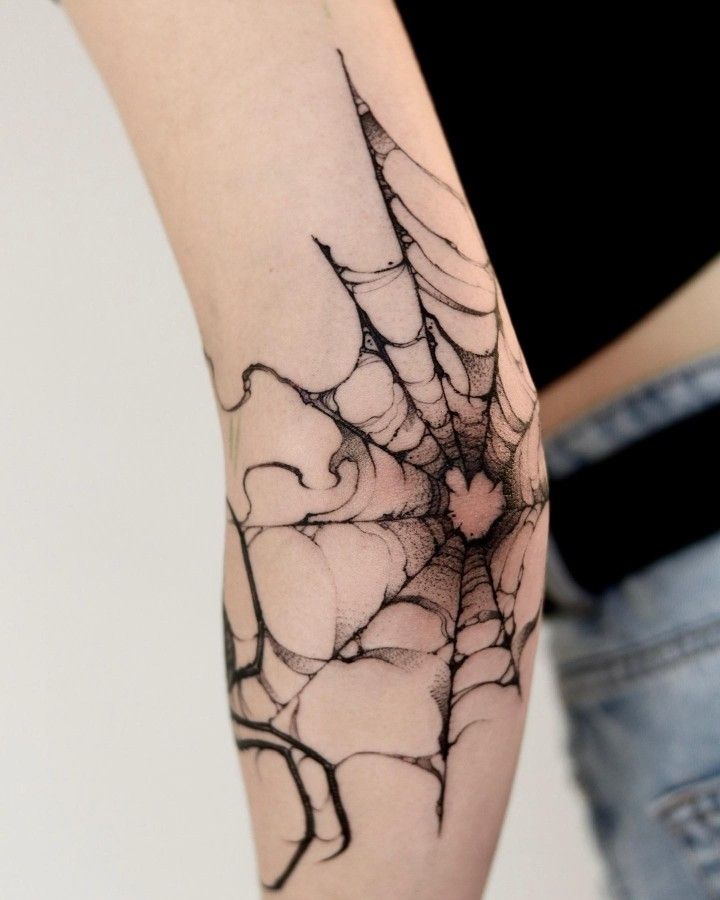
Tattoo Shop Hygiene Standards Australia 2026: Safety Checklist
Tattoo shop hygiene standards Australia 2026. Autoclaves, single-use needles, licences, 60-second visual checks, red flags to spot before booking.
Read More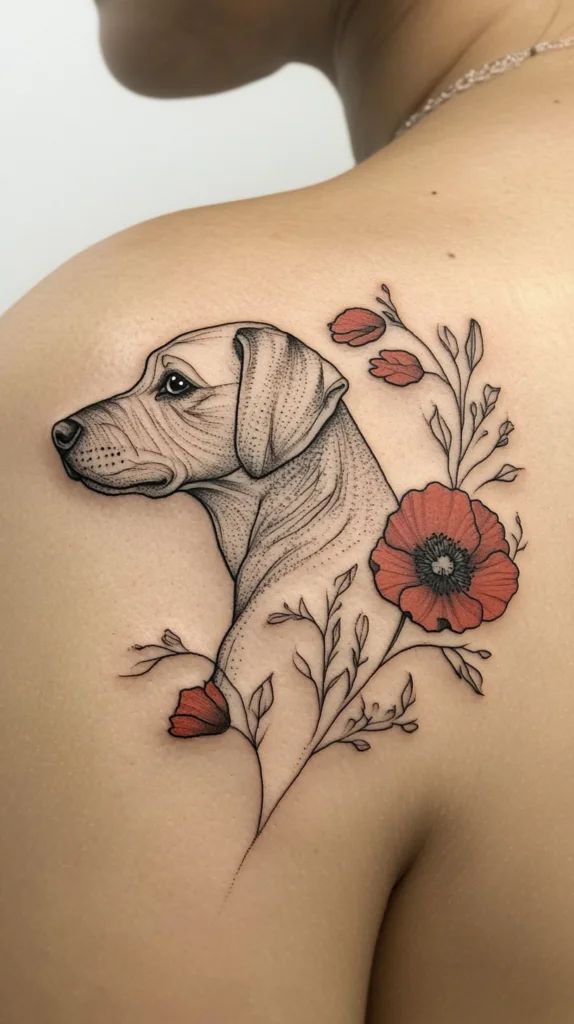
Tattoo Removal Guide Australia 2026: Sessions, Cost, Pain
Tattoo removal in Australia 2026. Laser tech, Kirby-Desai session estimates, real costs, pain levels, healing timeline, and cover-up alternatives explained.
Read More