Tattoo Removal Guide Australia 2026: Sessions, Cost, Pain
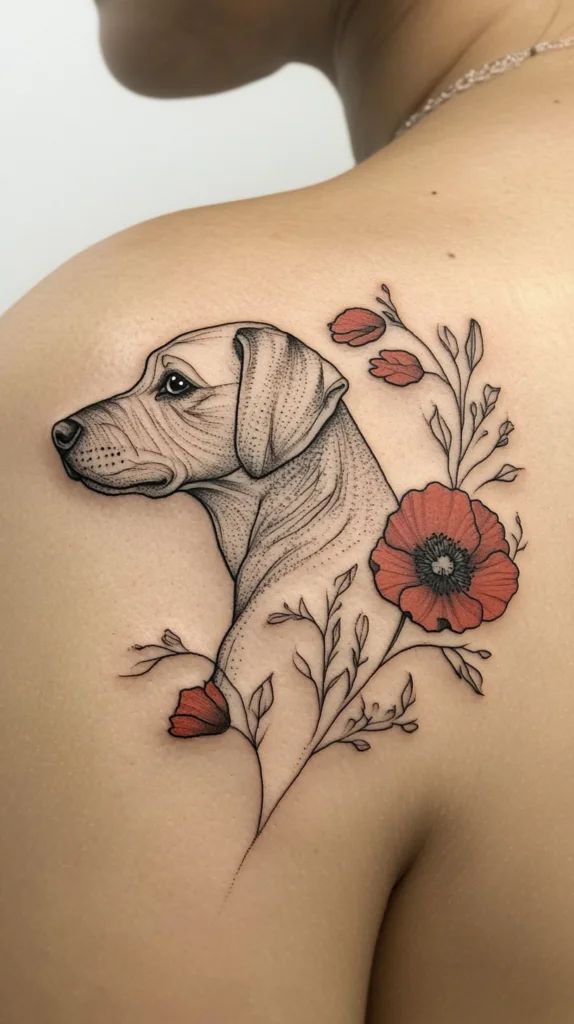
Picture this. The tattoo you got in your twenties has stopped feeling like you. Maybe it has aged, maybe the meaning changed, maybe it is simply time. You have heard about laser removal and want a straight answer: how many sessions, how much it costs in Australia in 2026, how much it hurts, and what the skin looks like at the end. The honest answers are nuanced, but they are not scary.
This guide walks through how modern picosecond and Q-switched lasers actually work, what factors decide how many sessions you will need, real Australian pricing, pain management, the realistic timeline from first zap to clear skin, and what to do if you would rather cover the tattoo than erase it. We have separate deep dives on cost, pain management, aftercare, and cover-up versus removal, but this is the single hub article that pulls everything together.
Key Takeaways
- Sessions: 5 to 12 for full removal in Australia, spaced 6 to 8 weeks apart
- Total project: 9 months to 2 years from first session to clear skin
- Cost: $100 to $600 per session, $800 to $5,000 total for most tattoos
- Pain level: 5 to 7 out of 10. Comparable to a rubber band snap, faster than getting the tattoo
- Best laser tech: picosecond lasers (PicoWay, PicoSure, Discovery Pico) are the 2026 gold standard
- Hardest to remove: bright greens, blues, and white. Black is the easiest
- Alternative: a cover-up by a skilled artist is often faster and cheaper if you want a different tattoo, not blank skin
How Laser Tattoo Removal Works
Modern laser removal does not burn the ink out of your skin. It shatters it. A specialist laser fires pulses so short, billionths or trillionths of a second, that the energy is absorbed by the ink particle without heating the surrounding skin. The particle fractures into smaller fragments your immune system can then carry away through the lymphatic system over the following weeks.
Q-switched vs picosecond lasers
- Q-switched (nanosecond): the workhorse since the 1990s. Effective on black and dark ink, less effective on greens, blues, and pastels. Cheaper per session
- Picosecond: 100x faster pulses. Breaks ink into much finer fragments, fewer sessions overall, better on stubborn colours. The 2026 industry standard
- Combination platforms: some clinics run both, using Q-switched for black and picosecond for colours
Wavelengths matter
Different ink colours absorb different wavelengths of light. A 1064 nm beam tears through black and deep blue. 532 nm targets red, orange, and brown. 755 nm goes after green and blue. A clinic using only one wavelength will struggle with colourful tattoos.
In a nutshell: removal is a partnership between physics and biology. The laser shatters; your immune system clears. Both halves take time.
How Many Sessions Will You Actually Need?
The single hardest question, and the one no honest clinic will answer in absolutes during your first consultation. The Kirby-Desai scale, the most widely used predictor in Australia, scores six factors and gives a session estimate from 5 to 12.
| Factor | Easier to Remove | Harder to Remove |
|---|---|---|
| Skin type | Fitzpatrick I to III | Fitzpatrick IV to VI (extra care needed) |
| Location | Chest, upper back, arms (good blood flow) | Hands, feet, ankles (slow lymphatic clearance) |
| Ink colour | Black, deep blue | Green, yellow, pastels, white |
| Ink density | Light shading, fine line | Solid colour packing, blackwork |
| Age of tattoo | Over 5 years old | Fresh, under 12 months |
| Scarring | None, no prior treatments | Existing scar tissue or previous removal attempts |
Average sessions by tattoo profile
- Small black amateur tattoo: 4 to 6 sessions
- Medium black professional tattoo: 6 to 8 sessions
- Large colourful sleeve: 10 to 15 sessions
- Cover-up clearing (just to fade, not erase): 3 to 5 sessions
- Cosmetic ink (lip, brow): 5 to 8 sessions, careful work required
Cost in Australia 2026
Removal is priced per session, and session price depends mostly on tattoo size. Most clinics use a small / medium / large band system. Sydney and Melbourne sit at the top, regional clinics at the bottom.
| Tattoo Size | Per Session | Typical Sessions | Total Range |
|---|---|---|---|
| Tiny (under 5 cm) | $100-$180 | 5-7 | $500-$1,260 |
| Small (5-10 cm) | $180-$280 | 6-8 | $1,080-$2,240 |
| Medium (10-20 cm) | $250-$400 | 7-10 | $1,750-$4,000 |
| Large (20 cm+) | $350-$600 | 8-12 | $2,800-$7,200 |
| Sleeve / back piece | $600-$1,200 | 10-15 | $6,000-$18,000 |
For the full pricing breakdown including city-by-city averages and package deals, read our 2026 laser removal cost guide.
Heads up: most clinics offer a 5 to 15% discount for prepaid packages of 5 or 10 sessions. If you are confident about removing the tattoo fully, a package can save you $200 to $1,500.
Pain, Numbing, and What It Actually Feels Like
The single most common question. Honest answer: laser removal hurts, and it is sharper than the original tattoo, but each pulse lasts a fraction of a second and most sessions are over within 10 to 20 minutes for a medium piece.
Pain levels by area
- Worst: ribs, inner arm, ankles, fingers, neck (5 to 8 out of 10)
- Manageable: outer arm, calf, thigh, shoulder (4 to 6 out of 10)
- Easiest: back, chest, outer leg (3 to 5 out of 10)
Pain management options at most Australian clinics
- Zimmer cooling air: a frosty stream of air at minus 30 degrees, used through the whole session. Standard in 2026
- Topical numbing cream: 5% lidocaine, applied 30 to 60 minutes before. Free or low-cost add-on
- Lidocaine injection: only at clinics with a doctor on staff. Best for large pieces
- Distraction tools: noise-cancelling headphones, stress balls, conversation with the technician
See our dedicated pain management guide for a deeper protocol.
What Happens During a Session
From the moment you sit down to walking out the door, a typical session looks like this:
- Skin assessment. The technician photographs the tattoo, checks for sun damage, fresh scrapes, or recent tanning
- Numbing. Lidocaine cream or cool air, whichever you booked
- Eye protection. Both you and the technician wear medical-grade laser safety glasses
- The treatment. The laser fires in a precise grid pattern. Each shot feels like a hot snap of an elastic band
- Frosting reaction. The treated skin turns chalky white for 5 to 15 minutes. This is normal, it is gas dispersion from the shattered ink
- Cooling and dressing. A cold pack and a non-stick sterile dressing
- Aftercare brief. Written instructions, contact details, and the next booking
The Timeline Between Sessions
The biggest mistake clients make is rushing back too soon. Your immune system needs 6 to 8 weeks to clear the shattered ink particles. Coming back at 4 weeks does not speed things up, it just wastes a session.
| Week After Session | What is Happening | What You Should Do |
|---|---|---|
| Day 0 to 3 | Frosting fades, mild swelling and redness | Keep dressing on, ice if needed, no strenuous exercise |
| Day 3 to 10 | Possible blistering, scab formation | Do not pop blisters, gentle cleansing, antibiotic ointment |
| Week 2 | Skin healing, ink colour shift | Resume normal activity, avoid sun |
| Week 3 to 4 | Ink fading visibly as lymphatic clearance ramps up | SPF 50+ daily, full hydration |
| Week 6 to 8 | Maximum fade achieved from this session | Book the next session if more passes needed |
For the full healing routine including products and red flags, read our aftercare guide.
Removal Versus Cover-Up
Plenty of people want a different tattoo, not blank skin. A talented Australian cover-up artist can sometimes turn an old design into a fresh one in 1 to 3 sessions for less than a full removal would cost. Removal is the right call when you want skin back, when the cover-up would need to be huge to camouflage the original, or when the original is too dark and dense for new colour to read.
Cover-up is usually better when
- You still like having a tattoo there, just not this one
- The original is light to medium ink density
- You are willing to go a couple of shades darker and larger
- Budget is tight ($600 to $2,500 typically)
Removal is usually better when
- You want skin back, not another design
- The tattoo is solid colour packing or heavy blackwork
- The location does not lend itself to a larger piece
- You want a future cover-up to start cleanly (partial fade approach)
For a deeper side-by-side, see our cover-up vs removal cost guide and laser removal vs cover-up piece.
Choosing a Removal Clinic
Not every clinic running a laser is qualified to use it. In Australia, look for these markers before booking.
- Picosecond technology on site, ideally PicoWay, PicoSure, or Discovery Pico
- Multiple wavelengths (1064 nm, 532 nm, 755 nm at minimum)
- Medical oversight. A doctor or nurse-led clinic, especially for cosmetic ink and bigger pieces
- Healed before-and-after photos across multiple skin types
- Free initial consultation with a Kirby-Desai score and honest session estimate
- Aftercare follow-up via phone or message between sessions
- Transparent pricing with no hidden consult fees
- Insurance for laser treatments on display or available on request
Risks and Side Effects
Laser removal is the safest tattoo removal method available, but it is not zero-risk. Most side effects are temporary and minor.
| Side Effect | Frequency | Management |
|---|---|---|
| Redness and swelling | Common, 100% | Resolves in 24 to 72 hours |
| Blistering | 5-15% of sessions | Do not pop, antibiotic ointment, heal in 7-10 days |
| Temporary hyperpigmentation | 10-25% (more in Types V to VI) | Fades over 3-6 months, SPF essential |
| Hypopigmentation (lightening) | 2-5% | Usually resolves; occasionally permanent |
| Permanent scarring | Under 1% with skilled operator | Choose a qualified clinic; do not over-treat |
| Ink darkening (cosmetic ink) | Common for white and skin-tone cosmetic pigment | Test patch always before main session |
What You Should Avoid Between Sessions
- Direct sun on the treated area for 4 weeks (then SPF 50+ daily)
- Hot tubs, saunas, and unchlorinated water for 2 weeks
- Intense exercise that sweats heavily into the treated zone for 7 days
- Scrubbing, exfoliating, or picking scabs
- Booking the next session before the 6-week minimum
- Any other cosmetic procedure on the same area until cleared
Frequently Asked Questions
Will laser removal leave a scar?
Done correctly, almost never. The picosecond laser targets the ink, not the surrounding tissue. Scarring is far more likely from over-aggressive technicians, DIY removal attempts, or from the original tattoo itself.
Can I remove just part of the tattoo?
Yes. Selective fading or partial removal is common, especially as preparation for a cover-up. Tell the technician which areas you want lightened versus fully removed before the first session.
How long until I see results?
Visible fade usually appears at the 6 to 8 week mark after each session. Total clearance takes 9 months to 2 years across the full course.
Is laser removal safe during pregnancy or breastfeeding?
Most Australian clinics decline pregnant clients out of caution. Breastfeeding clients are usually fine, but should ask the clinic doctor. See our breastfeeding and tattoo procedures guide for context.
What if the tattoo is on a hand, foot, or face?
Extremities clear more slowly because lymphatic flow is sluggish. Expect 30 to 50% more sessions and a longer overall timeline. Faces require a clinic with a medical doctor on site.
Can I get a new tattoo over the removal site?
Yes, once the treated skin has fully healed (usually 3 to 6 months after the last session). Cover-up tattoos over partially-cleared skin take ink beautifully if the artist is briefed properly.
Are there at-home creams that actually work?
No. Every effective removal method is clinical. Acid kits, salt-and-pepper rubs, and online fade creams either do nothing or scar permanently. If you would not trust it on a face, do not trust it on a tattoo.
Bottom Line
Tattoo removal in Australia in 2026 is safer, faster, and more effective than ever. With picosecond lasers, 5 to 12 sessions, $800 to $5,000 across the full course, and 9 months to 2 years from first session to clear skin, you have a realistic path to the result you want. Choose a clinic with the right technology, a qualified team, and an honest session estimate, and treat the timeline as a marathon rather than a sprint.
Considering removal? Compare clinics across Sydney, Melbourne, and Brisbane, or browse the blackwork gallery if you would rather plan a cover-up first.
Explore More
Find Tattoo Shops
Browse by Style
Stay Updated with the Latest Insights!
Get the latest news and updates delivered to your inbox.
Related Articles
Tattoo Price Guide
Tattoo price guide for Australia 2026. Hourly rates, by-style and by-size pricing, city comparison, hidden costs, and how to budget.
Read More
Half Sleeve Tattoo Cost Australia 2026: Complete Pricing Guide
Half sleeve tattoo cost in Australia 2026: $800-$2,500 across 2-5 sessions. Style, city, and artist tier breakdowns plus payment plans.
Read More
Full Sleeve Tattoo Cost Australia 2026: Complete Investment Guide
Full sleeve tattoo cost in Australia 2026: $1,500-$6,000 over 4-8 sessions. Style, city, and artist tier breakdowns plus payment plans.
Read More