Cover-Up vs Removal Cost Australia 2026: Real Pricing Compared
The tattoo on your forearm is your ex's name in 18-year-old handwriting. You have spent two years pretending it does not bother you. Now you have a wedding coming up, an arm-out summer ahead, and you have finally Googled the question: what is cheaper, getting it removed or covering it up?
The answer in Australia in 2026 is almost always cover-up, and almost always by a wide margin. A typical name-sized tattoo costs $1,200 to $1,800 to remove with laser over 12 to 18 months, or $300 to $600 to cover up in a single session. The catch is that cover-ups have design constraints, and the right move depends on the size, colour, and darkness of the existing piece. This guide breaks down the real Australian costs side by side, walks through the hybrid fade-and-cover strategy that often beats both, and gives you a clean decision framework.
Key Takeaways
- Cover-up wins on cost for most regret tattoos: typically $300 to $2,000 versus $1,000 to $7,500 for full removal
- Removal wins on bare-skin outcome: if you do not want a new tattoo at all, laser is the only path
- Hybrid approach (2 to 4 laser sessions to fade, then cover-up) saves 40 to 60% versus full removal and unlocks more design options
- Cover-up rule of thumb: new design must be 2 to 3x the size of the original and use darker tones
- Removal timeline: 12 to 24 months for full clearance; cover-up takes 1 to 3 sessions over 1 to 3 months
- Black ink removes faster than colour; colour ink (especially yellow and green) can take double the sessions
- Insurance does not cover either option in Australia; both are cosmetic procedures
Side-by-Side Cost Comparison
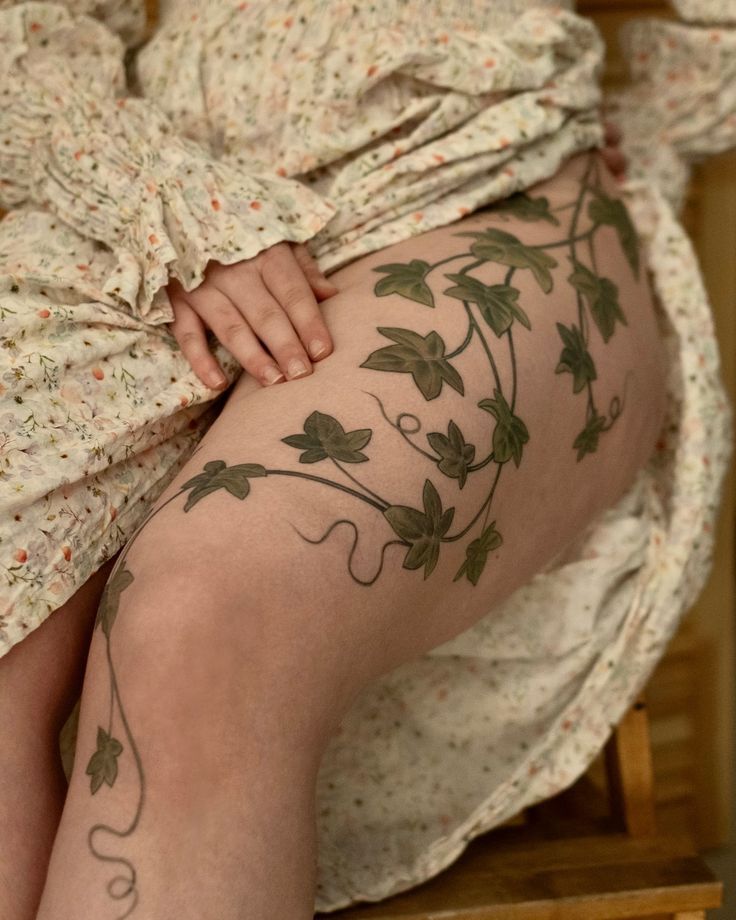
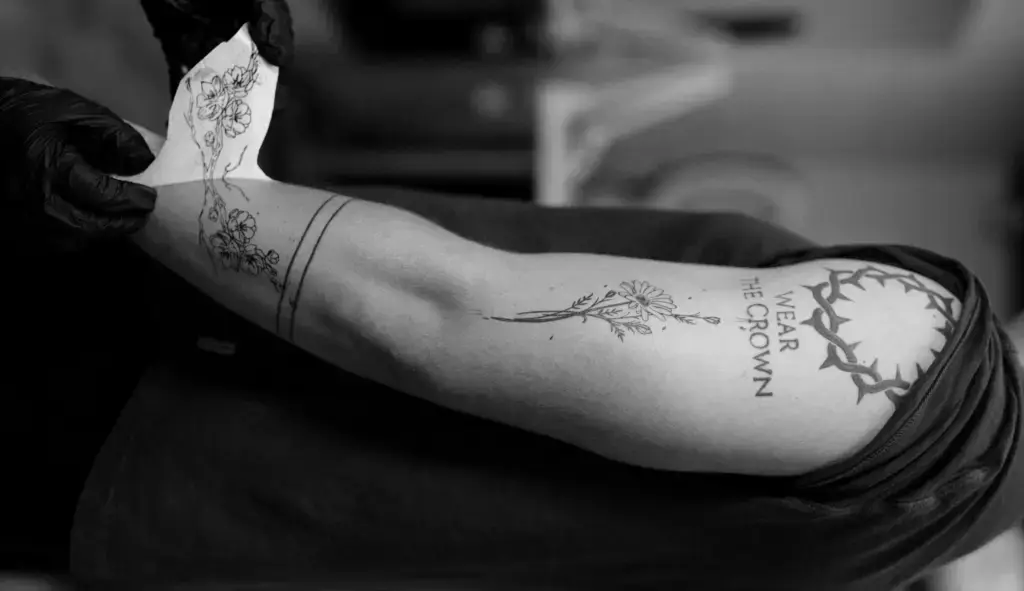
Photographs below are example portfolio pieces from real Australian artists on the platform. The cost breakdowns are illustrative averages based on typical Australian market rates and do not represent the actual fee charged for the specific tattoo shown.
Here is the headline maths Australians actually face in 2026.
| Tattoo size | Laser removal (8 to 12 sessions) | Cover-up (1 to 3 sessions) | Hybrid (3 fade sessions + cover) | Cheapest option |
|---|---|---|---|---|
| Tiny (under 5cm) | $800 to $2,000 | $200 to $500 | $700 to $1,400 | Cover-up |
| Small (5 to 10cm) | $1,200 to $3,000 | $400 to $900 | $1,000 to $2,000 | Cover-up |
| Medium (10 to 15cm) | $2,500 to $5,000 | $700 to $1,800 | $1,800 to $3,500 | Cover-up |
| Large (15 to 25cm) | $4,000 to $7,500 | $1,500 to $3,500 | $2,800 to $5,500 | Cover-up or hybrid |
| Full sleeve, back, chest | $7,500 to $15,000+ | $3,500 to $8,000 | $5,000 to $10,000 | Hybrid or cover-up |
In a nutshell: cover-up beats removal on price for almost every tattoo size, often by 3x to 5x. The question is rarely "which is cheaper" and almost always "can I live with a new tattoo, and how good can it look?"
What Drives the Price of Each Option
Laser removal cost drivers
- Size: charged per square centimetre or in size brackets. Bigger area, more sessions, more total cost.
- Ink colour: black removes fastest. Red and orange respond well. Yellow, green, light blue, and white are slowest and most expensive.
- Ink depth: a heavy-handed amateur tattoo packed ink deep into the dermis. More laser energy needed to reach it.
- Skin tone: Fitzpatrick Type IV to VI skin needs lower energy settings to avoid hypopigmentation, which can mean more sessions.
- Location: areas with good blood supply (chest, upper arm) clear faster than ankles, hands, and fingers.
- Clinic tier: medical clinics with Q-switched Nd:YAG and PicoSure lasers charge more per session but typically need fewer sessions than basic clinics.
Cover-up cost drivers
- Existing tattoo darkness: dark, dense black work needs a much larger and darker cover; pricier than fading line work.
- Size ratio: the new piece must be 2 to 3x the original area. A 5cm name becomes a 12cm rose.
- Artist skill tier: cover-up specialists charge a 10 to 30% premium over standard hourly rates because the work is genuinely harder.
- Design complexity: mandalas and dark florals are the cheapest covers; portraits and detailed realism are the most expensive.
- Number of sessions: small covers in 1 session, medium in 2, large in 3 to 4.
- City pricing: Sydney is 20 to 30% above Adelaide and regional Australia for cover-up work.
Real Australian Pricing by City
| City | Laser removal per session | Cover-up hourly | Medium cover-up total |
|---|---|---|---|
| Sydney | $300 to $550 | $150 to $280 | $900 to $2,000 |
| Melbourne | $280 to $500 | $130 to $250 | $800 to $1,800 |
| Brisbane | $250 to $450 | $120 to $220 | $700 to $1,500 |
| Perth | $250 to $450 | $120 to $230 | $700 to $1,600 |
| Adelaide | $220 to $400 | $110 to $200 | $650 to $1,400 |
| Gold Coast | $250 to $450 | $130 to $230 | $750 to $1,600 |
| Regional Australia | $180 to $350 | $80 to $180 | $500 to $1,200 |
Browse studios in Sydney, Melbourne, Brisbane, Perth, or Adelaide for cover-up specialists. For removal, look for medical-grade clinics with picosecond lasers; the price premium is offset by fewer sessions needed.
The Hidden Variable: Old Tattoo Quality
Two name tattoos the same size can cost wildly different amounts to fix. The cheap factor is how the tattoo was applied originally.
Easier and cheaper to remove or cover
- Single-pass amateur work with patchy ink density
- Faded older tattoos (5 to 10+ years) where macrophages have already removed some pigment
- Fine-line work with low pigment volume
- Mainly black ink, no colour layering
Harder and more expensive
- Heavy-handed traditional work with dense black saturation
- Tribal blackout patterns; these often need partial removal first
- Stick-and-poke tattoos packed deep
- Colour realism with multiple ink layers
- White or yellow highlights mixed through dark designs
- Tattoos with embedded scarring from poor application
Heads up: if your existing tattoo has visible raised scarring (you can feel the ink under your fingertip), removal will not return the skin to flat. Laser breaks down pigment but does not lift scar tissue. Plan for cover-up unless you are comfortable with a scar in place of a tattoo.
Case Study 1: Small Name Tattoo, Melbourne
Original: "Alex" in 5cm script on inner forearm, black ink, 3 years old.
Goal: remove the name, restore arm to bare skin or low-visibility coverage.
Path A: Full removal
- 6 to 8 sessions, $250 to $350 each
- Total: $1,500 to $2,800
- Timeline: 12 to 18 months
- End result: faint shadow at worst, bare skin at best
Path B: Cover-up with floral
- 1 session, 2 to 3 hours
- Total: $400 to $600
- Timeline: 1 day plus healing
- End result: 10cm rose or peony that hides the name completely
Path C: Hybrid
- 3 fade sessions, $280 each = $840
- Plus smaller cover-up (only 7cm needed) at $400
- Total: $1,240
- Timeline: 9 months total
- End result: tasteful 7cm design, more options unlocked
Verdict: Path B (cover-up) is the cheapest and fastest. Path C is the best looking for $400 to $600 extra. Path A only if Alex does not want any forearm tattoo at all.
Case Study 2: Medium Tribal Piece, Sydney
Original: 12cm solid-black tribal armband, late 1990s style, 18 years old.
Goal: modernise the upper arm look without losing the chair time.
Path A: Full removal
- 12 to 16 sessions, $400 to $550 each
- Total: $4,800 to $8,800
- Timeline: 24 to 36 months (heavy black, long fade)
- End result: faded grey shadow likely; full clearance unlikely
Path B: Direct cover-up
- Solid black is hard to cover directly; new piece must be very dense
- 2 to 3 sessions, $1,200 to $2,400 total
- Timeline: 3 months
- End result: dark Polynesian or geometric piece; limited design freedom
Path C: Hybrid
- 4 fade sessions to drop saturation, $450 each = $1,800
- Plus mid-tone cover at $1,000 to $1,500
- Total: $2,800 to $3,300
- Timeline: 12 to 18 months
- End result: more design freedom, can use colour and lighter shading
Verdict: Path C (hybrid) wins. Path A is prohibitively expensive for tribal. Path B works but locks you into dark and dense.
Case Study 3: Large Colour Back Piece, Brisbane
Original: 25cm back piece, mixed reds and oranges, 10 years old.
Goal: replace with a more sophisticated black and grey piece.
Path A: Full removal
- 15 to 20 sessions; reds and oranges need more passes
- $450 to $600 per session
- Total: $6,750 to $12,000
- Timeline: 24 to 36 months
- End result: usually some shadow remains, especially on red areas
Path B: Direct cover-up
- New piece must be larger (30cm+) and darker
- 20+ hours of work across 4 to 6 sessions
- $3,500 to $6,000 total
- Timeline: 4 to 6 months
- End result: large, dark, dense design
Path C: Hybrid
- 4 to 6 fade sessions, $500 each = $2,000 to $3,000
- Plus medium cover-up at $2,500 to $4,000
- Total: $4,500 to $7,000
- Timeline: 18 to 24 months
- End result: same size or smaller new piece, with colour freedom
Verdict: Path B wins on cost if you accept dark dense design. Path C wins on aesthetic for a $500 to $1,000 premium and an extra year of process.
The Hybrid Strategy: Fade-and-Cover
The hybrid approach is underrated. It costs roughly half a full removal, gives you more design freedom than a direct cover, and avoids the dark-dense look that locks in with cover-only.
How it works
- Consult both a removal clinic and a cover-up artist. Discuss target design.
- Laser fade 2 to 5 sessions to drop pigment density by 50 to 80%.
- Wait 8 to 12 weeks after the final laser session for full skin recovery.
- Cover-up artist tattoos the new design over the faded ghost.
Why it saves money
- Full removal sessions taper off; the last 4 sessions clear the last 20% of pigment and cost as much as the first 4.
- Stopping at the 50 to 80% fade mark cuts laser cost dramatically.
- The cover-up artist works with much lighter base, so the new piece can be smaller and use lighter colours.
Why most Australians do not know about it
Laser clinics make money on sessions, so they do not push the "stop early and go to a tattooist" pathway. Tattooists prefer direct cover-ups for their booking flow. Asking specifically about hybrid at both consults often unlocks the option.
What About Pain, Time, and Recovery?
Cost is only one of the trade-offs. Here is the full comparison.
| Factor | Laser removal | Cover-up | Hybrid |
|---|---|---|---|
| Pain | 7 to 8 out of 10 ("rubber band snaps") | 4 to 6 out of 10 (standard tattoo) | Mix of both phases |
| Sessions | 6 to 16 | 1 to 4 | 3 to 8 (laser + tattoo) |
| Total time | 12 to 36 months | 1 to 3 months | 9 to 18 months |
| Recovery per session | 2 to 4 weeks (blisters, scabs) | 3 to 4 weeks (standard tattoo) | Both |
| Visible during process | Yes, fading and scabbing | Briefly post-session | Yes |
| Risk of scarring | Low with quality picosecond laser | None if cover is well done | Low |
| Reversibility | Cannot put ink back | Cannot remove cover easily | Locked in after step 4 |
Cover-up is faster and cheaper. Removal is the only path to bare skin. Hybrid gets you the most aesthetic upside if you have the time and budget for both phases.
The Decision Framework
Use this set of questions in order. Stop at the first "yes".
- Do you want any tattoo in this spot at all? If no, go laser removal.
- Is the existing tattoo solid black, large, and densely packed? If yes, hybrid is your best aesthetic outcome.
- Is your budget under $1,500 and your timeline under 3 months? If yes, direct cover-up with a specialist.
- Are you open to a darker, denser new design? If yes, cover-up wins on cost and time.
- Do you want maximum design freedom (colour, fine detail, smaller size)? If yes, hybrid.
- Do you mind a faint shadow remaining? If yes (you do mind), full removal is the safer bet for visible spots; if no, cover-up is fine.
Payment Plans in Australia
Both removal and cover-up are pay-as-you-go in most Australian clinics and studios. Limited financing options exist.
| Option | Where it works | Typical limit | Notes |
|---|---|---|---|
| Afterpay | Roughly 60% of cover-up studios; some removal clinics | $500 to $2,000 | Interest-free; late fees apply |
| Zip Pay | Selected removal clinics | $350 to $1,500 | Minimum monthly payment; interest if balance carried |
| Humm | Larger removal chains | $1,000 to $7,500 | 0% interest up to 6 months on some plans |
| MediPayment plans | Medical-grade laser clinics | $2,000 to $10,000 | Plan over 12 to 24 months |
| Personal loan | Any procedure | $2,000 to $30,000 | Interest applies; budget the total cost up front |
Insurance does not cover either treatment in Australia. Both are cosmetic procedures by ATO and Medicare classification. The only exception is medical tattoo removal of pigmented lesions or paramedical micropigmentation in oncology contexts, which is not what we are discussing here.
Red Flags at Both Cover-Up Studios and Removal Clinics
Avoid the cover-up artist who
- Does not ask to see the original tattoo before quoting.
- Promises a "small, light, fine-line" cover-up over a dark dense piece.
- Has no cover-up portfolio specifically (general tattoo work is not the same skill).
- Quotes below regional rates for a complex piece.
- Skips the consultation step and books straight to chair.
Avoid the removal clinic that
- Uses IPL (intense pulsed light) instead of a Q-switched or picosecond laser. IPL is for hair and pigmentation, not tattoos.
- Promises "removal in 3 sessions" regardless of tattoo size or colour.
- Cannot show before-and-after gallery on similar tattoos.
- Has no medical practitioner or registered nurse on site (laser tattoo removal requires accreditation in most Australian states).
- Sells "removal cream" or oral supplements as adjuncts.
For more on choosing safe practitioners, see our studio hygiene guide and licensing verification guide.
Frequently Asked Questions
Is laser tattoo removal painful?
Yes, generally more than the tattoo itself. Most patients describe it as a rubber band snap repeated for 5 to 30 minutes. Numbing cream (BLT, lidocaine) helps about 30%; some clinics offer ice or air cooling devices. Sessions are short, which mitigates the cumulative pain.
Will a cover-up always work, no matter what is underneath?
No. There are limits. Solid black areas larger than 10cm are very hard to cover without going extremely dark. White ink almost always shows through. Heavily scarred tattoos take ink unevenly and may look patchy after a cover.
How do I find a real cover-up specialist?
Browse Australian artists with a dedicated "cover-ups" highlight on their Instagram or portfolio page. Ask to see at least 5 before-and-after sets of similar dark cover-ups. Avoid artists whose only "cover-up" examples are over faded line work; that is the easy version.
Can I tattoo over a partially removed tattoo?
Yes, this is exactly the hybrid pathway. Most cover-up artists prefer to work after laser fading because the underlying ghost is much lighter, so they can use more subtle colours and lighter shading. Wait 8 to 12 weeks after the last laser session.
What is the longest realistic timeline I should plan for?
For a large dense colour piece treated with the hybrid approach: 18 to 24 months. For straightforward cover-up of a small line work piece: 1 to 2 months. Most projects sit somewhere between.
Will my skin look normal after laser removal?
Usually yes, but with caveats. Most patients see a faint shadow where the original ink sat, especially on heavily inked or scarred areas. Pigmentation changes (slightly lighter or darker skin in the treated area) affect 5 to 15% of clients, more often in darker skin tones. Discuss expected outcomes during the consultation.
Can I save money by doing the laser at a beauty salon instead of a medical clinic?
You will not save money, and you will get worse results. Beauty salons typically use older or weaker lasers, which means more sessions, higher total cost, and a higher risk of scarring or pigmentation changes. The Q-switched Nd:YAG and PicoSure platforms used in medical clinics are the gold standard.
Bottom Line
For 80% of regret tattoos in Australia in 2026, the cheapest and fastest path is a direct cover-up with a specialist. For the remaining 20%, the hybrid (laser fade plus cover) gives the best aesthetic outcome for a modest premium. Full removal is the only choice if you want bare skin and have the budget and the patience for a 12 to 24 month process.
Estimate your real cost in 30 seconds with our tattoo cost calculator, or browse Sydney, Melbourne, and Brisbane studios for cover-up specialists. For the deeper removal-versus-coverup decision, read our laser removal vs cover-up guide.
Try Our Cost Calculator
Final price may vary. For accurate quotes, consult your chosen artist.
Explore More
Find Tattoo Shops
Browse by Style
Stay Updated with the Latest Insights!
Get the latest news and updates delivered to your inbox.
Related Articles
Tattoo Price Guide
Tattoo price guide for Australia 2026. Hourly rates, by-style and by-size pricing, city comparison, hidden costs, and how to budget.
Read More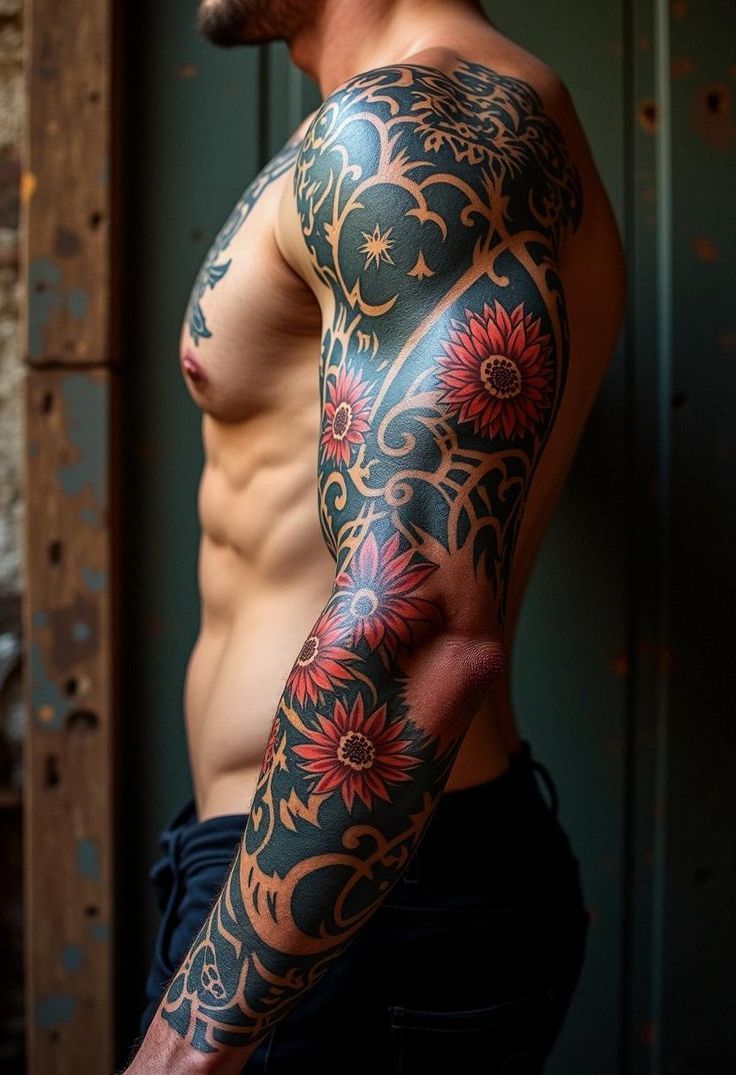
Half Sleeve Tattoo Cost Australia 2026: Complete Pricing Guide
Half sleeve tattoo cost in Australia 2026: $800-$2,500 across 2-5 sessions. Style, city, and artist tier breakdowns plus payment plans.
Read More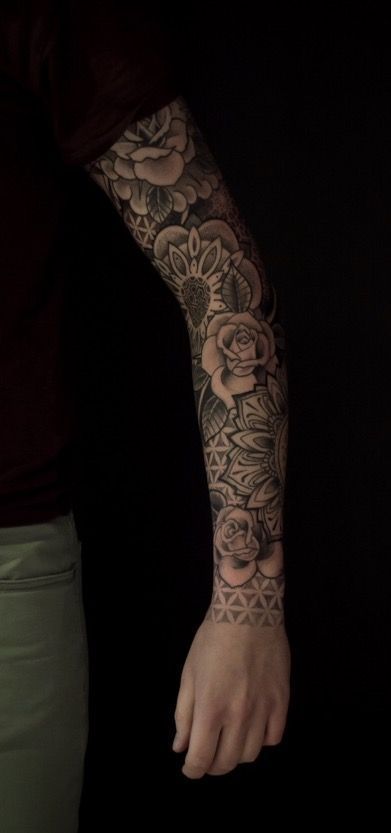
Full Sleeve Tattoo Cost Australia 2026: Complete Investment Guide
Full sleeve tattoo cost in Australia 2026: $1,500-$6,000 over 4-8 sessions. Style, city, and artist tier breakdowns plus payment plans.
Read More