Laser Removal vs Cover-Up Australia 2026: Decision Guide
You have hated this tattoo for five years. Last week you finally booked two consultations: one at a laser clinic in the CBD, one with a cover-up specialist in the suburbs. Both pitched their option as the obvious choice. Now you are home with two glossy quote sheets, both around $2,500, both promising a happy ending, and no idea which way to go.
The real answer in Australia in 2026 is not about price. It is about the end state you actually want. Laser removal gives you back the closest approximation of bare skin, with a long timeline and a real pain commitment. A cover-up gives you a new tattoo, faster and often cheaper, with design constraints. The hybrid (fade then cover) sits between them. This guide walks through the technology, the realistic outcomes, the side effects, the skin-tone considerations, and the decision matrix Australian dermatologists and tattoo artists actually use.
Key Takeaways
- Laser removal is the only path back to (near) bare skin; 8 to 16 sessions, $1,000 to $7,500 typical
- Cover-up is faster and cheaper but commits you to a new, usually larger and darker, tattoo
- Hybrid (fade-and-cover) gives best design freedom for moderate cost increase over direct cover-up
- Pain ranking: laser removal (7 to 8 out of 10) hurts more than tattooing (4 to 6); cover-ups are standard tattoo pain
- Time ranking: cover-up wins by an order of magnitude; weeks vs years
- Skin tone matters: darker skin (Fitzpatrick IV to VI) needs lower laser energy and longer treatment timelines
- Both are cosmetic in Australia; no Medicare rebate, no private health insurance cover
The Question That Cuts Through Everything
Before anything else, answer this honestly: what do you want this body part to look like in two years?
- "Like my old tattoo never existed." Laser removal is the only honest path. Cover-ups always leave a tattoo where the old one was.
- "A new tattoo I actually love." Cover-up wins on time and money. Bring a cover-up specialist into the conversation early.
- "Something subtle that does not scream tattoo." Hybrid is your best aesthetic outcome; the underlying ghost lets you get away with lighter shading.
- "I do not know yet." Start with a laser consult; you can always switch to cover-up later, but you cannot un-cover.
The biggest regret Australian removal clients report is starting laser without a clear end state. Halfway through an 18-month removal, you have a half-faded tattoo, a sore wallet, and the same indecision. Decide first, then book.
How Laser Tattoo Removal Actually Works
Modern Australian laser clinics use light energy at specific wavelengths to shatter tattoo ink particles into smaller pieces. Your immune system then clears the fragments through the lymphatic system over weeks. Here is the technology you should know.
Q-switched lasers (older generation)
- Pulse duration: nanoseconds (billionths of a second).
- Common wavelengths: 1064nm (black, dark blue), 532nm (red, orange), 755nm (green, blue).
- Strength: reliable on black ink; widely available.
- Limitation: 10 to 16 sessions typical; struggles with green, yellow, white.
- Cost: $200 to $400 per session.
Picosecond lasers (current standard)
- Pulse duration: picoseconds (trillionths of a second). 1000x faster than Q-switched.
- Common platforms: PicoSure, PicoWay, Cynosure.
- Strength: works on stubborn colours (green, yellow) and dense black; fewer sessions needed.
- Sessions: 6 to 10 typical for full clearance.
- Cost: $300 to $600 per session; total often similar to Q-switched due to fewer sessions.
Why session counts vary so much
- Skin tone: Fitzpatrick I to II clears fastest; V to VI need lower energy to avoid pigment changes.
- Tattoo age: tattoos older than 10 years often have partially absorbed pigment; clear in fewer sessions.
- Ink colour: black is easiest; yellow, green, light blue, white are hardest.
- Ink depth and density: amateur tattoos packed deep need more passes.
- Location: areas with good blood supply (chest, arm) heal faster between sessions; ankles, feet, hands are slower.
What to expect at a laser session
- Numbing cream applied 30 minutes before, or ice/cold air during.
- Practitioner moves the laser handpiece in a grid over the tattoo.
- Each pulse feels like a hot rubber band snap; sound is a popping noise.
- Skin frosts white immediately (an air bubble effect from ink vaporisation). Fades in 20 minutes.
- Treated area swells, may blister, and scabs over the next 7 to 14 days.
- Pigment continues to fade for 6 to 8 weeks after each session.
- Next session booked 6 to 8 weeks later to allow full clearance.
How Cover-Up Actually Works
A cover-up is a fresh tattoo strategically designed and shaded to optically conceal the old one. It is the highest-skill specialty in tattooing because the artist works with constraints.
The constraints
- Size: new design must be 2 to 3x the original area to disguise edges.
- Tone: new design must be darker or equal in saturation to the old ink at every point.
- Composition: dark elements need to land over dark areas of the old tattoo. The drawing follows the underlying shape, not just your wishes.
- Style: highly detailed realism is hard over heavy black; mandala, blackwork, and floral with dark backgrounds work best.
The cover-up process
- Consultation: artist photographs the existing piece, discusses design ideas, identifies dark areas to plan around.
- Custom drawing: 1 to 3 weeks for the artist to design a piece that disguises the original. Often 2 to 3 revision rounds.
- Stencil session: stencil applied, fit checked against the underlying tattoo, adjustments made.
- Tattoo sessions: 1 to 4 sessions of 2 to 5 hours each, depending on size and detail.
- Healing: standard tattoo healing, 3 to 4 weeks for surface, 3 months for full settle.
Side-by-Side Decision Table
Photographs in this article are example portfolio pieces from real Australian artists on the platform. The cost figures are illustrative averages based on Australian market rates and do not represent the actual fees charged for the specific tattoos shown.
| Factor | Laser removal | Cover-up | Hybrid |
|---|---|---|---|
| End result | Near-bare skin (some shadow) | New, larger tattoo | New tattoo with design freedom |
| Cost (medium tattoo) | $2,500 to $5,000 | $700 to $1,800 | $1,800 to $3,500 |
| Sessions | 6 to 16 | 1 to 4 | 3 to 8 |
| Total time | 12 to 24 months | 1 to 3 months | 9 to 18 months |
| Pain (per session) | 7 to 8 out of 10 | 4 to 6 out of 10 | Mix |
| Recovery per session | 2 to 4 weeks blistering, scabbing | 3 to 4 weeks standard healing | Both phases |
| Scarring risk | Low with picosecond, higher with old tech | None if cover is well done | Low |
| Pigmentation changes | 5 to 15% (more in darker skin) | Rare | Possible from laser phase |
| Design freedom | Total (new placement entirely) | Limited (size and tone) | Good (smaller, lighter possible) |
| Reversibility | Cannot put old tattoo back | Cannot remove cover easily | Locked in after final tattoo |
| Aftercare effort | 2 to 4 weeks per session | 3 to 4 weeks per session | Both |
Decision Matrix by Tattoo Type
| Your tattoo | Recommended path | Why |
|---|---|---|
| Small name in black ink | Cover-up | Easy to disguise with floral, geometric, or symbol; cheapest path |
| Faded older tattoo (10+ yrs) | Cover-up | Already half-removed; minimal cover-up constraints |
| Solid black tribal armband | Hybrid | Direct cover locks you into very dark dense design; fade first opens options |
| Bright colour realism | Hybrid or removal | Hard to cover bright colour without going even brighter or darker; removal preferred |
| Visible face or neck piece | Removal | Cover-ups in highly visible spots have lower error tolerance |
| Hand or finger tattoo | Removal (with caution) | Cover-ups on extremities age poorly; removal slower but more reliable |
| Stretched tattoo (post-pregnancy, weight change) | Cover-up | Skin texture irregular; removal often patchy; new tattoo can mask distortion |
| Tattoo over scarring | Cover-up | Laser cannot lift scar; cover can incorporate texture |
| Bad linework or shaky lines | Touch-up (not cover-up) | Often the original artist or a better hand can fix the linework cheaper |
| Hate every tattoo on this body part | Removal | Cover-ups still produce a tattoo; you want bare skin |
Skin Tone Considerations
Australia's population spans the full Fitzpatrick scale. Both laser removal and cover-ups behave differently across skin types.
| Skin type (Fitzpatrick) | Laser removal notes | Cover-up notes |
|---|---|---|
| I to II (very fair, fair) | Easiest; standard energy; 6 to 10 sessions | Easiest; bright colours show well |
| III to IV (light olive, olive) | Slightly lower energy; 8 to 12 sessions | Most colours work; light pastels can dull |
| V (dark brown) | Lower energy needed; 10 to 14 sessions; higher hypopigmentation risk | Dark tones layer well; light colours less visible |
| VI (very dark brown to black) | Specialist clinic only; 1064nm laser preferred; risk of permanent pigment change; 12 to 16+ sessions | Dark blackwork and rich colours best; clarity depends on skin contrast |
If you have Fitzpatrick V or VI skin and are considering laser removal, choose a clinic with explicit experience treating darker skin tones. Ask to see before-and-after sets on similar skin; the most ethical clinics will offer a test patch before committing to a full course.
The Combination Strategy in Practice
The hybrid pathway is the most underrated in Australia. Roughly 60% of clients who initially booked direct cover-ups would have achieved a better aesthetic outcome with 2 to 4 fade sessions first. Here is how to know if you fit.
You are a good candidate for hybrid if
- Original tattoo is solid black, dense, or large (more than 10cm).
- You want colour or light shading in the new design.
- You want the new tattoo smaller than the original would allow with direct cover.
- You have 12 to 18 months and a budget around $2,500 to $5,000.
- You are willing to live with a fading tattoo during the fade phase.
You are not a good candidate for hybrid if
- You want the project done in under 3 months.
- Budget is under $1,500.
- Original is already faded or fine-line (skip the laser, go direct).
- You have a low pain tolerance (the laser phase is significant).
- Skin is on a location with slow healing (hand, foot, ankle).
The hybrid math: 3 laser sessions at $300 = $900, plus a smaller cover-up at $700 = $1,600 total. Direct cover-up alone would be $1,200, but the design would have to be 3x bigger and much darker. The $400 premium for the hybrid often buys a smaller, more colourful, more sophisticated end piece.
Common Mistakes Australians Make
Mistake 1: Trusting one consultation only
Removal clinics push removal. Cover-up artists push cover-ups. Book at least one of each before deciding; ideally three or four total. Compare design proposals and quotes side by side.
Mistake 2: Choosing the cheapest laser clinic
The savings vanish across 14 sessions versus 8. Cheap clinics often run older Q-switched lasers, treat at suboptimal energy to avoid liability, and require more sessions. The picosecond clinic charging 40% more per session often costs less in total.
Mistake 3: Picking the cover-up design first
The new design has to work with the underlying tattoo, not against it. Pinterest boards and friend suggestions are useful, but the artist must drive the final composition. If a cover-up artist says "that design will not cover this" and pushes back, they are doing their job.
Mistake 4: Skipping the patch test
A 1cm laser test patch before committing to a full course is a $40 to $80 add-on most Australian clinics offer. It reveals skin reaction, fade pace, and pigment change risk. Worth every dollar.
Mistake 5: Quitting halfway
The middle of a removal looks the worst: faded but still visible, sometimes patchy. Many clients quit at session 4 or 5 and end up worse off than they started. Either commit to finishing (often 8 to 12 sessions) or switch to cover-up after a planned number of fade sessions.
Mistake 6: Underestimating the recovery
Laser removal blistering and scabbing is brutal. Plan a week of avoiding sun, swimming, and heavy exercise after each session. Cover-up healing is a 3 to 4 week commitment of moisturising, no sun, no booze.
Mistake 7: Ignoring sun exposure during the process
Sun on a tattoo being lasered or covered up can cause permanent pigment changes. SPF 50+ and UPF clothing during both processes. Read our sun and UV guide for the full protocol.
What About DIY and "Removal Creams"?
Three categories of DIY product appear in Australian online stores. None work.
- Lemon juice, salt scrubs, hydrogen peroxide: chemical burns and scarring. The original ink stays in the dermis. The skin above is destroyed.
- "Tattoo removal cream" (TCA, hydroquinone-based): minimal penetration; cannot reach the dermis where pigment lives. At best does nothing. At worst causes skin discolouration.
- Home dermabrasion kits: grind off the upper skin layers. Scarring is the dominant outcome. Pigment migrates.
The TGA does not approve any over-the-counter tattoo removal product. If a product claims to remove tattoos at home, it is either lying or unsafe. Use a registered laser clinic.
Cost Calculator: Build Your Real Budget
For a quick personalised estimate, use our tattoo cost calculator. For a manual budget:
Removal budget worksheet
- Measure your tattoo's longest dimension in cm.
- Find your city's per-session cost in the cost guide.
- Multiply by expected sessions: black ink 8, mixed colour 10, vibrant colour 12+.
- Add 15% for travel, parking, and aftercare products.
Cover-up budget worksheet
- Multiply original tattoo area by 2.5 for new tattoo size.
- Hours of work: small 2 to 3, medium 4 to 6, large 8 to 12.
- Hourly rate from your city's market (Sydney $150 to $280, Melbourne $130 to $250, etc).
- Add 10% for design fees and 20% for aftercare and tip.
Frequently Asked Questions
Is it safe to get a cover-up over a recently faded laser tattoo?
Yes, with a wait period. Most cover-up artists in Australia require 8 to 12 weeks after your final laser session before tattooing over the area. This lets skin fully recover and pigment to finish clearing.
Will laser removal leave a permanent shadow?
Often yes, especially on heavily inked tattoos. The shadow is usually subtle and looks more like skin discolouration than a tattoo. Quality picosecond lasers and patient practitioners minimise it. If you cannot tolerate any shadow at all, plan for 14 to 16 sessions instead of 8 to 10.
Can I tattoo over an old tattoo from another artist?
Yes, this is a standard cover-up. The new artist does not need permission from the original artist. Bring a photo or a high-res scan to the consultation. Most reputable cover-up specialists will tell you upfront whether your existing piece is workable.
How do I find an Australian cover-up specialist?
Browse Sydney, Melbourne, Brisbane, Perth, and Adelaide studios; look for "cover-ups" in the artist's specialties or Instagram highlights. Ask the studio receptionist directly if cover-up is a stated specialty.
What is the cheapest way to fix a small unwanted tattoo?
Small black tattoos under 5cm are usually cheapest to cover up with a single-session piece in the $200 to $500 range. Removal of the same tattoo would cost $1,000 to $2,000 over 6 to 10 sessions.
Are there any reasons not to laser-remove a tattoo?
Pregnancy and breastfeeding (defer until after weaning). Active skin conditions in the area (eczema, psoriasis flares). Medications that affect healing (some immunosuppressants, blood thinners; see our blood thinners guide). Sun-tanned skin; wait 4 to 6 weeks for tan to fade.
Can the laser change my skin colour permanently?
In about 1 to 5% of cases, yes, depending on skin tone and laser settings. Hypopigmentation (lighter patches) is more common in darker skin; hyperpigmentation (darker patches) more common in lighter skin. Both usually resolve in 6 to 12 months but can persist. This is why patch testing matters.
Bottom Line
Cover-up is the right answer when you want a new tattoo and are happy with a larger, darker design. Laser removal is the right answer when you want bare skin and have the time and budget. Hybrid is the right answer when you want the best aesthetic compromise. Ask yourself the end-state question first, then book consultations with both kinds of practitioner before committing.
For a deeper cost-only comparison, read our cover-up vs removal cost guide. Or estimate your real budget in 30 seconds with our tattoo cost calculator.
Explore More
Find Tattoo Shops
Browse by Style
Stay Updated with the Latest Insights!
Get the latest news and updates delivered to your inbox.
Related Articles
Cover-Up vs Removal Cost Australia 2026: Real Pricing Compared
Cover-up vs laser removal in Australia 2026: cost by tattoo size, hybrid fade-and-cover strategy, AUD pricing, real client case studies.
Read More
Tattoo Removal Pain: Australian Guide to Numbing and Survival 2026
Tattoo removal hurts 4 to 8 of 10. Australian guide to numbing creams, Zimmer chillers, breathing tricks, and pain ratings by body part for 2026.
Read More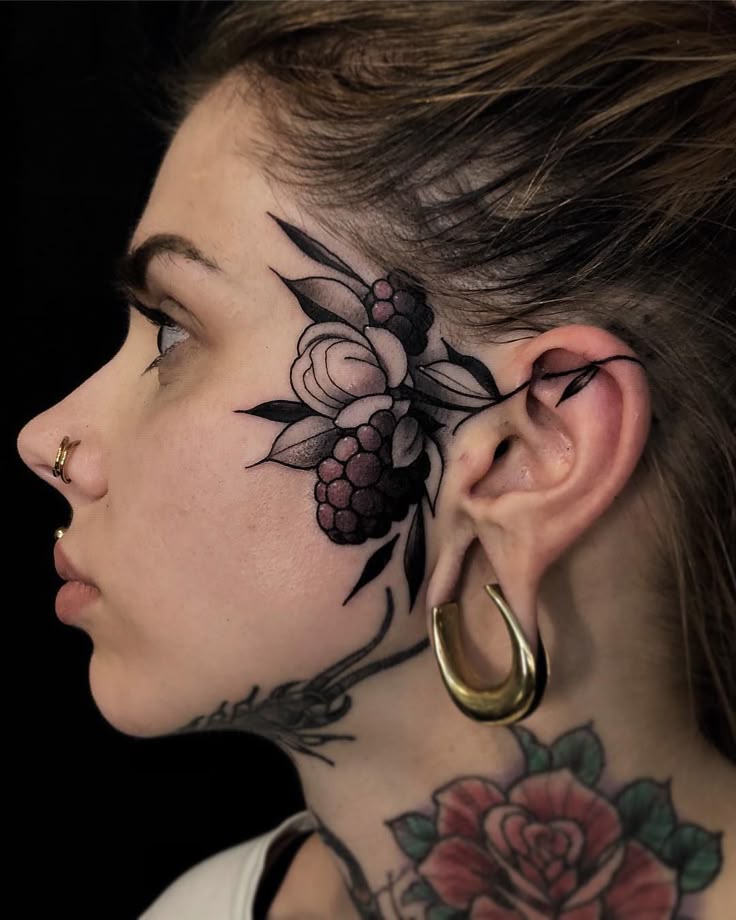
Tattoo Removal Aftercare 2026: Complete Australian Healing Guide
Laser tattoo removal aftercare in Australia 2026. Hour-by-hour first day, week-by-week routine, blister care, products, and red flags between sessions.
Read More