Tattoo Removal Aftercare 2026: Complete Australian Healing Guide
You walked out of the laser clinic with a cool compress on your forearm, a sheet of instructions, and a strange mix of relief and anxiety. The treatment itself takes minutes. The healing takes weeks. And nothing the clinician said in those rushed last 30 seconds quite covers what to do at 11pm when the blister on your arm starts to weep through the dressing. This guide is the version you actually need.
Laser tattoo removal in Australia in 2026 is faster, cleaner, and more available than ever, but every successful course depends on aftercare. Skip the routine and you risk hyperpigmentation, scarring, infection, and slower fading between sessions. Follow it and most people walk out of their final treatment with skin that looks like nothing was ever there. This guide walks through the full healing arc treatment by treatment, hour by hour for the first 24, then day by day until the next session.
Key Takeaways
- First 24 hours: Cool compress every 2 hours, keep dressing dry, no painkillers with aspirin
- Blisters and frosting: Normal in the first 72 hours; never pop them
- Healing window: 4 to 6 weeks between sessions, longer in summer
- No sun: SPF 50+ on the treated area for the full course, plus 6 months after
- No soaking: Showers only, no baths, pools, ocean, or hot tubs for 14 days
- Right products: Bepanthen, Stratamed, or fragrance-free moisturiser only
- Red flags: Yellow pus, foul smell, fever, or spreading redness needs a same-day GP
- Long course: Most Australian tattoos need 6 to 12 sessions for full clearance
What Just Happened to Your Skin
Understanding the science of removal makes every aftercare rule make sense. A Q-switched or picosecond laser fires pulses of light tuned to specific pigment colours. The energy is absorbed by the ink particles, which shatter into fragments small enough for your immune system to carry away through the lymphatic system. Your body does the actual fading; the laser just breaks up the targets.
What you see and feel after the session is a controlled injury. The top layer of skin (epidermis) often shows white "frosting" within seconds, which is carbon dioxide gas escaping as the ink absorbs energy. Underneath, capillaries dilate, plasma pools, and a small zone of trauma signals the immune cascade. That cascade is what fades the tattoo over the next 4 to 8 weeks, but it also means the skin needs help to repair the surface while the deep work happens.
In a nutshell: your skin is healing while your immune system is hauling ink away. Aftercare is about protecting the surface so the deeper process can run uninterrupted.
Hour-by-Hour First 24 Hours
Hour 0 to 2 (clinic and drive home)
- The clinician applies a cool gel pack or wet compress and a non-stick dressing
- Frosting is at its peak; pinpoint bleeding is normal in dense areas
- Take paracetamol if you need pain relief; avoid aspirin and ibuprofen
Hour 2 to 8 (settling in at home)
- Keep the dressing on, dry, and intact for the time the clinic specified (usually 2 to 24 hours)
- Apply a cool compress (clean cloth wrapped around a small ice pack) for 10 minutes every 2 hours
- Elevate the limb if treated; it reduces swelling and throbbing
- Drink water; lymphatic clearance works better when you are hydrated
Hour 8 to 24 (first night)
- Light bleed-through on the dressing is fine; soaked-through means change it
- Sleep with the treated area uppermost where possible
- Expect some throbbing as the bruising sets in; paracetamol every 4 to 6 hours if needed
- Do not shower the treated area in the first 24 hours unless the clinic specifically said it was OK
Heads up: NSAIDs (Nurofen, aspirin, naproxen) increase bleeding and may slow ink clearance because they blunt the immune response that the laser depends on. Paracetamol only for the first week.
Day 1 to 7: Surface Healing
| Day | What You See | What to Do |
|---|---|---|
| Day 1 | Redness, swelling, possible blisters | Cool compresses, keep dry, apply Bepanthen if scabbing starts |
| Day 2 | Blisters may swell, area feels tight | Do not pop blisters; cover loosely if they catch on clothes |
| Day 3 | Blisters often burst on their own | Wash gently, pat dry, thin layer of Bepanthen |
| Day 4 to 5 | Scab forms, darkening, tightness | Keep moisturised, no picking, lukewarm showers |
| Day 6 to 7 | Scab edges may flake, itchiness | Resist scratching; tap with palm or apply cool gel pack instead |
Day 8 to 28: The Quiet Phase
Most of the visible drama is over by day 7, but the deeper work is still happening. Your immune system is steadily ferrying ink fragments away through the lymphatic system. The skin surface starts to look normal again somewhere between day 10 and 21, depending on placement and how dense the original tattoo was. This is the phase where most people mess up the course by getting impatient: sneaking a swim, lying out in the sun, switching to a perfumed moisturiser.
Daily routine (day 8 to 28)
- Morning: Lukewarm shower, fragrance-free wash, pat dry, fragrance-free moisturiser, SPF 50+ if going outside
- Throughout the day: Reapply SPF every 2 hours on exposed skin; cover with light cotton where practical
- Evening: Quick lukewarm rinse if sweaty, pat dry, moisturiser, no harsh exfoliants
- Sleep: Light cotton clothing; avoid tight elastics over the area
Common day 8 to 28 problems
- Hyperpigmentation (dark patches): More common in skin types IV to VI. SPF and patience usually resolve it within 3 to 6 months
- Hypopigmentation (light patches): Less common; reports back to the clinician to adjust laser settings next session
- Itchiness: Normal during the histamine phase. Cool compress and a fragrance-free moisturiser, never scratch
- Bruising: Common on the forearm, ankle, and ribs. Resolves in 7 to 14 days
Products: What Works and What to Skip
Use
- Bepanthen Antiseptic Cream: Australian go-to. Cheap, effective, gentle
- Stratamed silicone gel: For raised scarring risk; particularly useful for darker skin tones
- QV Skin Lotion or Cetaphil Restoraderm: Daily fragrance-free moisturiser
- Aveeno Skin Relief Lotion (fragrance-free): Good for itchiness
- SPF 50+ Cancer Council Sensitive: Daily for the full course plus 6 months
- Hydrocolloid dressings: Over weeping blisters once cooled, not while still hot
Skip
- Any fragrance, "fresh", or "natural scent" lotion
- Retinols, AHAs, BHAs, glycolic acid on the treated area for 6 weeks
- Hydrogen peroxide and rubbing alcohol; both delay healing
- Tea tree oil, lavender, peppermint, and essential oils generally
- Steroid creams unless the clinician prescribed one
- Aspirin and ibuprofen for the first week
Quick tip: if you would not put it on a fresh tattoo, do not put it on a fresh removal site. The two routines overlap more than people think.
Blisters, Frosting, and Scabs: The Field Guide
The visible signs of removal can look alarming if no one warns you. Here is what is normal, what is not, and exactly what to do.
| Sign | When | Normal? | Action |
|---|---|---|---|
| White frosting | 0 to 60 minutes | Yes | Cool compress, fades on its own |
| Small clear blisters | 4 to 72 hours | Yes | Cover loosely, do not pop |
| Large blood blisters | 24 to 72 hours | Sometimes | Photo it, contact clinic if larger than a 50-cent coin |
| Brown scab | Day 4 to 14 | Yes | Moisturise, no picking |
| Pinpoint bleeding | 0 to 24 hours | Yes | Cool compress, settle in 30 minutes |
| Yellow or green pus | Any | NO | GP same day, possible infection |
| Spreading red streak | Any | NO | GP or HealthDirect 1800 022 222 immediately |
| Fever above 38 degrees | Any | NO | Emergency or GP same day |
Activity Restrictions Between Sessions
Exercise
- Day 1 to 2: Walking only. Sweat and heat irritate fresh blisters
- Day 3 to 7: Light cardio away from the treated area, low intensity
- Day 8 to 14: Resume normal training, no contact sport, no shared mats
- Day 14+: Back to full training; keep SPF on the area for outdoor sessions
Water
- Showers: From day 1 if the clinic allows; lukewarm, under 10 minutes
- Baths and soaks: No, for 14 days
- Pools: No, for 14 days minimum. Chlorine irritates blisters
- Ocean: No, for 14 to 21 days. Salt water plus UV is a bad combination
- Hot tubs and spas: No, for 21+ days; highest bacterial load
Sun
- Direct sun: Avoid entirely for the first 4 weeks after each session
- SPF 50+: Every day on the treated area for the full course
- Tan beds: No, for the full course plus 6 months after
- Australian summer reality: Wear a light long sleeve over the area for outdoor work
Session Spacing and the Full Course
Most Australian clinics in 2026 space sessions 6 to 8 weeks apart, sometimes 4 weeks for small black work. The interval is not arbitrary: it is how long your immune system needs to clear the ink fragments from the last treatment. Shortening the gap saves no time overall and increases the risk of side effects.
| Tattoo Type | Sessions Expected | Session Spacing | Full Course |
|---|---|---|---|
| Small black amateur ink | 3 to 6 | 4 to 6 weeks | 6 to 9 months |
| Small black professional | 5 to 8 | 6 to 8 weeks | 9 to 14 months |
| Medium black and grey | 6 to 10 | 6 to 8 weeks | 12 to 18 months |
| Colour tattoo | 8 to 14 | 6 to 8 weeks | 14 to 24 months |
| Coverup prep (fading only) | 2 to 4 | 6 weeks | 3 to 6 months |
For pricing context, see our laser tattoo removal cost guide and our coverup vs removal cost comparison. The cheaper path is rarely the faster one; budgeting for the full course up front prevents surprises.
Special Cases
Pregnancy and breastfeeding
Most Australian clinics pause removal during pregnancy and the first 3 months of breastfeeding. The laser itself is not harmful, but inflammation and any infection management are simpler when you are not pregnant. Discuss timing with the clinic and your GP before booking.
Darker skin (Fitzpatrick IV to VI)
- Higher risk of hyperpigmentation, lower risk of hypopigmentation with modern lasers
- Ask if the clinic uses 1064 nm wavelength (safer for melanin-rich skin)
- SPF 50+ is non-negotiable, not optional
- Patch test at the first session at lower energy
Coverup prep
- You only need partial fading, not full clearance
- 2 to 4 sessions usually enough
- Coordinate timing with the tattoo artist so the coverup design lines up with the faded base
Sensitive areas (face, neck, hand)
- Smaller spot size, lower energy, more sessions
- Watch for textural changes; report to the clinic immediately
- Sun avoidance is critical (these areas are always exposed)
Pain Management Through the Healing Window
Most patients describe removal as "uncomfortable then sore." The session itself feels like hot rubber band snaps; the days after feel like a sunburn with bruising. The right pain plan covers both.
- During the session: Topical numbing (LMX 4 or EMLA applied 60 minutes before), Pro Nox if the clinic offers it
- Hours 0 to 24: Cool compress every 2 hours, paracetamol every 4 to 6 hours
- Day 2 to 5: Paracetamol as needed, cool compress for itch and tightness
- Day 6+: Most people stop needing pain relief; itch is the bigger issue
For more on managing the pain during removal sessions themselves, see our tattoo removal pain management guide.
When to Call the Clinic, When to Call the GP
Call the clinic within 24 to 48 hours if:
- A blister larger than a 50-cent coin forms
- The dressing soaks through with blood or fluid
- Itch is unbearable beyond day 5
- A patch of skin looks notably darker or lighter than expected
Call a GP same day if:
- Yellow or green pus, foul smell, or warmth spreading from the area
- Fever above 38 degrees
- A spreading red streak from the treated area
- You feel generally unwell with chills or muscle aches
Emergency department if:
- High fever with red streaking (possible cellulitis or sepsis)
- Sudden severe swelling
- Confusion or rapid heart rate
HealthDirect on 1800 022 222 is free 24/7 and a sensible first call when unsure.
Frequently Asked Questions
Can I shower the same day as my laser session?
Usually after the first 12 hours, but follow what the clinic told you. Lukewarm, under 10 minutes, no scrubbing or direct spray on the area.
Why does my tattoo look the same after one session?
Fading happens between sessions, not during. Most people see noticeable change between session 2 and 3. By session 4 the contrast difference is clear. Photos from your phone calendar help track progress.
Can I exercise within 24 hours?
Walking yes; gym no. Sweat irritates blisters and shared equipment carries bacteria. Light cardio from day 3, full training from day 8.
Is it OK to use makeup over the treated area when going out?
Not for the first 7 days. After that, mineral-based foundation is fine, fragranced products are not. Always remove gently with a fragrance-free cleanser, never makeup wipes that scrub.
What if I get sunburn on the treated area between sessions?
Postpone the next session by 4 weeks. Lasering sunburnt skin causes hyperpigmentation and prolongs recovery. Tell the clinic before they fire up the laser.
How long until I can get a new tattoo over the same area?
Most Australian artists want to see at least 6 months of fully healed, evenly toned skin before re-tattooing. Bring your laser records to the consultation; the artist needs to know what the skin has been through.
Can I drink alcohol during the healing window?
Avoid for 48 hours after each session. Alcohol thins blood, slows healing, and worsens swelling. Beyond 48 hours, normal drinking is fine.
Bottom Line
Successful tattoo removal is two parts patience, one part discipline, and a lot of sunscreen. Follow the hour-by-hour plan for the first day, the day-by-day plan for the first week, then keep the skin protected, hydrated, and out of the sun until the next session. Six to twelve months from now you walk into the final follow-up looking like you never had ink. That is the prize on the other side of the routine.
If you are still weighing the call, our laser removal vs coverup guide compares the two paths side by side. Browse Australian artists for coverup work in Sydney, Melbourne, Brisbane, Perth, or Adelaide.
Explore More
Find Tattoo Shops
Browse by Style
Stay Updated with the Latest Insights!
Get the latest news and updates delivered to your inbox.
Related Articles
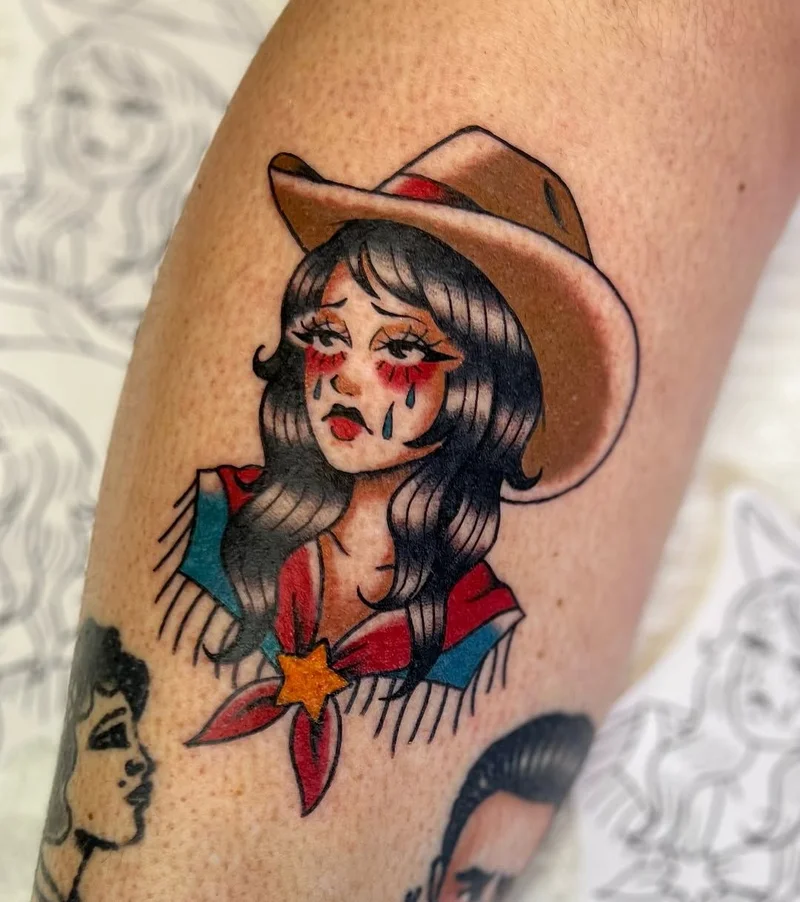
First 24 Hours After a Tattoo: Hour-by-Hour Care Guide
Hour-by-hour aftercare for the first day with a new tattoo: bandage, wash, balm, sleeping tips, and the warning signs to watch for.
Read More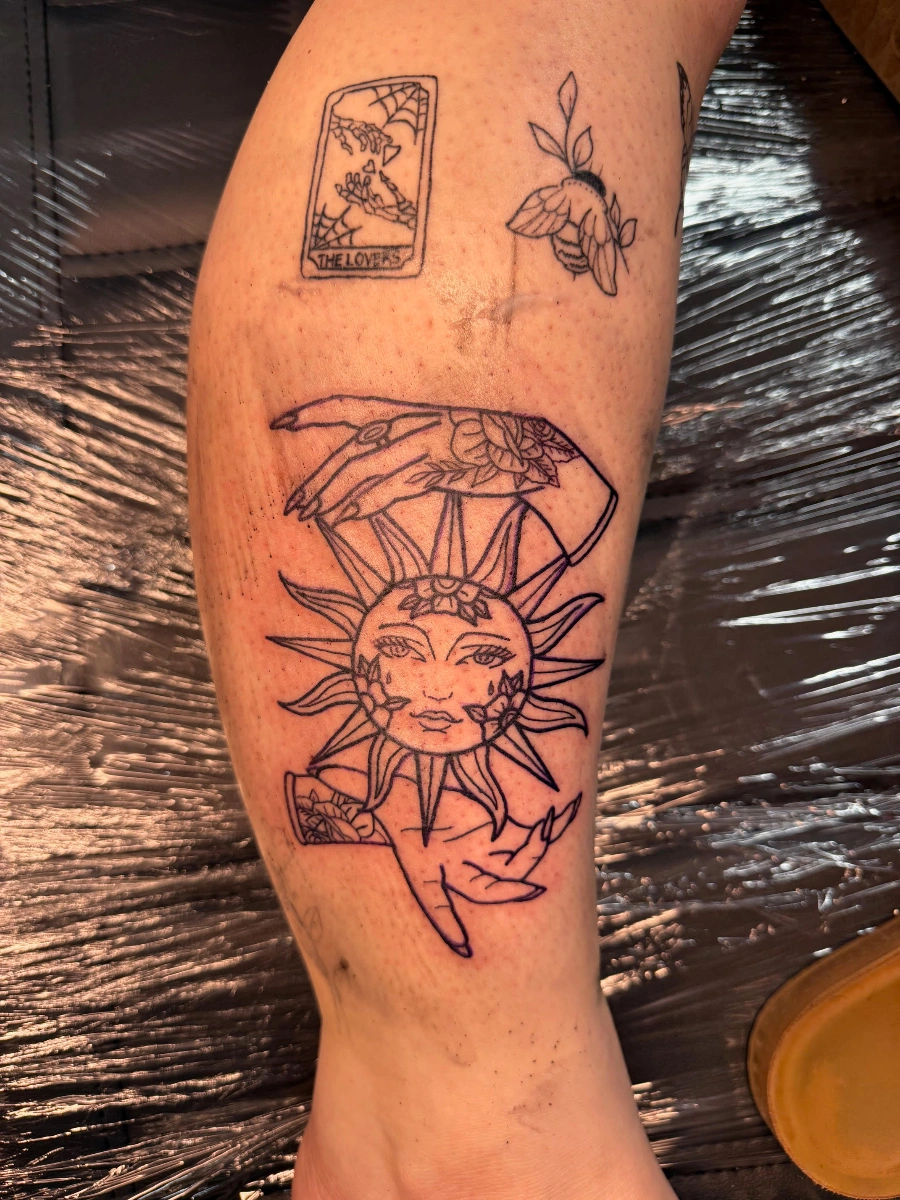
Tattoo Second Skin Guide Australia 2026: Saniderm and Tegaderm
Tattoo second skin guide: Saniderm, Tegaderm, Recovery Derm Shield. Wear time, removal, brands sold in Australia, plus when to skip the film entirely.
Read More
Best Tattoo Moisturiser Australia 2026: Lotions, Ointments, Aftercare
Best tattoo moisturisers Australia 2026: Aquaphor, Bepanthen, After Inked, Cetaphil, Hustle Butter. Phase-by-phase aftercare, ingredients to skip, AUD prices.
Read More