Sun Exposure and Tattoos Australia 2026: UV Protection Guide
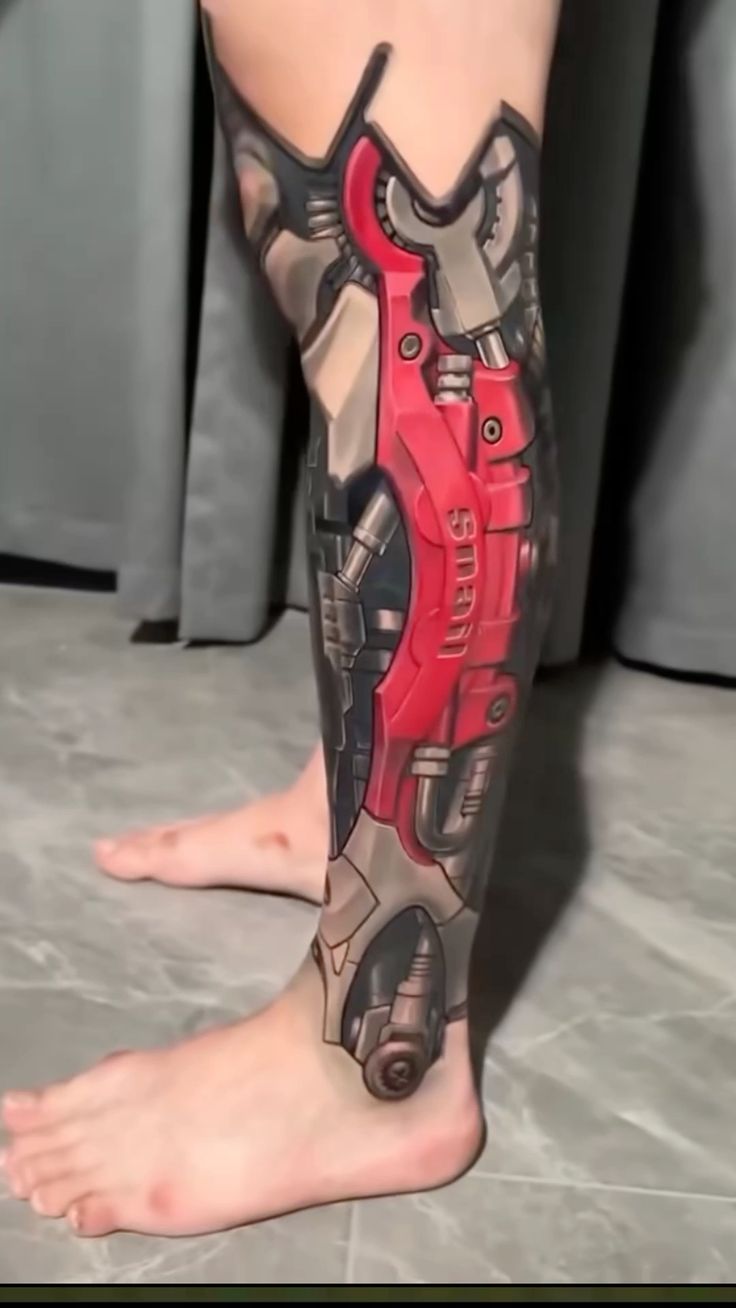
You are six months into a colour sleeve and a friend in London messages, "your reds look completely different to mine, what is going on". The honest answer: you live in Australia, your friend lives at latitude 51, and the UV index in Bondi in January is almost twice what they get in Hyde Park. Australian sunlight does to tattoo ink what it does to a black car bonnet. It fades, dulls, blurs, and over a decade it can turn a sharp piece into a smudge.
The good news is, protecting your tattoo from Australian UV is a solved problem. Cancer Council guidance, the SPF system, UPF50+ clothing, and a handful of habits are enough to keep a piece sharp for 20-plus years. This guide walks through how UV actually damages ink, what to do in the first 6 weeks (the zero-sun window), the best Australian sunscreen choices for tattoos, the cities and seasons with the harshest exposure, and the after-sun care that actually works.
Key Takeaways
- Australian UV is the harshest in the developed world: summer UV index regularly hits 12 to 14, "extreme" territory
- Zero sun for the first 4 to 6 weeks on any new tattoo; not "a bit covered", actual zero
- SPF 50+ is the floor for healed tattoos; Cancer Council Daily, Ultra Violette, and Naked Sundays are the most-recommended Australian brands
- UPF 50+ clothing beats sunscreen for compliance: applies once at sunrise, lasts the whole day, costs nothing per use
- Reapply sunscreen every 2 hours when outdoors; every hour if you have been in water, sweating, or wiping
- Colour fades faster than black: yellows, pinks, and pastels can lose 50% saturation in 5 years without protection
- Even winter UV in Perth and Darwin exceeds peak summer UV in northern Europe; sunscreen is not seasonal in Australia
Why Australian UV Is Different
Three geographic and atmospheric factors stack to make Australian UV uniquely punishing for tattoo ink.
1. Latitude and sun angle
Most of Australia sits between 10 and 40 degrees south. The sun is high in the sky, even in winter. A vertical sun travels through less atmosphere, which means less UV absorption before it reaches your skin. London's noon sun in July travels through nearly 50% more atmospheric mass than Sydney's noon sun in December.
2. Ozone layer thinning
The Antarctic ozone hole has been slowly recovering, but its edge still drifts north into the Australian summer. Tasmania, Victoria, and South Australia see seasonal ozone dips that translate to elevated UVB exposure.
3. Clean air and reflection
Australia has clean air for a wealthy country; particulate pollution that filters UV in Beijing or Mumbai is largely absent here. Add water reflection (60%), sand reflection (15%), and concrete reflection (10%), and a beach in Western Australia exposes skin to higher effective UV than open sky alone would suggest.
| City | January UV peak | July UV peak | Tattoo risk level |
|---|---|---|---|
| Darwin | 13 to 14 (extreme) | 9 to 10 (very high) | Year-round high |
| Brisbane | 12 to 13 (extreme) | 4 to 5 (moderate) | Summer brutal, winter manageable |
| Perth | 12 to 13 (extreme) | 3 to 4 (moderate) | Summer brutal, winter manageable |
| Sydney | 11 to 12 (extreme) | 3 to 4 (moderate) | Summer brutal, winter low |
| Adelaide | 11 to 12 (extreme) | 3 to 4 (moderate) | Summer brutal, winter low |
| Melbourne | 10 to 12 (very high) | 2 to 3 (low) | Summer high, winter low |
| Hobart | 9 to 11 (very high) | 1 to 2 (low) | Summer high, winter very low |
For context: London's January UV index is 0 to 1. Hobart in January, our southernmost capital, regularly hits 11. Your tattoo is operating in a UV environment closer to Cairo than to comparable Northern Hemisphere cities.
How UV Actually Damages Tattoo Ink
The fade story is not about the ink "wearing off". Tattoo pigment sits in the dermis (the second layer of skin) and is locked there for life. UV damage happens through three mechanisms.
1. Pigment photodegradation
UV radiation, especially UVB and short-wave UVA, breaks the chemical bonds inside pigment molecules. Organic pigments (the reds, yellows, oranges) absorb UV photons, gain energy, and undergo molecular rearrangement. The new molecule reflects less light or no light at the original colour wavelength. Translation: the colour fades.
2. Macrophage clearance
UV damages the macrophages (immune cells) that hold pigment in place inside the dermis. Damaged macrophages release their pigment payload, which is then redistributed by the lymphatic system or absorbed by neighbours. Visually, this looks like blurring or bleeding into surrounding skin.
3. Collagen breakdown
Long-term UV exposure breaks down collagen and elastin in the surrounding skin. The structural matrix that holds your tattoo's edges sharp loosens. Even if the pigment is intact, the tattoo can lose definition.
Which colours fade fastest under Australian UV?
| Ink colour | Fade rate | 5-year loss | Why |
|---|---|---|---|
| Yellow | Fastest | 50 to 70% | Smallest pigment particles, highest UV sensitivity |
| Pink, peach, pastels | Very fast | 40 to 60% | Low pigment density, organic dyes |
| White | Fast | 30 to 50% (yellowing) | Titanium dioxide oxidises over time |
| Red, orange | Moderate to fast | 30 to 45% | Organic pigments degrade under UVB |
| Green | Moderate | 20 to 35% | Mix of organic and metallic pigments |
| Blue, purple | Slow to moderate | 15 to 30% | Larger pigment particles, more UV resistant |
| Black | Slowest | 5 to 20% | Carbon-based, highly UV stable |
If you live in northern Australia and want a colour piece to stay vibrant, plan for two truths: the artist's stencil-day colours will be 30% brighter than the piece you live with in year three, and SPF 50+ is non-negotiable. Black, grey, and dark blue work age the best in Australian UV.
The Zero-Sun Window: First 4 to 6 Weeks
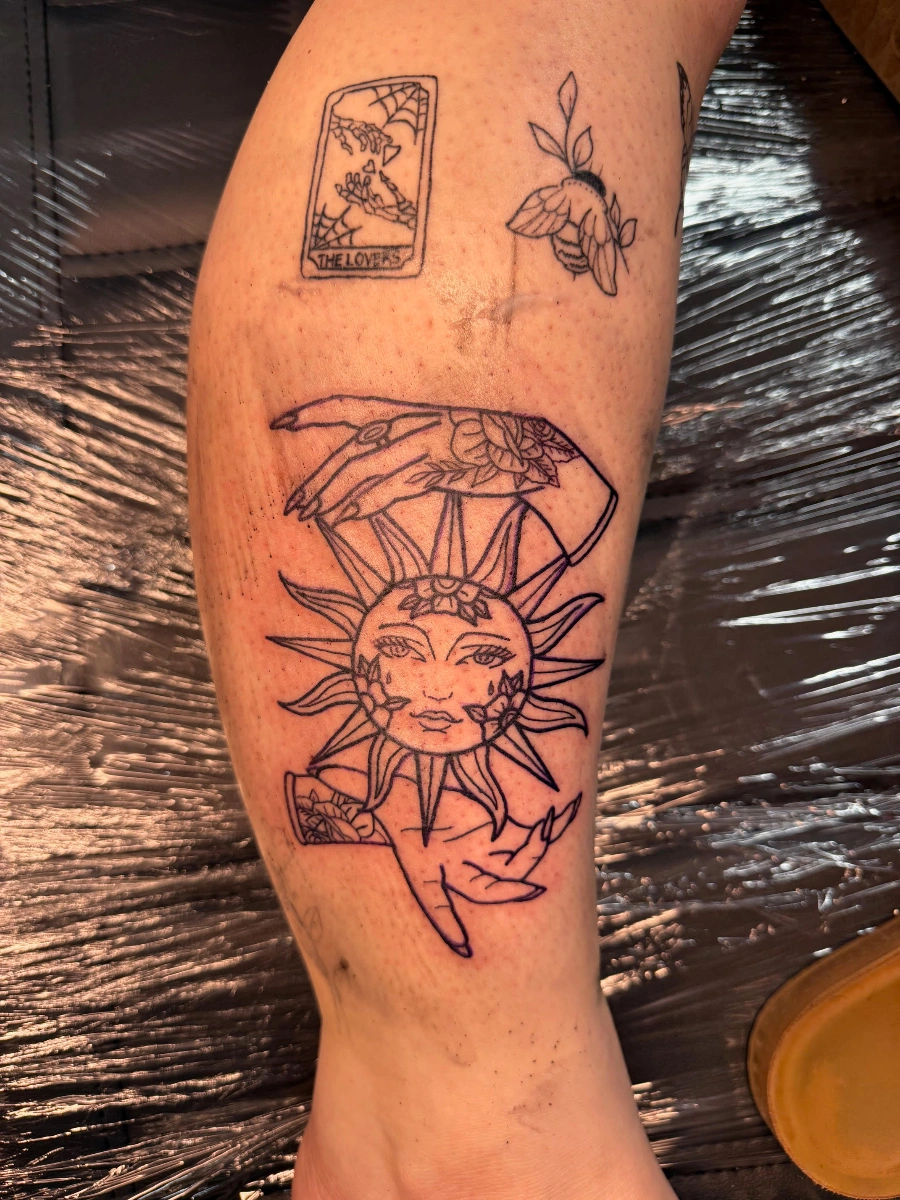
The most damaging time for any tattoo is the first month. Fresh ink sits closer to the surface, the protective skin barrier is broken, and macrophages have not yet locked the pigment into stable position. Sunburn over a fresh tattoo can cause permanent colour loss, scarring, and ink leaching.
Week-by-week rules
| Phase | UV rule | Practical translation |
|---|---|---|
| Days 1 to 3 | Zero sun; covered at all times | Long sleeves outdoors, no beach, no driving with arm on the windowsill |
| Days 4 to 14 | Zero direct sun; covered or indoors | UPF50+ clothing if you must be outside; no sunscreen on a fresh wound |
| Days 14 to 28 | Avoid sun; sunscreen only after full healing | Skin is closing but immature; brief exposure can stain or bleach |
| Days 28 to 42 | SPF 50+ as soon as outdoors; reapply every 2 hours | Skin is functionally healed but pigment still settling |
| Day 42 onwards | SPF 50+ year-round; UPF clothing first line; reapply religiously | Normal long-term sun protection routine |
Heads up: sunscreen on an unhealed tattoo causes more damage than sun does. The chemical and physical filters can react with healing skin, cause irritation, and trap moisture under the film. Cover with clothing instead until the area is fully sealed (no scabs, no peeling, no shine).
Best Australian Sunscreens for Tattoos
The Cancer Council Australia recommends broad-spectrum SPF 30+ for daily use, with SPF 50+ for high-exposure days. For tattoo protection, SPF 50+ broad-spectrum is the working standard. Here are the Australian brands artists most often recommend.
| Product | SPF | Tattoo notes | Price (AUD) |
|---|---|---|---|
| Cancer Council Daily Face SPF 50+ | 50+ | Light, matte, fragrance-free; daily wear under clothing or alone | $15 to $20 (75ml) |
| Cancer Council Active SPF 50+ | 50+ | Sweat resistant; surfing, hiking, beach days | $15 to $25 (200ml) |
| Ultra Violette Queen Screen SPF 50+ | 50+ | Premium, silky finish; popular for visible placements | $50 to $60 (75ml) |
| Naked Sundays Cabana Glow SPF 50+ | 50+ | Reef-safe filters; tinted option suits black and grey | $40 to $50 (50ml) |
| Mecca To Save Face SPF 50+ | 50+ | Daily face and small-tattoo coverage; non-comedogenic | $30 to $40 (50ml) |
| SunSense Sport SPF 50+ | 50+ | 4 hour water resistant; reliable workhorse | $15 to $25 (125ml) |
| La Roche-Posay Anthelios XL SPF 50+ | 50+ | Sensitive-skin formula; good for healed but reactive areas | $30 to $40 (50ml) |
| Banana Boat Sport Performance SPF 50+ | 50+ | Cheap and effective; budget option | $10 to $15 (240ml) |
Mineral vs chemical filters
- Mineral (zinc oxide, titanium dioxide): sits on top of the skin, reflects UV. Gentler for sensitive skin and freshly healed tattoos. Tends to leave a white cast.
- Chemical (avobenzone, octocrylene, homosalate): absorbs UV and converts to heat. Lighter texture, no white cast. Can sting if applied too soon after healing.
- Hybrid formulations: blend both. Most popular Australian premium brands (Ultra Violette, Naked Sundays) sit here.
For a brand-new tattoo's first month of sun-protection life, lean mineral. After 90 days, chemical and hybrid formulas work equally well.
UPF Clothing: The Underrated Hero
The single most effective UV protection for a tattoo is fabric. UPF 50+ rated clothing blocks 98% of UV radiation, requires no reapplication, costs nothing per use, and works while you sleep on the beach. Australian outdoor brands have made it cheap and easy.
What is UPF actually rated?
- UPF 15 to 24: good. Blocks 93 to 96% UV. Standard summer cotton in dense weave.
- UPF 25 to 39: very good. Blocks 96 to 97.5% UV. Most outdoor-brand rashies and base layers.
- UPF 50+: excellent. Blocks 98%+ UV. Specifically engineered fabrics, often with UV inhibitors woven in.
Australian UPF picks
- Cancer Council Rash Vests: $40 to $60. Boring but bulletproof.
- Sundara Sun Sleeves: $30 to $50. Pull-on UPF 50+ sleeves; ideal for protecting arm tattoos while driving or cycling.
- Patagonia Tropic Comfort and Capilene Cool: $80 to $120. Premium long-sleeve options for trail and surf.
- Solbari Sun Protective Shirts: $60 to $100. Australian brand specialising in UPF 50+ everyday wear.
- O'Neill and Rip Curl rashies: $40 to $80. Surf-friendly UPF 50+ for beach days with sleeve tattoos.
Scenario Guide: Real Australian Days, Real Risk
UV protection makes more sense in context. Here is how to play it across the common Australian outdoor activities.
Beach day, Sydney or Gold Coast, January
- UPF 50+ rashie on, even if you do not "feel" sunburn-prone. Sleeves protect arm tattoos. A neck gaiter or hat with brim protects neck and chest pieces.
- SPF 50+ on every exposed area, including healed tattoos, 20 minutes before leaving. Apply 1 teaspoon per body part.
- Reapply every 90 minutes while in water, 2 hours otherwise. Towel-dry first, fresh application.
- Seek shade between 11am and 3pm. UV intensity peaks in this window.
Surfing or paddleboarding, year-round
- Water magnifies UV by 40 to 60%. Even cloudy days are high risk.
- Full-sleeve spring suit or rashie. Cancer Council Active SPF 50+ on face and hands.
- Zinc stick on lips, nose, and visible tattoos that the rashie does not cover.
- Reapply after every session if surfing for the full day.
Outdoor festival, Falls or Splendour
- Multi-day exposure adds up. Day 3 sunburn is often worse than day 1.
- UPF 50+ long-sleeve under your festival fit during peak hours; remove for the headliner once shade returns.
- Sunscreen reapplication every 2 hours, 1 hour if dancing in direct sun.
- Cover sleeve tattoos overnight in cool weather; sunburn is amplified when skin is already inflamed.
Hiking the Three Capes, Larapinta, or Overland
- Altitude amplifies UV. Above 1,000 metres, UV is 10 to 12% higher than sea level. Cradle Mountain and the Larapinta both qualify.
- Long-sleeve trekking shirt, wide-brim hat, sunscreen on hands and back of neck.
- Cover visible tattoos completely. Hours of exposure plus altitude is the worst case for fade.
Driving long distances
- The Pacific Highway and Stuart Highway expose left arms (RHD) to UV for hours. Right-arm sleeves age unevenly on long-haul drivers.
- UPF 50+ pull-on sleeve, applied when you get in the car.
- Window tinting helps; AS/NZS 2604:2012 compliant car film blocks 99% UVB.
Office worker who never seems to see the sun
- Walking to and from work, lunch outside, and incidental sun add up over 30 years.
- Daily face and hand sunscreen, fresh in the morning, reapplied at lunch.
- Skip the sunscreen and your "I am never in the sun" sleeve will still be visibly faded by year 10.
After-Sun Care for Tattoos
Sometimes a day gets away from you. The sunscreen wore off, the rashie came off in the surf, and you have a faintly pink sleeve at sunset. What you do in the next 24 hours matters.
Step 1: Cool, gently
- Cool shower (not cold), 5 to 10 minutes. Pat dry, do not rub.
- Cool damp face washer on the sunburned tattoo for 20 minutes if you can sit still.
- No ice directly. Frost can damage capillaries and worsen pigment damage.
Step 2: Rehydrate
- Water and electrolytes. Sunburn dehydrates by pulling fluid to the skin surface.
- Aloe vera gel on the tattoo (pure gel, not the green dyed version). Apply every 2 hours.
- Avoid alcohol and caffeine for 24 hours; both worsen dehydration.
Step 3: Protect for two weeks
- UPF 50+ over the affected tattoo until peeling stops.
- Do not reapply chemical sunscreen for the first 24 hours after a serious burn. Use mineral if you must be in sun.
- Photograph the tattoo at day 1, 7, and 14. If permanent fade occurs, you will see it by day 30.
When to see a GP
- Blistering over more than 10% of body area.
- Fever, chills, or severe pain lasting more than 48 hours.
- Sunburn over a tattoo less than 6 weeks old; some clinics will recommend topical steroids.
What About Tanning Beds and "Bronzer" Lotions?
Solariums (commercial tanning beds) were effectively banned for commercial use in Australia in 2014 after Cancer Council and AMA pressure. Private use exists in pockets but is uncommon. The advice has not changed: do not put a tattoo (fresh or healed) under a tanning bed, ever. The UVA output of a salon bed is 10 to 15 times the noon equator sun, and fade is fast and irreversible.
Self-tanning lotions (DHA-based) are safe on healed tattoos but can stain freshly healed pieces unevenly. Wait at least 8 weeks after healing before applying any self-tanner, and patch test on a small area first.
Long-Term Maintenance Calendar
| Tattoo age | UV protection focus | Touch-up consideration |
|---|---|---|
| Year 1 | SPF 50+ daily; UPF clothing all summer | Free touch-up window with most Australian artists ends at 6 months |
| Years 2 to 5 | SPF 50+ outdoor activities; UPF50+ for extended exposure | Most colour pieces will benefit from one touch-up around year 4 to 5 |
| Years 5 to 10 | SPF habit becomes lifelong; monthly self-check for fade or blur | Black and grey usually need no touch-up; colour may need refresh |
| Year 10+ | Same routine; protect against age-related skin elasticity loss | Optional full restoration with original artist if available |
Frequently Asked Questions
Can I use SPF 30 instead of SPF 50+ on my tattoo?
You can, but the actual UV blocking difference matters in Australia. SPF 30 blocks 97% of UVB; SPF 50+ blocks 98%+. That sounds small, but cumulative exposure over years makes the gap meaningful. Cancer Council recommends 50+ for high-exposure activities.
Is reef-safe sunscreen as effective as standard?
Yes. Reef-safe formulations (oxybenzone and octinoxate free) using zinc and titanium dioxide as primary filters are physically equivalent and gentler on freshly healed tattoos. Australian brands such as Naked Sundays, Sun Bum, and Stream2Sea all offer reef-safe SPF 50+.
How much sunscreen do I actually need to apply?
The widely under-applied dose is one teaspoon per body part (face, each arm, each leg, front torso, back torso). Most people apply 25 to 50% of the recommended amount, which downgrades a real SPF 50 to effective SPF 25.
Does drinking water actually help tattoo longevity?
Indirectly. Hydrated skin holds pigment longer because the surrounding dermis is healthier. Aim for 2 to 3 litres a day plus electrolytes if you sweat heavily. Hydration does not negate the need for SPF.
Will fake tan stain my tattoo?
On healed tattoos, fake tan tints the skin around the ink, which can make black tattoos look lighter relative to the surrounding skin. The tan washes off in 5 to 7 days. The tattoo itself does not absorb DHA at any meaningful rate.
What about indoor sun through windows?
UVA penetrates standard glass. UVB does not. So sitting at a sunny window will not sunburn your tattoo, but it will contribute to long-term UVA fade. For sun-facing offices, a daily SPF 50+ moisturiser is worth the investment.
Is winter sunscreen really necessary in Australia?
In Darwin, Brisbane, and Perth, yes. Winter UV index in those cities regularly exceeds the European summer peak. In Hobart and Melbourne, winter UV drops to low single digits and daily sunscreen becomes optional for incidental exposure (though never for outdoor sport).
Bottom Line
Australian UV is the single largest threat to tattoo longevity. The fix is straightforward: zero sun for the first 4 to 6 weeks, SPF 50+ for life, UPF 50+ clothing as the lazy person's secret weapon, and Cancer Council habits applied to your ink as well as your skin. Do that, and a 20-year tattoo can still look like a 3-year tattoo.
Plan colour pieces, large back work, and detailed sleeves around your sun exposure. Browse studios in Sydney, Melbourne, and Brisbane, or read more on first-day care and moisturiser choice.
Explore More
Find Tattoo Shops
Browse by Style
Stay Updated with the Latest Insights!
Get the latest news and updates delivered to your inbox.
Related Articles
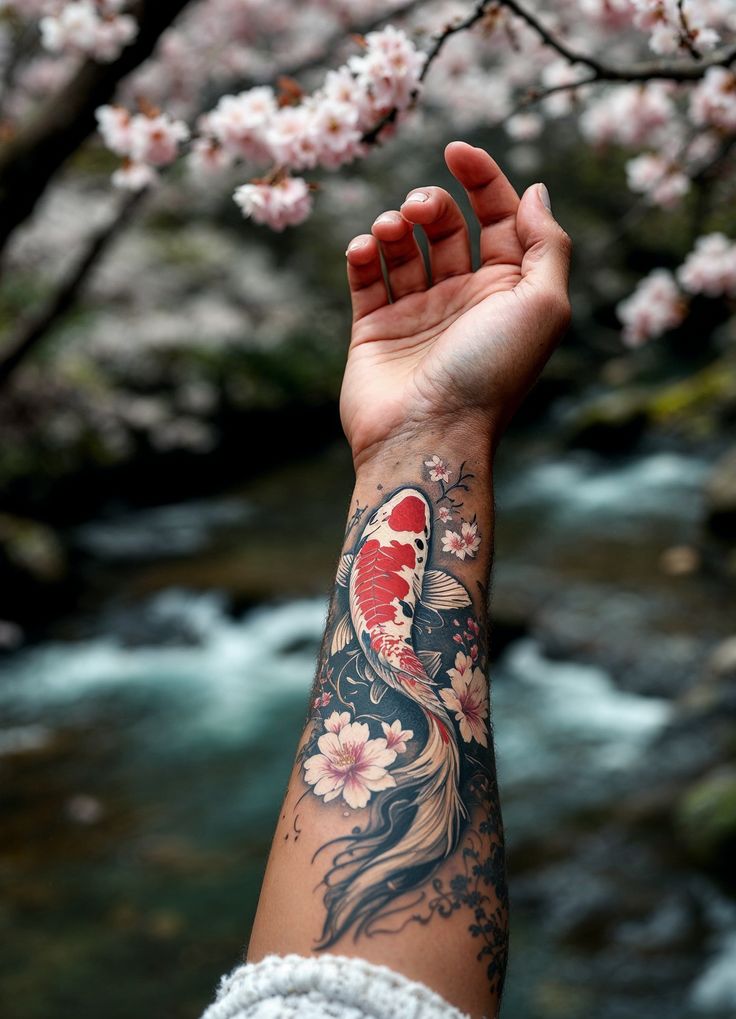
Tattoo Fading Prevention Guide Australia 2026: Keep Your Ink Vibrant
Tattoo fading prevention for Australia 2026. UV protection, aftercare, ink quality, and styles that age well in the Australian climate.
Read More
First 24 Hours After a Tattoo: Hour-by-Hour Care Guide
Hour-by-hour aftercare for the first day with a new tattoo: bandage, wash, balm, sleeping tips, and the warning signs to watch for.
Read More Tattoo Second Skin Guide Australia 2026: Saniderm and Tegaderm
Tattoo second skin guide: Saniderm, Tegaderm, Recovery Derm Shield. Wear time, removal, brands sold in Australia, plus when to skip the film entirely.
Read More