Tattoo While Breastfeeding: Is It Safe? Australia 2026 Medical Guide
She has wanted the design for two years. A delicate botanical piece running along her outer forearm, something she sketched out during a late-night feed and refined again and again in the notes app on her phone. Her daughter is now three months old, the fog of the newborn stage is finally lifting, and the question that keeps surfacing is a simple one: can she book the appointment now? She has heard vague warnings from friends, read half a post in a parenting forum, and come away more confused than when she started. Can tattoo ink pass into breast milk? Is an infection actually likely? Is her body even ready for the trauma of a needle?
These are fair questions, and they deserve a straight answer grounded in what the evidence actually says rather than internet folklore. The short version is that tattooing while breastfeeding is generally considered low-risk by medical consensus when carried out at a properly licensed and sterile studio, but that several specific precautions matter a great deal. This guide works through every concern in detail: the science of ink and breast milk, the very real infection picture, placement rules, timing recommendations, and what to tell your artist before you book. By the end you will have everything you need to make a genuinely informed decision.
Key Takeaways
- General medical consensus is that tattooing while breastfeeding is low-risk when performed at a licensed, sterile studio
- Tattoo ink particles are too large to pass into breast milk in any meaningful or harmful quantity
- Infection is the primary real risk and it is amplified during the postpartum period when immune function is still recovering
- The breast and areola area must be avoided entirely while you are nursing
- Waiting at least 9 to 12 months postpartum allows for fuller immune recovery and is the safer window
- Always inform your artist you are breastfeeding and discuss placement, numbing cream risks, and aftercare product ingredients
- If any signs of infection appear, see a GP immediately and temporarily pause breastfeeding only on specific medical advice
What the Medical Evidence Says About Ink and Breast Milk
The first question most nursing mothers ask is the most understandable one: can tattoo ink actually get into my breast milk? The answer requires a brief look at how tattoo ink works at a molecular level, and how breast milk is produced and transported through the body.
When a tattoo needle deposits ink into the dermis, the pigment particles are engulfed by macrophages, the immune cells that attempt to clear foreign material. The particles that escape are extremely large at the molecular scale, typically ranging from 100 nanometres to several micrometres in diameter. Milk is produced in the alveolar cells of the breast and secreted into small ducts that eventually lead to the nipple. The pores through which substances pass into breast milk are designed to allow small, fat-soluble or water-soluble molecules like hormones, some medications, and alcohol. Ink particles, by contrast, are far too large to cross this barrier in any meaningful way.
It is important to distinguish between two different pathways: topical absorption (something applied directly to the skin surface) and systemic circulation (something entering the bloodstream). Tattoo ink deposited in the dermis does enter the local lymphatic system to a minor degree, which is why lymph nodes near a large tattoo can sometimes appear slightly discoloured on imaging. However, the quantities reaching systemic circulation are considered negligible, and from systemic circulation into breast milk the molecular-size barrier applies once more.
The Australian Breastfeeding Association, the peak body on lactation in this country, has addressed this concern directly. Their guidance reflects the broader scientific position:
"While there is no definitive research confirming tattooing during breastfeeding is safe or unsafe, the primary concerns are infection risk and the systemic absorption of tattoo ink, both of which are considered very low when a licensed, sterile studio is used."
It is worth noting that the research base here is genuinely thin. No large, controlled clinical trials have examined tattooing during breastfeeding specifically. What exists is a collection of case reports, toxicological reasoning based on known ink chemistry, and extrapolation from studies on heavy metal exposure in lactation. Informed decision-making in this space means accepting that certainty is not available, and that reasonable precaution is the appropriate response to that uncertainty.
One area where the evidence is more developed is heavy metals in tattoo ink. Some ink formulations, particularly certain coloured inks, have historically contained trace amounts of metals including lead, cadmium, and nickel. Australian regulators under the Industrial Chemicals Act and the Therapeutic Goods Administration have progressively tightened permissible limits, and reputable Australian studios use inks that comply with current standards. If you have specific concerns about ink composition, ask your artist which brand they use and whether it has been tested to current Australian or European EN 17169 standards.
| Concern | Risk Level | Evidence Quality | Recommended Precaution |
|---|---|---|---|
| Ink passing into breast milk | Very low | Moderate (toxicological reasoning, limited direct research) | No specific action required; choose a reputable studio using compliant inks |
| Infection at tattoo site | Low to moderate (elevated postpartum) | Good (well-documented infection risk for any skin-penetrating procedure) | Choose a fully sterile, licensed studio; follow aftercare meticulously |
| Immune response / systemic stress | Low to moderate | Moderate (general immunological evidence on postpartum state) | Wait until at least 9 to 12 months postpartum for optimal immune recovery |
| Heavy metals in ink | Very low with compliant inks | Moderate (regulatory testing data, limited lactation-specific research) | Confirm ink brand complies with Australian or EN 17169 standards |
The Real Risk: Infection During an Immunologically Vulnerable Period
If the ink-in-breast-milk concern is largely theoretical, the infection concern is entirely real and deserves serious attention. Every tattoo is an intentional wound. A needle punctures the skin thousands of times to deposit pigment in the dermis, and that wound must be kept clean and must heal properly. Under normal circumstances in a healthy adult with a fully functioning immune system, the infection rate from tattooing at a properly licensed studio is low. The postpartum period, however, is not a normal circumstance.
During pregnancy the immune system undergoes a significant recalibration. In broad terms, certain immune responses are suppressed to prevent the mother's body from rejecting the foetus, which is immunologically foreign tissue. After birth, this suppression does not reverse overnight. Research in reproductive immunology shows that immune function, including the innate response that defends against bacteria entering through broken skin, can take anywhere from six months to over a year to fully normalise. The exact timeline varies considerably between individuals and is influenced by sleep, nutrition, stress, and whether the birth involved complications.
For a breastfeeding mother, there are additional factors. Sleep deprivation, which is near-universal in the early months, independently suppresses immune function. Nutritional demands are higher during lactation than in late pregnancy, meaning that a mother who is not eating adequately may have a further-impaired response to infection. Cortisol levels, elevated under chronic stress, also dampen immune defences.
What does an infection at a tattoo site mean in practice? In a mild case it means redness, swelling, warmth, and localised pain that requires a course of oral antibiotics. In a more serious case it can mean cellulitis, a spreading skin infection that requires hospitalisation and intravenous antibiotics. Any systemic infection, one that enters the bloodstream, carries the potential to affect milk supply by disrupting the hormonal balance that supports lactation. It can also mean a period where breastfeeding needs to be interrupted depending on which antibiotics are prescribed, as some are not compatible with breastfeeding. This is not a reason to avoid tattooing entirely, but it is a reason to take the timing and studio choice decisions seriously.
Our first 24 hours after a tattoo guide walks through the normal versus the alarming, with photographs of what early infection looks like. The warning signs table below gives you the practical reference points.
| Symptom | Normal Healing | Seek Medical Help If... |
|---|---|---|
| Redness around the tattoo | Expected in the first 2 to 3 days, fades steadily | Redness is spreading beyond the tattoo border after day 3 |
| Swelling | Mild localised swelling in the first 48 hours | Swelling is increasing after 48 hours or feels hard and warm |
| Discharge | Small amounts of clear or slightly yellow plasma (not pus) | Thick, opaque, yellow or green discharge with odour |
| Pain | Tenderness at the site for 3 to 5 days | Pain is worsening after day 3 or is accompanied by fever |
| Fever or chills | Not expected at all | Any fever above 38 degrees Celsius following tattooing |
If you are breastfeeding and develop signs of infection, contact your GP on the same day rather than waiting. Early treatment with a breastfeeding-compatible antibiotic is nearly always possible and greatly reduces the risk of escalation. Do not discontinue breastfeeding without specific advice from your GP or lactation consultant, as most first-line antibiotics for skin infections are safe during lactation.
Placement Rules: Where Not to Get Tattooed While Nursing
Placement is one of the most practically important decisions a breastfeeding mother can make when considering a tattoo. Some locations carry minimal additional risk during lactation; others should be categorically avoided until after you have finished breastfeeding entirely.
Breast and areola: an absolute no. This should be stated plainly. The breast tissue, and particularly the areola and surrounding area, is in direct, repeated contact with your baby's mouth throughout the day and night. Tattooing in this area while breastfeeding creates multiple overlapping risks: the proximity of the wound to an actively nursing infant, the risk of bacteria from the infant's mouth entering the tattoo site, and the risk of ink or healing product residue being ingested by the baby. Any tattoo in the breast or areola area should be deferred until after breastfeeding has concluded completely.
Chest placements: proceed with caution. A sternum tattoo, a clavicle piece, or anything on the upper chest may not be directly on the breast, but the proximity to milk ducts and the positioning required during feeding can create complications. A fresh wound on the upper chest may be irritated by a nursing bra, by the pressure of a baby's head, or by the warmth and moisture of being covered. If any infection were to develop, its proximity to the chest wall and underlying ductal tissue is a reasonable additional concern. Most practitioners advise deferring chest placements until after weaning.
Arms, legs, back, and outer ribcage: generally safe choices. Placements well away from the breast and chest area carry none of the proximity risks described above. An outer forearm, upper arm, calf, thigh, upper back, or outer ribcage tattoo can be managed with standard aftercare without any meaningful interaction with breastfeeding. These are the placements most commonly recommended for nursing mothers who decide to proceed.
"Any placement that risks infection spreading toward the chest wall or milk ducts carries additional risk. Chest and breast placements should be deferred until after you finish breastfeeding entirely."
| Placement | Safety While Nursing | Notes |
|---|---|---|
| Breast / areola | Not recommended | Direct contact with nursing infant, risk of contamination in both directions; defer until fully weaned |
| Upper chest / sternum / clavicle | Caution advised | Proximity to milk ducts; bra and feeding position may irritate wound; ideally defer until weaned |
| Outer forearm / upper arm | Generally safe | Easy to keep clean; positioned away from feeding area; good aftercare access |
| Upper back / shoulder blade | Generally safe | Some inconvenience sleeping; otherwise low risk; good distance from breast tissue |
| Outer ribcage (below breast) | Generally safe with care | Avoid if ribcage placement extends toward the breast; confirm placement with artist at consult |
| Calf / thigh / ankle | Generally safe | Furthest from breast tissue; easiest to protect during feeds; lowest proximity risk |
When discussing placement with your artist, be explicit about the fact that you are breastfeeding. A good artist will factor this into the design conversation and flag anything they are uncertain about. If you are considering a piece on the ribcage that extends upward, for example, an experienced artist can help you adjust the positioning so it sits clear of any concern area.
When to Wait: Postpartum Timing Recommendations
Even if your chosen placement is a lower leg or outer arm piece, there is still the question of when in the postpartum period it is appropriate to proceed. The timing question comes down to two things: how recovered your immune system is, and how settled your breastfeeding relationship is.
The first three months (0 to 3 months postpartum) are a period of significant physiological adjustment. Your body is recovering from the physical effort of birth, your immune system is still recalibrating, your sleep is almost certainly severely disrupted, and your breastfeeding relationship is still being established. Introducing the additional physiological stress of tattooing in this window is not recommended by most practitioners. Breastfeeding itself requires a substantial caloric and fluid investment, and competing demands on your body's resources during a healing process add unnecessary burden.
Three to six months postpartum is a window where some mothers feel ready and where the risks, while still present, are more manageable. If you are feeding well, sleeping in longer stretches, and your birth recovery is complete, a tattoo at a licensed studio at a safe placement is a reasonable decision with appropriate precautions. The key qualifier here is that your immune function is still not fully normalised, so meticulous aftercare and studio selection matter more than they would under normal circumstances.
Six to twelve months postpartum is when immune function in most people has largely recovered. This is generally considered a good window for tattooing if you are still breastfeeding and want to proceed. By this stage feeding patterns are usually more predictable, sleep is often improving, and the body's healing capacity is closer to its pre-pregnancy baseline.
After weaning remains the optimal timing for any tattooing, because it removes the breastfeeding variable entirely and allows you to approach the decision under the same conditions as any other adult. There is no medical reason to rush the appointment, and a design that has been refined over several more months of thinking time is rarely worse for the wait.
| Postpartum Stage | Recommendation | Reason |
|---|---|---|
| 0 to 3 months | Not recommended | Immune function still significantly suppressed; breastfeeding relationship being established; body in active recovery |
| 3 to 6 months | Proceed with caution | Acceptable if feeding is established and recovery is complete; immune function improving but not normalised; strict precautions essential |
| 6 to 12 months | Generally acceptable | Immune recovery largely complete for most people; good window if no complicating factors; safe placement and licensed studio required |
| After weaning | Optimal timing | Breastfeeding variable removed entirely; immune function fully normalised; no placement restrictions related to lactation |
Every mother's postpartum recovery is individual. A complicated birth, a caesarean section, postpartum anaemia, mastitis history, or ongoing health challenges may shift these windows. Your GP or midwife can give you the most accurate picture of where your immune recovery sits and whether there are any specific reasons to wait longer than the general guidance above.
You can also use our tattoo cost calculator during the planning period to think through the design and sizing decisions while you wait for the right timing window. Many mothers find the planning process itself a good creative outlet in the postpartum period.
What to Tell Your Tattoo Artist Before Booking
Transparency with your tattoo artist is essential. This is not about seeking their medical opinion on breastfeeding, it is about giving them the information they need to work safely with you and to flag anything in their studio's practice that you should be aware of.
Disclose that you are breastfeeding. A reputable artist will not pressure you either way, but they should know. Some studios have a policy of recommending clients wait until after weaning; others are comfortable proceeding with informed clients. Knowing your status allows them to guide placement, discuss aftercare products, and flag any materials they routinely use that might be relevant.
Discuss placement preferences in detail. Come to the consult having already thought through the placement options covered in the previous section. A good artist will want to understand your lifestyle and physical circumstances anyway; flagging that you are nursing means the placement conversation will take the relevant proximity considerations into account from the start.
Choose a properly licensed studio. This matters for any client, but it matters more during the postpartum period because your immune response to infection is less robust. A licensed studio in Australia is required to meet state and territory-specific hygiene and sterilisation standards. Our guide to verifying tattoo licensing in Australia walks through exactly how to confirm a studio is legitimate before you book, and our overview of tattoo sterilisation standards explains what equipment and procedures you should expect to see. If you are in Perth, you can browse licensed studios at tattoo shops in Perth.
Avoid topical numbing creams unless specifically cleared by your GP. Lidocaine-based numbing creams are increasingly popular for long tattoo sessions, but lidocaine does enter systemic circulation when applied to a large skin area and can pass into breast milk in small quantities. The risk is generally considered low, but it is not zero. If you are considering a numbing cream, raise it explicitly with your GP or lactation consultant before the appointment. Do not simply assume that because a product is available over the counter it is safe during breastfeeding.
Check aftercare product ingredients. Many standard tattoo aftercare products contain ingredients that are not well-studied in breastfeeding populations. Fragrances, preservatives, and some essential oils can be absorbed through healing skin. If you will be applying an aftercare product near any area that comes into contact with your baby, check the ingredient list carefully or ask your pharmacist for guidance on breastfeeding-safe options. Our tattoo moisturiser and aftercare guide covers the most widely used products and their ingredient profiles.
Aftercare While Breastfeeding: What Changes
The fundamentals of tattoo aftercare do not change because you are breastfeeding. Keep the area clean, keep it moisturised with an appropriate product, avoid prolonged sun exposure, avoid submerging the tattoo in water until it is fully healed, and do not pick at any peeling or scabbing. What does change is the practical context in which you are carrying out that aftercare, and a few specific adjustments are worth making.
Wash your hands before touching the tattoo area. This is standard aftercare advice for anyone, but it is especially relevant when you are regularly handling an infant and then touching your own skin. Babies carry bacteria on their hands, faces, and mouths that are entirely harmless to them but can cause issues in a fresh wound. Get into the habit of washing your hands immediately before cleaning or moisturising your tattoo, every single time.
Keep the tattoo area covered during feeding where practical. If your tattoo is on a forearm and your baby rests against that arm during feeds, a clean, breathable covering during the feed prevents direct contact between the healing skin and the baby. This is a simple precaution that reduces both the risk of contamination from the baby and the risk of any aftercare product residue transferring to the baby's skin.
Avoid petroleum-based products near any nursing area. Vaseline and similar petroleum jelly products are sometimes used as tattoo aftercare, but they are occlusive and do not allow the skin to breathe well. More importantly, if you are applying any product near your chest or upper body during the healing period, petroleum-based products are particularly undesirable given their coating properties if ingested. Stick to purpose-made tattoo aftercare balms or fragrance-free moisturisers that your pharmacist has confirmed are appropriate for use during breastfeeding.
Prioritise hydration actively. Breastfeeding already increases your daily fluid requirements by approximately 700 millilitres above your usual intake. Tattoo healing also increases your body's demand for hydration, as new skin formation requires adequate fluid availability at the cellular level. During the first two weeks of healing especially, make a deliberate effort to drink more water than you might otherwise. Dehydration during either process slows healing and can reduce milk supply, so adequate hydration is genuinely doubly important here.
Watch the healing timeline carefully. Postpartum immune function, as discussed earlier, can mean that healing is slightly slower than you might have experienced with previous tattoos. Do not assume that a slightly extended healing period is automatically a sign of infection, but do keep a closer eye than usual. The warning signs table in the infection section above gives you the reference points. If you are uncertain whether what you are seeing is normal healing or the beginning of an infection, err on the side of calling your GP. Early intervention in a genuine infection is far preferable to a delayed response.
Consider the appointment timing relative to feeding. A fresh tattoo during the first several hours may be moderately painful, and pain causes cortisol release. Elevated cortisol can temporarily affect let-down reflex and milk production. Feed your baby immediately before your appointment so you have the longest possible gap between the session and the next feed. If you are pumping, having a stored supply available means you can rest immediately after the session if needed without any pressure to feed on a specific schedule.
Common Questions From Nursing Mothers
The questions below represent the most frequently asked concerns from breastfeeding mothers considering a tattoo. Each answer reflects current evidence and the guidance of Australian health authorities where available.
Can I breastfeed immediately after getting a tattoo?
There is no medical basis for imposing a mandatory waiting period before breastfeeding after getting a tattoo. The premise behind a waiting period would be that ink or some contaminant is entering your breast milk in a clinically significant quantity, and as discussed in the evidence section above, that is not what the science indicates. You can breastfeed normally after your appointment. The practical consideration is your own comfort: you have just had a wound inflicted and you may want a rest before taking on the physical demands of a feed. If you are in good shape, fed and hydrated, and your baby needs to feed, there is no medical reason to delay.
What if I got a tattoo before I knew I was pregnant and I am now breastfeeding?
A fully healed tattoo obtained before or early in pregnancy carries no ongoing risk to a breastfeeding infant. Once a tattoo has healed completely, the ink is encapsulated by fibrous tissue and macrophages; it is not in active contact with your circulatory or lymphatic system in any dynamic way. The concern with tattooing during breastfeeding is specifically about the fresh wound phase and what happens in the body during active healing. A tattoo that healed months or years ago is a non-issue.
Should I pump and dump after getting a tattoo?
No. "Pump and dump" is a practice sometimes recommended after the consumption of alcohol, where the goal is to discard milk produced while blood alcohol levels are elevated and wait until they fall before feeding again. There is no equivalent physiological basis for pumping and dumping after a tattoo. Ink particles do not accumulate in breast milk and then clear over time the way alcohol does. If anything, pumping and dumping unnecessarily disrupts your supply. Unless a specific medication or numbing cream was used during the session and your GP has advised a brief interruption, continue breastfeeding normally.
Are numbing creams safe to use while breastfeeding?
This requires a specific conversation with your GP or lactation consultant before your appointment, not a general assumption of safety. The active ingredients in most topical numbing creams used in tattoo studios are lidocaine (also called lignocaine in Australia), prilocaine, or a combination of both. These compounds are absorbed through the skin and do enter systemic circulation, particularly when applied over a large area and covered with plastic wrap to enhance absorption, as is common for tattoo numbing. Small amounts can pass into breast milk. The quantities are generally considered too low to cause concern in a full-term, healthy infant, but this has not been studied extensively in the specific tattooing context. If you are nursing a premature infant or a baby with any health conditions, the bar for caution should be higher. Get explicit clearance from your medical team before using any numbing product during this period.
When is the safest time to get a tattoo as a new mum?
The genuinely safest answer is after you have finished breastfeeding entirely. At that point there are no lactation-related considerations, your immune system is fully recovered from pregnancy and birth, and you are making the decision under the same physiological conditions as any other adult. If you want to proceed while still breastfeeding, the window of six to twelve months postpartum at a safe placement (arm, leg, back) at a properly licensed and sterile studio, following meticulous aftercare, represents the most evidence-consistent approach. The three-to-six month window is also manageable but warrants additional caution. The first three months should generally be avoided. Whatever you decide, it is worth discussing with your GP at a routine postnatal visit so they can give you a view on your specific recovery and circumstances. If you are in Adelaide, you can explore studios at tattoo shops in Adelaide.
"Bottom Line: The risks of tattooing while breastfeeding are real but manageable. A licensed studio, a safe placement and impeccable aftercare put the odds firmly in your favour. When in doubt, your lactation consultant and GP are your first call."
Explore More
Find Tattoo Shops
Browse by Style
Stay Updated with the Latest Insights!
Get the latest news and updates delivered to your inbox.
Related Articles
Finger Tattoos Australia 2026: Complete Guide to Designs, Fading and Cost
Finger tattoo guide for Australia in 2026. Designs, pain, fading truths, healing tips, ring tattoos and price bands. What to book and what to skip.
Read More
Tattoo Insurance Australia 2026: Coverage, Costs and What Clients Should Ask
Public liability, product liability and blood-borne cover for Australian tattoo studios in 2026. Costs, exclusions and what clients should ask before booking.
Read More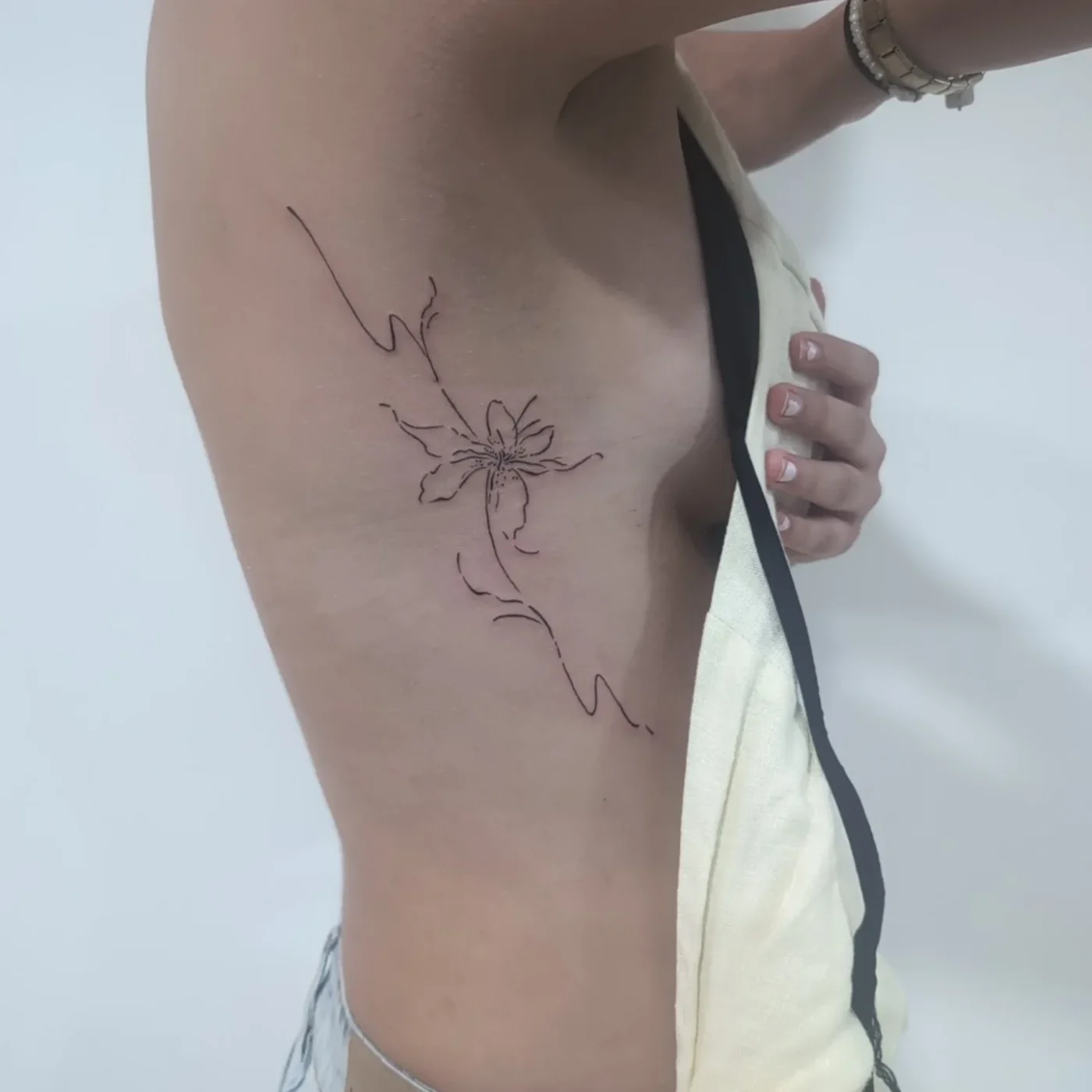
Gen Z Tattoo Trends Australia 2026: Micro Ink, Fine Line and TikTok Influence
Gen Z tattoo trends in Australia for 2026: micro ink, fine line, matching sets, angel numbers and hidden placements. Prices, aesthetics and the TikTok effect.
Read More