
Tattoos and Chronic Illness Australia 2026: Safety Guide
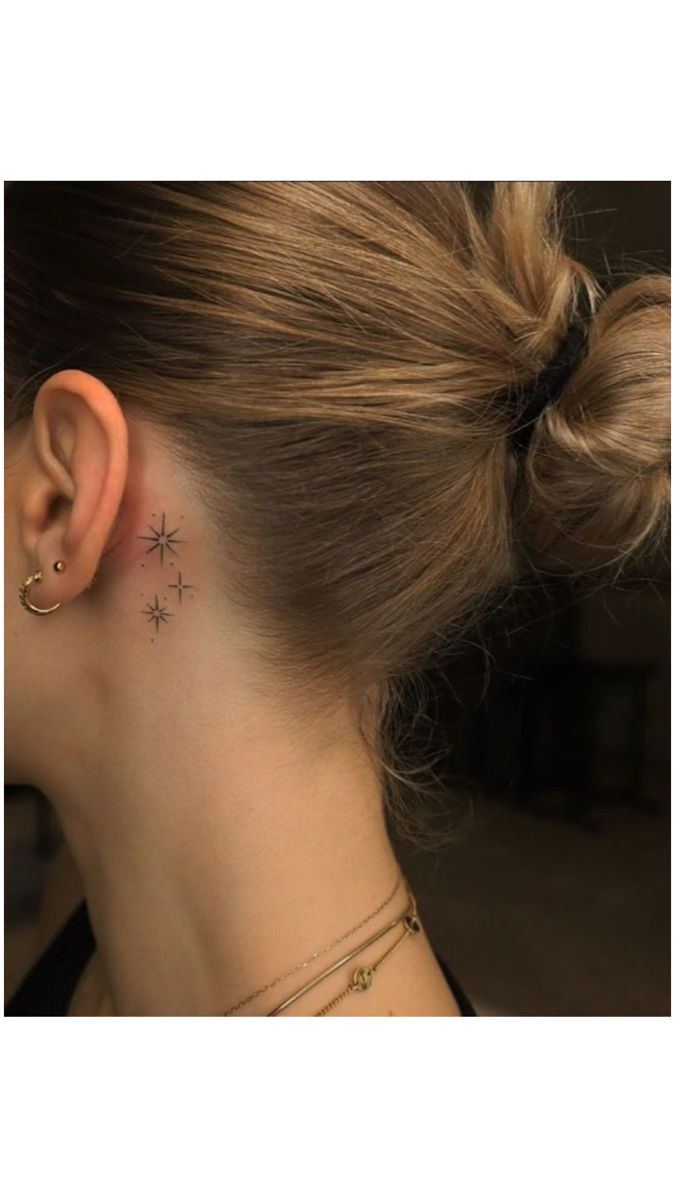
Picture this. You have wanted a big piece for years, finally booked the consultation, and then your GP mentions your last blood test showed a flag. Or the psoriasis flared up. Or the new medication is a blood thinner. And suddenly the tattoo you were counting down to feels impossible. "Can I even get a tattoo with this condition?"
In Australia in 2026, the honest answer is usually yes, with the right prep. A chronic illness does not automatically disqualify you. What it does is add a layer of planning: a conversation with your specialist, a clear brief for your tattoo artist, and a session timed around your treatment. This guide walks through the most common conditions Australian clients ask about, when tattoos are safe, and when they should be delayed.
This article is general information, not medical advice. Every chronic condition is individual. Always speak with your treating clinician before booking a tattoo. The guidance below reflects standard Australian practice in 2026 and is not a substitute for personalised care.
Key Takeaways
- Golden rule: Speak to your GP or specialist before you book, not after
- Diabetes: Safe with stable HbA1c and healthy site skin; avoid feet and lower legs
- Autoimmune conditions: Safe during remission; delayed during active flares
- Blood thinners: Never stop your medication alone; artist may still tattoo with slower pace
- Skin conditions: Psoriasis, eczema, and keloid history all need site-specific planning
- Never tattoo: Active infection, sunburnt skin, immediately after chemo, or during pregnancy
- Best window: When symptoms are quiet for 3+ months and inflammatory markers are stable
- Disclose everything: Full medical history to the artist. It changes their setup, not their willingness
Why Medical Clearance Matters Before You Book
A tattoo is a controlled wound. The needle enters the dermis several thousand times a minute, and the body treats the ink as a foreign object it needs to isolate. That process is straightforward for a healthy person. For someone with a chronic condition, it can interact with medication, immune response, or wound healing in ways your artist cannot see coming.
The most common reason a tattoo goes wrong for a client with a medical condition is not the condition itself. It is a lack of communication between the client, the specialist, and the artist. A three-way conversation of ten minutes each solves 90% of the problems.
In a nutshell: the tattoo can almost always happen; the timing has to be right. Chronic conditions are managed, not paused, but a smart booking works with your treatment plan, not against it.
Diabetes And Tattooing
Type 1 and Type 2 diabetes are the most common conditions Australian tattoo artists work around. Well-managed diabetes rarely stops a booking; unmanaged diabetes usually delays it.
What matters most
- HbA1c stable under 8%. A recent test within 3 months, ideally under 7.5% for smoother healing
- Skin health at the site. Avoid feet, lower legs, and shins if circulation is compromised
- Blood sugar on the day. Eat well before the session; bring glucose tablets and water
- Session length. Break long sittings into shorter ones. 3 hours max on a single day for most Type 1 clients
When to delay
- HbA1c above 9% or wildly variable over recent months
- Recent hospitalisation for diabetic ketoacidosis
- Neuropathy affecting the intended site
- Any active foot ulcer or diabetic wound anywhere on the body
For the full breakdown, see our diabetes and tattoos guide. It covers CGM placement, insulin pump considerations, and site prep in depth.
Autoimmune Conditions
Autoimmune disease covers dozens of specific conditions, but the tattoo-relevant question is the same across all of them. Is the disease quiet right now?
| Condition | Green Light Signal | Delay If |
|---|---|---|
| Psoriasis | 3+ months clear; site free of plaques | Active flare, recent phototherapy |
| Rheumatoid arthritis | Low inflammatory markers; stable meds | Recent flare, high-dose steroids |
| Lupus (SLE) | Long remission; specialist sign-off | Skin flares (discoid lupus) |
| Crohn's / UC | Symptoms controlled 3+ months | Active flare, immunosuppressant loading |
| Multiple sclerosis | Stable, no recent relapse | Recent relapse or new medication |
| Hashimoto's thyroiditis | TSH in range on medication | Newly diagnosed, uncontrolled |
Immunosuppressant medication is the biggest complication. Drugs like methotrexate, adalimumab, and infliximab dampen the immune response that helps heal a tattoo. In many cases the tattoo still works; it just heals more slowly and needs stricter aftercare. Ask your rheumatologist or gastroenterologist to write a short note on timing that you can share with the artist. Read our autoimmune tattoo safety guide for the deeper detail.
Blood Thinners And Circulatory Medications
Never stop a blood thinner without your doctor's approval. Full stop. The clot risk from an unsupervised pause is far greater than the bleed risk during a tattoo. Instead, talk to your GP about whether a short adjustment (or none at all) is appropriate.
Common blood thinners and general practice
- Aspirin, low-dose: Most artists proceed; expect more bleeding, slower pace
- Warfarin: Requires INR check; tattoo usually delayed until INR is in the lower therapeutic range
- DOACs (apixaban, rivaroxaban): Case-by-case; specialist sign-off needed
- Clopidogrel: Same as DOACs; consultation between GP and artist
Read our blood thinners and tattoos guide for a full medication-by-medication breakdown. The short version: assume you need a conversation, not a pause.
Heads up: ibuprofen and aspirin taken in the 48 hours before a tattoo also thin the blood. Skip them unless prescribed; use paracetamol for pain instead.
Skin Conditions At The Tattoo Site
Some of the trickiest bookings in Australia involve skin conditions that live where you want the tattoo. Placement is negotiable; the skin is not.
- Psoriasis and eczema. Avoid tattooing directly on active plaques or flare zones. Choose a site that is clear and has been for months. Koebner reaction (plaques forming along the tattoo line) is a real risk
- Keloid history. If you have ever formed a keloid scar from a piercing or wound, tattoo scarring becomes higher risk. Do a test dot with your artist and monitor for 3 months before committing
- Vitiligo. Tattoos can trigger new patches; discuss with your dermatologist. Some clients choose to tattoo intentionally over vitiligo patches with medical camouflage tattoos
- Melanoma or suspicious moles. Never tattoo over an existing mole. It hides changes and makes future monitoring impossible
- Recent scars. Wait at least 12 months for scars to mature before tattooing over them
Other Conditions Australian Clients Ask About
- Epilepsy. Usually safe if seizures are controlled. Discuss stress and sleep triggers with your neurologist
- Chronic fatigue / ME. Choose shorter sessions and split larger pieces across more sittings
- Endometriosis. No direct interaction. Time the session away from peak pain days
- Heart conditions. Some cardiologists advise against tattoos in the two weeks before certain procedures. Bring a note
- Pregnancy and breastfeeding. Australian consensus is to wait. See our pregnancy guide and breastfeeding guide
- HIV, hepatitis B, hepatitis C. Reputable studios in Australia will tattoo clients living with these conditions with full universal-precaution protocols. Disclose so the artist can prep correctly. It changes their setup, not your welcome
- MRI scans. Modern tattoo ink is safe with MRI. See our tattoo and MRI guide if you have a scheduled scan
The Three Conversations You Need Before Booking
1. With your specialist
- Is my condition stable enough to tolerate the wound?
- Do any of my medications need adjustment?
- Are there placements I should avoid?
- Can you write me a short clearance note for the studio?
2. With your tattoo artist
- Full medical history, including diagnoses, medication, allergies
- What symptoms would make me want to reschedule
- Any items you need me to bring (glucose, snacks, ID, medical alert card)
- Session length, break policy, and how they handle a client who needs to stop
3. With yourself
- Is this the right week emotionally and physically? Stress affects healing
- Have I slept well and eaten enough in the last 24 hours?
- Do I have a plan for aftercare if I have limited mobility or fatigue?
- Would delaying by 3 months lower the risk without changing my excitement?
The clients who navigate chronic conditions and tattoos best are the ones who plan for six weeks, not one. Time is your ally.
Timing And Aftercare With A Chronic Condition
Healing takes longer when your body is managing something else. Australian tattoo artists routinely see extended healing curves in clients with autoimmune disease, diabetes, and long-COVID. Plan for the extra recovery time.
- Book time off. Two to five days of light duties after a big session, longer if you fatigue easily
- Follow aftercare strictly. Fragrance-free moisturiser, no soaking, no gym, no direct sun. See our first 24 hours guide
- Watch for infection. Any spreading redness, pus, fever, or lymph node swelling means see your GP the same day
- Split large pieces. Two 3-hour sessions heal better than one 6-hour session for most immunocompromised clients
- Feed and hydrate. Blood sugar, iron, and hydration all play a role in ink retention
Frequently Asked Questions
Do I have to disclose my condition to the tattoo artist?
Yes. Every Australian studio takes a health declaration, and lying on it invalidates any consumer protection if something goes wrong. Reputable artists tattoo clients with all sorts of conditions safely; they just need the information to prep correctly.
Will the studio refuse me if I disclose?
Very rarely, and only when the condition genuinely makes the session unsafe on that day. Most refusals are temporary. A good studio will reschedule you rather than turn you away permanently.
Can I get a tattoo while on antibiotics?
Wait until you finish the course. Antibiotics are usually prescribed for an active infection, and that infection is what disqualifies the session. Once the course is complete and symptoms have resolved for 1 to 2 weeks, most artists will proceed.
Are certain inks safer for sensitive clients?
Vegan and low-metal inks are more common in Australia in 2026 and are worth asking about if you have known ink allergies or heavy-metal sensitivity. Ask the studio to name their brand and share the safety data sheet.
What if I have a mental health condition?
Book on a stable week. Anxiety and depression do not disqualify you, but a session is a physically demanding several hours and unstable mental health can turn what should be a milestone into a hard day. Discuss with your treating clinician and choose the timing.
Bottom Line
A chronic condition rarely closes the door on a tattoo in Australia in 2026. What it does is demand a plan: a specialist conversation, honest disclosure to the artist, and a session booked in a stable window. Do those three things and you can wear the same art as everyone else, safely and with your health team on the same page.
Ready to plan a booking around your condition? Search for studios with medical-declaration protocols in Sydney, Melbourne, Brisbane, Perth, or Adelaide, and read our consultation guide before the meeting.
Explore More
Find Tattoo Shops
Browse by Style
Stay Updated with the Latest Insights!
Get the latest news and updates delivered to your inbox.
Related Articles
Autoimmune Disease and Tattoos Australia 2026: Safety Guide
Tattoos with autoimmune disease: lupus, RA, psoriasis, IBD. Specialist clearance, medication timing, infection signs, healing, aftercare in Australia.
Read More
Tattoo Sterilisation Standards Australia 2026: What to Expect
Tattoo sterilisation Australia 2026: autoclave, spore tests, single-use needles, barrier wrap, hand hygiene, and red flags that should send you elsewhere.
Read More
MRI and Tattoos: Are Tattoos Safe for MRI Scans? 2026 Australian Guide
MRI and tattoos: safe in 99% of cases. Modern inks rarely contain magnetic metals. Disclosure, risk factors, image distortion and what to expect.
Read More