MRI and Tattoos: Are Tattoos Safe for MRI Scans? 2026 Australian Guide
Your doctor has booked you in for an MRI. Maybe it is a sore knee, a recurring headache, or a shoulder that has been clicking for months. Then, somewhere between the booking call and the radiology waiting room, the question lands. Are tattoos safe in an MRI scanner, and is that big sleeve about to start cooking under the magnet?
The short, evidence-based answer in 2026 is yes, MRIs are generally safe for people with tattoos. The horror stories of skin burning under the magnetic field belong to a handful of legacy cases involving very old inks. Modern Australian tattoo inks rarely contain magnetic metals, the rate of skin reactions is well under 1% in published series, and over 200 million MRIs are performed each year on tattooed patients worldwide without incident. This guide walks you through how MRIs and ink actually interact, what the real risks look like, and how to prepare so the scan is uneventful.
Key Takeaways
- Safe in the vast majority of cases: Risk of any reaction is well under 1%
- Modern inks: Post-2000 Australian inks rarely contain magnetic iron oxide pigments
- Higher-risk inks: Old amateur ink, prison-style ink, and some very dark red or black pigments
- Most common reaction: Mild tingling or warmth; severe burns are vanishingly rare
- Image distortion: Possible only if the tattoo sits directly in the scan field (face, head, neck)
- Disclosure rule: Always tell the technician about every tattoo, permanent makeup, and microblading
- Cold compress on hand: Standard Australian protocol if any warmth develops mid-scan
How MRI Machines Interact With Tattoo Ink
An MRI (magnetic resonance imaging) scanner uses a very strong static magnetic field, switching gradient fields, and radio-frequency pulses to image soft tissue. Hospital scanners in Australia typically run at 1.5 or 3 Tesla, which is 30,000 to 60,000 times the strength of the Earth's magnetic field.
The concern with tattoos comes down to two physics quirks of the scanner:
- Ferromagnetic metals (iron, nickel, cobalt) interact with the static magnetic field and can theoretically tug on metal particles in skin
- Radio-frequency energy can be absorbed by conductive material, causing a small amount of localised heating
Both effects only matter if the ink contains enough conductive or magnetic material to react. Modern Australian regulated inks are formulated to avoid those compounds, partly for tattoo allergy reasons and partly because the global cosmetics-grade pigment supply has moved away from heavy metals in the last 20 years.
The short version: safe ink + a quick chat with the radiographer = a normal scan. The risk envelope only opens for very old, very dark, or non-regulated inks.
What the Australian Evidence Actually Says
Australian radiology guidelines, the Royal Australian and New Zealand College of Radiologists (RANZCR) safety statements, and large international cohort studies all land in roughly the same place.
| Outcome | Rough Frequency | Typical Cause |
|---|---|---|
| No reaction at all | 99%+ of scans | Modern compliant ink |
| Mild tingling or warmth | Less than 1% | Pigment slightly absorbing RF energy |
| First-degree skin reaction | Roughly 1 in 5,000 | Older or non-regulated black ink |
| Second-degree burn | Vanishingly rare | Pre-1980 ink with high iron oxide content |
| Distorted image in scan area | Common only if tattoo is in field | Pigment artefact, not a safety issue |
The take-away: the population-level risk is small. The risk for a specific patient depends on the age of the ink, the pigment composition, and how close the tattoo is to the scan field.
Higher-Risk Tattoo Scenarios
Most modern tattoos sit firmly in the safe bucket. The risk goes up when one or more of these factors are present.
Old ink (pre-2000s)
- Iron oxide pigments were common in red and brown shades
- Some black inks contained magnetite or carbon impurities
- If you got tattooed in the 1980s or 1990s, mention it to the technician
Amateur or prison-style ink
- Pigment source is unknown
- Often contains ash, ground graphite, or repurposed printer ink
- Higher rate of mild warming reactions
Very large, very dark blackwork
- Dense pigment increases the conductive surface area
- Reactions are still rare but more reported than fine line work
- Solid blackout sleeves are a sensible thing to flag in advance
Permanent cosmetic tattoos (microblading, lip liner, eyeliner)
- Cosmetic inks sometimes contain iron oxide for stability
- Eyelid pigment is the most reported site of mild warming
- Disclose all permanent makeup, even subtle work
New tattoos (less than 4 to 6 weeks)
- Healing skin is more sensitive in general
- Ideally wait until the tattoo is fully healed before non-urgent MRIs
- Urgent scans go ahead anyway; the technician will monitor
The Real-World Pre-Scan Checklist
Here is the simple Australian MRI prep workflow if you have tattoos.
- Tick the tattoo box on the MRI safety questionnaire. Most radiology centres put this on the intake form; if not, mention it verbally
- List the locations, sizes, and approximate ages of your tattoos. The radiographer needs the picture, not a portfolio
- Disclose permanent makeup, microblading, and cosmetic tattoos. These are easy to forget
- Mention any past reactions: swelling at the tattoo during a previous scan, sun-related tingling, or known allergy
- Wear loose, metal-free clothing. Standard MRI prep, not tattoo specific
- Ask for the panic button briefing. If anything feels warm during the scan, you press the button and the technician pauses
Heads up: never skip the disclosure to "save time." The technician's job is to choose a sequence that minimises risk on your specific anatomy and ink. Hiding tattoos undermines the safety net, not the queue.
What Happens If Your Skin Does Warm During the Scan
Mild warmth during an MRI is uncomfortable but rarely dangerous, and Australian radiology departments are trained for it.
- You press the panic button immediately. No bravery required
- Technician pauses the sequence and slides you out of the bore
- Cold compress on the affected area for a few minutes
- Assessment of the skin: if no blistering and no significant redness, the scan can usually continue with a different sequence
- If significant reaction: the scan is paused, you are reviewed by the radiologist, and an alternative imaging strategy (CT, ultrasound) is discussed
Severe reactions are extraordinarily rare. The vast majority of "warm tattoo" incidents resolve within minutes and the scan completes successfully.
MRI Image Distortion vs Safety
These are different problems. Heating is a safety concern; image distortion is a quality concern.
When image distortion matters
- Brain MRI with facial or scalp tattoos: Pigment near the scan field can cause artefacts
- Eye orbit MRI with permanent eyeliner: Iron-containing eyeliner sometimes blurs the orbit
- Cervical spine MRI with neck tattoos: Dense ink can scatter the signal
When it does not matter
- Knee MRI with arm tattoos: completely unrelated areas
- Abdominal MRI with leg sleeve: outside the scan field
- Cardiac MRI with calf tattoo: no interaction
If the tattoo is in the imaging field, the radiologist may switch to a slightly different sequence, use a contrast agent, or accept some image artefact in exchange for the safety profile.
Special Cases Australian Patients Ask About
UV-reactive ("black light") tattoos
The phosphorescent pigments used in UV-reactive tattoos have been studied less than standard inks. Reaction rates appear similar to standard tattoos, but the long-term data is thinner. Disclose the ink type explicitly.
White ink and pastel highlights
White and light pastel pigments use titanium dioxide rather than iron oxide. They are among the lowest-risk ink categories for MRI heating.
Metallic-look colour washes
"Gold," "silver," and "bronze" effect tattoos use the same regulated pigments as other inks (no actual metal). The visual look comes from layering, not metal content.
Tattoo over a medical device
If you have a pacemaker, defibrillator, cochlear implant, or other implanted device, the device itself drives MRI safety planning, not the tattoo. Disclose the device first, the tattoo second.
Pregnancy
MRI is generally considered safe in pregnancy without contrast. Existing tattoos do not change that calculation. Specific guidance is best from your obstetrician.
Should You Worry About Future Tattoos?
If you anticipate routine MRIs as part of long-term medical care (multiple sclerosis monitoring, recurring orthopaedic imaging, oncology follow-up), there are a few practical choices worth making.
- Choose a regulated Australian studio that uses pigments compliant with the European REACH standards (which Australian importers track closely)
- Ask the artist about pigment sources. Reputable studios know exactly which ink families they buy
- Avoid amateur or non-studio ink. Pigment provenance is the main risk lever
- Discuss placement if the tattoo would sit in a frequently scanned region (head, neck, spine)
- Keep a record of when each tattoo was done, where, and rough pigment notes. Useful for radiology forms over the years
For background on what is actually in your ink, see our tattoo ink ingredients guide. For the studio-hygiene rules that surround it all, see our tattoo shop hygiene standards guide.
What MRI Does Not Do
Worth busting a few myths circulating online.
- MRIs do not "rip the ink out of your skin." No documented case anywhere in the literature
- MRIs do not fade tattoos. The pigment is stable through the field and the gradients
- MRIs do not make tattoos glow. Funny meme, not how physics works
- MRIs do not magnetise the skin permanently. The magnetisation effect ends the moment you leave the bore
- MRIs are not the same as CT, X-ray, or ultrasound. Tattoo concerns specific to MRI do not transfer to other imaging types
Other Imaging Modalities and Your Tattoos
MRI gets all the attention because it is the only common imaging type that interacts meaningfully with tattoos. The others are worth a quick sanity check so you know what to expect from your full diagnostic toolkit.
| Imaging Type | Tattoo Interaction | Action Required |
|---|---|---|
| X-ray | None; ink is transparent to X-ray photons | No special prep |
| CT (computed tomography) | None; ink shows as soft-tissue density only | No special prep |
| Ultrasound | None; sound waves pass through pigment | No special prep |
| Mammography | None; chest tattoos are imaged the same as any tissue | Mention if your tattoo includes nipple or areola coverage |
| PET scan | None directly; combined with CT/MRI for fusion images | Follow MRI rules if a PET-MRI is ordered |
| DEXA bone density | None | No special prep |
If the diagnostic question can be answered with X-ray, CT, or ultrasound, you can skip the tattoo conversation entirely. The clinician will choose the right tool for the symptoms.
Talking to Your Tattoo Artist Before the Next Piece
If you know you have routine MRIs coming up, two minutes of conversation at the studio consultation is enough to keep things easy.
- Ask the artist which ink brand they use. The big Australian-stocked names (Eternal, World Famous, Solid Ink, Fusion, Dynamic) all publish ingredient documents
- Ask whether the studio has had any client MRI feedback. Reputable studios occasionally hear from clients post-scan and remember which inks reacted
- Avoid ultra-rare specialty pigments (UV-reactive, "metallic," prison-style) if you want the cleanest MRI profile
- Get the studio's pigment record card if they offer one. Some artists email a list of inks and batch numbers after the session, which is gold for future medical disclosure
Looking for inspiration that keeps things low risk? Browse our minimalist gallery or black and grey gallery for fine-line and small-piece options that use lighter pigment loads.
Frequently Asked Questions
Can I get an MRI with a fresh tattoo?
For non-urgent MRIs, it is sensible to wait until the tattoo is fully healed at the 4 to 6 week mark. Healing skin is more sensitive in general. For urgent imaging the scan goes ahead, the technician monitors closely, and the cold compress is on hand if needed.
Do I need to remove a piercing if it sits inside a tattoo?
The piercing is the concern, not the tattoo. All ferromagnetic jewellery comes out before an MRI regardless of whether tattoos are nearby.
Are coloured tattoos riskier than blackwork?
Slightly. Some red pigments use iron oxide, and very saturated colour blocks have more conductive surface area. Modern regulated inks have brought that risk down dramatically. Modern blackwork is at least as low risk as fine line colour.
Should I tell the technician about tattoos done overseas?
Yes, and mention where they were done. Pigment regulations vary by country, and pre-2010 European or Asian inks are slightly more likely to contain reportable compounds.
Will having tattoos cancel my MRI?
Almost never. The radiologist might switch to a different imaging sequence or supplement with an alternative modality, but full cancellation purely for tattoos is rare.
Is a tattoo any reason to avoid an MRI?
No. The MRI itself remains the right diagnostic tool when your clinician orders it. The tattoo is a small variable that the radiology team manages routinely.
Bottom Line
An MRI with modern Australian tattoos is, in 2026, a non-event for the overwhelming majority of patients. Disclose every tattoo and permanent makeup, mention the age of any pre-2000 ink, hold the panic button, and let the radiographer do their job. The horror stories belong to a different era of pigment chemistry. The science, the protocols, and the day-to-day experience of Australian radiology departments all point the same way: safe to scan, easy to manage, no reason to delay important imaging.
Considering ink that you will live with through future scans? Browse safer placement inspiration in our blackwork gallery, fine line gallery, or forearm tattoo gallery.
Explore More
Find Tattoo Shops
Browse by Style
Stay Updated with the Latest Insights!
Get the latest news and updates delivered to your inbox.
Related Articles
Tattoo Sterilisation Standards Australia 2026: What to Expect
Tattoo sterilisation Australia 2026: autoclave, spore tests, single-use needles, barrier wrap, hand hygiene, and red flags that should send you elsewhere.
Read More
Blood Thinners and Tattoos: Medication Safety Guide for Australia 2026
Blood thinners and tattoos in Australia: GP clearance, aspirin/warfarin/DOAC rules, placements to avoid, design tips, and a safe session protocol.
Read More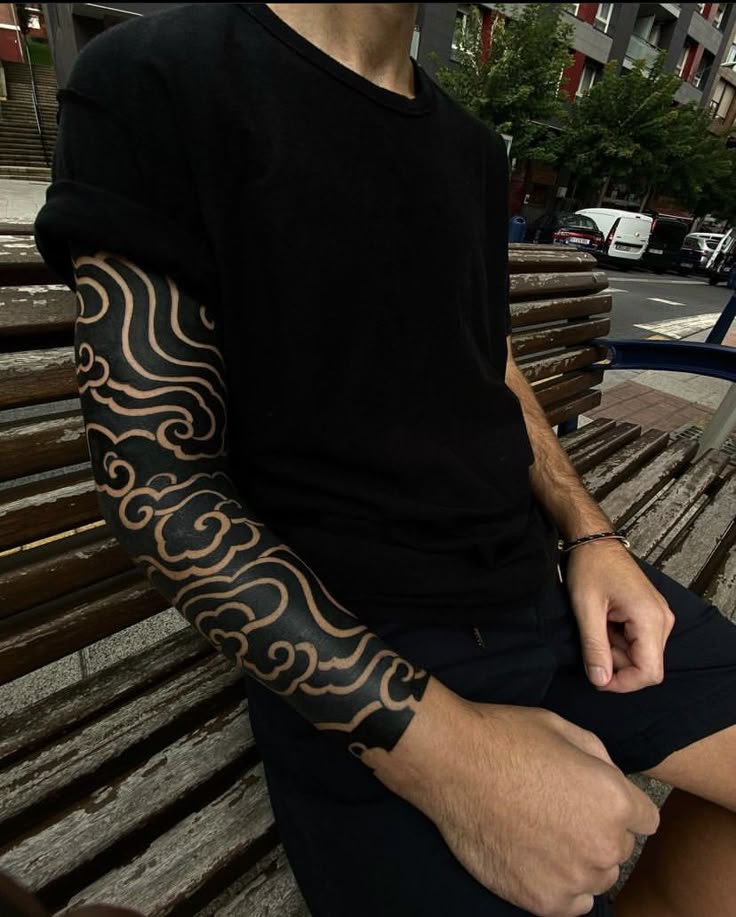
Tattoos While Pregnant Australia 2026: Safety Risks and Alternatives
Is it safe to get a tattoo while pregnant in Australia? OBGYNs advise no. Risks, RANZCOG guidance, trimester timing, henna alternatives, postpartum wait.
Read More