Diabetes and Tattoos: Blood Sugar Safety Guide for Australia 2026
You have wanted a tattoo for years. Then the diabetes diagnosis arrived and tattooing quietly moved into the "probably not for me" pile. Your endocrinologist said "be careful." Your GP raised an eyebrow. Three forums gave three contradictory answers. The tattooist you consulted said they have done it before and it was fine. Who do you believe? The answer is more straightforward than the internet suggests. People with well-managed diabetes get tattooed safely in Australia every week. The risks are real but they are mostly about timing and preparation, not a blanket prohibition. This guide covers what the evidence actually says so you can make an informed decision, and if you proceed, do so with a clear plan.
Key Takeaways
- People with well-controlled diabetes CAN safely get tattoos, the condition is a consideration, not an automatic barrier.
- Target HbA1c below 7% (53 mmol/mol) and a fasting blood glucose of 4 to 7 mmol/L before your session.
- Healing is slower and infection risk is higher, choose a licensed studio with strict hygiene and a clear aftercare protocol.
- Avoid feet, ankles and lower legs, neuropathy and poor circulation combine to create the highest complication risk in these areas.
- Book morning sessions when blood sugar patterns are typically more predictable and stable.
- Bring glucose tablets and snacks; inform the artist of your condition before the needle starts, and have a hypoglycaemia plan ready.
- Never book when blood sugar is uncontrolled, reschedule if your HbA1c is above 8% or your BGL is above 15 mmol/L on the day.
- Consult your endocrinologist before booking, some diabetes medications affect bleeding, healing, and immune response.
Can People with Diabetes Get Tattoos?
Yes, with appropriate precautions and well-managed blood glucose, tattooing is achievable for most people living with diabetes. Diabetes Australia acknowledges tattooing carries elevated risk for people with diabetes but does not prohibit it for those whose condition is under control. The key phrase is "well-controlled diabetes." Poorly controlled diabetes impairs immune function, slows collagen synthesis, and reduces circulation to peripheral tissues, the same mechanisms that cause higher infection rates and slower recovery from minor injuries. A tattoo is a wound. The same biology applies. Whether you have Type 1 or Type 2, the most important variable is not the type, it is the HbA1c.
| Diabetes Status | Tattooing Safety | Recommendation |
|---|---|---|
| Well-controlled Type 1 (HbA1c below 7%) | Generally safe with preparation | Proceed with endocrinologist input, strict studio hygiene, and a session-day glucose plan |
| Well-controlled Type 2 (HbA1c below 7%) | Generally safe with preparation | Proceed with GP or specialist input; confirm medications do not affect healing or bleeding |
| Poorly controlled Type 1 (HbA1c above 8%) | High risk, not recommended | Postpone until control is sustained for at least 2 to 3 months |
| Poorly controlled Type 2 (HbA1c above 8%) | High risk, not recommended | Postpone and work with your care team to improve control before booking |
| Insulin-dependent on pump therapy | Manageable with extra planning | Avoid pump site areas; monitor continuously during session; consult your diabetes educator |
How Diabetes Affects Tattoo Healing
All tattooing risks related to diabetes trace back to sustained or fluctuating hyperglycaemia, which impairs the body's repair systems in ways that compound each other.
Impaired wound healing. High blood glucose disrupts collagen synthesis and slows keratinocyte migration, producing a wound that takes longer to close and is more prone to infection before it seals. Compromised immune response. Elevated glucose impairs the neutrophils and macrophages that patrol wounds for bacteria, even minor contamination carries a disproportionately higher infection risk than for a non-diabetic client.
Peripheral neuropathy. Long-standing diabetes reduces nerve sensation in the extremities. The pain signal that alerts you to infection or abnormal healing is muted, by the time visible signs appear, the problem may be more advanced. This is the primary reason to avoid tattooing the feet, ankles, and lower legs. Poor circulation and dry skin. Diabetes damages small blood vessels, slowing delivery of immune cells and oxygen to a healing wound, and makes skin drier and less elastic, more prone to cracking during the peeling phase, which can pull pigment and disrupt clean healing.
"A tattoo is, at its core, a controlled wound. For people with diabetes, wound healing is inherently slower and more vulnerable to complication. This does not make tattooing impossible. It makes preparation non-negotiable."
Blood Sugar Targets for a Safe Tattoo Session
Meeting specific blood glucose targets is the single most controllable risk factor. Your HbA1c is the primary long-term indicator. The widely accepted threshold is below 7% (53 mmol/mol), the target set by both Diabetes Australia and the Royal Australian College of General Practitioners for most adults with diabetes. An HbA1c above 8% is a strong signal to postpone.
On the day of your session, your pre-session BGL matters independently of your HbA1c. Aim for a fasting BGL of 4 to 7 mmol/L before your appointment. During the session, aim for 6 to 10 mmol/L, a slightly elevated range that buffers against stress-induced hypoglycaemia. If your BGL exceeds 15 mmol/L on the day, postpone.
| Metric | Target Range | Why It Matters |
|---|---|---|
| HbA1c (2 to 3 months prior) | Below 7% / 53 mmol/mol | Indicates sustained control during the period that determines healing capacity |
| Pre-session fasting BGL | 4 to 7 mmol/L | Confirms day-of stability; prevents starting the session in a hyperglycaemic state |
| BGL during session | 6 to 10 mmol/L | Slightly elevated range buffers against stress-induced hypoglycaemia |
| BGL threshold to postpone | Above 15 mmol/L | At this level healing is significantly impaired; reschedule for a day with better control |
Before your session starts, tell your artist that you have diabetes and agree on a hypoglycaemia protocol: if you show shakiness, sweating, or confusion, stop immediately, eat 15 grams of fast-acting glucose (4 glucose tablets or half a can of regular soft drink), wait 15 minutes, and recheck. Only continue once stable. A studio that is dismissive of this conversation is one to reconsider. Reputable Melbourne tattoo studios and those across Sydney will handle the conversation professionally.
Best and Worst Placement Choices for Diabetic Clients
Placement is one of the most consequential decisions a diabetic client makes. The areas most affected by neuropathy, poor circulation, and microvascular disease are also where tattoo complications are most likely. Avoiding those areas gives your design the best possible chance of healing well.
Avoid: Feet, ankles, and lower legs (neuropathy and poor circulation combine for the highest complication risk). Any region where you regularly inject insulin, abdomen, outer thighs, upper arms, may show lipohypertrophy, creating uneven skin texture and making injection site monitoring harder. Safer placements include the upper arm, forearm, upper back, upper thigh, chest, and shoulder.
| Placement | Safety Rating for Diabetic Clients | Notes |
|---|---|---|
| Upper arm / bicep | Good | Strong blood supply, easy to monitor during healing, low neuropathy risk |
| Forearm | Good | Excellent visibility for monitoring, good circulation, a practical first location |
| Upper back / shoulder blade | Good | Well-vascularised; harder to self-monitor, so enlist help for daily checks |
| Upper thigh | Good | Distinct from lower-leg risk zones; avoid if you inject insulin here regularly |
| Ribcage / side | Caution | Good circulation but sensitive; longer sessions increase stress-response risk |
| Abdomen | Caution | Common insulin injection site; check for lipohypertrophy before proceeding |
| Lower leg / calf | Poor | High neuropathy and circulation risk; avoid unless specialist confirms good peripheral health |
| Feet and ankles | Poor | Highest risk zone; not recommended for most diabetic clients regardless of control status |
Preparing for Your Tattoo Appointment
Preparation starts weeks before the appointment, not the night before. Rushed preparation, not the diabetes itself, is the most common reason for poor outcomes. Talk to your endocrinologist or specialist first to confirm your current HbA1c, flag any medications that affect healing or bleeding, and plan session-day monitoring. Check your HbA1c at least two to four weeks before booking, if it is above 8%, postpone until control improves. Night before: stable BGL, no alcohol, balanced dinner, full sleep. Morning of: eat properly, check your BGL before leaving home and again at the studio, if it is outside 4 to 7 mmol/L, consider postponing.
What to bring:
- Glucose tablets (4 to 6) and a fast-acting sugar source such as regular soft drink
- A snack for longer sessions with sustained carbohydrates and protein
- Your BGL meter, spare lancets, and testing strips
- Insulin, pen or pump supplies if needed for the session period
- A medical ID bracelet or card identifying you as a person with diabetes
Book a morning slot for more predictable BGL patterns. Keep the first session to two to three hours, limit the stress load and establish a baseline before committing to longer work.
Aftercare for Diabetic Tattoo Clients
All standard aftercare rules apply, keep it clean, moisturise, avoid submerging, do not pick the peeling skin. What changes for diabetic clients is the vigilance required and the speed of action when something looks wrong. The healing timeline of two to four weeks can extend to four to six, do not assume the all-clear just because the tattoo looks nearly healed.
Monitor for infection daily, actively. Note any changes in redness, swelling, or warmth. Check for discharge beyond normal plasma weeping in the first 24 hours. Photographing the tattoo each morning for the first two weeks helps you track changes objectively. Keep your BGL stable throughout the healing period, sustained hyperglycaemia slows repair when you need it most. Moisturise more frequently than a standard client (fragrance-free, alcohol-free lotion such as CeraVe or Cetaphil, see our guide to tattoo moisturisers). Avoid soaking in water for three to four weeks rather than the standard two to three.
When to call your GP, the threshold is lower for diabetic clients:
| Symptom | Normal for Diabetic Clients | Seek Care If... |
|---|---|---|
| Redness | Some redness in the first 48 hours | Spreading beyond the tattoo border after day 2, or worsening after day 3 |
| Swelling | Minor swelling in the first 24 to 48 hours | Worsening after 48 hours, or warm and firm to touch |
| Discharge | Clear plasma weeping in the first 24 hours | Any yellow, green, or cloudy discharge; anything persisting beyond day 2 |
| Fever or chills | Not expected at any stage | Any fever above 38 degrees Celsius, seek same-day medical attention |
| Unusual hardness | Not expected beyond 48 hours | Any hardening of tissue around the tattoo after day 3, can indicate abscess formation |
An infection that is minor and self-limiting in a non-diabetic person can progress more quickly when diabetes is involved. Catching it early matters. For more on what a properly sterile Australian tattoo studio should look like, see our hygiene guide.
Medications That Affect Tattooing
Many people with diabetes take medications beyond those directly managing blood glucose, and some of these have direct tattooing implications.
Blood thinners (low-dose aspirin, warfarin, NOACs such as rivaroxaban or apixaban) increase bleeding and can affect ink placement. They require disclosure to your artist and possibly guidance from your prescribing doctor before the session. See our guide to blood thinners and tattoo safety for a full breakdown. Metformin has no known direct effect on tattooing or healing. Insulin does not affect tattooing pharmacologically, but repeated injections at the same site can cause lipohypertrophy (uneven fatty tissue), so assess your injection sites before confirming placement. Immunosuppressants significantly raise infection risk and slow healing, compounding existing diabetes-related challenges. See our guide to autoimmune conditions and tattoo safety if this applies to you.
| Medication Class | Effect on Tattooing | Action Required |
|---|---|---|
| Low-dose aspirin | Increased bleeding; may affect ink placement | Disclose to artist; discuss any adjustment with prescribing doctor |
| Warfarin / NOACs | Significant bleeding increase; affects healing | Discuss with prescribing doctor; do not stop without medical guidance |
| Metformin | No direct effect on tattooing or healing | No specific action required beyond standard diabetes preparation |
| Insulin (all types) | No pharmacological effect; lipohypertrophy is the key concern | Assess injection sites for lipohypertrophy before confirming placement |
| Immunosuppressants | Significantly elevated infection risk; markedly slower healing | Consult specialist before booking; may warrant deferral or extra precautions |
If you are unsure whether any medication has tattooing implications, bring a full medication list to your specialist conversation. You should also verify that the studio you choose is fully licensed, proper licensure is a baseline hygiene and safety standard that matters particularly when your healing capacity is not typical.
Frequently Asked Questions
Do I need medical clearance before getting tattooed with diabetes?
There is no legal requirement in Australia for a doctor's sign-off. However, consulting your endocrinologist or GP before booking is strongly recommended. They can confirm your HbA1c, flag medications affecting healing or bleeding, and advise on session-day monitoring. Most specialists are supportive once they see you have prepared properly.
Will diabetes make my tattoo heal unevenly or fade faster?
It can, if blood glucose is not well controlled during healing. Poorly controlled diabetes disrupts collagen synthesis and epidermal integrity during the peeling phase. Dry, inelastic diabetic skin is more prone to cracking, which can pull pigment unevenly. With a well-managed HbA1c below 7% and stable BGL throughout healing, your tattoo has a strong chance of healing cleanly. A touch-up at three to four months is always an option.
Can I use numbing cream if I have diabetic neuropathy?
Topical numbing creams (typically lidocaine-based) are generally safe for diabetic clients. For people with neuropathy, the more important question is placement: if you have neuropathy in a particular area, you are already in the "caution" or "avoid" category on placement grounds. In well-vascularised, lower-risk areas (upper arm, forearm, back) numbing cream is fine. Always inform your artist, as it can slightly affect skin texture. Check with your pharmacist if you have any concerns about interactions with your current medications.
What should I do if I feel dizzy or unwell during the session?
Stop the session immediately and tell your artist. Do not push through. Treat dizziness, shakiness, sweating, or confusion as a potential hypoglycaemic episode. Sit up (or lie down if you feel faint), eat 15 grams of fast-acting glucose, four glucose tablets or half a can of regular soft drink, wait 15 minutes, then check your BGL. If you feel significantly better, you and your artist can decide whether to continue or wrap up. If you do not improve after 15 minutes, call for assistance.
Are there studios in Australia that specialise in tattooing diabetic clients?
No studios in Australia market themselves specifically as diabetic tattooing specialists, this niche does not need to exist. A skilled artist at any reputable, well-run studio can tattoo diabetic clients who are appropriately prepared. Look for professional hygiene standards, willingness to have an informed health conversation, and shorter session availability. Use our Melbourne tattoo studio directory to find studios with verified portfolios. The tattoo cost calculator helps you plan your budget around shorter initial sessions.
"Bottom Line: Diabetes is a consideration, not a barrier. With controlled blood sugar, an experienced artist, and a plan that covers the session and the four weeks of healing that follow, you can get a tattoo that heals cleanly and lasts beautifully."
Ready to find the right studio? Browse our curated directory of Melbourne tattoo studios with full hygiene ratings, portfolio galleries, and booking information. Every studio in our directory is verified and licensed, the baseline standard you should insist on as a diabetic client.
Explore More
Find Tattoo Shops
Browse by Style
Stay Updated with the Latest Insights!
Get the latest news and updates delivered to your inbox.
Related Articles
Finger Tattoos Australia 2026: Complete Guide to Designs, Fading and Cost
Finger tattoo guide for Australia in 2026. Designs, pain, fading truths, healing tips, ring tattoos and price bands. What to book and what to skip.
Read More
Tattoo Insurance Australia 2026: Coverage, Costs and What Clients Should Ask
Public liability, product liability and blood-borne cover for Australian tattoo studios in 2026. Costs, exclusions and what clients should ask before booking.
Read More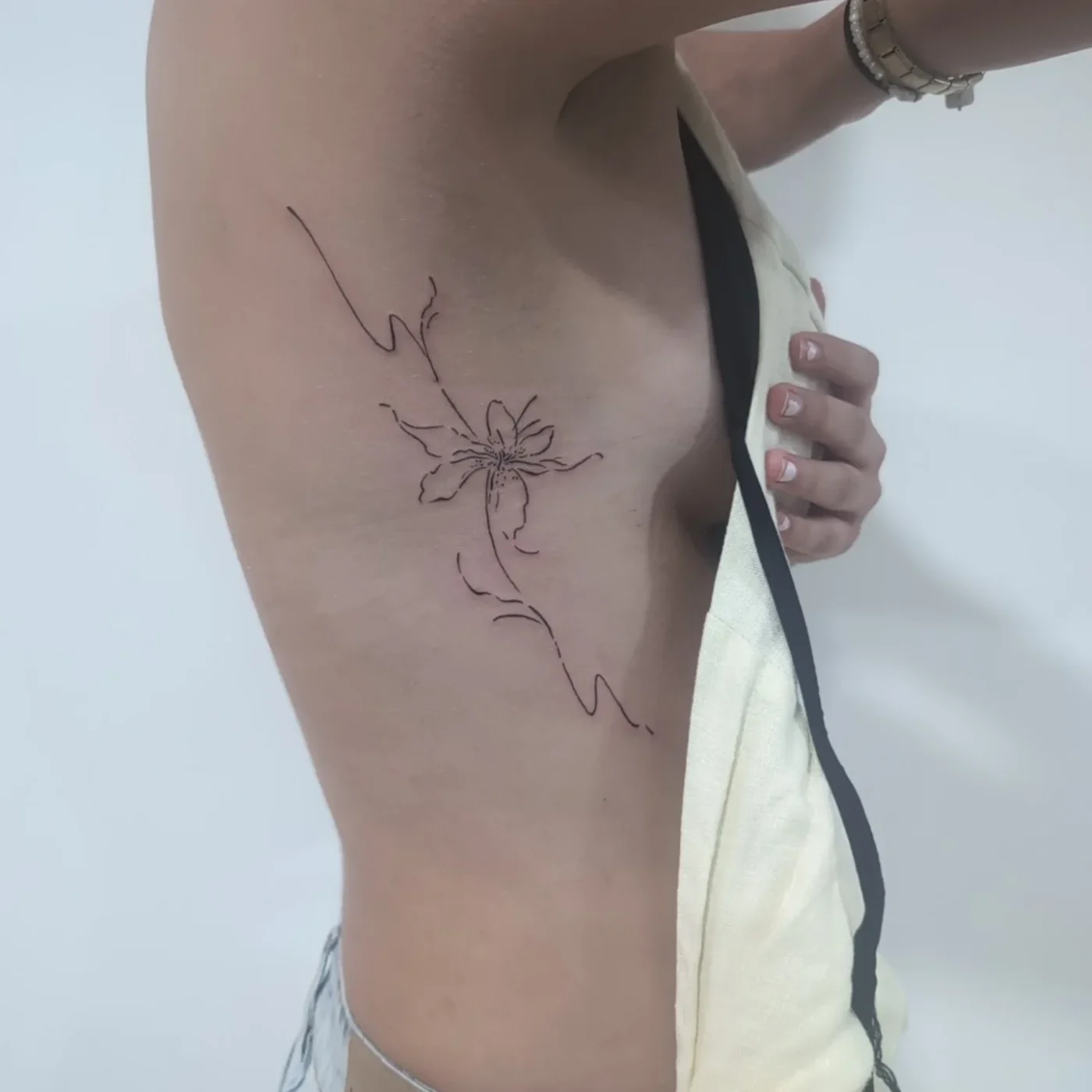
Gen Z Tattoo Trends Australia 2026: Micro Ink, Fine Line and TikTok Influence
Gen Z tattoo trends in Australia for 2026: micro ink, fine line, matching sets, angel numbers and hidden placements. Prices, aesthetics and the TikTok effect.
Read More