How Tattoos Age in Australia 2026: Preservation Guide
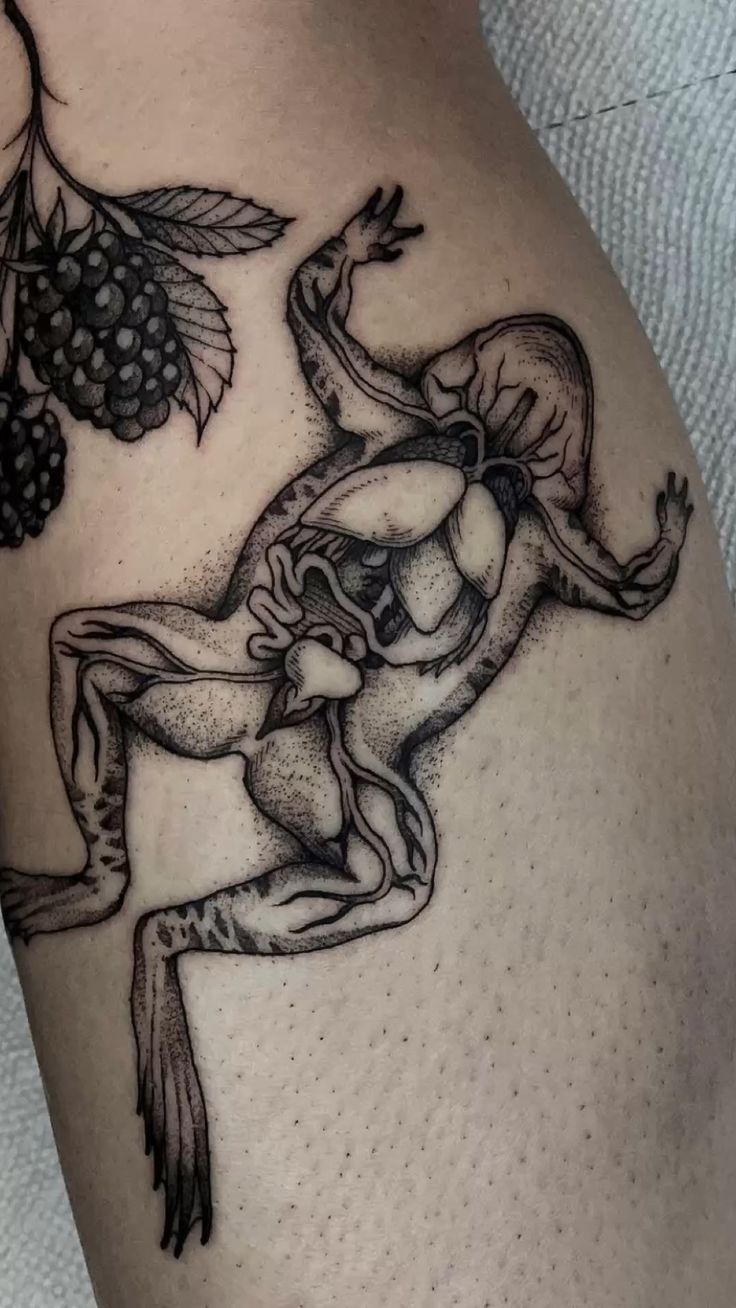
Picture this. You scroll through your camera roll and find a photo from the year you got your first tattoo. The lines were crisp, the colours screamed off the skin, and the whole thing looked freshly painted. Ten years later the same tattoo is softer, the colour reads slightly muted, and a couple of the finer details have started to blur. That is not bad work, it is normal tattoo aging, and most of it is controllable if you understand the process.
This 2026 guide breaks down the biology of how Australian tattoos age decade by decade, the eight factors that decide how fast yours will fade, the day-to-day habits that buy you another ten years of crispness, and the realistic point at which a touch-up beats prevention. The goal is a tattoo that still looks like the reference photo on your 70th birthday.
Key Takeaways
- The science: ink particles slowly migrate, the dermis thins, and immune cells nibble away at pigment for decades
- Sun is the killer: UV damage causes 60 to 80% of premature tattoo fade in Australia
- Black ages best: heavy blackwork can look sharp at 25 years; pastels often need help by year 8
- Placement matters: hands, feet, fingers, and ribs fade fastest; back, chest, and outer arm hold longest
- Habits that pay off: SPF 50+ daily, hydration, weight stability, and avoiding harsh exfoliants
- Touch-up cadence: every 8 to 15 years on average for fully preserved colour
- Long game: a well-cared-for Australian tattoo will read clearly at 30+ years with one or two touch-ups
How Tattoos Actually Age
Ink does not just "fade". Three biological processes overlap over the years and produce the soft, slightly muted look of an older tattoo.
1. Macrophage cycling
Your immune system never fully accepts a tattoo. Macrophages, the white cells responsible for clean-up duty, swallow ink particles, die after a couple of years, and pass the pigment on to a new generation of macrophages. Each handover scatters a few particles slightly, which is why fine detail softens before bold lines do.
2. Particle migration
Even when ink stays in place, the dermis is alive. Collagen turnover, lymphatic flow, and skin stretch over decades all nudge particles a fraction of a millimetre. Multiply that by years and a fine 0.3 mm line slowly becomes a 0.6 mm one.
3. Dermis thinning
From your mid-30s onward, the dermis (the layer where ink lives) loses about 20% of its thickness per decade. Ink sits closer to the surface and looks softer. This is why aged skin and old tattoos seem to soften together.
In a nutshell: aging is the cumulative effect of macrophages, migration, and a thinning dermis. None of it is your fault, but most of it is controllable.
Decade by Decade: What Most Tattoos Look Like
| Years Since Tattoo | Typical State | What is Happening Underneath |
|---|---|---|
| 0 to 1 | Crisp, fully saturated, sharp lines | Settling phase. Ink stabilises in the dermis |
| 1 to 5 | Slight softening, colours stabilise | First macrophage cycle. Minor migration |
| 5 to 10 | Noticeable but graceful fade | Several macrophage handovers. UV damage shows in sun-exposed areas |
| 10 to 20 | Softer lines, muted colour | Dermis begins thinning. First touch-up often timed here |
| 20 to 30 | Distinctly aged appearance, still readable | Cumulative migration. Whites and pastels gone |
| 30+ | Vintage character, structurally intact | Bold black and outline holds; details lost |
The Eight Factors That Decide How Fast a Tattoo Ages
| Factor | Ages Faster | Ages Slower |
|---|---|---|
| Placement | Hands, feet, fingers, lips, ribs | Back, chest, outer arm, thigh |
| Sun exposure | Daily UV without sunscreen | Always SPF 50+ on the area |
| Ink quality | Cheap or unbranded pigment | TGA-compliant named brands |
| Style | Watercolour, fine line, single-needle | Traditional, neo-traditional, blackwork |
| Artist technique | Inconsistent depth, blowouts | Even saturation, no over-working |
| Skin type | Very dry or very oily without routine | Hydrated, balanced skin |
| Weight changes | Large gain or loss, pregnancy stretches | Stable weight |
| Lifestyle | Smoking, heavy sun, no aftercare | Non-smoker, gym hydration, daily skincare |
Placement: the single biggest predictor
- Best holders: back, chest, outer upper arm, outer thigh, calf. Less rubbing, lower UV, deeper dermis
- Mid-tier: forearm, lower thigh, shoulder. Holds well with sunscreen discipline
- Fast faders: hands, fingers, feet, lips, ribs, neck. High friction, lots of sun, or constant flexion
For style-specific aging notes, browse our traditional tattoo gallery or fine line gallery.
Sun: The Number One Aging Force in Australia
Australia has the highest UV index of any developed country. UV damage breaks down ink particles directly and accelerates dermal collagen breakdown, which then drags ink around. Most premature tattoo aging in Australian skin traces back to this one factor.
Daily UV plan
- SPF 50+ broad-spectrum on the tattoo every day, year-round, even on cloudy days
- Re-apply every 2 hours during outdoor activity
- Cover-up clothing is even better than sunscreen on the most precious pieces
- Avoid tanning beds entirely on any area you have ink
- Spray tans: safe over healed tattoos, but the dye sits on the surface and can make the tattoo look temporarily duller
For full UV guidance, see our Australian sun exposure guide.
Quick test. Compare a five-year-old tattoo on your sun-protected hip with the same age tattoo on your forearm. The hip looks newer. That gap is what disciplined UV protection buys you.
Skin Care That Actually Preserves Ink
Most "tattoo balms" are simple moisturisers in fancy packaging. The active ingredients you actually want are predictable.
Daily care
- Hydration: water-based moisturiser twice a day. Look for hyaluronic acid, ceramides, glycerin
- Antioxidants: vitamin C or E serum every few days fights free radical damage
- Gentle cleansing: fragrance-free, sulphate-free body wash
- Lukewarm water in the shower. Long hot showers swell and shed the outer layer faster
What to avoid
- AHA or BHA exfoliants daily on the tattoo area
- Retinol creams directly on the tattoo (causes pigment lightening over months)
- Microneedling devices, even at home
- Chemical peels without telling the dermatologist the area is tattooed
- Anti-cellulite treatments, especially those with abrasive ingredients
Style and Ink Choices That Age Beautifully
The style you pick today is the single biggest design choice you make for the next 30 years. Some styles look better the older they get; others depend on technical detail that softens quickly.
Ages gracefully
- Traditional and neo-traditional: heavy outlines, bold colour, simple shapes. Designed in the 1900s to age over decades
- Blackwork and tribal: structurally simple, no subtle gradients to lose
- Japanese irezumi: heavy black foundation, large composition
- Bold realism: when done in black and grey with high contrast
Needs more care
- Fine line and single-needle: beautiful at year one, can blur noticeably by year five
- Watercolour: the soft gradient look depends on subtle colour mixing
- White and pastel work: shortest visual life of any style
- Microrealism: the same detail that wows you fresh is what softens first
None of these are wrong choices, just choices to make with eyes open. A fine-line piece you love now is still worth a touch-up at year seven.
Body Changes and Tattoo Distortion
Tattoos sit in skin that is constantly stretching and shrinking. Big body changes redraw the design without asking.
- Pregnancy: abdomen tattoos almost always distort. Hip and side tattoos often hold
- Major weight gain (15 kg+): can stretch tattoos by 20 to 40%, especially on abdomen and outer thigh
- Major weight loss (15 kg+): can leave tattoos with loose skin and altered scale
- Heavy gym building: arms and chest grow, tattoos enlarge slightly, then settle
- Surgery or scarring: incisions through tattoos always create a visible white line
For pregnancy-specific guidance, see our pregnancy and tattoos guide.
When to Touch Up vs Leave It Alone
Touch-ups are an essential part of long-term tattoo ownership, but not every aged tattoo needs one. The rule is simple: if you can still see the original intent clearly, you can wait.
Touch-up makes sense when
- Colour has faded enough that the design reads as grey or muted
- Fine line detail has softened past recognition
- A specific section has aged worse than the rest (often UV-exposed)
- You want to keep the original artist's style without redesigning
Wait or leave it alone when
- The fade is uniform and graceful
- You like the vintage character
- The skin in the area has changed too much for fresh ink to match
- You are considering a cover-up later
A typical Australian touch-up runs $80 to $300 for small pieces and $200 to $800 for medium ones. Most artists offer free first touch-ups within the first 6 months for healing-related issues.
Long-Term Preservation Routine
A one-page summary of what actually moves the needle on tattoo longevity, in priority order.
- SPF 50+ daily on every tattoo, year-round
- Hydrate twice a day with a fragrance-free moisturiser
- Stay weight stable within a 10 kg range where possible
- Avoid daily harsh exfoliants on tattooed areas
- No tanning beds ever
- Hat, shirt, or cover on long sunny outings beats sunscreen alone
- Stop smoking if you can. It accelerates collagen breakdown
- Book a check-in with your artist every 5 to 7 years
Frequently Asked Questions
Do all tattoos eventually fade completely?
No. A well-placed, well-cared-for tattoo can stay clearly readable for 40 to 50 years. Bold black ink in particular can outlast the person wearing it. What does happen is softening of detail, slight migration, and colour mutation.
Is colour or black-and-grey better long term?
Bold black-and-grey or heavy blackwork holds the longest. Saturated traditional colour (deep reds, blues, greens) ages well too. Pastels, whites, and yellows fade the fastest in every phototype.
Will a touch-up make it look brand new?
Yes, in most cases. A skilled artist can re-ink faded areas without rebuilding the whole tattoo, restoring 80 to 95% of the original crispness. See our touch-up guide.
How often should I touch up a full sleeve?
Most full sleeves benefit from a refresh every 8 to 12 years for colour and 15 to 20 years for outlines.
Does sweating from the gym fade tattoos?
Not directly. Excessive UV during outdoor training does. Heavy gym sessions on a fresh tattoo can interfere with healing, but on a healed piece, normal sweat is no problem. See our exercise after tattoo guide.
Are there any creams that genuinely brighten faded tattoos?
No topical product can return migrated ink to its original position. They can hydrate the skin enough to optimise contrast, which helps the existing ink look better. Honest manufacturers will say so on the label.
Does smoking really age tattoos?
Yes. Nicotine constricts the small vessels in the dermis, reducing oxygen delivery and accelerating collagen breakdown. Smokers' tattoos tend to lose sharpness about 30% faster than non-smokers' over a decade.
Bottom Line
Tattoo aging is biology, not bad luck. Macrophages, dermal thinning, and Australian UV all push your ink towards softer, less saturated territory over decades. The good news is that disciplined SPF, sensible aftercare, and a touch-up every 10 to 15 years can keep your tattoo reading exactly like the day it healed for half a century or more. Choose the right style for the placement, treat the area like the artwork it is, and the long game tilts massively in your favour.
Need to plan a touch-up or refresh? Find a verified artist in Sydney, Melbourne, Brisbane, or Perth, or read the touch-up guide for what to expect.
Explore More
Find Tattoo Shops
Browse by Style
Stay Updated with the Latest Insights!
Get the latest news and updates delivered to your inbox.
Related Articles
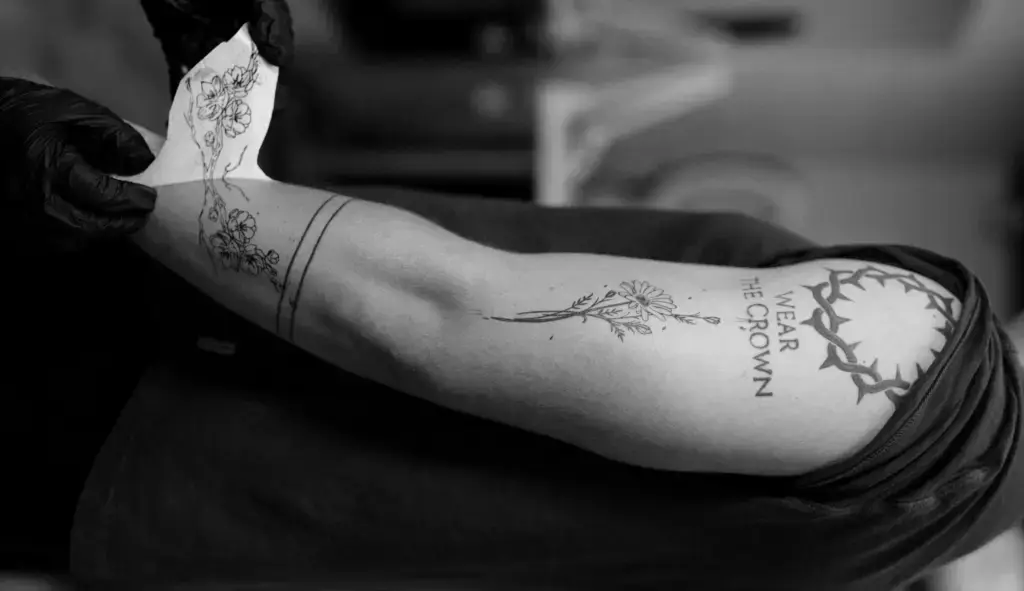
Tattoo Price Guide
Tattoo price guide for Australia 2026. Hourly rates, by-style and by-size pricing, city comparison, hidden costs, and how to budget.
Read More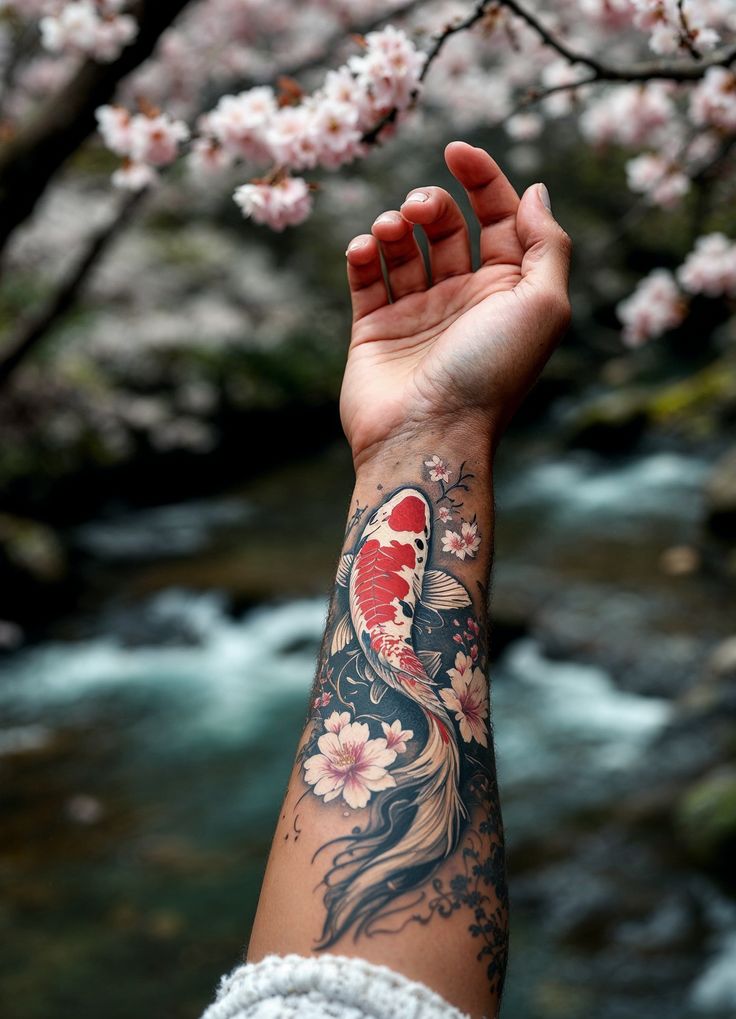
Tattoo Fading Prevention Guide Australia 2026: Keep Your Ink Vibrant
Tattoo fading prevention for Australia 2026. UV protection, aftercare, ink quality, and styles that age well in the Australian climate.
Read More
Tattoo Shop Hygiene Standards Australia 2026: Safety Checklist
Tattoo shop hygiene standards Australia 2026. Autoclaves, single-use needles, licences, 60-second visual checks, red flags to spot before booking.
Read More