Tattoo Apprenticeship Australia 2026: Complete Career Guide
Picture this. You have been sketching since primary school, your Instagram feed is nothing but tattoo artists, and every time you walk past a good studio you slow down to peer through the window. Then the question surfaces. "How do I actually become a tattoo artist in Australia?"
The honest answer is a traditional apprenticeship, and in 2026 that still means 1 to 3 years of unpaid grunt work, obsessive drawing, and a mentor who will critique every line you push. This guide walks you through the whole path, from the portfolio that opens the door to the day you finally take on a paying client.
Key Takeaways
- Duration: 1 to 3 years full time, 40 to 50 hours a week under a licensed mentor
- Total cost to you: $20,000 to $45,000 across two years (supplies plus lost income)
- Portfolio target: 20 to 50 finished pieces before you knock on a studio door
- Legal minimums: 18+, bloodborne pathogen certificate, first aid, state health registration
- Pay curve: Unpaid to $50/hour in year one; $80 to $200/hour by year three if you finish
- Red flag: Any "apprenticeship" that charges you more than $2,000 upfront is a tattoo school in disguise
- Success rate: Roughly 60% of apprentices drop out in the first six months. The finish line rewards the ones who stay
What a Tattoo Apprenticeship Actually Is
A tattoo apprenticeship in Australia is a private training arrangement between a working artist (the "mentor") and someone who wants to learn (the "apprentice"). It is not a TAFE course, not an accredited qualification, and not something the government pays you to do. The mentor teaches you the craft the same way it has been taught for a hundred years: by watching, cleaning, drawing, failing, and eventually tattooing.
You will start at the bottom. Mopping floors, breaking down stations, sterilising equipment, taking phone bookings. That is not hazing. It is how you learn the pace of a real studio before anyone lets you touch a machine. Skip that phase and you will spend the rest of your career fixing bad hygiene habits.
In a nutshell: an apprenticeship is a two-year interview. Every day you show up on time, draw hard, and stay humble is a day the studio decides you are worth keeping. Every day you cut corners is a day they start looking for someone else.
The Three Phases of a Traditional Apprenticeship
Every legitimate apprenticeship in Australia follows roughly the same arc. Length varies by mentor but the phases are the same.
| Phase | Duration | What You Do | What You Learn |
|---|---|---|---|
| 1. Studio Foundation | Months 1-3 | Cleaning, setup, sterilisation, front desk, observing every session | Hygiene, workflow, client handling, machine parts by name |
| 2. Drawing and Design | Months 1-9 | Flash sheets, stencil work, custom design briefs, endless line drills | Composition, flow, body-part sizing, style vocabulary |
| 3. Machine and Fake Skin | Months 3-9 | Building coils and rotaries, needle groupings, practice on synthetic skin and pigskin | Depth, hand speed, saturation, needle behaviour on real tissue |
| 4. First Real Tattoos | Months 9-12 | Small work on volunteers (friends, family, staff), supervised the whole time | How real skin fights back, how nerves affect your line, aftercare in practice |
| 5. Junior Client Work | Months 12-24 | Simple paid clients, price minimums, portfolio building, style development | Consultation, quoting, deposit taking, running your own book |
| 6. Professional Handover | Months 18-36 | Full client load, custom work, mentor becomes peer | Business, tax, insurance, growing an Instagram that actually books |
The Portfolio That Actually Opens Doors
Studios in Sydney, Melbourne, and Brisbane report they turn away 90% of walk-in applicants at the portfolio stage. The apprentices who land the spot are not the flashiest illustrators. They are the ones whose portfolio proves they can execute clean work under real-world constraints.
What every strong portfolio contains
- Line control (10 to 15 pieces): Traditional flash, single-weight lines, no wobble. This is the first thing a mentor checks
- Value work (5 to 10 pieces): Black and grey studies proving you understand shadow, not just outline
- Custom design (5 to 10 pieces): Original briefs, not tracing. Show your process, not just the finished work
- Reference studies (3 to 5 pieces): Copies of masters. Shows humility and self-directed study
- Digital and paper mix: Procreate is fine but a mentor also wants to see you can hold a pencil
What weakens a portfolio
- Only anime or one narrow subject. Mentors want range
- Heavy use of AI generation. Studios spot it and reject on sight
- Photos of tattoos you have already done on friends without a mentor. Reads as impatient
- 50+ mediocre pieces instead of 20 great ones. Quality over quantity, always
Heads up: your portfolio is not a folder of your best drawings. It is a demonstration of how you think. A studio owner is asking one question when they flip through it. Can I trust this person to represent my shop in eight months?
Legal and Health Requirements Before You Start
Tattooing is a licensed skin-penetration procedure in every Australian state. You cannot apprentice on the sly. Before a mentor will even shortlist you, you need to satisfy the basics.
| Requirement | Where to Get It | Cost (AUD) |
|---|---|---|
| Minimum age 18 | Every state and territory | Free |
| Bloodborne pathogen training | NSW Health, WorkSafe VIC, Queensland Health e-learning | $0 to $150 |
| First aid + CPR | St John Ambulance, Red Cross, Allens Training | $130 to $200 |
| Skin penetration registration | Local council (post-apprenticeship, before independent work) | $150 to $400 |
| Working with Children Check | Only if the studio serves minors (rare, varies by state) | $0 to $80 |
| Public liability insurance | BizCover, GIO, industry-specific brokers (post-apprenticeship) | $400 to $900/year |
NSW and Queensland also require the studio itself to be council-registered and inspected. That is your mentor's job, not yours, but you should verify the studio has current registration before you sign anything.
What It Really Costs You
The dirty secret of tattoo apprenticeships is that they are unpaid or minimally paid for the first 6 to 12 months. Nobody advertises this because it puts most people off, but you deserve the honest number.
| Cost Category | Amount (AUD) | When You Pay |
|---|---|---|
| Art supplies (iPad, Procreate, pencils, paper) | $500-$1,500 | Before starting |
| First machine setup (rotary + power + PSU) | $800-$2,000 | Month 3-6 |
| Practice skins and pigskin | $300-$800/year | Ongoing |
| Certifications (BBP + first aid) | $200-$400 | Before starting |
| Living expenses during unpaid phase | $2,000-$3,500/month | First 6-12 months |
| Professional machine + supplies for real clients | $2,000-$5,000 | Year 1-2 |
| Portfolio photography and print | $500-$1,500 | Ongoing |
| Total realistic investment | $20,000-$45,000 | Across 2 years |
How apprentices actually pay for it
- Evening or weekend job: Hospitality is the go-to. Pays the rent while your days belong to the studio
- Savings cushion of $10,000 to $15,000: Non-negotiable before you start. The apprentices who quit are almost always the ones who ran out of money in month four
- Commission on studio flash: Some studios let advanced apprentices sell simple pieces before they graduate. Split is usually 40 to 60%
- Selling original artwork: Prints, custom digital designs, flash sheets. Modest but keeps your art muscle warm
How to Approach a Studio Without Getting Blacklisted
Cold walk-ins are a specific art. Studios in Australia get several wannabe apprentices a month, and the fastest way to burn your chances is to show up on a Saturday afternoon during a booking. Follow the etiquette.
The right way to approach
- Follow the studio and the artists on Instagram for at least three months. Know their styles, their guest artists, their price minimums
- Visit as a paying client first if you can afford it. Nothing shows respect for the craft like actually experiencing their work on your own skin
- Email or DM before dropping in. Introduce yourself, mention you have a portfolio, ask what a good time would be to bring it in
- Show up mid-week, mid-afternoon. Never a Saturday, never during a session, never right at open
- Bring a printed portfolio and a digital backup. Some artists like flipping paper, others prefer an iPad
- Ask for a critique, not a job. "Would you tell me what is missing from this portfolio?" is a hundred times better than "Are you taking apprentices?"
Red-flag studios you should walk away from
- They ask for money upfront. A legitimate apprenticeship costs you nothing beyond your own supplies. A $5,000 "apprenticeship fee" is a tattoo school
- Promises of tattooing clients within three months. That timeline is unsafe and usually illegal
- The mentor has under five years of professional experience. They cannot pass on what they have not mastered
- The studio looks dirty or the autoclave log book is not visible. You will inherit whatever hygiene culture you train in
- No formal written agreement. Even a one-page document listing expectations and timelines protects you both
- You are told to "just tattoo yourself and see how you go." This is not mentorship. This is being handed a machine and told to figure it out
A slow "no" from a great mentor is worth more than a fast "yes" from a bad one. Better to spend six more months building your portfolio than two years unlearning bad technique.
Life as an Apprentice: The Day-to-Day
Your first year will not feel like art. It will feel like manual labour with drawing homework. That is the point. Here is what a typical week looks like.
Year 1: Foundation building
- Daily setup and breakdown: Every station, every day, before and after every artist
- Autoclave and hygiene rounds: Sterilising, logging, restocking. You are the one who signs off that the studio is safe
- Observation: Sitting quietly during your mentor's sessions, watching their hand, timing, patter
- Two hours minimum drawing after the studio closes: Flash, custom briefs, line drills. Every night, no exceptions
- Practice on synthetic skin: One to two hours a day building hand speed and depth control
- Studio errands: Coffee runs, supply pickups, boring stuff that keeps the business alive
Year 2: Skill development
- All of the above, with less supervision on the setup work
- Tattooing volunteers (friends, family, staff) under direct mentor watch
- First paid clients on small, simple pieces (single-line hearts, single-word script, dot work)
- Managing your own booking DMs and email replies
- Developing a niche and starting to publish finished work on Instagram
- Learning the business side: quoting, deposit taking, tax basics, GST thresholds
Real Apprentice Case Studies (2026)
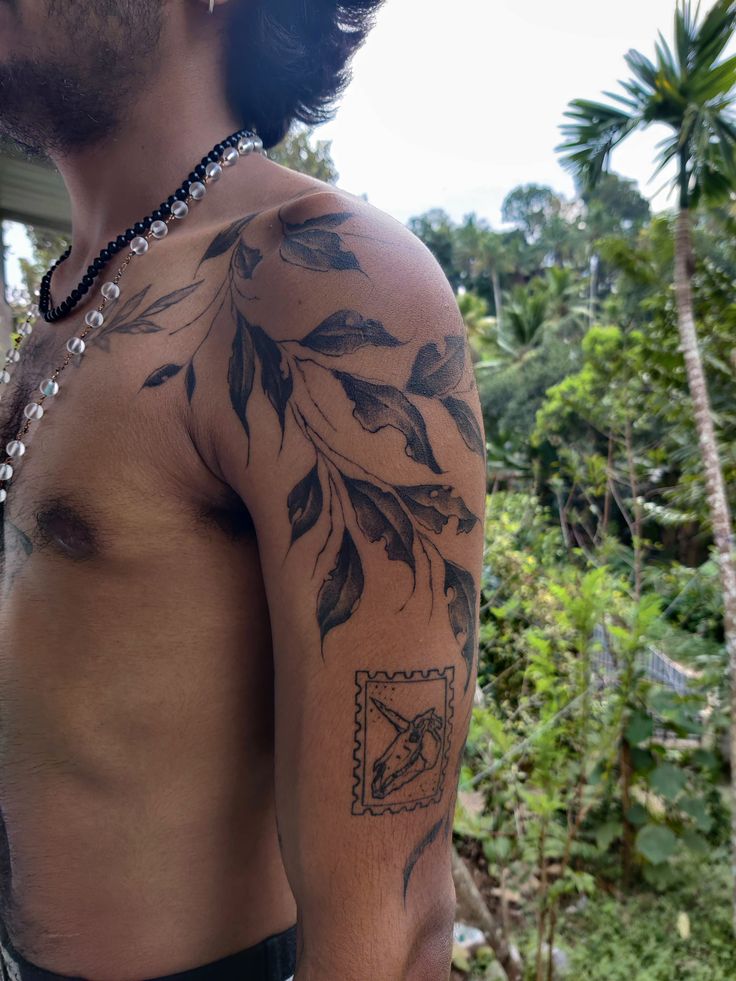
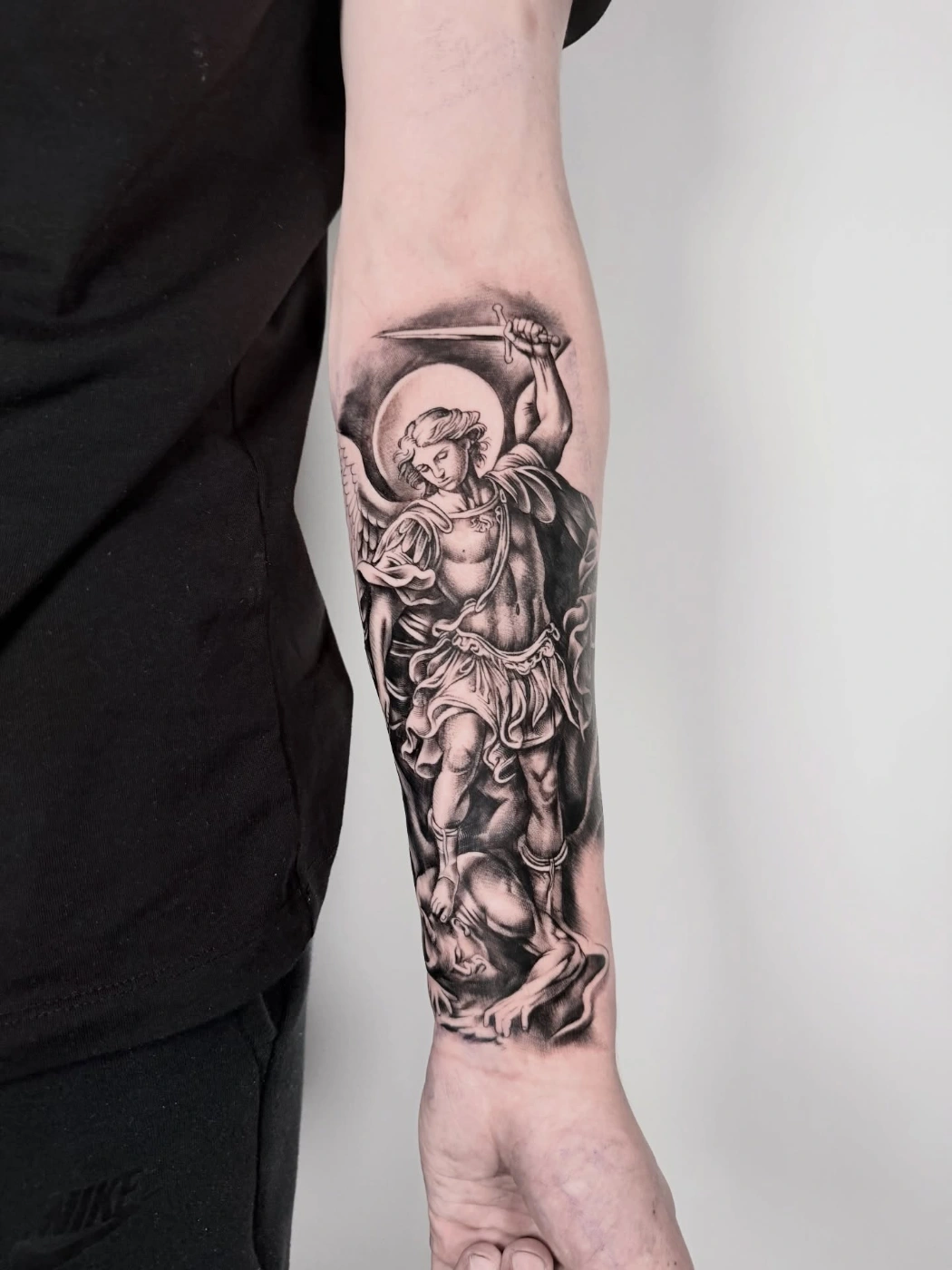
Photographs below are example portfolio pieces from real Australian artists on the platform. The case studies are illustrative composites based on typical apprentice journeys in the Australian market and do not represent the specific circumstances of the artists shown.
Case 1. The Two-Year Straight Line, Melbourne
Age at start: 22. Prior work: Full-time graphic designer with a strong Procreate portfolio. Studio: Mid-tier custom shop, mentor with 12 years experience.
- Month 0: Saved $18,000, quit design job, started part-time hospitality (25 hrs/week)
- Months 1-6: Unpaid apprenticeship. Cleaning, drawing 3 hrs/night, first flash sheets sold at studio for $50 each (small commission to apprentice)
- Months 7-12: Started tattooing volunteers. First paid client at month 11, $80 flash piece
- Year 2: Booth rent negotiated at 50/50 split. Booked out three weeks in advance by month 20
- Graduation: Month 26. First solo month income $4,200
- Total two-year cost including lost income: $38,000
Case 2. The Long Road, Adelaide
Age at start: 19. Prior work: Retail. Studio: Family shop, small-town Adelaide, mentor with 20 years experience.
- Month 0: Saved $9,000, kept part-time retail job (30 hrs/week weekends)
- Year 1: Very slow. Mentor focused on drawing fundamentals. Zero tattoos in year one
- Year 2: First supervised tattoos in month 14. Portfolio grew slowly but cleanly
- Year 3: Full graduation at month 34. Retail job dropped. Solo income month one $2,800
- Total three-year cost: $22,000 (lower cost of living outside metro, no savings burnout)
Case 3. The Dropout, Sydney
Age at start: 28. Prior work: Finance analyst. Studio: Premium Sydney shop, celebrity clientele.
- Month 0: Saved $30,000, no part-time work
- Months 1-4: High-pressure environment, unrealistic drawing expectations, mentor rarely available
- Month 5: Ran out of runway. Anxiety about not tattooing yet. Left the studio
- Total cost: $22,000 with nothing to show. This is why the $10,000 to $15,000 emergency fund and a realistic mentor matters more than the studio brand
After Graduation: Your First Solo Year
The apprenticeship ends the day your mentor says you are ready, not the day you feel ready. When they hand you the keys, you have four choices.
| Option | Typical Split | Startup Cost | Best For |
|---|---|---|---|
| Stay at your training studio | 50/50 to 60/40 | $2,000 (own supplies) | Loyal to mentor, want stability |
| Move to another studio | 50/50 to 70/30 | $3,000 to $5,000 | Need creative reset, better commute |
| Guest spot circuit | 60/40 typical | $5,000 to $10,000 | Building name, travel-driven |
| Open your own studio | Keep 100% minus overheads | $50,000 to $150,000 | Long-term financial goal, established client base |
First-year income expectations
- Months 1-3: $500 to $2,000 per month while you build a book
- Months 4-6: $2,000 to $4,000 per month with consistent bookings
- Months 7-12: $3,500 to $7,000 per month for solid junior artists
- Year 2 onward: $6,000 to $14,000 per month is realistic for busy, well-priced mid-level artists in the capital cities
Rates and demand vary massively by city. For a full breakdown of what your future clients will pay you, see our Australian Tattoo Price Guide and the tattoo apprentice pricing guide.
Tattoo School: Yes or No?
Private tattoo schools exist in Australia. They run 3 to 6 month full-time programmes and cost $10,000 to $25,000. They will teach you the mechanical basics faster than an apprenticeship. They will not give you industry acceptance, a client base, or the hygiene culture that comes from working alongside a master.
Most tattoo shops in Sydney, Melbourne, and Brisbane still view school-trained artists with real scepticism. If you go the school route, plan to still apprentice on the other side, because that is what the industry actually values.
Rule of thumb: schools teach you to hold the machine. Apprenticeships teach you to run a career. Both matter, but only one is bookable through TAFE.
How to Be the Apprentice Every Mentor Fights To Keep
Studios talk. In Melbourne especially, the tattoo scene is small and every senior artist knows every apprentice by reputation within six months. Your behaviour is your CV.
- Show up 15 minutes early every day. Not on time. Early. This one habit separates the finishers from the dropouts
- Take criticism without flinching. If your mentor says a line is wobbly, thank them and draw it again. Do not defend, do not explain, redraw
- Never post work-in-progress without permission. The studio's Instagram is a brand asset. Your personal account is not yet
- Learn everyone's coffee order. Small, but the culture side of the studio matters
- Draw when you would rather scroll. Two hours a night, every night, for two years. That is the maths
- Ask questions during quiet times, not mid-session. When your mentor is tattooing, they are performing. Save the questions for lunch
- Study aftercare like your career depends on it. A blowout or infection on one of your early clients will define your reputation for years. Read our tattoo aftercare guide until you can recite it
Frequently Asked Questions
Do I need a degree to apprentice?
No. Australian tattoo shops do not care about university qualifications. They care about your drawing, your attitude, and your legal compliance (age, first aid, bloodborne pathogen certificate).
Can I apprentice part-time while keeping my day job?
Rarely. A few studios accept 25 to 30 hour weeks in year one, but most mentors expect 40+. The learning curve is too steep to split your attention. Plan on a full-time commitment and a part-time hospitality job on the side instead of a professional day job.
How much do apprentices earn during the apprenticeship?
Months 1 to 6 are usually unpaid. Months 7 to 12 might bring $0 to $50/hour on the small work you do. Year 2 is often a booth-rent split (50/50 or 60/40) once you are taking real clients. Do not budget for income until at least month nine.
Is 30 too old to start an apprenticeship?
No. Australian studios take on apprentices in their 30s regularly, especially career changers with strong art backgrounds and financial cushions. The bigger factor is your ability to accept beginner status again, which is genuinely hard after a decade in another career.
What if my mentor leaves the studio mid-apprenticeship?
Talk to the studio owner immediately. Some studios reassign you to another senior artist. Others fold the apprenticeship. If it folds, take your portfolio, your experience, and your pride with you and start the search again. You did not fail. The studio did.
Can I open my own studio the day I graduate?
Legally yes, financially rarely. Fit-outs cost $50,000 to $150,000 and running a business is a full job on top of tattooing. Most artists rent booths for at least three years before going solo. Give yourself time to build a book that can carry a lease.
Bottom Line
An Australian tattoo apprenticeship is 1 to 3 years of full-time work, $20,000 to $45,000 out of your pocket, and roughly a 60% dropout rate. The reward is a craft you cannot learn any other way, a career that pays $6,000 to $14,000 a month once you are established, and a professional identity that outlasts trends. Build the portfolio, save the runway, respect the mentor, and the studio door opens.
If you are still deciding whether the money side works for you, run the numbers with our tattoo cost calculator to see what your future clients pay. Or browse studios that hire apprentices in Sydney, Melbourne, Brisbane, Perth, or Adelaide.
Explore More
Find Tattoo Shops
Browse by Style
Stay Updated with the Latest Insights!
Get the latest news and updates delivered to your inbox.
Related Articles
Tattoo Licensing and Regulations Australia 2026: State-by-State Guide
Australian tattoo licensing rules in 2026, state by state. Council permits, health inspections, artist qualifications and how clients verify a legal studio.
Read More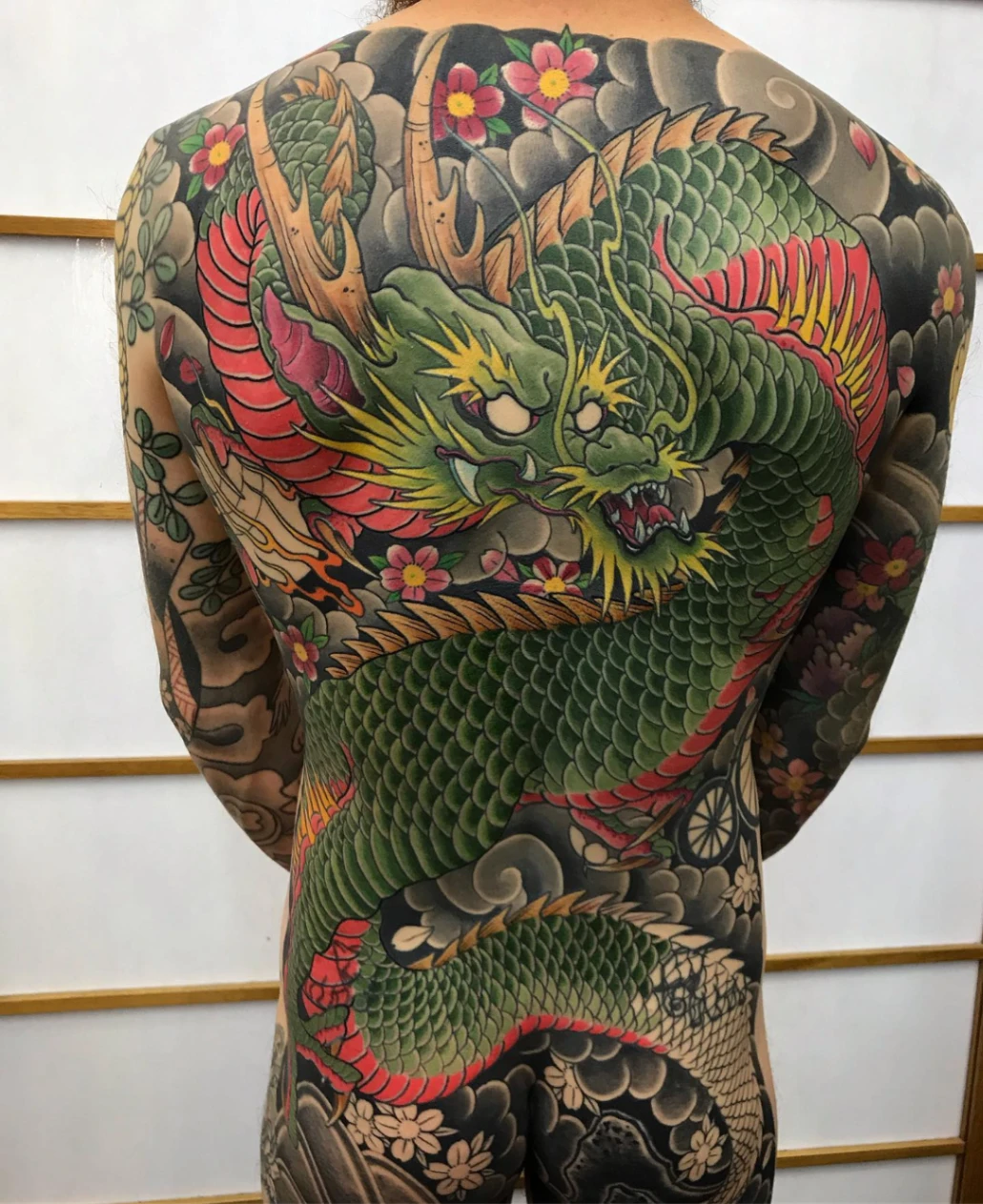
Tattoo Insurance Australia 2026: Coverage, Costs and What Clients Should Ask
Public liability, product liability and blood-borne cover for Australian tattoo studios in 2026. Costs, exclusions and what clients should ask before booking.
Read More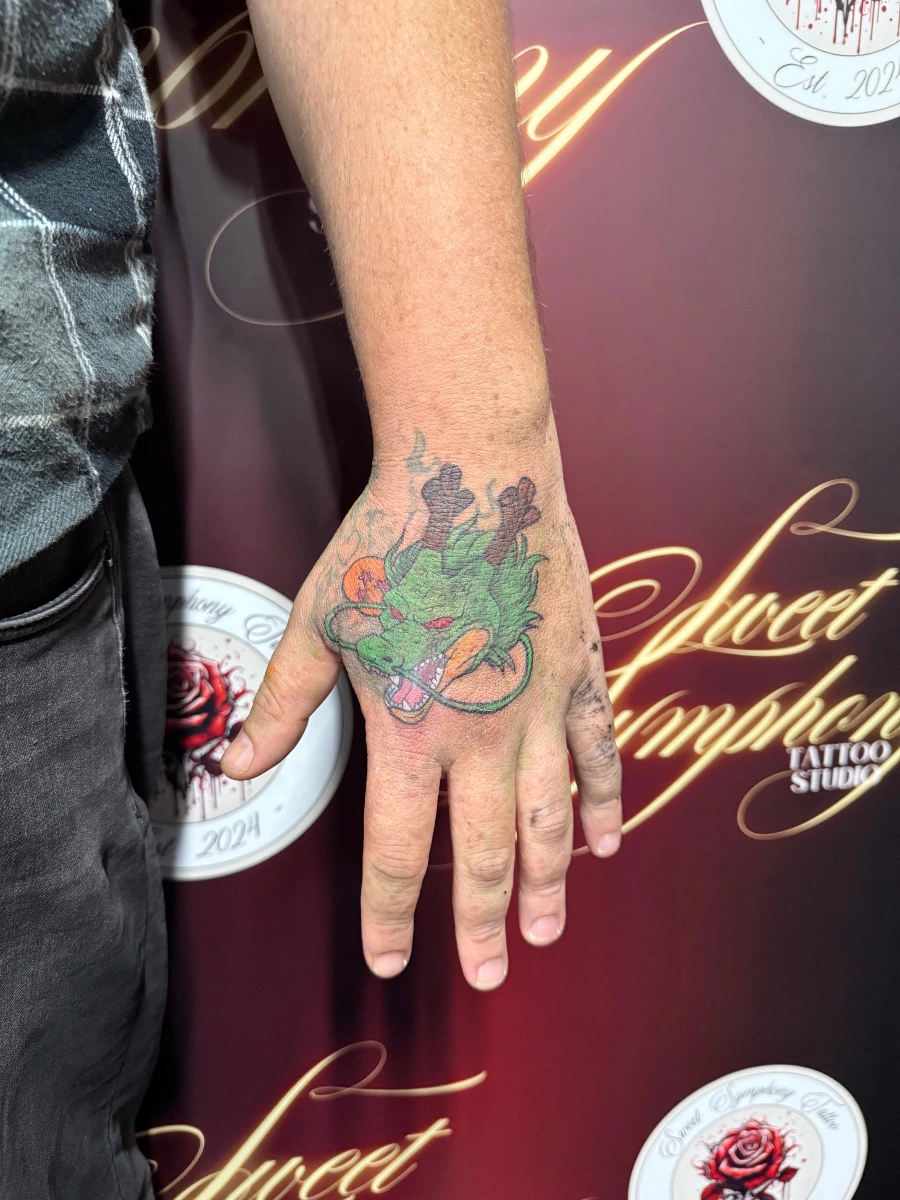
Finger Tattoos Australia 2026: Complete Guide to Designs, Fading and Cost
Finger tattoo guide for Australia in 2026. Designs, pain, fading truths, healing tips, ring tattoos and price bands. What to book and what to skip.
Read More