White Ink Tattoos 2026: Complete Guide for Australian Clients
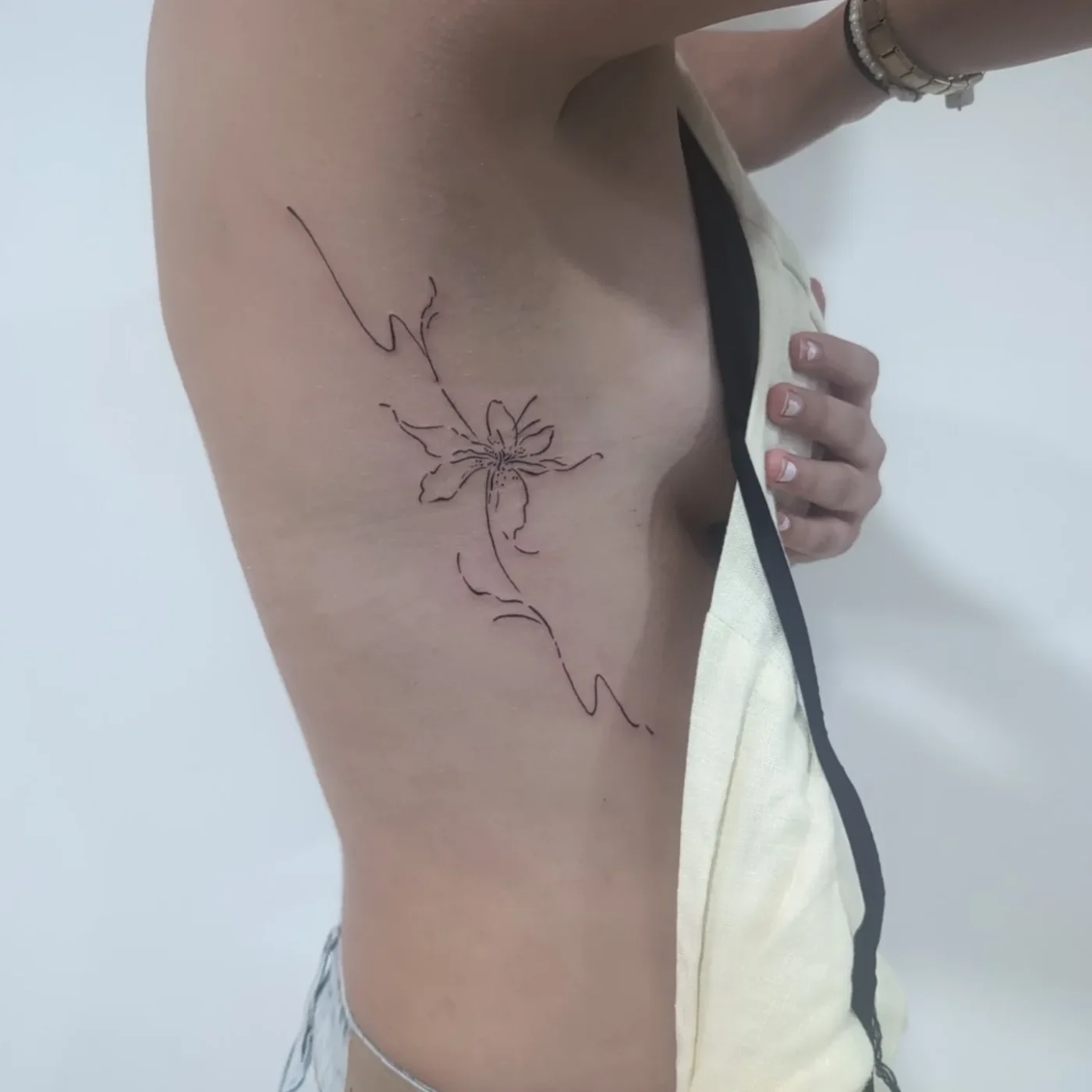
Priya had spent six months collecting Pinterest images of white ink tattoos. Ghostly mandalas on pale wrists. Subtle botanicals appearing and disappearing depending on the light. Lace-like patterns that looked more like a raised scar than traditional tattoo work. She arrived at her consultation in Sydney with forty-seven saved photos and a very specific vision. Her artist looked at the images, then at her skin, which was a warm light-brown Fitzpatrick type III, and sat down to have an honest conversation she had not been prepared for.
The conversation that followed was not the creative collaboration she had imagined. It was, instead, a careful and kind dismantling of the gap between what white ink looks like in a curated online image taken on freshly healed pale skin in perfect lighting, and what it actually looks like six months later on most skin tones in ordinary conditions. The photographs, her artist explained, were a best-case scenario. The reality of white ink on her particular skin tone would be subtler, shorter-lived, and quite different from anything she had pinned.
This is the central challenge of white ink tattoos. They are genuinely beautiful in the right circumstances and genuinely disappointing in the wrong ones. Understanding which situation applies to you before you book a session is the most important thing this guide can give you.

Key Takeaways
- White ink fades significantly: Most pure white tattoos lose contrast and definition within 1 to 3 years. What begins as crisp white will typically age to a faint raised line, a creamy off-white tone, or in some cases an imperceptible mark.
- Skin tone compatibility is critical: White ink shows most clearly on Fitzpatrick types I and II. On medium and darker skin tones, the pigment merges with the skin's natural melanin, producing results that look quite different from online photographs.
- UV and blacklight tattoos are a separate category: UV-reactive ink is invisible in daylight and glows under UV light. It requires a specialist artist and carries different safety and longevity considerations from standard white ink work.
- White as a highlight in colour work is the best use case: White ink used to add sparkle, dimension, or fine highlights within a coloured piece performs significantly better over time than white used as the sole pigment.
- Sun protection is non-negotiable: Australian UV levels destroy white ink faster than almost any other environmental factor. SPF50+ sunscreen must become a permanent habit over a white ink tattoo.
- Specialists charge more and that is justified: White ink work requires a different technique, deeper pigment saturation, and more experience to execute well. Discount pricing is a warning sign rather than a bargain.
- Touch-ups are part of the process: White ink tattoos require more frequent refreshing than black work. Factor the ongoing cost of touch-ups into your total budget before you book the original session.
- The Pinterest version is not the long-term version: Portfolio photographs of white ink are taken on freshly healed skin under optimised conditions. Ask to see healed work from the same artist before making your decision.
What Are White Ink Tattoos?
White ink tattoos use white pigment as the primary or sole tattooing medium, rather than the black or coloured inks used in traditional tattooing. The technique exists on a spectrum from delicate full-white designs on pale skin, where the result can appear almost like a raised engraving, to white highlights added within a larger coloured composition, to UV-reactive formulations that are invisible in ordinary light but luminescent under a blacklight source.
Pure white tattoos are the most photographically dramatic and the most problematic in terms of long-term outcomes. They require a very specific combination of client skin tone, artist technique, ink quality, and aftercare discipline to maintain their intended appearance beyond the first year or two. On the right skin, by the right artist, they can be genuinely extraordinary. On less suitable skin or with less experienced execution, the results frequently disappoint.
White ink used as a highlight element within coloured work is a different proposition entirely. This application is where white ink genuinely earns its place in a tattoo artist's toolkit. Adding bright white accents to an eye, catching light on a floral petal, or creating the illusion of shimmer in a watercolour-style piece are all applications where white pigment performs with greater reliability and longevity than its use as the primary medium.
Scar-style or white tattoos on raised healed skin are another subcategory occasionally seen in the industry. These use the tattoo process to create the appearance of a scar or brand mark and sit outside the mainstream of white ink tattooing both aesthetically and ethically. Any reputable artist will have a thorough conversation about the implications before agreeing to this style.
Types of White Ink Work
| Type | Description | Best Skin Tones | Longevity | Cost Range |
|---|---|---|---|---|
| Pure white standalone tattoo | Design executed entirely in white pigment with no black outline or coloured fill | Fitzpatrick I and II only | 1 to 3 years before significant fading | $200 to $600 for small pieces |
| White highlights in colour work | White accents added to a coloured tattoo to create sparkle, dimension, or reflected light effects | All skin tones | Moderate; will fade faster than surrounding black pigment | Included in overall colour piece pricing |
| White ink over black (whiteover) | White pigment applied over healed black tattooing to lighten or modify existing work | Fitzpatrick I and II; results unpredictable on others | Short; grey or yellow cast appears within months on most skin | $150 to $400 for small areas |
| UV and blacklight tattoo | UV-reactive ink invisible under normal light, luminescent under UV/blacklight source | All skin tones, though daytime appearance varies | 2 to 5 years of UV reactivity; safety data still limited | $300 to $800 per session for UV element |
The Reality of White Ink Longevity
Honesty about white ink longevity is the most important service any artist or guide can provide to a prospective client. The photographs that drive white ink's popularity online are almost always taken in the days immediately following healing, under carefully managed lighting conditions, and shared by artists whose clients have the skin tones that show white pigment most clearly. They represent the best possible outcome at the best possible moment. They are not representative of what the same tattoo will look like two years later.
White pigment fades for several reasons that are intrinsic to the medium. The particles that make up white ink, typically titanium dioxide, are larger than black ink particles and sit differently within the dermis. They are also more susceptible to the body's immune response, which works continuously to break down and remove foreign particles from skin tissue. This biological process is the reason why all tattoos fade over time, but it affects white pigment more aggressively than black ink because white particles are processed differently.
Sun exposure is by far the most damaging environmental factor for white ink in Australia. The country's UV index is consistently among the highest in the world, and UV radiation accelerates the breakdown of white pigment dramatically. A white tattoo on an arm that sees significant sun exposure will begin to lose definition within the first Australian summer. This is not a flaw in the technique; it is a predictable consequence of applying a UV-sensitive medium to skin in a high-UV environment without rigorous sun protection.
The yellowing or greying of white tattoos is a well-documented phenomenon. As white pigment ages and the body gradually encapsulates or breaks it down, the remaining visible ink often takes on a yellowish or greyish cast rather than remaining crisp white. This is particularly visible on pale skin where the contrast with the surrounding skin is sharpest. On medium and darker skin tones, the effect is often less noticeable simply because the contrast differential was never as stark to begin with.
Ink brand and quality have a meaningful effect on white tattoo longevity. Premium white inks from established, reputable manufacturers perform significantly better than cheaper alternatives. An artist who uses high-quality inks and applies them correctly will produce white work that holds better over time than an artist working with inferior materials. This is one reason why seeking out a genuine specialist for white ink work is so important.
White Ink and Skin Tones
Skin tone compatibility is the single most important factor in determining whether a white ink tattoo will deliver the results a client envisions. The relationship between white pigment and the melanin present in skin determines how much contrast exists between the tattoo and the surrounding tissue, which in turn determines how visible the work is and how closely it resembles the crisp white imagery typical of online portfolios.
On Fitzpatrick type I and type II skin tones, which range from very fair to light with minimal melanin, white pigment has the most contrast and the greatest chance of appearing as clearly visible white. Fresh white ink on this skin tone can genuinely look like the Pinterest images that inspired the decision. Longevity is still limited by the factors discussed above, but the initial result can be striking.
On Fitzpatrick type III and IV skin tones, which encompass light-olive to medium-brown complexions, white ink blends increasingly with the skin's own pigment. The result is rarely a clean white appearance. Instead, the tattoo may look like a subtle raised marking, a slightly different shade to the surrounding skin, or a barely perceptible design depending on the light. Some clients find this effect beautiful in its subtlety; others find it a significant disappointment relative to their expectations. An honest conversation with an experienced artist before booking is essential.
On Fitzpatrick type V and VI skin tones, which represent medium-dark to very dark skin tones, white ink typically disappears into the skin within months. The pigment simply does not provide sufficient contrast against the high melanin concentration in deeper skin layers. Artists who specialise in darker skin tones and white ink work may recommend UV tattooing or white highlights within a bolder black composition as alternatives that will deliver visible and lasting results.
Skin Tone Compatibility Guide
| Fitzpatrick Type | Description | White Ink Appearance | Recommended Approach |
|---|---|---|---|
| Type I (Very fair) | Pale, always burns, never tans | Best contrast; closest to portfolio images when fresh | Suitable for standalone white work with strict sun protection |
| Type II (Fair) | Light skin, burns easily, tans minimally | Good initial contrast; will fade more noticeably than type I | Suitable with realistic expectations about longevity |
| Type III (Light-medium) | Light olive, tans gradually, burns sometimes | Reduced contrast; subtle rather than bold appearance | Discuss thoroughly with artist; consider white highlights within colour work |
| Type IV (Medium-olive) | Olive to light-brown, rarely burns, tans well | Low contrast; appears as a raised tonal variation rather than white | Better suited to UV work or white as an accent element within black work |
| Type V (Medium-dark) | Brown, tans easily, rarely burns | Very low contrast; disappears into skin within months in most cases | UV tattooing or consultation with a specialist in darker skin tattooing recommended |
| Type VI (Dark to very dark) | Deep brown or black skin | Effectively invisible once healed in most cases | UV tattooing, scarification effects, or bold blackwork are better alternatives |
UV and Blacklight Tattoos
UV tattoos, also called blacklight tattoos, use a separate category of ink formulation that contains compounds reactive to ultraviolet light. Under normal daylight or indoor lighting, a UV-only tattoo is essentially invisible on the skin. Under a UV blacklight source, the tattoo glows in shades ranging from white to blue-green to yellow-green depending on the specific ink formulation used. The effect is genuinely remarkable in the right environment and has understandable appeal for clients who want a tattoo they can choose to reveal or conceal.
In Australia, UV tattooing remains a specialist area with a relatively small number of artists experienced in working with UV-reactive inks. The technique requires a different application approach than standard white ink, with careful attention to saturation and needle depth to ensure the reactive compounds are placed consistently within the dermal layer. Artists who attempt UV work without appropriate experience frequently produce patchy, inconsistent results where some areas fluoresce more strongly than others.
The safety profile of UV tattoo inks has been a subject of ongoing discussion in the tattoo industry. Some UV ink formulations used in earlier years contained compounds that proved problematic for certain individuals, including reported cases of sensitisation and allergic response. Modern UV inks from reputable manufacturers have improved considerably, but the long-term safety data for UV reactive compounds is not as extensive as for standard black tattoo inks. Any client considering UV work should research the specific ink brands their artist uses and discuss any known sensitivities or skin conditions thoroughly before proceeding.
UV tattoos are frequently combined with standard visible black ink in the same design. The visible elements provide structure and longevity while the UV elements add a hidden dimension. This combination approach tends to produce the most satisfying long-term results for clients who want the UV effect without depending entirely on it for the tattoo's visible appearance.
White Ink as Highlights in Colour Work
If there is a single application of white ink that consistently earns its place in tattoo design without the limitations that make standalone white work problematic, it is the use of white as a highlight accent within a broader coloured piece. This is where white ink genuinely performs, and it is the recommendation most experienced artists will make when a client arrives wanting the white ink look without the associated longevity compromises.
In a botanical composition, white ink creates the impression of morning dew on petals. In a portrait, it catches the light in an eye and gives it life. In a geometric design, it provides the illusion of depth and dimension by simulating how light falls on a three-dimensional form. In each of these applications, the white is not carrying the entire visual load of the design. It is doing a specific, limited job, and it does that job very well even as it fades to a slightly softer tone over the years.
The key difference in performance between white highlights and standalone white tattoos is that the highlights do not need to remain stark white to serve their function. A slightly softer off-white accent within a colour piece still reads as a highlight, still contributes to the design's dimensionality, and still justifies its inclusion. A standalone white tattoo that softens from white to off-white to cream has typically lost the primary quality that made the client want it in the first place.
If you are drawn to the aesthetic of white ink but have any concerns about your skin tone's compatibility or your commitment to the intensive sun protection regime required, white highlights within a colour composition are by far the most satisfying long-term compromise.
White Ink Over Healed Tattoos
Applying white ink over an existing healed tattoo, sometimes called a "white over" or "white wash", is an occasionally requested technique with limited and unpredictable outcomes. Clients sometimes request it as a way to soften or modify existing black work without laser removal, imagining that white pigment placed on top of dark ink will lighten the appearance of the design.
The reality is that white ink over healed black tattooing rarely looks white. The dark pigment beneath the skin surface absorbs the incoming white particles, and the interaction of the two pigments tends to produce a grey or muddy tone rather than anything approaching a clean white overlay. On very fair skin tones, the effect may be a slightly lighter version of the original work. On any other skin tone, the improvement is typically negligible and the result unpredictable.
Experienced artists will generally advise against white over healed dark tattoos as a primary strategy for modification. Where the technique can serve a genuine purpose is as part of a larger coverup or rework design, where the white plays a specific structural role rather than being expected to mask or obliterate what is underneath it.
Costs and Finding White Ink Specialists in Australia
White ink tattooing by a genuine specialist carries a price premium over standard black work of equivalent size and complexity, and that premium is justified by the additional skill, technique, and quality of materials required to produce results that have any chance of lasting well.
The additional expertise required is not trivial. White ink must be applied with greater precision of needle depth than black ink to achieve consistent saturation in the dermal layer. It requires multiple passes in many cases to build up enough pigment density. The artist must also have a thorough understanding of how the ink will interact with the specific client's skin tone, which comes from experience with a wide range of skin types and an honest willingness to have difficult conversations when the outcome is likely to disappoint.
In Australian cities, genuine white ink specialists are found most reliably in Melbourne, Sydney, and Brisbane. When reviewing an artist's portfolio for white ink competence, always look for healed work rather than fresh work. A portfolio consisting entirely of images taken immediately after healing tells you very little about the artist's ability to produce white work that holds over time. An artist who can show you healed white ink results from the same client, taken twelve to eighteen months after the session, is demonstrating a very different level of skill and honesty.
White Ink Costs by Style
| Style | Typical Price (AUD) | Session Length | Touch-up Frequency |
|---|---|---|---|
| Small standalone white design (palm-sized) | $200 to $400 | 1 to 2 hours | Every 1 to 2 years depending on sun exposure |
| Medium standalone white design (forearm coverage) | $400 to $700 | 2 to 4 hours | Every 1.5 to 2.5 years |
| White highlights within a colour piece | Included in full piece pricing; add $50 to $150 for highlight session | 30 to 60 minutes for highlights alone | Every 2 to 4 years |
| UV blacklight tattoo (UV element only) | $300 to $800 | 2 to 3 hours | Every 3 to 5 years; UV reactivity fades separately to appearance |
| UV combined with black visible design | $500 to $1,200 | 3 to 5 hours | UV element every 3 to 5 years; black element standard touch-up schedule |
Aftercare for White Ink Tattoos
The aftercare requirements for white ink tattoos are fundamentally similar to those for any tattoo in the immediate healing period. Clean the area gently twice daily, apply a light unscented moisturiser, avoid submerging the tattoo in water while it heals, and do not pick at any flaking skin. These standard protocols apply equally to white ink work.
Where white ink aftercare diverges significantly from standard aftercare is in the ongoing maintenance period that extends well beyond the initial healing. Sun protection is not optional for white ink tattoos; it is a permanent commitment that will determine how long the tattoo retains any resemblance to its original appearance. SPF50+ broad-spectrum sunscreen should be applied to any white ink tattoo whenever it will be exposed to daylight, and this means every single day of an Australian summer on any exposed placement.
Chlorine and prolonged salt water immersion are damaging to white pigment. Regular swimmers who want white ink tattoos should accept that frequent pool exposure will accelerate fading considerably. This does not mean you cannot swim, but it does mean you should factor the accelerated touch-up schedule into your planning.
The choice of moisturiser matters more for white ink tattoos than for black work. Highly fragranced products, those containing alcohol, and certain essential oil-based formulations can irritate the skin in ways that subtly affect how white pigment sits and heals. Plain, unscented moisturisers recommended by your artist are the safest long-term choice.
What to Ask Before Booking
The quality of the pre-booking conversation with a white ink specialist will tell you more about whether to proceed than any amount of online research. An artist who engages honestly with the limitations of the technique, asks careful questions about your skin tone and lifestyle, and is willing to advise against their own booking if the outcome is likely to disappoint, is exactly the kind of specialist you want working on your skin.
Ask specifically to see healed examples of white ink work the artist has completed on skin tones similar to your own. Any artist worth their rate will have this documentation. If a portfolio consists only of fresh work or work on very pale skin when your skin tone is different, treat this as important information.
Ask about the specific ink brands the artist uses. Reputable specialists use inks from established manufacturers with known quality profiles. An artist who cannot name the ink brands they work with, or who cannot explain why they have chosen those brands, may not be approaching the technical side of white ink work with the rigour it requires.
Ask what the touch-up policy looks like. Many specialists include one complimentary touch-up in the original price of a white ink piece, because they know the medium will settle and adjust as it heals. This is a sign of professional confidence in their work and an honest acknowledgement of the medium's inherent character.
White ink tattooing is a genuine specialist technique with inherent limitations that distinguish it from every other form of tattooing. The most satisfying white ink experiences belong to clients who arrive having understood those limitations, chosen their artist for demonstrated expertise rather than competitive pricing, and committed to the ongoing sun protection discipline that the Australian climate demands. When all of those elements align, white ink can produce something genuinely unlike any other tattoo style.
Red Flags When Booking White Ink
An artist who guarantees that white ink will remain bright and vivid for many years is either inexperienced with the medium or not being honest with you. No legitimate white ink specialist makes guarantees about longevity because the factors that determine how long white pigment holds are partly outside any artist's control. The best any honest artist can do is use quality materials, apply them skillfully, and give you realistic expectations.
Artists who offer white ink at significantly below-market rates are a warning sign. Quality white ink from reputable manufacturers costs more than standard black ink. The technique requires more time, more passes, and more experience to execute competently. An artist offering white ink at the same rate as a simple black outline of similar size is unlikely to be using quality materials or investing the necessary time.
An artist who does not ask about your skin tone, your lifestyle, your sun exposure habits, or your healing history before agreeing to a white ink booking has not done their professional due diligence. These factors are genuinely important to outcomes, and an artist who skips this conversation is not approaching white ink with the seriousness the technique requires.
Frequently Asked Questions
How long does white ink last?
A realistic lifespan for a standalone white tattoo before significant visible fading is 1 to 3 years, depending heavily on placement, sun exposure, skin tone, ink quality, and artist technique. With strict sun protection and periodic touch-ups, some clients maintain visible white ink work for considerably longer, but this requires genuine ongoing commitment. White ink highlights within a colour piece tend to last longer because they are not carrying the full visual load of the design.
Will white ink turn yellow?
Yes, yellowing is a documented and common outcome for white tattoos as they age. The titanium dioxide particles in white ink can oxidise over time and in response to UV exposure, shifting the apparent colour towards cream, off-white, or a warm yellow tone. The speed of this process varies between individuals and is significantly accelerated by sun exposure without protection. Quality ink from reputable manufacturers yellows more slowly than cheaper alternatives.
Can I get white ink on dark skin?
On Fitzpatrick type V and VI skin tones, standard white ink typically has insufficient contrast against the skin's own melanin concentration to produce visible results that last. UV tattoo ink, which reacts to blacklight rather than relying on daytime contrast, is generally a better option for darker skin tones wanting an "invisible" tattoo effect. A specialist consultation with an artist experienced in darker skin tattooing is strongly recommended before proceeding.
What is UV tattoo ink and is it safe?
UV tattoo ink contains compounds that are reactive to ultraviolet light, making the tattoo glow under a blacklight source while remaining invisible or very subtle in daylight. The safety profile of UV inks has improved significantly as the industry has moved away from early-generation formulations. Modern UV inks from reputable manufacturers have a reasonable safety record, but long-term data is less extensive than for traditional black inks. Discuss the specific ink brand with your artist and disclose any known sensitivities before proceeding.
How much more does white ink cost than a standard tattoo?
Expect white ink specialist work to carry a premium of roughly 20 to 40 per cent over an equivalent standard tattoo, reflecting the specialist materials, additional technique, and expertise required. Some studios charge a flat premium for white ink sessions; others price based on the additional time required for multiple saturation passes. Always confirm the full pricing structure, including touch-up policy, before booking.
Can white ink be refreshed after it fades?
Yes, white ink tattoos can be touched up periodically to restore some of their original appearance. Touch-ups involve reworking the existing design with fresh white pigment applied over the faded area. The results of touch-ups are generally good, though repeated reworking of skin tissue over many years does have cumulative effects. Most white ink clients on sun-exposed placements should anticipate touch-up sessions every one to three years as part of the ongoing cost of maintaining the work.
Does white ink hurt more than black ink?
White ink tattooing often requires more passes over the same skin area to achieve adequate pigment saturation, because white ink particles do not deposit with the same efficiency as black ink. This means more time under the needle in the same area, which can feel more uncomfortable than a single pass. The pain level varies between individuals and placements as it always does, but clients who have had black tattoos previously often report that white ink sessions in the same area feel more intensive.
What is the best placement for white ink?
Areas that are least exposed to direct sunlight give white ink the best chance of maintaining its appearance over time. Inner wrists, inner arms, the side of the ribcage, the upper back, and areas typically covered by clothing all benefit from reduced UV exposure. Areas with high friction from clothing or frequent water exposure, such as ankles, hands, and feet, tend to accelerate fading and are generally not recommended for standalone white ink work.
Explore More
Find Tattoo Shops
Browse by Style
Stay Updated with the Latest Insights!
Get the latest news and updates delivered to your inbox.
Related Articles
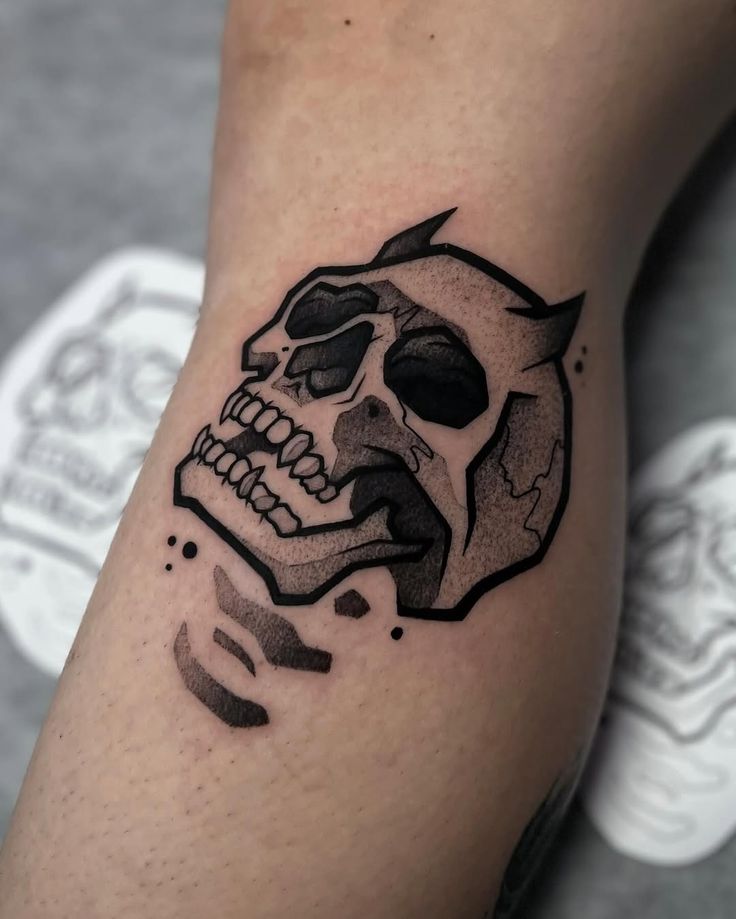
Blackwork Tattoo Guide Australia: Bold Dark Art & Pricing 2025
Complete guide to blackwork tattoos in Australia: bold black ink designs, sacred geometry, dotwork, pricing ($250-$600+), and stunning dark art inspiration.
Read More
Tattoo Price Guide
Tattoo price guide for Australia 2026. Hourly rates, by-style and by-size pricing, city comparison, hidden costs, and how to budget.
Read More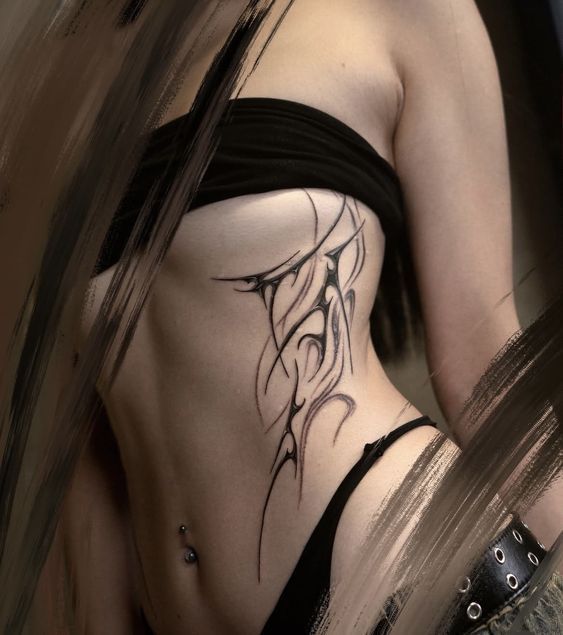
Tribal Tattoo Guide Australia: Cultural Heritage & Modern Styles 2025
Tribal tattoo guide for Australia 2026. Polynesian and Maori traditions, modern blackwork, cultural sensitivity, pricing and finding artists.
Read More