Colour Theory for Tattoos: The Complete Australian Guide 2026
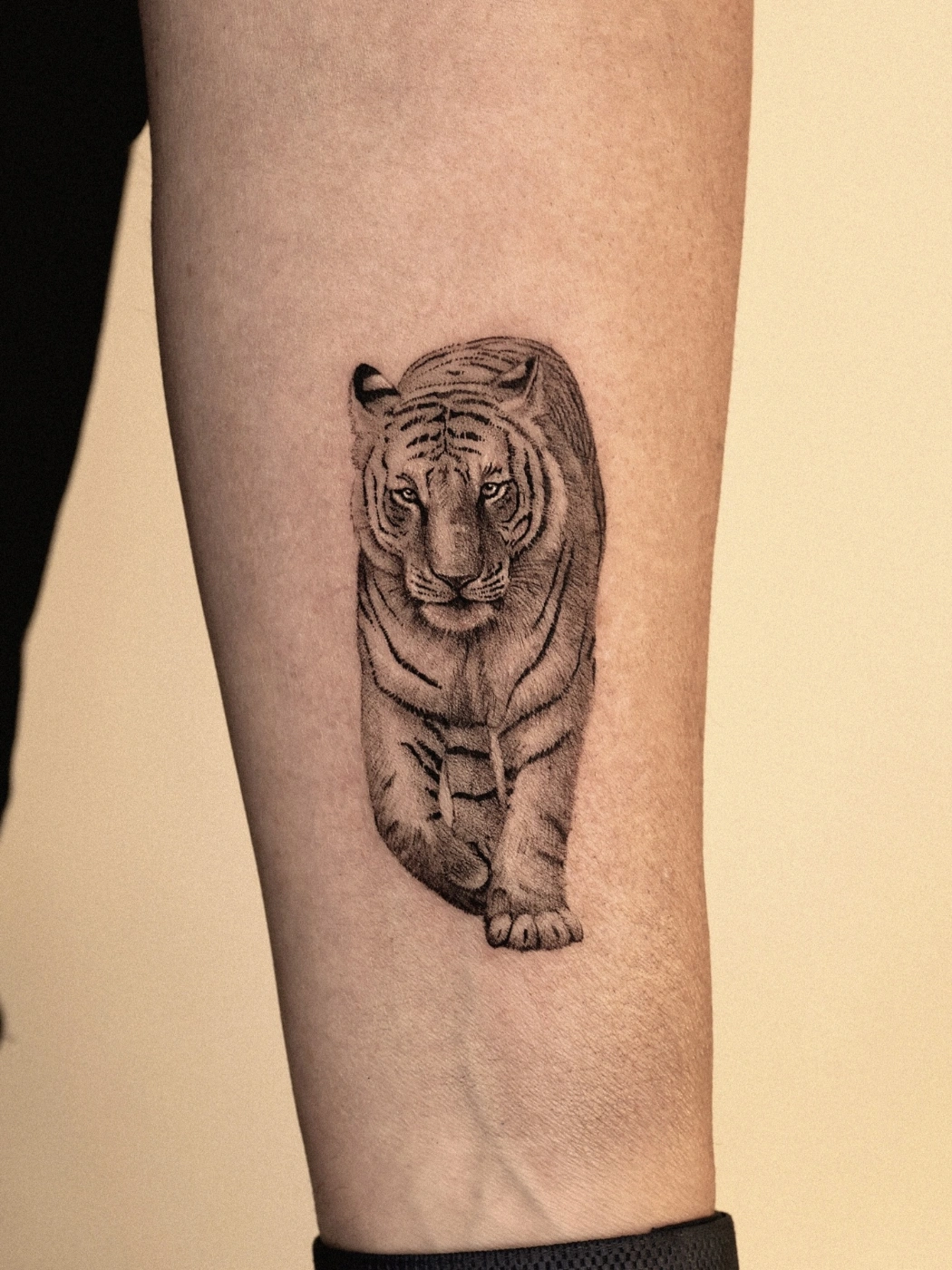
Sarah had been planning her sleeve for two years. She had reference images saved, a deposit down, and a talented artist booked at a well-regarded Sydney studio. What she had not planned for was the moment her artist held a colour swatch to her forearm and said: "That yellow is going to disappear on your skin within a year." Understanding how colour works in tattooing is the difference between a piece that stays vibrant for a decade and one that turns muddy before its first birthday.
Colour theory is taught in art schools as the study of light and pigment on canvas. Tattoo colour theory is something else entirely: the skin is a living canvas that filters, absorbs, and alters every pigment placed into it. Factor in the brutal reality of the Australian sun, the way different skin tones process the same ink in completely different ways, and the natural ageing of pigment molecules over years, and you have a subject that demands specific literacy.

Key Takeaways
- Tattoo inks behave as pigments: subtractive colour mixing rules apply when inks are layered in skin.
- Skin tone changes how colours read. Pale skin shows vivid hues; deeper skin tones suit rich, saturated colours over pastels.
- Yellow, pink, and orange fade fastest. Black, grey, and navy last longest in skin.
- Australia's high UV index accelerates tattoo fading far faster than in lower-UV countries. SPF 50+ year-round is essential.
- Colour harmony schemes give your artist a framework for balanced, cohesive pieces.
- Always ask for healed photos on skin tones similar to yours, not just fresh tattoo images.
- Colour psychology reinforces or undermines meaning: the same design in different hues sends different signals.
- Touch-ups every three to five years are normal for colour tattoos.
How the Colour Wheel Applies to Tattooing
The colour wheel divides the visible spectrum into primary colours (red, yellow, blue), secondary colours (orange, green, violet), and tertiary blends of adjacent hues. The critical distinction for tattooing: inks are pigment-based, not light-based, so subtractive colour mixing rules apply. When two pigments are layered in skin, they absorb different wavelengths and reflect only what remains. Layer red over yellow and the skin reads orange; layer blue over yellow and it reads green. Experienced artists use this deliberately to build gradients and depth that flat single-colour application cannot achieve.
Saturation, Value and the Role of Black
Saturation describes how vivid a colour is; value describes how light or dark it is. High-value (light) colours such as pastels fade quickly under Australian UV, while low-value (dark) colours anchor deeper in the dermis and survive for years with minimal touch-up. A well-constructed colour tattoo spans the full range: dark shadows for weight, midtones for the colour story, and highlights for dimension.
Warm vs Cool Colour Palettes in Tattoos
Warm Palettes: Reds, Oranges and Yellows
Warm colours occupy one half of the colour wheel: reds, oranges, yellows, and earthy tones. Reds are workhorses in tattooing, dense and visually dominant even on deeper skin tones. Yellow is one of the fastest-fading pigments available; without diligent sun protection, a vivid yellow can shift to washed-out cream within two to four years under Australian conditions. Shifting from bright yellow toward golden ochre preserves the feel of a warm palette without sacrificing its lifespan.
Cool Palettes: Blues, Greens and Purples
Blue is one of the most stable pigments in tattooing: navy and cobalt anchor well in the dermis and resist UV degradation better than most warm tones. Deep forest greens age gracefully, while lime and bright emerald shades lose vibrancy faster. Purples present a specific challenge because the red component fades before the blue, causing the colour to shift over time; view healed examples of any artist's purple work before booking.
How Skin Tone Changes Colour
Skin tone is one of the most underestimated factors in colour tattooing. The skin is a translucent surface with its own underlying hues, and every tattoo colour is viewed through that filter. A vivid turquoise that pops on pale skin may read as muted teal on olive skin, and barely register on deep brown skin. Dermatologist Thomas Fitzpatrick's six-point scale is the standard reference for artists discussing colour performance with clients, and every person's undertones add another layer to how pigments will read in their skin.
| Fitzpatrick Type | Skin Description | How Colours Appear | Best Performing Colours | Colours to Use with Care |
|---|---|---|---|---|
| Type I | Very pale. Always burns, never tans. | Maximum vibrancy. Closest to true pigment. | All colours. Pastels and white highlights viable. | Yellow and white fade quickly. Reds shift pink over time. |
| Type II | Light. Usually burns, rarely tans. | Excellent vibrancy. Slight warm cast softens cool pastels. | Blues, purples, greens, reds. Most palettes work. | Pastel yellows and light pinks fade to near-invisible. |
| Type III | Medium. Sometimes burns, gradually tans. | Warm undertones soften cool hues. Vibrancy generally strong. | Warm reds, dark blues, deep greens. Earth tones excellent. | Light yellows, white ink, very pale pastels disappear quickly. |
| Type IV | Olive. Rarely burns, tans easily. | Warm undertone shifts cool colours. Rich depth favoured. | Deep reds, forest green, cobalt blue, warm ochres. | Pastels, light pink, yellow, white. Often disappear or read grey. |
| Type V | Brown. Very rarely burns, tans deeply. | Lighter pigments filtered. Dense, saturated ink needed for contrast. | Deep cobalt, forest green, crimson. Black and grey anchor well. | Yellow, pink, all pastels, white. Often invisible within a year. |
| Type VI | Deep. Never burns. Very high melanin. | Only darkest, most saturated pigments remain visible. | Black, deep red, dark navy. Bold specialists achieve strong results. | All pastels, yellows, pinks, greens, purples unless proven on Type VI. |

Browse watercolour tattoo ideas to see how different pigments perform across skin types in real Australian examples.
How Tattoo Colours Age Over Time
The Science of Pigment Degradation
Every tattoo heals around trapped pigment particles. UV radiation from sunlight breaks down pigment molecules through photodegradation: UV photons cause chemical bonds to break apart, altering the colour's structure. This is why a red tattoo eventually fades to washed-out pink. Carbon black is chemically stable and resists photodegradation in a way organic dyes cannot, which explains why black outlasts every other colour by a significant margin.
Australian Sun and Accelerated Fading
Australia has one of the highest UV indices in the world, with UV levels of 12 and above common in summer and damaging winter UV in cities like Brisbane and Perth. A colour tattoo that retains vibrancy for eight years in northern Europe may show visible fading within three to four years in Queensland or Western Australia without consistent sun protection. The table below compares pigment colours for fade speed under typical Australian UV conditions.
| Pigment Colour | Fade Speed | Years to Noticeable Fade | UV Sensitivity | Best Strategy for Longevity |
|---|---|---|---|---|
| Yellow | Very fast | 1-3 years | Extremely high | Use golden ochre instead. Touch-ups essential. Diligent SPF 50+. |
| Pink | Very fast | 1-3 years | Very high | Deepen to crimson or magenta for better retention. |
| Orange | Fast | 2-4 years | High | Shift toward burnt orange or terracotta for longer life. |
| Red | Fast | 3-5 years | High | Choose high-density pigments. Plan a touch-up around year three. |
| Purple | Moderate to fast | 3-5 years | Moderate to high | Layered application reduces colour shift risk as red component fades. |
| Green | Moderate | 4-7 years | Moderate | Deep forest greens outlast lime shades. SPF helps mid-tones. |
| Blue | Slow | 6-10 years | Low to moderate | One of the best choices for longevity. Navy and cobalt most stable. |
| Grey | Slow | 8-15 years | Low | Diluted black. Maintains integrity longer than most colour pigments. |
| Black | Very slow | 10-20 years | Very low | Carbon black is chemically stable. The most durable pigment in tattooing. |
Colour Harmony Schemes for Tattoo Design
Colour harmony refers to how colours are combined to create a visually pleasing and coherent composition. Analogous schemes expand most gracefully across a body collection; complementary schemes create strong focal points but require careful placement. Use our tattoo style quiz to identify the aesthetic direction that suits your personality before committing to a colour direction.
| Harmony Scheme | Description | Example Tattoo Palettes | When to Use |
|---|---|---|---|
| Complementary | Two colours directly opposite on the wheel. Maximum contrast. | Deep purple and golden yellow; cobalt blue and burnt orange; red and botanical green. | Bold designs. Traditional and neo-traditional styles. Strong focal-point emphasis. |
| Analogous | Three to five adjacent colours. Harmonious, flowing transitions. | Blue, teal, and green for coastal themes; red, orange, and yellow for fire effects. | Nature scenes, flowing sleeves, watercolour style, smooth colour transitions. |
| Triadic | Three colours equally spaced on the wheel. Vibrant and dynamic. | Red, yellow, and blue for traditional Japanese; orange, green, and violet for illustrative work. | Complex multi-element designs. Japanese traditional. Illustrative sleeves. |
| Split-Complementary | A base colour plus the two colours adjacent to its complement. | Blue with orange-yellow and red-orange; purple with chartreuse and yellow-green. | Designs needing drama without harshness. Illustrative and new school styles. |
| Monochromatic | One hue in multiple shades, tones, and tints. Sophisticated and cohesive. | Multiple shades of blue-green from teal to navy; deep red through to coral. | Elegant single-colour designs. Where contrast must be managed for the skin tone. |
How to Preserve Your Tattoo Colour
Sunscreen is Non-Negotiable in Australia
Apply SPF 50+ broad-spectrum sunscreen to every exposed tattoo before going outside, year-round. The UV index in cities like Darwin, Brisbane, and Perth regularly reaches damaging levels even in winter, and UV penetrates cloud cover. Reapply every two hours outdoors, and choose a mineral-based formula (zinc oxide or titanium dioxide) where possible: these physically block UV rather than absorbing it chemically, making them gentler for long-term daily use on tattooed skin.
Moisturising, Aftercare and Touch-Ups
Well-moisturised skin holds tattoo pigment more effectively than dry, cracked skin. Use a fragrance-free, non-comedogenic moisturiser daily and avoid retinoids, AHAs, and BHAs on tattooed areas, as these exfoliants cause faster fading. During the first two to four weeks of healing, keep the tattoo out of direct sun, out of pools and the ocean, and resist peeling any flaking skin. Most studios in Sydney and Melbourne offer complimentary touch-ups for colour that healed unevenly, and colour touch-ups every three to five years are typical for warm or highly saturated pigments.
Working With Your Artist on Colour Selection
Preparing for Your Consultation
Arrive with reference images showing healed results, not just fresh ink, and bring photos of any existing tattoos that have faded in a particular way: this gives your artist real data about how your skin processes pigment. If longevity matters most, say so clearly; your artist can steer toward more stable colour choices and design structures that age gracefully. Use our tattoo cost calculator to plan the financial side, including touch-up costs.
Reference Images and Realistic Expectations
The most common source of disappointment in colour tattooing is the gap between a reference image and the healed result. Social media references are almost always fresh tattoos photographed in ideal lighting on skin that may be entirely different from yours. Ask your prospective artist for healed photos on skin tones similar to yours, ask specifically how colours like yellow and pink hold up, and mention any history of skin reactions so patch testing for specific pigments can be considered.
Colour Psychology in Tattoo Meaning
Colour adds a layer of meaning over the imagery in a tattoo. A traditional rose in red communicates passion and memory; the same rose in black and grey reads as elegance and restraint; in cobalt blue, it becomes dreamlike and otherworldly. Understanding colour psychology ensures what you create aligns with what you want it to say.
Red and Orange: Energy, Passion and Vitality
Red is associated with love, passion, courage, and life force across most cultures. In Japanese tattooing, red in peonies and koi represents good fortune; in Western traditional tattooing, it is the heartbeat of the palette: bold, unambiguous, and immediate. Orange shares that energy with a more celebratory quality linked to creativity. Both require consistent sun protection to maintain vibrancy in the Australian climate.
Blue and Green: Calm, Growth and Stability
Blue carries associations of calm, loyalty, wisdom, and depth. Deep navy suggests authority and stability; lighter blues evoke freedom and open space. Green connects to growth, nature, and renewal. Both blue and dark green are among the most durable pigments available, meaning their symbolic qualities hold up alongside their physical longevity.
Purple and Yellow: Symbolism Versus Longevity
Purple carries associations with royalty, spirituality, and transformation, making it an intuitive choice for esoteric themes. Yellow represents optimism, joy, and in many Asian cultures, imperial power and good fortune. The shared challenge: yellow fades faster than almost any other pigment, and purple shifts over time as its components degrade at different rates. If either colour is central to your design's symbolism, commit to consistent sun protection and regular touch-ups to honour what the colour means to you.
Frequently Asked Questions
Do colour tattoos hurt more than black and grey?
Pain is primarily determined by location on the body, needle type, and individual pain threshold, not by ink colour. Colour work often requires more passes over the same area to achieve full saturation, which increases cumulative discomfort during longer sessions, so discuss session structure and breaks with your artist beforehand.
Can I get a colour tattoo if I have dark skin?
Yes, but the approach should be tailored to your skin tone. Fitzpatrick Types V and VI respond best to deeply saturated, high-contrast colours: bold work in deep reds, navy blues, and forest greens can look spectacular on dark skin. Choose an artist with a demonstrated portfolio of colour work on skin tones similar to yours and browse watercolour tattoo ideas for inspiration across skin tones.
How long does a colour tattoo take to heal?
Surface healing is broadly similar for colour and black-and-grey: two to four weeks for the skin to close. Colour tattoos often involve more passes over the same area, which can extend deep-tissue healing to three to six months. Assess the final settled appearance at the three-month mark, when all swelling has resolved and colours have reached their healed equilibrium.
Does white ink really fade that quickly?
Yes. White ink is one of the least stable pigments in tattooing. It sits in the upper dermis, is highly susceptible to UV degradation, and can shift to cream, yellow, or grey within one to two years; on deeper skin tones it may become invisible after healing entirely. White is most effective as a subtle highlight within a larger colour piece, not as the primary element of a standalone design.
What age restrictions apply to colour tattoos in Australia?
The colour or style of a tattoo does not affect age restriction regulations. In most Australian jurisdictions, tattooing anyone under 18 without parental consent is prohibited, with some states having stricter rules; see our guide to tattoo age restrictions across Australia for a full breakdown by state and territory.
How do I know whether a colour tattoo is right for me?
The right choice depends on your aesthetic preferences, skin tone, commitment to aftercare, and how you feel about long-term maintenance. If you love vivid designs and are prepared to protect your tattoo from the sun and schedule occasional touch-ups, colour tattooing offers richness that black and grey cannot match; if you prefer a lower-maintenance investment or have deeper skin tones, bold linework may suit you better. Take the tattoo style quiz to clarify which direction aligns with your taste.
Explore More
Find Tattoo Shops
Browse by Style
Stay Updated with the Latest Insights!
Get the latest news and updates delivered to your inbox.
Related Articles
Tattoo Ink Ingredients Australia 2026: What's in the Bottle
Tattoo ink ingredients in Australia 2026: pigments, carriers, TGA rules, vegan options, allergy profile, and trusted brands.
Read More
Colour vs Black and Grey Tattoos 2026: The Australian Decision Guide
Colour vs black and grey tattoos in Australia 2026. Longevity, cost, skin tone fit, aftercare, and hybrid options compared for real bookings.
Read More
Celtic Tattoo Guide Australia 2026: Knotwork, Symbols and Heritage
Australian 2026 Celtic tattoo guide: Trinity knot, Dara, Claddagh, Tree of Life meanings, best placements, blackwork artists, and pricing $150-$3,500 AUD.
Read More