Colour vs Black and Grey Tattoos 2026: The Australian Decision Guide
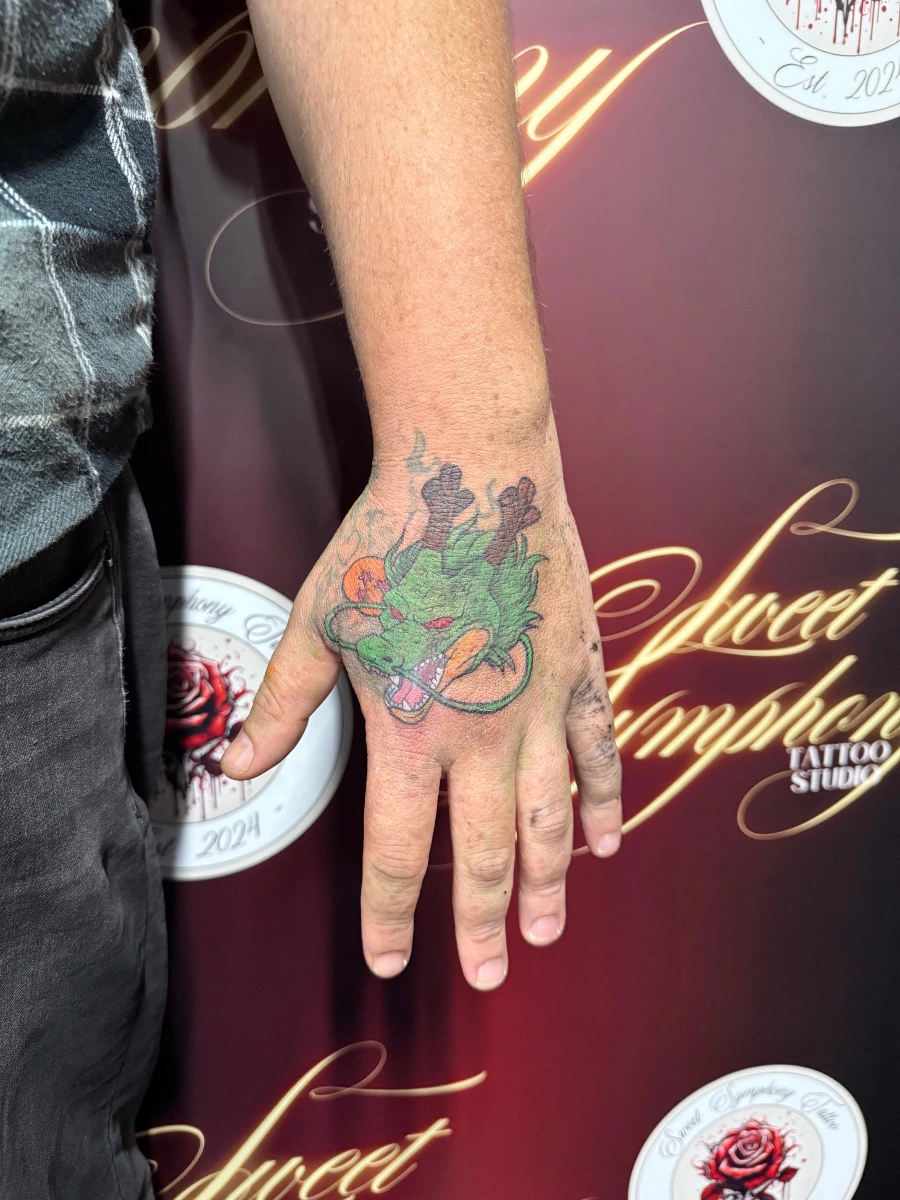
The moment you tell your artist "I want a rose", the next question follows in milliseconds. "Colour or black and grey?" It is the single most consequential decision you will make about your tattoo after the design itself. It affects longevity, cost, aftercare workload, how the piece reads on your skin tone, and how much you will spend keeping it looking sharp fifty years from now.
Australian collectors in 2026 are more split than ever, with roughly 55% of new bookings landing in black and grey and 45% in colour or mixed. Neither camp is wrong. But the trade-offs are real, and pretending they are not is why so many first-time colour tattoos end up in the touch-up chair by year seven. This guide breaks the decision down in Australian terms, with 2026 pricing, healed-skin realities, and honest advice from artists working across Sydney, Melbourne, Brisbane, Perth, and Adelaide.
Key Takeaways
- Longevity: Black and grey holds sharp for 30 to 40 years. Colour softens noticeably by year 10
- Cost: Black and grey $120 to $250/hour AUD. Full colour $150 to $350/hour AUD in 2026
- Skin tone: Black and grey reads on every tone. Pastels and yellows are invisible on darker skin
- Aftercare: Both need SPF 50+, but colour is much less forgiving of missed sun protection
- Touch-ups: Black and grey typically 1 to 2 in a lifetime. Colour typically every 10 to 15 years
- Style fit: Some styles demand colour (traditional, watercolour, new school). Others are colour-optional
- Hybrid: Bold black structure with strategic colour accents is the compromise most artists recommend
What Black and Grey Actually Means
"Black and grey" is one pigment, black tattoo ink, thinned with distilled water or white ink to create a range of tonal values. It is closer to charcoal drawing than to painting. Every shade you see on the skin is a dilution of black, which is the single most stable pigment molecule the tattoo industry uses.
Where black and grey excels
- Realism: Portraits, animals, and photorealistic subjects live and die on tonal control
- Religious and cultural work: Chicano, Byzantine iconography, sacred imagery all traditionally rendered in grey wash
- Classic aesthetic: Old-school sailor pieces, prison-style script, single-needle memorial work
- Dark skin tones: The contrast against skin creates crisp readability that colour rarely achieves
- Professional environments: The subtlety of grey wash reads as "sophisticated" in industries where colour reads as "loud"
The trade-offs
- Emotional range: A sunset, a peony, a Japanese koi, all lose the visceral punch that only colour provides
- Perceived flatness: A poorly-executed grey wash can read as muddy. This is a skill test for the artist, not the medium
- Style constraint: Traditional and new school tattoos are built around colour. Doing them in grey wash is a stylistic choice, not the norm
What Colour Tattooing Delivers
Full-colour tattooing draws from a palette of dozens of pigments across the visible spectrum. It is what makes a Sailor Jerry rose actually feel like a rose, what turns a Japanese full-back into a living tapestry, and what gives new school pieces their cartoon energy.
Where colour is the right call
- Style demands it: American traditional, neo-traditional, Japanese Irezumi, watercolour, new school
- Subject demands it: Sunsets, coral reefs, birds of paradise, fresh flowers
- Personal meaning: A birth flower in its actual colour, a national flag, a specific memory tied to a shade
- Bold visual impact: When you want the tattoo to be the first thing anyone notices
What you sign up for
- Faster fade: Coloured pigment molecules break down 2 to 3 times faster than black under UV
- Skin tone matters: On darker skin, pastel colours can be invisible from day one
- More sessions: Colour packing is slower than shading, adding 30 to 50% to session time
- Higher cost: More pigment, longer sessions, more skilled specialism, all show up on the invoice
- Aftercare intensity: Missing SPF for a month in Aussie summer can visibly damage a colour piece
In a nutshell: black and grey is a "set and forget" medium. Colour is a "care for me" medium. Neither is inherently better, but they demand different lifelong commitments.
How Each Ages: The 30-Year Timeline
Pigment ageing is not just about time. It is about pigment chemistry, cumulative UV, skin turnover, and how well you moisturise. In Australia, where UV index sits at "extreme" for months of the year, ageing accelerates versus European or North American benchmarks.
| Timeframe | Black and Grey | Colour |
|---|---|---|
| Year 1 to 5 | Fresh, minimal change | Vibrant, 5 to 15% brightness lost |
| Year 5 to 10 | Slight softening, contrast strong | 20 to 30% fade, yellows and whites nearly gone |
| Year 10 to 20 | Still readable, 20% lighter | 40 to 60% fade, first noticeable colour shift |
| Year 20 to 30 | Softer edges, "vintage" character | Significant refresh needed to keep vibrancy |
| Year 30 plus | Recognisable, gentle blur | Washed out without ongoing touch-ups |
Colour fade order (fastest to slowest)
- White: Can yellow or vanish inside 2 to 5 years, especially on the arms
- Yellow: Loses 50%+ by year 7
- Orange and light red: Softens to a peachy pink by year 10
- Purple: Drifts toward blue-grey by year 12
- Green: Moderate fade, shifts toward blue-green by year 15
- Deep red: Holds well, gentle dulling by year 15
- Deep blue: Very stable, minor shift toward blue-grey by year 20
- Black: Best retention, 30 to 40 years with minimal change
Rule of thumb: If you want colour to last, choose deeper, saturated pigments (royal blue, forest green, crimson) over pastels and neons. Australian UV eats highlight colours for breakfast.
Skin Tone and Colour Compatibility
Skin type on the Fitzpatrick scale (I lightest, VI darkest) is one of the biggest predictors of how colour tattoos will read on your body. Australian studios that specialise in dark skin, notably in Melbourne, Sydney, and Brisbane, treat this as consultation topic number one.
Light skin (Fitzpatrick I to II)
- Every pigment works, including pastels and neons
- Contrast is high, colour reads immediately
- Sun damage risk is significant. Daily SPF 50+ is not optional
Medium skin (Fitzpatrick III to IV)
- Deep saturated colours (royal blue, deep red, emerald, purple) shine
- Pastels start to blend into the skin tone. Baby blue, light pink, lavender read as ghosted
- Yellow and orange lose punch. White is decorative at best
Dark skin (Fitzpatrick V to VI)
- Black and grey delivers the sharpest contrast and best readability
- Deep vibrant colours (electric blue, magenta, deep purple) can work when the artist is experienced in dark skin
- Light pigments are invisible or barely visible
- Ask to see healed colour work on similar tones before booking
Pricing figures in this guide are illustrative averages based on typical 2026 Australian market rates. Individual studios and artists set their own pricing, and specific quotes depend on your design, size, placement, and city.
Cost Comparison in Australian Dollars
Colour is more expensive than black and grey at every tier. The gap widens for larger pieces because colour packing takes so much more session time than shading.
| Piece Size | Black and Grey (AUD) | Full Colour (AUD) | Hybrid (AUD) |
|---|---|---|---|
| Small (under 10 cm) | $180 to $450 | $220 to $600 | $200 to $500 |
| Medium (10 to 20 cm) | $450 to $1,200 | $600 to $1,600 | $500 to $1,400 |
| Large (20 to 30 cm) | $1,200 to $2,500 | $1,600 to $3,500 | $1,400 to $2,800 |
| Half sleeve | $1,500 to $3,000 | $2,200 to $4,500 | $1,800 to $3,800 |
| Full sleeve | $3,500 to $7,500 | $5,000 to $12,000 | $4,200 to $9,500 |
Lifetime cost of ownership
The sticker price is not the total price. Colour tattoos need more touch-ups, more SPF, and more careful aftercare over time.
- Black and grey, 30 years: Initial cost plus roughly one touch-up around year 20 ($150 to $500)
- Colour, 30 years: Initial cost plus two touch-ups every 10 to 15 years ($500 to $2,000 combined) plus 30 years of daily SPF 50+ ($15 to $25 per tube, one tube per month for the arm)
For a personalised estimate on either medium in your city, our tattoo cost calculator pulls from live 2026 Australian studio data.
Aftercare Realities for Each Medium
| Aftercare Habit | Black and Grey | Colour |
|---|---|---|
| SPF | SPF 30+ from healed onwards | SPF 50+ every single day, no exceptions |
| Moisturiser | 3 to 4 times per week once healed | Daily minimum for the first two years |
| Beach and pool | Standard caution | Extra caution. Salt water and chlorine accelerate colour fade |
| Tanning | Not recommended | Avoid entirely. Fastest colour destroyer available |
| Touch-up interval | Once, maybe twice, in a lifetime | Every 10 to 15 years for vibrancy |
Read our Australian UV protection guide for the full aftercare protocol under our sun conditions.
The Hybrid Approach: Best of Both
Many Australian artists now recommend a hybrid approach for clients who cannot pick a lane. The formula is straightforward. Build the piece on a strong black skeleton, then add selective colour accents where they earn their place.
How the hybrid formula works
- Bold black outline and shading: Handles the structural longevity
- One or two colour accents: Red rose petals, gold background wash, deep blue water
- Grey wash fill: Supports the shading between the colour hits
Why it works long-term
- When the colour softens in fifteen years, the black structure still carries the whole design
- Cost sits between pure black and grey and full colour, typically 10 to 20% above black and grey rates
- Aftercare stays manageable. SPF still matters, but a missed weekend does not destroy the piece
- Any future coverup is much easier because the black skeleton absorbs new work more cleanly than saturated colour
The hybrid pitch to nervous first-timers: "You will get the vibrancy of colour today and the longevity of black and grey in thirty years."
Decision Framework: Which One Fits You?
Choose black and grey if
- Longevity matters more than immediate vibrancy
- You have Fitzpatrick V or VI skin and want maximum readability
- Your aesthetic is realism, portrait, Chicano, single-needle, or classic script
- You want minimum ongoing maintenance and a "book it and live" tattoo
- Budget is tight and lifetime cost matters
- You work in an industry where "subtle" reads better than "bold"
Choose colour if
- The design genuinely needs colour to make sense (rose garden, sunset, flag, character)
- Your style is American traditional, neo-traditional, Japanese, watercolour, or new school
- You will actually wear SPF 50+ daily (be honest with yourself)
- You are comfortable with a touch-up every 10 to 15 years
- You have Fitzpatrick I to IV skin for full colour visibility
- Visual impact right now is worth more to you than the same look at 70
Choose hybrid if
- You want some vibrancy but are worried about long-term fade
- Your artist has proposed a black-structure with colour-accent design
- You want the option to add or refresh colour later without committing all at once
- Budget sits between the two extremes
Frequently Asked Questions
Can I add colour to a black and grey tattoo later?
Yes, and this is one of the safest ways to explore colour. Live with the black and grey for two to three years, decide if you want accents, and book a colour session. The reverse (removing colour to leave black and grey) is much harder and usually requires laser removal first.
Does colour hurt more than black and grey?
Marginally. Colour packing goes over the same skin multiple times, so the session runs longer and the area stays inflamed. The needle sensation is the same. Read our tattoo pain chart for placement-specific guidance.
Are red inks still an allergy risk in 2026?
Yes. Red pigment, particularly certain organic reds, is the most reactive family and still accounts for the majority of tattoo allergic reactions Australian dermatologists see. A patch test is a reasonable request if you have any pigment or metal allergies. See our tattoo ink ingredients guide for the pigment breakdown.
Will my black tattoo turn green?
Older, cheaper black inks used to shift to blue-green after twenty years because they were carbon-based with iron oxides. Modern professional black tattoo pigments used in licensed Australian studios in 2026 fade toward a soft blue-grey rather than the "green ink" your grandad might have.
What if I regret the colour later?
Options in order of cost: laser fade the colour and re-tattoo with adjusted palette; work in a coverup that leans on the existing colour as its background; full laser removal (12 to 18 months in most cases). Read our coverup versus removal cost guide for the numbers.
Bottom Line
Both black and grey and colour tattooing produce beautiful, permanent artwork. The right choice is a match between your aesthetic, your skin tone, your ongoing care commitment, and your budget over decades, not just today. If you cannot pick, start black and grey, live with it for a couple of years, and add colour later. What you cannot easily do is subtract colour. When in doubt, build on the strongest foundation first.
Ready to find an artist? Browse portfolios by city in Sydney, Melbourne, Brisbane, Perth, or Adelaide, and filter for the medium you have picked.
Explore More
Find Tattoo Shops
Browse by Style
Stay Updated with the Latest Insights!
Get the latest news and updates delivered to your inbox.
Related Articles
Tattoo Fading Prevention Guide Australia 2026: Keep Your Ink Vibrant
Tattoo fading prevention for Australia 2026. UV protection, aftercare, ink quality, and styles that age well in the Australian climate.
Read More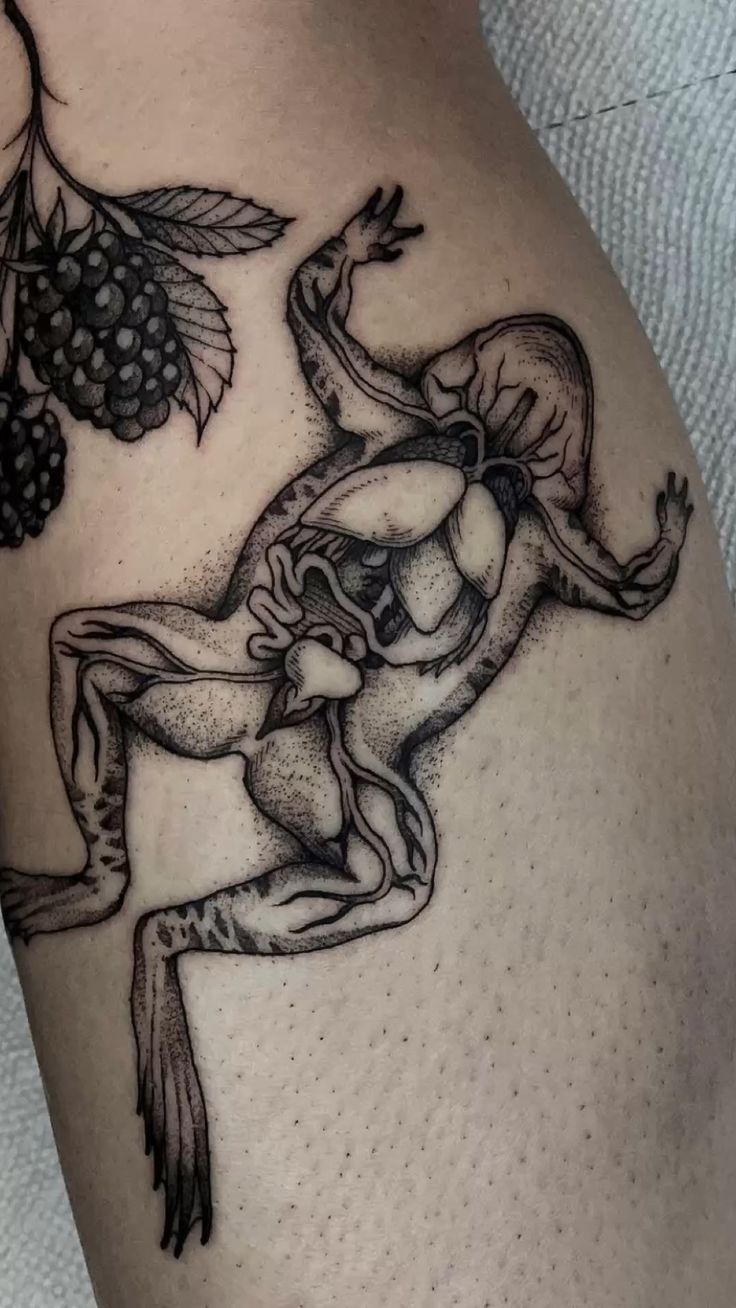
How Tattoos Age in Australia 2026: Preservation Guide
How tattoos age in Australia. Decade-by-decade fade, the eight factors deciding longevity, SPF and skin habits, and when a touch-up beats prevention.
Read More
Celtic Tattoo Guide Australia 2026: Knotwork, Symbols and Heritage
Australian 2026 Celtic tattoo guide: Trinity knot, Dara, Claddagh, Tree of Life meanings, best placements, blackwork artists, and pricing $150-$3,500 AUD.
Read More