DIY Tattoo Removal Dangers Australia 2026: Why Home Methods Cause Permanent Harm

A Brisbane client in her mid-twenties found it on an online marketplace at 11pm on a Tuesday. The listing promised "professional-grade tattoo fading formula" with before-and-after photos that looked convincing enough at that hour. She had a name tattooed on her forearm from a relationship that ended badly two years earlier. She had priced professional laser removal at $1,800 for the full course and decided the $34 cream was worth a try. Six weeks later she presented at hospital with chemical burns across a 9cm patch of skin. The tattoo was still clearly visible beneath the damaged tissue. The wound required debridement, a short course of oral antibiotics, and left a raised, discoloured scar her dermatologist has since told her will likely be permanent. The total cost of treating the damage: $2,800 out of pocket.
That experience is not rare. Australian dermatologists, cosmetic nurses, and tattoo removal clinics report seeing DIY removal injuries every month. The products involved range from salt-and-abrasive scrubs described in video tutorials to mail-order trichloroacetic acid (TCA) creams, DIY dermabrasion kits, and even household chemicals that people have read about in forum threads. The injuries range from minor irritation to full-thickness chemical burns, hypertrophic scarring, and in severe cases, permanent nerve damage. In every single documented case, the tattoo remained.
The reason these methods cannot work is straightforward biology. Tattoo ink does not sit in your skin's surface layers. It is deposited by a needle into the dermis, the second layer of skin, at a depth of 1 to 2 millimetres below the surface. Every DIY removal method works on the epidermis, the outermost layer, which is only 0.1 to 0.2 millimetres thick. To destroy the dermis sufficiently to remove ink, you would have to cause a full-thickness wound, which means a wound that requires a skin graft to heal. At that point you no longer have a "DIY removal method": you have a serious medical injury. This guide explains the biology, catalogues the specific methods and their documented harms, and outlines what actually works for Australians who want tattoo removal in 2026.
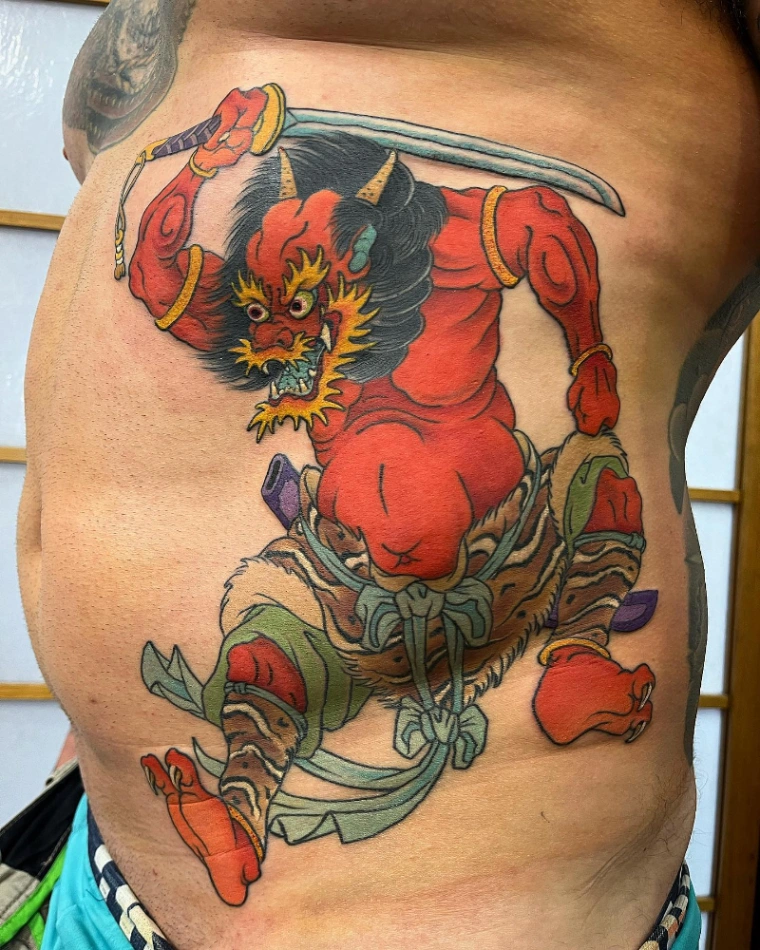
If you are currently weighing removal against a new design, a skilled cover-up or custom artist can often transform a tattoo you no longer want into something you love. The reference piece below is a reminder that a fresh direction is sometimes the better path.
Key Takeaways
- Ink depth is the key fact: tattoo ink sits 1 to 2mm deep in the dermis. The epidermis (surface skin) is only 0.1 to 0.2mm thick. No topical treatment or surface abrasion can reach dermis depth without causing a full-thickness wound.
- DIY methods destroy surface skin, not ink: every home removal method damages or removes the epidermis only. The result is scar tissue sitting on top of a tattoo that remains unchanged.
- Chemical burns are the most common injury: TCA creams and chemical peels sold without clinical supervision cause acid burns that can penetrate unexpectedly deep, leading to hypertrophic and keloid scarring.
- Salt scrubs cause abrasion injuries: vigorous salt or sugar scrubbing creates open wounds highly susceptible to infection, including Staphylococcus aureus and MRSA.
- The TGA has not approved any topical tattoo removal product: any cream, gel, or serum claiming to remove tattoo ink sold in Australia without TGA approval as a registered therapeutic good is making an unsubstantiated claim.
- Professional Q-switched or picosecond laser is the only evidence-based removal method: costs in Australia range from $1,000 to $7,500 AUD for a full course depending on tattoo size, ink colour, and skin tone.
- Cover-up tattoos are cost-effective: a skilled cover-up from a reputable Australian artist costs $300 to $2,000 AUD and is often completed in one or two sessions, with no medical risk.
- DIY damage adds cost, not savings: treating chemical burns, infections, and resulting scars typically costs $2,000 to $10,000 AUD, with ongoing scar management required for years.
Why DIY Methods Cannot Remove Tattoo Ink: The Biology
To understand why every DIY removal method fails, you need a clear picture of human skin structure and where tattoo ink actually lives. Human skin has three principal layers: the epidermis, the dermis, and the subcutaneous tissue (hypodermis). Each has a distinct depth and function.
The epidermis is the outermost layer, ranging from 0.05mm on the eyelids to 0.5mm on the palms and soles. On the arms, legs, and torso, where most tattoos are placed, the epidermis is typically 0.1 to 0.2mm thick. It is entirely composed of keratinocytes at various stages of their life cycle, constantly shedding at the surface and renewing from the base. Melanocytes (pigment cells) also live here. Crucially, the epidermis contains no blood vessels and no nerves. It is a waterproof, protective barrier.
The dermis begins directly beneath the epidermis. It is the structural layer, containing collagen fibres, elastin, blood vessels, nerve endings, hair follicles, and sweat glands. It is 1 to 4mm thick on body areas typically tattooed. This is exactly where tattoo ink is deposited. A professional tattoo artist uses a needle to puncture through the epidermis and inject pigment particles into the upper dermis, at a depth of 1 to 2mm. The body's immune cells (macrophages) engulf some of the particles in an attempt to clear the foreign matter, but the particles are too large to be transported away. They remain locked in the dermis for the lifetime of the person, which is what makes tattoos permanent.
This depth is the fundamental obstacle for every DIY removal method. Surface treatments, acids, abrasives, and topical creams can only act on the epidermis. Even aggressive chemical peels used under medical supervision typically penetrate no deeper than the papillary dermis (the uppermost 0.3mm of the dermis) unless they are deep phenol peels performed in a surgical setting. DIY products are not capable of safely reaching the depth where ink is stored. The only methods that can target dermis-depth pigment without causing a full-thickness wound are medical laser devices, which shatter ink particles with specific wavelengths of pulsed light energy, allowing the immune system to gradually clear the fragments over several weeks.
When DIY methods are applied, the sequence is always the same: the surface layer is damaged or destroyed, healing occurs with scar tissue, and the tattoo remains clearly visible once the wound heals. The scar often makes the remaining tattoo look worse, and it significantly complicates any future professional laser removal because scar tissue scatters laser energy unpredictably.
The fundamental problem with every DIY tattoo removal method is not that they are too weak. It is that they act on entirely the wrong layer of skin. Tattoo ink at 1 to 2mm depth is structurally unreachable by any surface treatment that does not simultaneously cause a medically serious injury. People who attempt home removal consistently present with two problems instead of one: the original tattoo, and a new wound requiring treatment.
Six Dangerous DIY Methods: What Actually Happens
The following table summarises the six most commonly attempted DIY tattoo removal methods in Australia, based on clinic intake reports and emergency department presentations. The pattern across all six is identical: surface damage, no ink removal.
| Method | What Happens to Skin | Damage Caused | Tattoo Removed? |
|---|---|---|---|
| Salt scrub (salabrasion) | Mechanical abrasion strips the epidermis. Open wound forms. | Abrasion injury, infection risk, hypertrophic scarring | No |
| Lemon juice application | Citric acid irritates epidermis. No penetration to dermis. | Skin irritation, photosensitivity, post-inflammatory hyperpigmentation | No |
| TCA removal cream | Trichloroacetic acid causes protein coagulation. Burns skin layers, depth uncontrolled. | Chemical burns, hypertrophic and keloid scarring, permanent pigment change | No |
| DIY dermabrasion kit | Mechanical sanding removes epidermis in controlled or uncontrolled depth. | Abrasion wounds, infection, scarring, nerve exposure in severe cases | No |
| At-home chemical peel | Alpha or beta hydroxy acids dissolve the corneal layer of the epidermis only. | Skin irritation, burns if misused, photosensitivity, no dermis penetration | No |
| Hydrogen peroxide injection | H2O2 injected subcutaneously causes oxidative tissue destruction. | Tissue necrosis, gas embolism risk, severe scarring, potential limb damage | No |
Salt Scrubs: The Most Common DIY Method
Salabrasion is the practice of rubbing salt, often combined with water or a mild abrasive, directly into tattooed skin. It has circulated in online communities for decades, gaining renewed attention on short-video platforms in recent years. Searches for "how to remove a tattoo at home" consistently surface salabrasion tutorials in the top results, many with hundreds of thousands of views and comment sections filled with people claiming it worked for them. Those claims do not survive scrutiny.
The mechanism: coarse salt crystals act as an abrasive. When rubbed vigorously across skin, they physically strip away the stratum corneum (the outermost layer of dead skin cells) and, with sufficient force and duration, the living layers of the epidermis beneath. The area bleeds, weeps, and forms a wound. Proponents instruct users to repeat this process multiple times, allowing each wound to heal before repeating.
What actually happens to the tattoo: the epidermis is removed. The dermis, with its ink particles, is not. After healing, a thin layer of new epidermal cells covers exactly the same tattooed dermis as before. In some cases the tattoo may appear slightly faded immediately after the wound heals because the new epidermis is thinner and lighter, but within months the appearance returns to baseline as the epidermis matures. Often, hypertrophic or keloidal scar tissue forms in the dermis during healing, thickening the skin and creating texture irregularity. The tattoo is now partially obscured by raised scarring that makes professional laser treatment substantially more difficult.
Medical consequences of salabrasion:
- Acute infection: an open abrasion wound is a direct entry point for bacteria. The most common pathogens are Staphylococcus aureus, Streptococcus pyogenes, and in individuals with compromised immunity, gram-negative organisms. Methicillin-resistant Staphylococcus aureus (MRSA) infections from DIY skin procedures are increasingly documented in Australian clinical literature.
- Cellulitis: superficial bacterial infection spreading into the subcutaneous tissue. Can require intravenous antibiotics and hospitalisation.
- Hypertrophic scarring: raised, firm, pink or red scars that remain within the original wound boundary. More common in darker skin tones and on areas of tension such as the shoulder, chest, and upper back.
- Keloid scarring: pathologically enlarged scar tissue that extends beyond the original wound. Keloids are particularly difficult to treat, requiring intralesional corticosteroid injections, silicone sheeting, or surgical excision (followed by radiotherapy to prevent recurrence). They are more common in people of African, Asian, and Hispanic ancestry and in individuals with a personal or family history of keloid formation.
- Permanent pigment change: post-inflammatory hyperpigmentation (darker discolouration) or hypopigmentation (lighter patches) are common in darker skin tones. These changes can be permanent.
There is no documented case in the peer-reviewed medical literature of salabrasion successfully removing tattoo ink. Every systematic review of non-laser tattoo removal methods that has examined salabrasion has concluded that it causes dermal injury without achieving ink clearance.
Tattoo Removal Creams: The TGA Warning
The category of "tattoo removal creams" encompasses a wide range of products sold online, primarily through major marketplaces and direct-to-consumer websites. They are marketed with clinical-sounding language, before-and-after photographs, and customer testimonials. In Australia, many are imported and not listed on the Australian Register of Therapeutic Goods (ARTG). The Therapeutic Goods Administration (TGA) has issued guidance that no topical cream or gel has been approved in Australia as a therapeutic good for the purpose of tattoo removal.
TCA-based products: the most potent of the removal cream category contains trichloroacetic acid (TCA) at concentrations typically ranging from 15% to 50%. TCA is a legitimate clinical tool in the hands of trained dermatologists and cosmetic physicians: it is used for superficial and medium-depth chemical peels to treat fine lines, acne scarring, and pigmentation. In that context it is applied in controlled concentrations to a precisely prepared skin surface, with neutralisation agents on hand, and with the clinician monitoring depth of penetration in real time.
When the same acid is applied by an untrained person at home, the concentration is unreliable (products are often mislabelled), skin preparation is absent, neutralisation does not happen at the right time, and application depth is uncontrolled. The acid penetrates to whatever depth the skin barrier has been compromised. On tattooed skin where someone has already abraded or otherwise damaged the epidermis (as many DIY tutorials recommend before applying the cream), TCA can penetrate into the mid-dermis or even deep dermis, causing full-thickness acid burns. These injuries are treated the same way as thermal burns: debridement, wound care, and in severe cases, skin grafting.
The chemistry of why TCA cannot remove ink: TCA causes coagulative necrosis of proteins. It destroys cells and denatures structural proteins in whatever tissue layer it reaches. However, tattoo ink particles are not proteins. They are metallic pigment particles: typically compounds of iron oxide, titanium dioxide, carbon black, and various organic dyes. Acid does not dissolve these particles. Even if TCA penetrated to dermis depth without causing catastrophic injury, it would cause dermis destruction and scarring without dissolving or removing the ink particles. The particles would remain in the scar tissue.

Other cream ingredients found in removal products:
- Hydroquinone: a skin-lightening agent that inhibits melanin production. Has no mechanism for acting on tattoo pigment particles. Can cause ochronosis (permanent skin darkening) with long-term misuse.
- Kojic acid and alpha arbutin: also melanin-inhibiting agents. As with hydroquinone, completely inactive against tattoo ink.
- Glycolic acid at low concentrations: an alpha-hydroxy acid that provides superficial exfoliation of the stratum corneum. Concentrations available over the counter in Australia (typically 8 to 12%) cannot penetrate the dermis and have no mechanism for ink removal.
- Retinoids: vitamin A derivatives that accelerate skin cell turnover. Increase the rate at which epidermal cells shed and renew. Have no mechanism for acting on dermis-depth pigment. Can temporarily make skin appear smoother and more even-toned, which may be falsely interpreted as tattoo fading.
The TGA's position, consistent with regulatory bodies including the US FDA and the European Medicines Agency, is that any product claiming to remove tattoo ink without being a registered therapeutic device is making a claim that has not been substantiated by clinical evidence. Australian Consumer Law prohibits misleading product claims, and several removal cream sellers operating in Australia have faced action from the Australian Competition and Consumer Commission (ACCC) for unsubstantiated therapeutic claims.
Cost Comparison: DIY Damage vs Professional Removal
The cost figures throughout this guide are illustrative averages based on typical Australian market rates. Specific pricing varies by clinic, treatment plan, and individual circumstance. Confirm quotes directly with your chosen practitioner.
The central promise of DIY removal products is cost saving. A $30 cream versus a $1,500 laser course seems like an obvious financial decision. The comparison only holds if the DIY method works and causes no damage. In practice, the cost comparison looks like this.
| Factor | DIY Removal | Professional Laser |
|---|---|---|
| Initial cost | $30 to $150 | $1,000 to $7,500 (full course) |
| Medical treatment costs | $500 to $10,000+ | Nil (when performed by qualified clinic) |
| Scar treatment | $500 to $5,000 (ongoing) | Nil to minimal |
| Time off work | 1 to 4 weeks for wound management | None typically required |
| Pain level | Severe (burns, open wounds, infection) | Moderate (snapping sensation, topical anaesthetic available) |
| Tattoo removal rate | 0% (none documented) | 70 to 95% clearance |
| Permanent scarring risk | High (commonly reported) | Low (less than 5% with trained operators) |
| Realistic total cost | $2,000 to $15,000+ | $1,000 to $7,500 |
The Only Safe Removal Options Available in Australia
There are three methods with genuine evidence for tattoo removal or modification, all of which require professional delivery.
1. Professional Laser Removal
Q-switched and picosecond laser devices are the gold standard for tattoo removal globally and in Australia. These devices emit pulses of specific light wavelengths in nanoseconds or picoseconds (trillionths of a second). The laser energy is absorbed by tattoo pigment particles, which absorb the specific wavelength at a much higher rate than surrounding tissue. The rapid energy absorption causes the particles to shatter into fragments small enough for the body's immune cells to transport and gradually eliminate. The surrounding dermis and epidermis are largely spared.
Multiple sessions are required because only a proportion of ink particles can be shattered in each session, and the immune system needs 6 to 8 weeks between sessions to clear the fragments. The number of sessions required varies by: tattoo size, ink colours (black and dark grey respond most readily; white, yellow, and light green are most resistant), ink density, skin tone (Fitzpatrick scale), tattoo age, and location on the body (better blood circulation means faster clearance).
Look for clinics operated by or supervised by a medical doctor, dermatologist, or appropriately qualified laser technician. Ask what device they use: PicoWay, PicoSure, or similar picosecond devices are the current best practice technology. Avoid any clinic that cannot name the device they use or its specifications. For a deeper comparison with cover-up options, see our laser removal vs cover-up guide. To find reputable studios and removal services in your city, browse Sydney, Melbourne, Brisbane, Perth, or Adelaide listings.
2. Cover-Up Tattoo
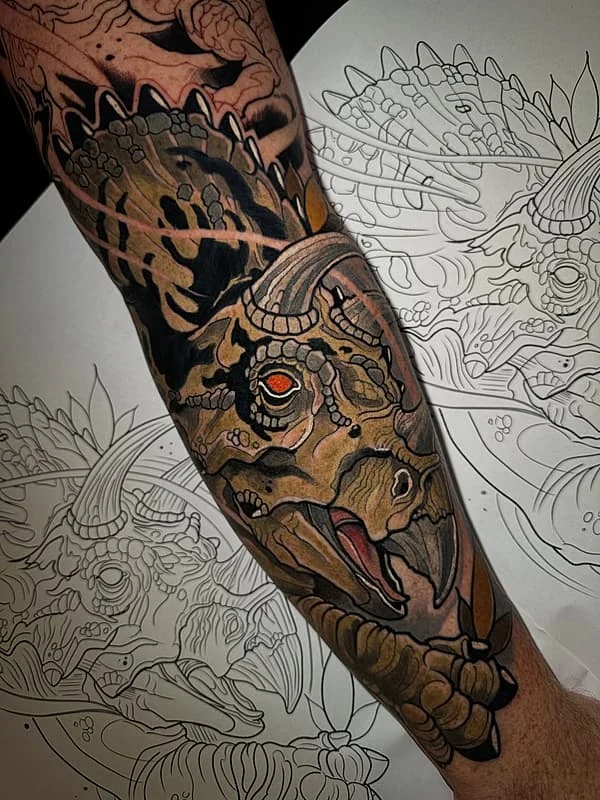
A cover-up tattoo does not remove the existing ink. Instead, a skilled artist designs a new tattoo that incorporates or conceals the original design. This is often the most cost-effective option for tattoos that are not in highly visible locations and where the client is open to a new design.
The constraints of a cover-up are real: the new design typically needs to be larger and darker than the original, as pigment can only be added, not removed, by the needle. Dark ink can be incorporated into black work, neo-traditional, Japanese, or geometric designs. Lighter original tattoos offer more flexibility. Some people choose to undergo 2 to 4 laser sessions to "lighten" a tattoo before a cover-up, reducing the constraints on the cover-up artist. Use the tattoo cost calculator to get a rough estimate before booking a consultation.

3. Surgical Excision
Surgical excision physically removes the tattooed skin and closes the wound with sutures. It is only appropriate for small tattoos (typically under 3 to 4cm in any direction) in locations with sufficient skin laxity to allow direct closure without tension. Common sites include the upper arm, calf, and upper back. Larger tattoos that are excised may require a skin graft to cover the wound, which adds significant complexity and recovery time.
Surgical excision results in a scar, but the scar is a straight, well-defined surgical line rather than the irregular, pigmented scarring that results from DIY methods. It is performed under local anaesthetic as a day procedure by a plastic surgeon or dermatological surgeon.
If You Have Already Tried DIY Removal: What to Do Now
If you have attempted DIY tattoo removal and are now dealing with a wound, burn, or infection, the following steps apply in order of urgency.
Emergency Warning Signs: Call 000 Immediately
- Rapidly spreading redness, warmth, or swelling around the wound (signs of spreading cellulitis)
- Red streaks extending from the wound toward the body (lymphangitis: infection tracking through the lymphatic system)
- Fever above 38.5 degrees Celsius combined with wound symptoms
- Confusion, rapid heart rate, or other signs of systemic infection (sepsis)
- Wound that will not stop bleeding after 15 minutes of direct pressure
- Signs of an allergic reaction: widespread hives, facial swelling, breathing difficulty (anaphylaxis)
For non-emergency wounds and injuries:
- Healthdirect: call 1800 022 222 (free, 24 hours). Registered nurses assess your symptoms and advise whether you need emergency care or can see a GP.
- Poisons Information Centre: call 13 11 26 if you have applied a chemical (acid, bleach, or similar) to your skin and are uncertain of the risk. Available 24 hours.
- Your GP: for non-urgent wound infection, chemical irritation, or assessment of a healing wound. Book as soon as possible rather than waiting to see if it resolves.
- Hospital emergency department: for burns, deep wounds, signs of infection, or significant pain that is not controlled with over-the-counter pain relief.
Do not:
- Apply more of the product that caused the injury in the hope of improving the outcome.
- Cover a chemical burn with an occlusive dressing without first washing the area thoroughly with cool running water for at least 20 minutes.
- Apply antiseptic sprays such as Dettol or Savlon directly to an open wound: these are cytotoxic to healing tissue and impair wound healing.
- Ignore a wound that does not show signs of healing after 10 to 14 days.
When you do see a medical professional, be honest about what product you used and how it was applied. This information directly affects the treatment plan. Doctors and nurses are not there to judge your decision: they need accurate information to treat the injury correctly.
Frequently Asked Questions
Can any DIY method work at all, even partially?
No DIY method has been shown to remove or meaningfully fade tattoo ink in the peer-reviewed medical literature. Apparent temporary changes (skin appearing lighter or the tattoo appearing less defined immediately after a treatment session) reflect surface damage and swelling, not ink removal. Once the skin heals, the tattoo returns to its pre-treatment appearance in the same or worse state.
What about the removal creams sold online? They have thousands of positive reviews.
Online review systems for health and cosmetic products are heavily manipulated. Reviews are often written immediately after the first application when users perceive "tingling" or "redness" as evidence that the product is "working," before any wound has healed and the true outcome is visible. The only clinically meaningful metric is documented ink clearance at 6 months post-treatment, which no removal cream product has demonstrated in an independent trial.
I have watched videos showing DIY removal working. Are they fake?
Many are misleading, though not always intentionally. The most common pattern is a creator documenting a process over 4 to 8 weeks with apparent improvement in photos, driven by lighting inconsistency, improved photo quality, or temporary changes in skin appearance during healing. Follow-up videos showing the longer-term outcome are far less common because the content is not engaging and the creator may have moved on. The most telling question to ask of any DIY removal video is: how does the tattoo look 12 months after treatment? That data is almost never presented.
Can I use a DIY method to lighten my tattoo for a cover-up instead of full removal?
This is the most commonly given justification for DIY removal attempts, and it is still not a safe approach. Lightening a tattoo for a cover-up requires removing some ink from the dermis, which DIY methods cannot accomplish. If your existing tattoo truly needs lightening to allow the cover-up design you want, the correct approach is two to four professional laser sessions (often available as a "lightening package" from removal clinics for $400 to $800 total), not DIY application. Explore blackwork and traditional styles, which are well-suited to cover-up work on darker original tattoos.
I genuinely cannot afford professional laser removal. What are my options?
Most Australian laser removal clinics offer interest-free payment plans through BNPL providers or internal finance. A $2,000 course can be split into $100 to $200 per fortnight. Some dermatology training clinics offer discounted treatment when supervised trainees are being assessed, with treatment quality supervised by a qualified practitioner. Cover-up tattoos from a skilled artist cost $300 to $800 for a medium piece and deliver a permanent, aesthetically positive outcome.
Will my health insurance cover treatment if DIY removal causes an injury?
Australian private health insurance covers medically necessary procedures in hospital, and the classification of your injury affects coverage. A serious chemical burn treated in a hospital burns unit will generally be covered for the acute medical treatment. The ongoing scar treatment, laser resurfacing, and dermatology consultations required after discharge are typically not covered by private health insurance and must be paid out of pocket. Medicare provides a rebate for GP consultations and some specialist consultations.
The Straightforward Bottom Line
Tattoo ink is in the dermis. DIY removal methods act on the epidermis. The gap between those two facts is the entirety of why DIY removal has never worked and will never work.
Every method that claims to bridge that gap either does not do so (creams, lemon juice, mild acids) or does so by causing a full-thickness wound that is, by definition, a serious medical injury (high-concentration TCA, aggressive salabrasion, hydrogen peroxide injection).
The financial logic inverts the moment you factor in the cost of treating the damage. The $30 cream or the $15 bag of sea salt reliably costs the person who uses them $2,000 to $10,000 in medical and scar treatment costs, on top of the professional removal they will still need for the tattoo that remains. The pain of chemical burns and infected abrasion wounds substantially exceeds the discomfort of professional laser removal. The time spent managing wounds and attending medical appointments exceeds the time required to complete a professional removal course.
If you are considering tattoo removal, the decision tree is simple. A design you want to change: consult a cover-up specialist. A tattoo you want fully removed: book a professional laser clinic consultation, ask about payment plans if cost is a concern, and request to see the specific device they use. A tattoo you want lightened before a cover-up: two to four laser sessions at a certified clinic. There is no scenario in which a DIY approach represents a rational, cost-effective, or medically sound alternative to these options.
Explore More
Find Tattoo Shops
Browse by Style
Stay Updated with the Latest Insights!
Get the latest news and updates delivered to your inbox.
Related Articles
Tattoo Price Guide
Tattoo price guide for Australia 2026. Hourly rates, by-style and by-size pricing, city comparison, hidden costs, and how to budget.
Read More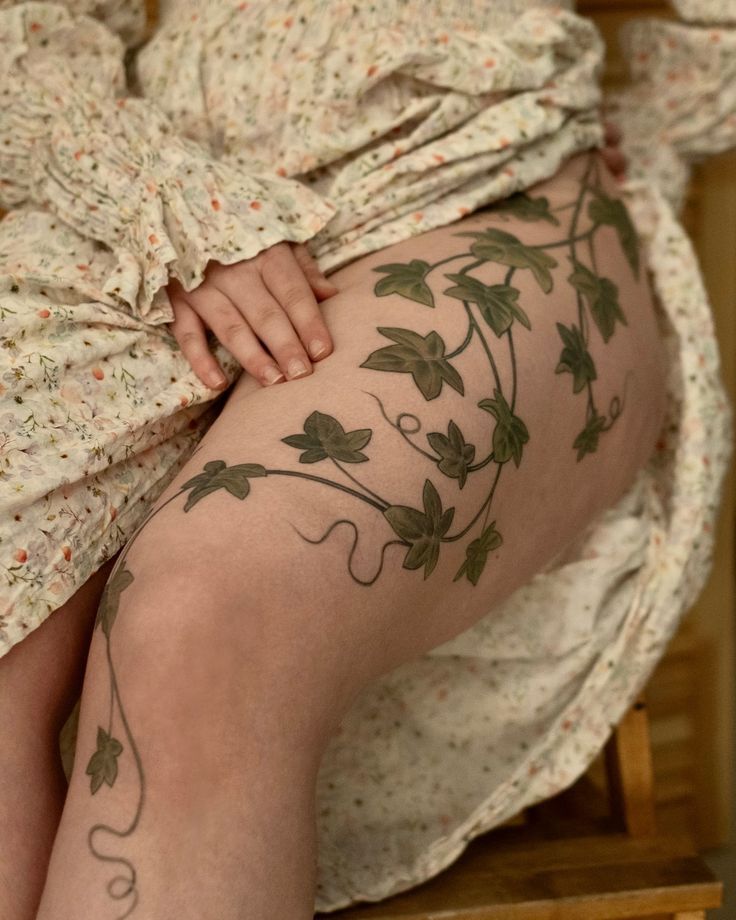
Cover-Up vs Removal Cost Australia 2026: Real Pricing Compared
Cover-up vs laser removal in Australia 2026: cost by tattoo size, hybrid fade-and-cover strategy, AUD pricing, real client case studies.
Read More
Laser Removal vs Cover-Up Australia 2026: Decision Guide
Laser removal or cover-up tattoo in 2026: cost, pain, time, results, scarring, ink limits. Australian decision framework with clinic and artist guidance.
Read More