
Koi Fish Tattoo Meaning Australia 2026: Japanese Symbolism Guide
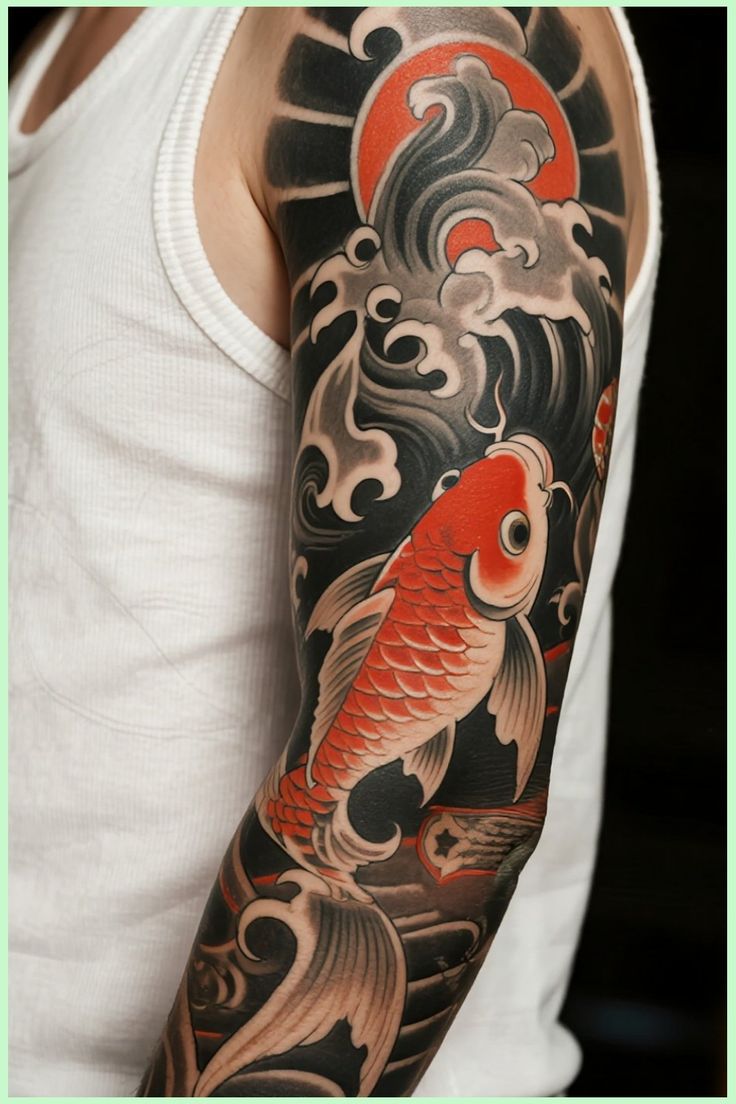
There is a moment in every koi tattoo consultation when the client leans forward and explains what the fish means to them. Sometimes it is a story about a difficult chapter that was eventually cleared. Sometimes it is about a parent who raised children alone, swimming against the current of circumstance for decades without complaint. Sometimes it is simply the image of a creature of extraordinary beauty that turns obstacles into the very conditions of its strength. Whatever the story, the koi carries it with unusual grace. No other creature in Japanese symbolic tradition manages to be at once so visually spectacular and so philosophically precise. This is a complete guide to what koi fish tattoos mean, how the symbols work, and what you need to know before getting one done in Australia.
Key Takeaways
- Core meaning: Koi fish represent perseverance, transformation, strength, and the capacity to overcome adversity. The legend of the koi ascending Dragon Gate and becoming a dragon is the central narrative.
- Colour matters significantly: Each colour carries distinct symbolism. Red or orange koi represent love and courage; black koi signify overcoming hardship; blue koi convey calm and masculinity; gold koi represent wealth and success.
- Direction has meaning: Koi swimming upstream symbolise ongoing struggle and determination. Koi swimming downstream suggest obstacles have been conquered or a period of peace has been earned.
- Number symbolism: A pair of koi (yin and yang) represents harmony and balance. Nine koi together are considered auspicious in Japanese tradition, with nine symbolising good fortune and long life.
- Australian pricing: A single koi in Japanese traditional style costs $300 to $900 for a medium piece; full Japanese sleeve or back piece featuring koi costs $3,000 to $8,000 or more depending on complexity and artist tier.
- Style fidelity matters: Koi are most powerfully rendered in Japanese traditional (irezumi) style with bold outlines and flat colour fills. Neo-traditional and watercolour interpretations are popular alternatives, but weaken some of the symbolic weight.
- Placement traditions: The back, upper arm, and thigh are the most traditional placements for koi in Japanese bodysuit work. The flowing motion of the fish reads best on larger, flatter canvas areas.
- Artist selection: Look specifically for artists with Japanese irezumi experience, not just general colour realism. The compositional rules and shading techniques are distinct disciplines.
The Legend of Dragon Gate: Where the Koi Symbolism Begins
The most important thing to understand about koi fish tattoos is that the meaning derives from a specific legend, not from the fish itself in isolation. The story comes from ancient Chinese and Japanese mythology and has been part of East Asian artistic tradition for well over a thousand years.
According to the legend, every spring a vast school of koi would attempt to swim upstream against the Yellow River's powerful current. At the end of their journey stood Dragon Gate, a massive waterfall that most of the fish turned back from. Year after year, the same cycle repeated: the koi would surge upstream, attempt the leap, fail, and drift back to the calmer waters below. Most of the school came to accept this as the natural limit of their lives.
But one koi refused. For a hundred years it returned to Dragon Gate and attempted the leap. Every failure was met with another attempt. When the gods of heaven observed this single creature's century of determined effort, they were moved. They transformed the koi into a golden dragon, the most exalted creature in the Chinese and Japanese symbolic universe. The obstacle had not merely been overcome. It had been the instrument of the koi's ultimate transformation.
In a nutshell: A koi tattoo does not simply mean strength. It means that persistence in the face of what appears impossible is itself the mechanism of transformation. The obstacle and the growth are not separate events. They are the same event.
This is why koi tattoos resonate so powerfully with people who have survived difficult periods: illness, addiction, the loss of a parent, the collapse of a relationship, professional failure. The symbol does not minimize the difficulty. It places it at the centre of the meaning, as the necessary condition of what came next.
Koi Colour Meanings: A Complete Reference
In Japanese tradition, the colour of a koi is not a decorative choice but a symbolic one. Each colour is associated with specific qualities, relationships, and life experiences. Understanding these associations allows you to make an informed choice when designing your tattoo.
| Koi Colour | Japanese Name | Primary Meanings | Common Associations |
|---|---|---|---|
| Red / Orange | Hi Muji / Aka Muji | Love, courage, passion, strength | Romantic love, maternal love, warrior spirit, bravery |
| Black | Karasu / Kumonryu | Overcoming adversity, transformation, masculinity | Surviving hardship, major life change, the father figure |
| Blue | Asagi / Shusui | Calmness, serenity, masculinity, fertility | Peace, the son, tranquil strength, emotional stability |
| Gold / Yellow | Yamabuki / Kinrin | Wealth, prosperity, fortune, success | Financial abundance, business success, good fortune |
| White | Shiro Muji | Purity, success, new beginnings | Career advancement, spiritual purity, fresh starts |
| Silver | Platinum Ogon | Success, business prosperity | Financial achievement, commercial endeavour |
| Multi-coloured | Kohaku / Sanke / Showa | Mixed blessings, complexity of life | Family bonds, the full spectrum of experience |
Red or Orange Koi
The most widely recognised koi colour in tattoo work, red and orange koi carry associations of love in its most courageous form. This is not passive love but active love that requires effort, sacrifice, and bravery. In Japanese tradition, the red or orange koi represents the mother's love for her children, the warrior's love of honour, and the courage to pursue romantic connection despite risk. For people who have fought hard to maintain a significant relationship, or who are honouring a parent's sacrifices, the red koi is particularly resonant.
Black Koi
Black koi are among the most personally meaningful for those who have navigated severe adversity. In Japanese tradition, the black koi represents the transformation that comes through hardship. It is associated with the father figure and with masculine strength of a particular kind: the endurance-based strength of someone who keeps moving under pressure rather than the aggressive strength of someone who seeks conflict. A black koi tattoo often marks a period of survival and transformation in the wearer's own life.
Blue Koi
Blue koi convey a quality of calm that is active rather than passive. This is not the calm of someone who has never faced difficulty, but the calm of someone who has found equanimity through experience. Blue koi are associated with the son in Japanese family symbolism, and with a kind of serene masculinity. They are popular with people who have arrived at a stable, peaceful period after turbulent years.
Gold or Yellow Koi
Gold koi are strongly associated with financial fortune, prosperity, and worldly success. The Yamabuki koi, named for a yellow mountain flower, is considered particularly auspicious in Japanese culture. For business owners, entrepreneurs, or anyone marking a period of financial achievement or aspiration, the gold koi is a powerful symbol. It is also associated with the general concept of good fortune in its broadest sense.
Direction Symbolism: Upstream vs Downstream
The direction a koi swims in a tattoo composition carries its own layer of meaning, and it is a question you should think carefully about before finalising your design.
| Direction | Traditional Meaning | Best For |
|---|---|---|
| Upstream | Still fighting, overcoming obstacles, in the midst of the struggle | Marking an ongoing challenge; honouring a continuing commitment to growth |
| Downstream | Obstacles have been cleared; strength and power are now sufficient | Commemorating completion of a difficult chapter; arrival at a new life phase |
Neither direction is superior. The choice depends entirely on where you are in your own story. An upstream koi suits someone who is still working through a challenge and wants a daily reminder of their commitment to the struggle. A downstream koi suits someone who has cleared a significant obstacle and wants to mark that transition. Some people have both directions represented in a multi-koi composition, one upstream and one down, to capture the ongoing cycle of challenge and resolution that characterises a full life.
Practical note: Your artist will also have compositional opinions about direction, particularly in relation to body flow. A koi swimming upstream along the arm reads differently when the arm is raised versus when it hangs at rest. Discuss this with your artist at the consultation stage. Many experienced Japanese tattooers have strong views about how koi should move in relation to the body's own lines.
Number Symbolism in Koi Compositions
When multiple koi appear in a design, their number carries traditional meaning. This is particularly relevant for larger compositions such as sleeves or back pieces.
| Number of Koi | Traditional Symbolism | Common Usage |
|---|---|---|
| 1 | Individual strength, solitary journey | Personal transformation or individual achievement |
| 2 | Yin and yang, balance, partnership, duality | Relationship tattoos, couples, harmony of opposites |
| 3 | Family unit, past/present/future | Marking family bonds; honouring three phases of life |
| 5 | Health and five elements | Health-focused designs; elemental balance |
| 7 | Good fortune, luck | General good fortune; optimistic outlook |
| 9 | Ultimate good fortune, longevity | Most auspicious number in Japanese tradition; premium sleeve compositions |
The pairing of two koi, typically one red and one blue or one black and one white, is the most common multi-koi composition in tattoo work. This pairing draws directly on the yin-yang philosophy of complementary opposites that together form a complete whole. The two koi swimming in opposite directions around each other, one representing active power and the other receptive calm, is one of the most philosophically rich images in Japanese symbolic tradition.
The number nine is considered the most auspicious by many traditional Japanese tattooers. A sleeve composition featuring nine koi of varying colours, each representing a different quality, is among the most elaborate and meaningful choices possible within the Japanese tattoo tradition. It is also one of the most expensive and time-consuming pieces to execute correctly.
Koi in the Japanese Irezumi Tradition
The koi fish has been a central motif in Japanese bodysuit tattooing, known as irezumi, for several centuries. Understanding this tradition helps clarify what makes a koi tattoo genuinely powerful versus merely decorative.
In traditional irezumi, the koi is never depicted in isolation without context. It moves through water, represented by waves rendered in a specific stylised technique known as nami. The water itself carries meaning: the turbulent waves of struggle, the calmer eddies of recovery, the swirling patterns that suggest the forces the koi must navigate. Background elements such as cherry blossoms, lotus flowers, and peonies are combined with the koi to build layered compositions where each element reinforces the others.
The technical conventions of Japanese tattooing also serve the koi specifically well. The bold outlines, called tebori lines in traditional hand-poked work, give the fish a graphic clarity that holds well over decades. The flat colour fills, applied in multiple passes to achieve saturation, produce the rich jewel-like appearance associated with the best irezumi work. The graduated shading techniques used for the background water create a sense of depth and movement that makes the fish appear genuinely to be swimming.
When choosing an artist for a koi tattoo in Australia, the most important distinction to make is between artists who work in genuine Japanese traditional style and those who produce Japanese-influenced colour realism. The two are different disciplines with different compositional rules, different ageing profiles, and different historical traditions. Japanese traditional irezumi uses flat colour fields, bold outlines, stylised waves, and conventional compositions derived from centuries of practice. Japanese-influenced realism uses photographic reference, soft blending, and naturalistic rendering. Both can be excellent, but they are not interchangeable, and only one is directly connected to the symbolic tradition that gives the koi its meaning.
Koi Tattoo Placement Guide
The koi fish is a compositionally demanding subject. Its long flowing body, elaborate fins, and need for surrounding water elements make it most effective on larger canvas areas. Placement decisions affect both the visual impact and the symbolic reading of the piece.
| Placement | Size Range | Why It Works | Considerations |
|---|---|---|---|
| Full Back | Very large | Maximum canvas for multi-koi compositions; traditional bodysuit territory | 12 to 25+ hours; major commitment; most complete symbolic expression |
| Upper Arm / Sleeve | Medium to large | Natural flow of koi along the arm; pairs well with elbow and shoulder elements | Direction of swim must suit arm anatomy; consider how it reads at rest vs raised |
| Thigh | Large | Wide flat canvas; excellent for single koi with full water background | Private placement; heals well; excellent for detail work |
| Ribs / Side | Medium to large | Elongated canvas suits koi body naturally | Painful placement; consider how it warps with weight changes |
| Calf | Medium | Visible and dramatic; flows naturally on the leg | Good for single koi with simplified water background |
| Shoulder Cap | Medium | Works as an anchor element for sleeve work | Consider extension into upper arm or chest; rarely works as standalone |
| Forearm | Small to medium | Accessible, always visible to the wearer | Limited canvas; best for single simplified koi; full background harder to achieve |
The most traditional placements for koi in Japanese bodysuit work are the back, the thigh, and the upper arm. These placements have centuries of precedent and the compositional rules are well-established. If you are drawn to the koi for its symbolic content rather than purely aesthetic reasons, choosing one of these traditional placements honours the full tradition the design comes from.
Smaller placements such as the wrist, ankle, or behind the ear are possible for simplified single koi designs, but they sacrifice most of what makes the image meaningful: the flowing motion, the surrounding water, the sense of the fish navigating the environment that defines its challenge. A koi reduced to a small simplified form loses its compositional life. If space is limited, consider whether a different symbol might serve you better.
Australian Koi Tattoo Pricing in 2026
Koi fish tattoos span an enormous price range depending on size, style, complexity, and artist experience. The following figures reflect current 2026 Australian market rates.
| Piece Type | Size | Price Range | Session Count | Style Notes |
|---|---|---|---|---|
| Single koi, simplified | 10 to 15 cm | $300-$600 | 1 | Reduced detail, minimal background; good for first Japanese piece |
| Single koi, full detail | 15 to 25 cm | $600-$1,200 | 1 to 2 | Complete scales, fins, water element; proper irezumi technique |
| Koi pair / yin-yang | 20 to 30 cm | $900-$1,800 | 2 | Red and blue or black and white; water background essential |
| Koi with full water background | Full thigh or back panel | $1,500-$3,500 | 2 to 4 | Nami waves, cherry blossom or lotus accents possible |
| Sleeve featuring koi | Shoulder to wrist | $3,000-$7,000 | 5 to 8 | Multiple koi or single koi with elaborate surrounding elements |
| Full back koi composition | Entire back | $6,000-$15,000+ | 8 to 16+ | Multiple koi, multi-panel water, additional elements; master artist territory |
Hourly rates for Japanese traditional work in Australia range from $120 to $320 per hour depending on the artist's experience and location. Japanese irezumi is a specialist skill. Artists who have studied the style seriously and who have a strong body of Japanese work in their portfolios will generally charge at the upper end of the range. This premium is justified by the compositional knowledge required, which goes well beyond the ability to render fish convincingly.
Budget reality: A properly executed koi piece that does justice to the symbolic tradition is not an inexpensive undertaking. The complexity of scales, the layering of colour required for accurate saturation, and the technical demands of the surrounding water composition justify costs that might seem high compared to simpler styles. View this as long-term art investment rather than a discretionary purchase.
What Sets Japanese Irezumi Artists Apart
Not every tattooist who produces Japanese-style work has genuine irezumi knowledge. The distinction matters because the compositional rules of authentic Japanese tattooing determine whether a koi piece reads as a genuinely meaningful symbol or as a technically competent but culturally disconnected image.
Artists with genuine irezumi knowledge understand the following:
Wave composition: The nami (waves) in a Japanese tattoo follow specific stylistic conventions derived from woodblock print traditions. The wave form spirals in a particular way. The foam is rendered with particular shapes. Ignoring these conventions produces water that reads as generic rather than Japanese.
Scale texture: Koi scales in irezumi are rendered with a conventional technique that gives each scale a specific dimensionality. The scales are not simply painted in flat colour but have highlight and shadow that creates the impression of overlapping plates. Artists without this specific knowledge will produce scales that look decorative rather than structural.
Colour hierarchy: Traditional irezumi uses a particular logic for applying colour, with darker values built up from a base of lighter washes. Artists trained in Western colour realism sometimes apply Japanese motifs using Western colour logic, which produces a similar-looking but subtly different result that will age differently over time.
Compositional flow: In Japanese bodysuit traditions, elements are not placed arbitrarily but follow established compositional relationships. The koi moves in relation to the waves, the cherry blossoms fall in relation to the koi, and the overall composition has a coherent directional flow. Artists who understand these relationships produce pieces that feel complete and intentional. Those who do not produce pieces that feel assembled from parts.
When evaluating an artist's suitability for your koi tattoo, look specifically at their healed Japanese work, not just their fresh pieces. Healed images reveal how well colour is retained, whether lines hold their integrity, and whether the scale texture reads as intended once the inflammatory response has settled. Browse the Sydney tattoo studios and Melbourne tattoo studios directories to find Japanese specialists in your area.
Designing Your Koi Tattoo: Consultation Preparation
The quality of your consultation determines much of the quality of your final tattoo. Coming prepared allows the artist to allocate their creative energy to composition and execution rather than to basic concept-clarification.
Before your consultation, think through and document the following:
Your chosen symbolism: Which aspect of the koi legend is most personally relevant to you? Are you marking perseverance, transformation, love, financial aspiration, or the overcorrection of a specific difficulty? Knowing this helps the artist make appropriate choices about colour, direction, and accompanying elements.
Colour preference and meaning: Review the colour meanings above and identify whether your symbolic intention is best served by a single colour, a pair of complementary colours, or a multi-coloured composition. Do not choose colours purely for aesthetics without considering their symbolic dimension. If the meaning matters to you, let it guide the palette.
Direction decision: Have you resolved whether your koi should swim upstream or downstream? If not, discuss this openly at the consultation. A good artist will help you think through the implications of each choice for your specific situation.
Reference images: Bring five to ten images of koi tattoos you find compelling, and if possible, include examples of the specific artist's work you are drawn to. Note what you like about each reference: the colour palette, the wave composition, the fin detail, the overall colour saturation level.
Placement decision: Know your preferred placement before the consultation and be prepared to hear the artist's compositional response to it. Some placements will require design modifications. Others will open up compositional possibilities you had not considered.
Size and scope: Have a realistic sense of how large a piece you want and how many sessions you are prepared to commit to. A single medium koi and a multi-koi sleeve are entirely different projects in terms of time, cost, and life disruption during healing.
Related Symbolism: Koi and the Dragon Connection
One of the most powerful design choices available to koi collectors is the transitional piece: a composition that depicts the koi in the act of becoming the dragon. These pieces, sometimes called koi-to-dragon or hannya-rising compositions (though hannya is a different element), show the fish at the point of transformation. The lower body remains that of the koi, with scales and fins; the upper body has begun the transformation into the dragon form, with the scales lengthening into dragon scales and the head taking on the elongated, antlered form of the Japanese ryu.
This transitional image is among the most compositionally ambitious in the Japanese tattoo repertoire, but also among the most symbolically precise. It captures the exact moment that the legend describes: not the journey up the river, not the final form of the dragon, but the instant of change itself. For people who feel themselves to be in the midst of transformation rather than either struggling before it or complete after it, this design has a particular power.
If you are drawn to dragon symbolism alongside the koi, the article on dragon tattoo meanings in Australia provides a full breakdown of the dragon as a separate subject, including its own colour and directional symbolism.
Aftercare for Japanese-Style Koi Tattoos
Japanese traditional tattoos, with their heavy colour saturation and layered technique, require particular care during healing to preserve the investment of time and money that went into them.
Immediate aftercare (days 1 to 5): Wash gently twice daily with unscented antibacterial soap. Apply a thin layer of unscented moisturiser or tattoo-specific aftercare product. Do not use petroleum-based products such as Vaseline, which can pull fresh ink. Keep covered with a breathable dressing during the day if clothing will be in contact with the piece.
First two weeks: Expect significant peeling. Do not pick, scratch, or peel the skin regardless of how tempting it appears. Peeling naturally is how the top layer of skin sheds to reveal the healed ink beneath. Premature removal of peeling skin takes ink with it, creating patchy areas. Keep the area moisturised but not saturated.
Sun exposure: Fresh Japanese tattoos are extremely vulnerable to UV radiation, which fades ink before it is fully settled. Avoid direct sun exposure for a minimum of four weeks. After healing, apply SPF50 sunscreen whenever the tattoo will be exposed. The rich colour saturation of Japanese irezumi is one of its defining qualities; UV damage is the primary threat to its longevity.
Colour work and touch-ups: Heavily saturated colour work sometimes requires a touch-up session six to twelve weeks after the initial healing. Many artists schedule this as a standard part of the process for large colour pieces. The touch-up fills in any areas where the healing process has caused slight variation in saturation. Budget for this session in your initial planning.
Long-term maintenance: Well-executed Japanese traditional tattoos age extremely well if maintained properly. The bold lines and saturated colour fields hold their integrity for decades better than soft, fine-line work or watercolour approaches. Annual sun protection discipline is the single most important long-term maintenance practice.
Frequently Asked Questions
Is it culturally appropriate for non-Japanese people to get koi tattoos?
Koi fish tattoos are among the most widely practised Japanese-inspired designs in Western tattooing and have been collected by non-Japanese people for well over a century. The symbolism of perseverance, transformation, and strength transcends ethnic identity and speaks to universal human experience. Working with a knowledgeable artist who treats the tradition with genuine respect, rather than producing a superficial copy, is the most important consideration. Approaching the design with seriousness about its meaning, rather than choosing it purely for aesthetic reasons, is also a form of respect for the tradition.
What is the difference between koi and carp in tattoo symbolism?
Koi are a specific ornamental variety of the common carp (Cyprinus carpio) selectively bred in Japan over many centuries for their colour patterns. In tattoo symbolism, it is the koi rather than the common carp that carries the legend of Dragon Gate and the associated meanings of transformation. Common carp tattoos do appear in some traditional European styles but do not carry the same symbolic weight. Your design should clearly reference the ornamental koi form, with its characteristic colour patterns and flowing fins, rather than the plainer common carp.
Can I combine a koi with a lotus flower in the same design?
This is one of the most compositionally rich combinations in Japanese tattoo tradition. The lotus flower grows from murky pond sediment to produce a flower of exceptional beauty, directly paralleling the koi's journey from ordinary fish to dragon. The two symbols reinforce each other, and their combination in a single composition is considered particularly auspicious. Placement of the lotus above the koi, as if it is the destination the fish is swimming toward, is a compositional convention with strong symbolic logic.
How long does a koi tattoo take to heal?
The surface of a koi tattoo typically heals within three to four weeks. Full internal healing, where the deeper layers of skin stabilise and the ink settles into its final position, takes two to four months. You will notice the tattoo becoming clearer and the colours settling during this period. Do not assess the final result until at least three months after your last session. Some areas of heavy colour saturation may look slightly hazy during healing as the skin regenerates; this resolves naturally with time.
What is the best style for a koi if I want maximum longevity?
Japanese traditional (irezumi) style ages the best of any approach to koi tattooing. The bold black outlines provide a structural framework that holds its integrity for decades. The flat colour fills, while appearing simpler than soft-blended realism, are applied in multiple passes and achieve a depth that retains its saturation well. Watercolour-inspired koi, though visually striking when fresh, lack the structural outline that helps a tattoo maintain legibility as the skin ages. Neo-traditional approaches fall between the two in terms of longevity.
Should I get a koi before or after a significant life event?
This is a personal decision with no single correct answer. Many people get koi tattoos to mark a completed period of difficulty, choosing the downstream direction to symbolise that the obstacle has been navigated. Others get the tattoo as a commitment device during a challenge, choosing the upstream direction to externalise their determination. A third group gets the tattoo in anticipation of a major undertaking: a business launch, a relocation, a significant relationship commitment. The symbolism supports all three timings, and the direction you choose reflects where you are in your own story.
Explore More
Find Tattoo Shops
Browse by Style
Stay Updated with the Latest Insights!
Get the latest news and updates delivered to your inbox.
Related Articles
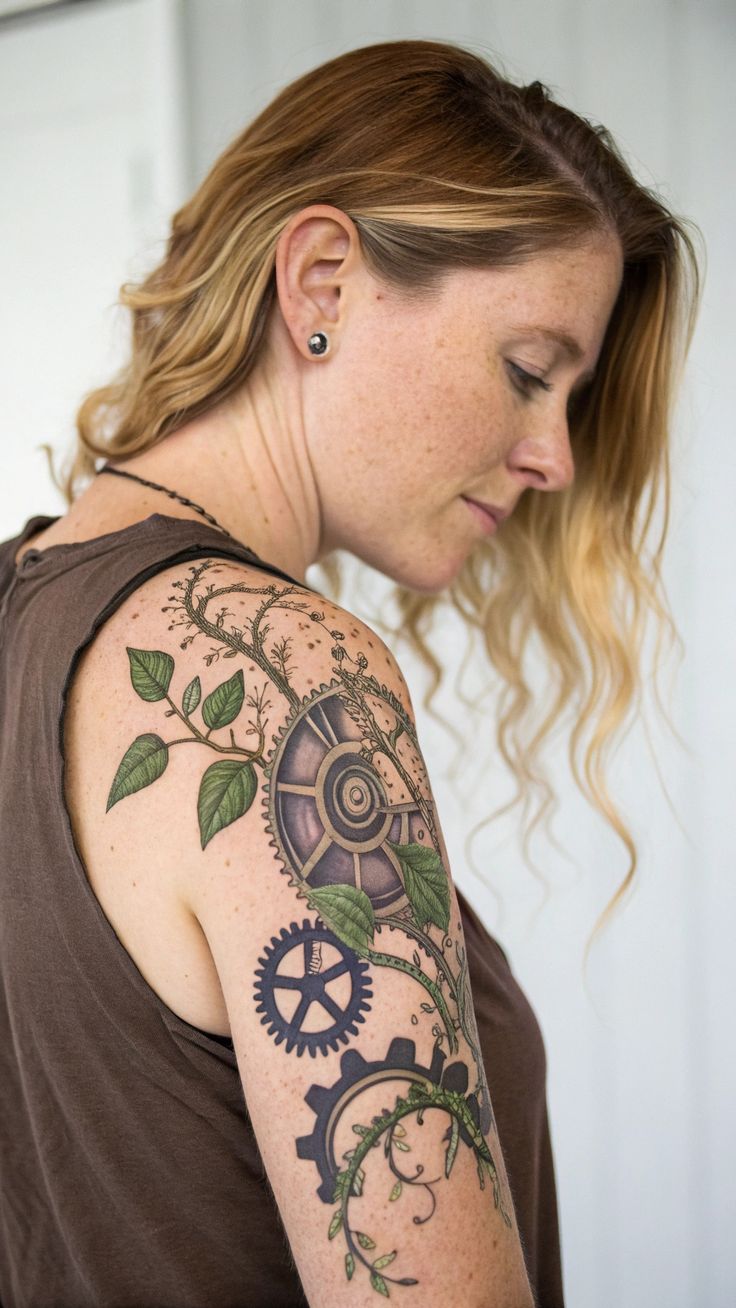
Lotus Flower Tattoo Meaning: Australian Symbolism Guide 2026
Australian 2026 lotus tattoo guide: colour symbolism, Buddhist and Hindu meanings, closed bud vs full bloom, best placements, and pricing $150-$3,500 AUD.
Read More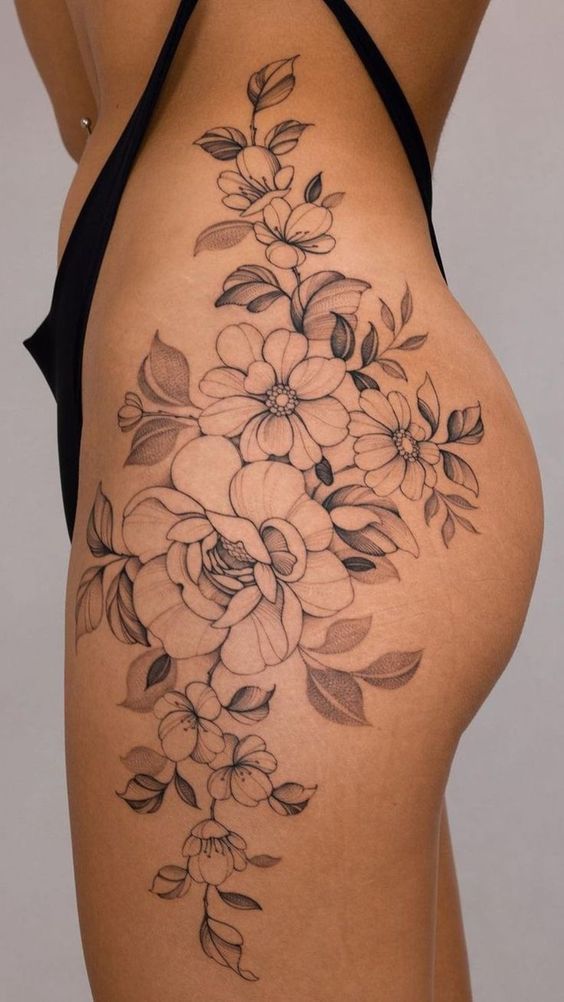
Dragon Tattoo Meanings 2026: Eastern vs Western Symbolism Guide
Dragon tattoo meanings 2026: Chinese, Japanese, Welsh, and Western symbolism compared. Design guide, cultural respect, and Australian pricing $400 to $10,000+.
Read More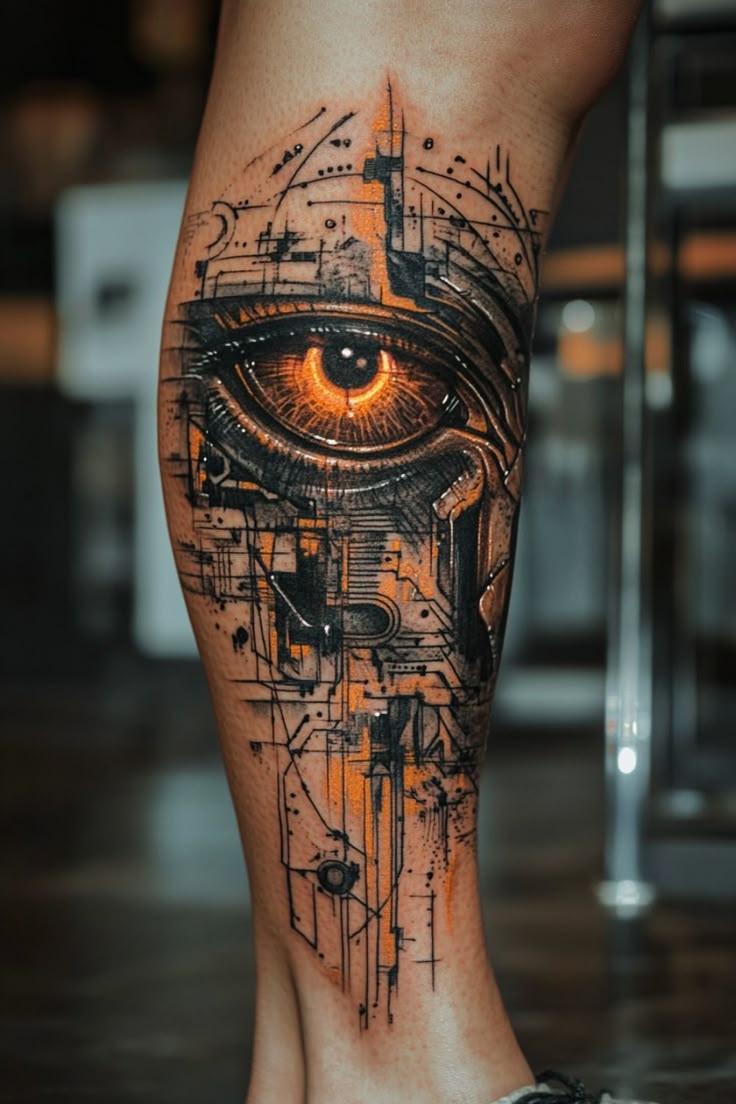
Rose Tattoo Meanings Australia 2026: Colours, Numbers and Symbolism
Rose tattoo meanings explained. Colours, numbers, styles and placements, with Australian artist examples and 2026 pricing across Sydney and Melbourne.
Read More