
Lotus Flower Tattoo Meaning: Australian Symbolism Guide 2026
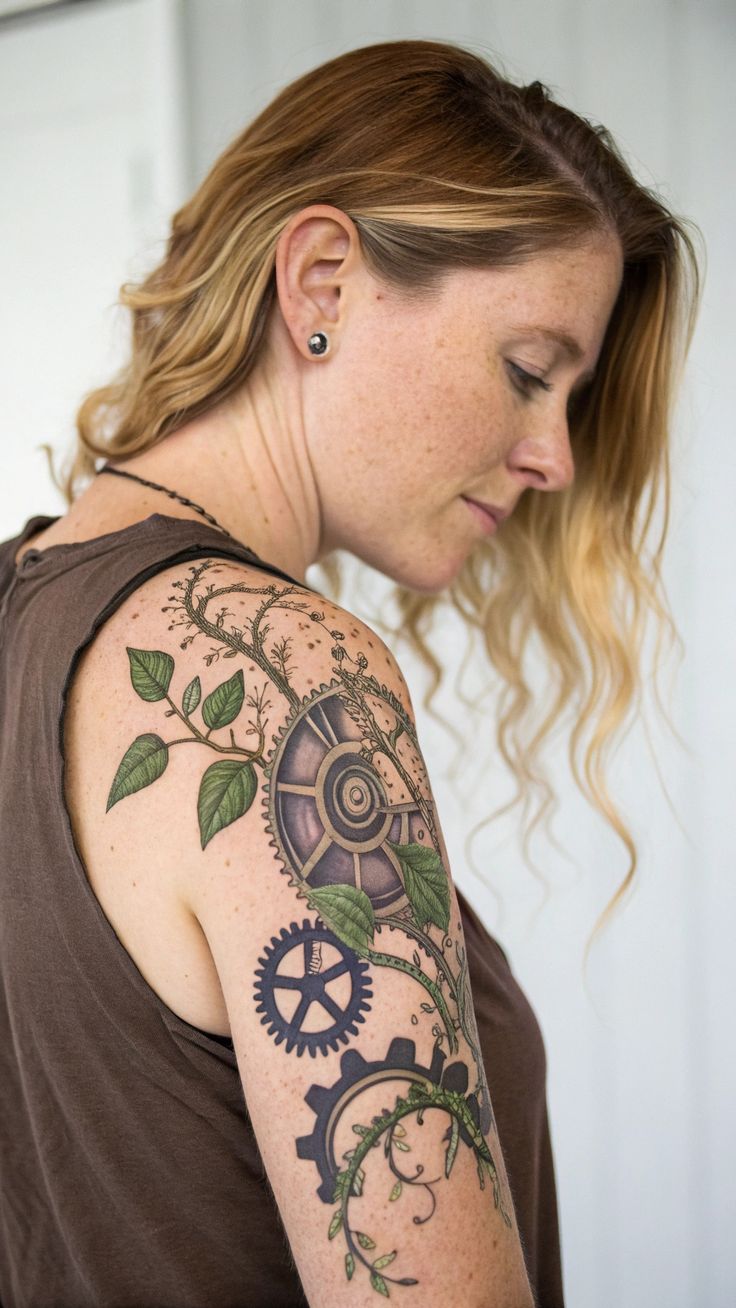
Rooted in mud, blooming in open water. The lotus is one of those symbols the world keeps returning to. It appears in Buddhist sutras, Hindu creation myths, Egyptian tomb paintings, and, in 2026, on more Australian forearms and shoulder blades than almost any other floral tattoo. The universality is not accidental. Every culture that adopted the lotus loved the same idea: that beauty rises out of hard things, and that transformation is the point.
This guide unpacks what a lotus tattoo actually means (beyond the Pinterest quote), what each colour signifies, how the closed bud reads differently from a full bloom, the best placements for Australian bodies and Australian sun, and what one will realistically cost in AUD in 2026. Written for readers in Sydney, Melbourne, Brisbane, Perth, and Adelaide who want to wear a lotus that carries weight.
Key Takeaways
- Core meaning: Spiritual growth, purity through adversity, transformation from difficulty into beauty
- Colour matters: Pink (Buddha), White (purity of mind), Blue (wisdom), Red (compassion), Purple (mysticism)
- Bloom state: Closed bud (potential, journey), half-open (in progress, awakening), full bloom (enlightenment, arrival)
- Budget: $180 to $400 for a small motif; $500 to $1,200 for a shoulder or thigh piece; $1,500 to $3,500 for a back panel
- Best placements: Sternum, upper back, thigh, forearm, shoulder blade. Anywhere with a flat, symmetrical canvas
- Style match: Blackwork, dotwork, and fine-line specialists render lotus geometry cleanest. Watercolour is softer but fades faster
- Cultural note: Lotus is not tied to a closed tradition; wearing one respectfully means knowing the source and picking the meaning that resonates
The Story Behind the Symbol
The lotus is one of the oldest continuously-used symbols in human art. It appears in Egyptian tomb paintings from 3,000 BCE, in Hindu Vedic texts a thousand years later, and in Buddhist iconography from the moment Buddhism began. Every one of those traditions saw the same thing when they looked at a lotus opening on the surface of muddy water: proof that beauty and clarity can come from the murkiest starting point.
Buddhist Reading
- Padma (Sanskrit for lotus): Buddha depicted seated on a lotus throne; his birth marked by lotus blossoms
- Symbolism: The mind rising through the mud of suffering to reach clarity
- Eightfold Path: Often visualised as an eight-petalled lotus, each petal a different practice
- Modern reading: Meditation, mindfulness, spiritual work
Hindu Reading
- Creation myth: Brahma born from a golden lotus rising out of Vishnu's navel
- Deity association: Lakshmi (wealth, beauty), Saraswati (learning), and Vishnu all depicted holding or standing on lotuses
- Symbolism: Divine beauty, purity, spiritual awakening
- Modern reading: Grounded strength, feminine power, inner light
Egyptian Reading
- Blue Nile lotus: Sacred to the sun god Ra; closes at night and reopens with the sunrise
- Symbolism: Rebirth, the daily cycle of the sun, resurrection
- Modern reading: Renewal, second chances, the death and rebirth cycle
In a nutshell: the lotus is the world's most cross-cultural symbol of transformation. If you have come through something hard and want to mark it, you have every civilisation for the last 5,000 years backing you up.
Colour and What Each One Means
In Buddhist tradition, lotus colour is not decorative. Each colour has a specific spiritual reading. Australian artists working in colour lotus tattoos usually know these. Ask.
| Colour | Traditional Meaning | Modern Reading |
|---|---|---|
| Pink | Buddha's lotus; supreme spiritual authority | Devotion, love, personal spiritual growth |
| White | Purity of mind and spiritual perfection | Clarity, mental peace, fresh starts |
| Blue | Wisdom, victory of the spirit over the senses | Learning, insight, intellectual growth |
| Red | Compassion, love, the heart's awakening | Deep connection, empathy, open-heartedness |
| Purple | Mysticism and the Noble Eightfold Path | Spiritual seeking, philosophy, inner work |
| Gold | Complete enlightenment (the achievement of Buddha-hood) | Personal mastery, arrival, wholeness |
| Black & grey | Not traditional; a modern tattoo choice | Understated, gender-neutral, ages beautifully |
Bud, Half-Open, and Full Bloom
The stage of bloom is as meaningful as the colour. Two lotus tattoos in identical colours can carry very different weight depending on whether the flower is closed, opening, or fully open.
Closed Bud
- Meaning: Potential, the beginning of the journey, work still to come
- Popular with: New parents, career changers, anyone starting again after loss
- Design note: Elegant vertical shape; suits inner arm, spine, or forearm
Half-Open (Blooming)
- Meaning: Awakening in progress, active spiritual practice, personal growth ongoing
- Popular with: Yogis, therapists, teachers, people mid-transition
- Design note: The most versatile stage; works everywhere from wrist to full back
Full Bloom
- Meaning: Enlightenment achieved, mastery, arrival at the destination
- Popular with: Milestone markers (recovery anniversaries, career achievements, spiritual milestones)
- Design note: Radial symmetry looks best on flat symmetrical canvases (sternum, upper back, thigh)
Design Directions Australians Book Most
Traditional Lotus Only
- Radial symmetric bloom, 8 or 12 petals
- Traditional colour or blackwork
- Best placement: sternum, upper back, thigh
Lotus with Mandala
- Lotus centred inside a geometric mandala frame
- Combines floral softness with ornamental structure
- Best placement: upper back, sternum, outer thigh; requires an ornamental specialist
Rising Lotus (Mud to Bloom)
- Roots in dark shading at the base, stem rising, bloom at the top
- Reads as literal transformation; strong visual story
- Best placement: forearm, inner bicep, thigh, spine
Lotus with Text
- Small script incorporated: a mantra, a name, a date
- Keep the text short; long quotes crowd the design
- Best placement: ribs, forearm, upper back
Watercolour Lotus
- Soft ink washes bleeding around a linework core
- Beautiful when fresh; fades faster than traditional colour
- Plan for a touch-up every 5 to 7 years to keep vibrancy
Fine-Line Minimal Lotus
- Single continuous line; abstract, modern
- Suits inner wrist, behind the ear, ankle
- Blurs over 8 to 10 years; commit to a heavier line weight if you can
Best Placements for a Lotus Tattoo
The lotus is one of the most placement-flexible flowers in tattoo art. That said, some spots consistently deliver a better long-term look.
- Sternum: The classical placement. Sits symmetrical against the body midline; excellent for radial full bloom or lotus-and-mandala combinations
- Upper back / between shoulder blades: Flat, symmetrical canvas; easy to hide at work; ideal for a large detailed piece
- Outer thigh: Great for a rising lotus (stem length works here) or a full bloom with mandala frame
- Forearm: Suits a vertical rising lotus or a stand-alone bloom of 8 to 12 cm
- Shoulder blade: Curved canvas; suits a stylised half-bloom or watercolour lotus
- Ribs / side torso: Elegant vertical placement for stem-and-bloom design; expect higher pain
- Behind the ear / inner wrist (small only): Micro lotus at 2 to 4 cm; will need touch-up around year 7
Placements to Approach Carefully
- Fingers and hands: Fade fast, require frequent touch-ups, hard to hide in most Australian workplaces
- Feet: Repeated friction from shoes; blur is common
- Face and neck: Visible, career-limiting, and small lotuses lose detail here
Lotus Tattoo Pricing in Australia 2026
Prices below are illustrative averages based on typical Australian market rates in 2026 and do not represent the actual fee charged for any specific tattoo shown. Featured artists set their own rates; always ask for a personal quote.
| Design | Size | Time | Price (AUD) |
|---|---|---|---|
| Small blackwork lotus | 4-6 cm | 1-2 hrs | $150-$350 |
| Fine-line minimal lotus | 5-8 cm | 1-2 hrs | $180-$400 |
| Colour lotus (medium) | 8-12 cm | 2-4 hrs | $400-$800 |
| Watercolour lotus | 10-15 cm | 3-5 hrs | $500-$1,000 |
| Sternum lotus with mandala | 15-20 cm | 4-6 hrs | $700-$1,400 |
| Full back lotus panel | 30+ cm | 10-15 hrs across sessions | $1,800-$3,500 |
Sydney and Melbourne sit at the top of the rate curve; Adelaide and regional studios sit 15 to 20% below. Get a personal quote with our tattoo cost calculator.
Finding the Right Australian Artist for a Lotus
The lotus punishes a rushed job. Radial symmetry, delicate petals, and layered colour all live or die on line control. Choose the artist for the style you want, not the studio down the road.
Green Flags in a Portfolio
- Multiple recent lotus or floral pieces in your chosen style
- Consistent petal symmetry across the portfolio
- Healed shots that show clean line integrity
- Willingness to design custom (never a stock traced design)
- Knowledge of the symbol's meaning, not just its shape
Red Flags
- Wobbly petal lines or asymmetric bloom centres
- Only fresh-ink shots; no long-term follow-up
- Pushing a design template or refusing revisions
- Vague pricing that changes at the appointment
Browse verified Australian studios in Sydney, Melbourne, Brisbane, Perth, and Adelaide. Filter by blackwork, dotwork, or fine-line specialty depending on your style match.
Cultural Sensitivity: The Two-Minute Version
The lotus is not a closed cultural symbol the way Māori tā moko is. Buddhists, Hindus, and Egyptians all developed lotus iconography independently. That said, thoughtful engagement matters.
- Learn the meaning of your chosen colour and bloom state. A gold lotus and a pink lotus carry different weight
- Do not add unrelated religious icons. A lotus and a cross work in some interfaith practices; a lotus with a Buddha portrait belongs only if you are Buddhist
- Skip the "Om" symbol unless you practice. A lotus alone reads as personal transformation; a lotus plus Om reads as a specific religious statement
- Ask your artist to explain their design choices. A knowledgeable Australian tattoo artist will happily talk through the symbolism
Aftercare Notes for a Lotus Tattoo
Follow standard aftercare (see our full aftercare guide) and layer three lotus-specific habits.
- Very thin moisturiser layer. Heavy ointment softens petal edges; light Bepanthen film only
- Sun protection is non-negotiable. Colour lotus fades under Australian UV faster than any other palette; SPF 50+ for the first 12 months
- Do not sleep on the tattoo for the first 10 days. Pressure blurs delicate petal linework
- Book a healed check at 6 months. Most Australian studios include a free touch-up. For colour or fine-line lotus, use it
Frequently Asked Questions
Does a lotus tattoo need to be religious?
No. Many Australians wear lotus tattoos as secular symbols of personal transformation or resilience. The imagery is spiritual in origin but has been adopted broadly. Wearing one respectfully means understanding the source and choosing the meaning that resonates.
Which colour lotus is right for me?
Read the colour table above and pick the one whose meaning matches what you want to mark. Pink for devotion or personal spirituality; white for mental clarity; blue for wisdom or a learning journey; black-and-grey for a timeless, understated piece.
Will a colour lotus fade in Australian sun?
Faster than a black-and-grey lotus, yes. Australian UV is among the harshest in the world. Apply SPF 50+ once healed and reapply every 2 hours in the sun. Expect a light touch-up every 5 to 7 years for colour pieces.
What is the difference between a lotus and a water lily?
Botanically different plants; visually similar. Lotuses have larger, more upright blooms and grow above the water surface; water lilies float on the surface. In tattoo work, the lotus is preferred for its stronger symbolism and radial symmetry.
Can I combine a lotus with other florals?
Yes. Common pairings include cherry blossoms, peonies, chrysanthemums, and Australian natives (waratah, banksia). Ensure the artist balances the composition so the lotus remains the visual centre.
How painful is a sternum lotus?
Higher than average. The sternum sits over bone with thin skin. Expect a 6 to 8 out of 10. Break the piece into shorter sessions of 2 to 3 hours to manage the pain, or use topical numbing cream (with your artist's approval).
Related Reading
These live posts on TattooNearMe cover adjacent floral and symbolism topics:
- Dragon tattoo meanings guide
- Half sleeve tattoo cost Australia
- Complete tattoo aftercare guide
- Colour vs black-and-grey decision guide
Bottom Line
A lotus tattoo is one of the most meaningful pieces you can carry. Pick the colour and bloom state that match your story, brief an Australian artist who understands the symbol, and commit to a size that lets the petal geometry breathe. Expect $200 to $500 for a small piece, $700 to $1,400 for a sternum mandala-and-lotus, and $1,800 to $3,500 for a full back panel. Done well, a lotus tattoo becomes a permanent bookmark for the exact moment you decided to grow.
Ready to look at designs? Explore our fine-line, blackwork, and dotwork galleries, or browse verified Australian studios by city.
Explore More
Find Tattoo Shops
Browse by Style
Stay Updated with the Latest Insights!
Get the latest news and updates delivered to your inbox.
Related Articles
Angel Number Tattoos Australia 2026: 111, 222, 333 Meanings
Angel number tattoos in Australia 2026: what 111, 222, 333, 444, 555, 777, 888 and 999 mean, best placements, and prices from $80 to $250 AUD.
Read More
Rose Tattoo Meanings Australia 2026: Colours, Numbers and Symbolism
Rose tattoo meanings explained. Colours, numbers, styles and placements, with Australian artist examples and 2026 pricing across Sydney and Melbourne.
Read More
Koi Fish Tattoo Meaning Australia 2026: Japanese Symbolism Guide
Koi fish tattoos symbolise perseverance and transformation. Explore colour, direction and number meanings, with Australian pricing and placement in 2026.
Read More