Leg Sleeve Tattoo Ideas 2026: Thigh-to-Ankle Design Guide
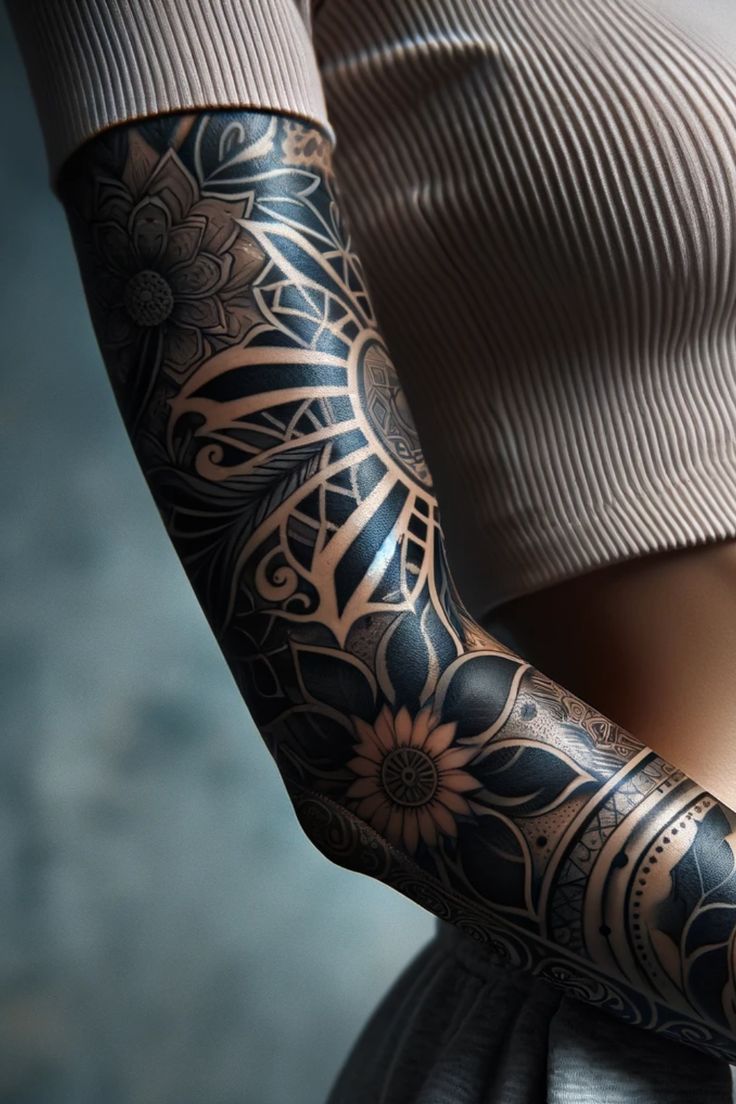
Picture a warm Sydney summer. You are in shorts, walking through the Botanic Gardens, and every second person glances at your leg. That is the everyday reality of a leg sleeve. It is the biggest canvas most Australian clients ever commit to, easier to hide for work than an arm piece, and one of the most cinematic surfaces in tattooing. Done well, it turns a walk to the coffee shop into a small gallery opening.
This guide covers the coverage options (quarter, half, full, panel), the theme choices that actually hold up on a leg, the knee problem that trips up half of all first-time leg sleeve clients, the pain map, and what a leg sleeve should cost you in Australia in 2026.
Key Takeaways
- Coverage options: Quarter (knee to ankle), half (thigh to knee), full (hip to ankle), or panel (strategic sections)
- Sessions: 3 to 15 across 8 to 18 months depending on coverage and style
- Total cost: $2,000 for a quarter sleeve to $12,500+ for a full sleeve including aftercare and touch-ups
- The knee problem: The kneecap is the single hardest area on any leg sleeve. Plan for it from day one
- Pain map: Outer thigh and outer calf are the easy zones. Inner thigh, kneecap and shin are the punishing ones
- Design theme first: Japanese, nature, geometric, mythology, biomechanical or portrait. Pick one and stay consistent
- Better than an arm sleeve for work: Long pants hide everything. Reveal it in summer, cover it on Monday morning
Why a Leg Sleeve Works
The leg has advantages an arm sleeve does not. It is a bigger canvas, so complex scenes have room to breathe. It is easier to conceal for corporate work. And leg skin ages slower than the hands or forearms, so the tattoo stays crisper for longer.
- Professional concealment: Long pants cover it completely, chinos or a dress hide most of it
- Large canvas: Full sleeve gives roughly 800 to 1,200 cm2 of workable skin. Twice a half arm sleeve
- Natural viewing: You see your own leg constantly. Unlike a back piece, the tattoo works for you as much as for others
- Pain variety: Mix high-pain and low-pain zones across the same project to make sessions bearable
- Seasonal reveal: Show off in summer, cover in winter. Australia's six months of shorts weather is perfect for this
- Slower aging: Legs get less sun and less wear than arms. Colour holds longer, lines stay sharper
Coverage Options
The four core structures Australian artists offer for leg sleeves, from smallest to largest.
| Coverage | Area | Sessions | Hours | Investment (AUD) |
|---|---|---|---|---|
| Quarter sleeve | Knee to ankle | 3 to 6 | 15 to 30 | $2,000 to $5,000 |
| Half sleeve (upper) | Thigh to knee | 4 to 7 | 20 to 35 | $2,500 to $6,000 |
| Full sleeve | Hip to ankle | 8 to 15 | 40 to 75 | $5,000 to $12,000+ |
| Panel design | Strategic sections only | 5 to 10 | 25 to 50 | $3,000 to $8,000 |
In a nutshell: a quarter sleeve is a weekend project stretched across months. A full sleeve is a genuine one to two year commitment.
Design Themes That Work on a Leg
The leg is a long, cylindrical canvas that naturally suits themes with flow. Anything that reads top to bottom (a mountain range, a dragon ascending, a story arc) tends to work better than anything that reads left to right.
Japanese irezumi
The classic large-canvas style. A koi swimming upward, a dragon coiling around the calf, cherry blossoms filling negative space. Bold black outlines, saturated colours (red, indigo, gold), plenty of movement. Best for full sleeves. A Japanese leg sleeve done well is arguably the most recognisable tattoo silhouette in the world.
Nature and landscape
Forest at the ankle, canopy at the thigh. Ocean depths at the ankle, breaking waves at the top. A mountain valley ascending to snow-capped peaks. Nature themes exploit the vertical form of the leg the way no other body part allows.
Geometric and sacred geometry
Central mandala over the kneecap, symmetrical patterns wrapping around. Dotwork shading, precise line work, and a modern aesthetic that ages beautifully. Popular with clients who want a clean, considered piece rather than a scene.
Mythology and fantasy
Norse (Yggdrasil, runes, Odin's ravens), Greek (Zeus, Poseidon, temple architecture), Celtic knotwork, or personal fantasy universes (Lord of the Rings, video game characters). Best when tied together by a single narrative.
Portrait and realism
Wildlife (lion, wolf, tiger, eagle) or memorial portraits with meaningful backgrounds. The thigh is the flattest, most portrait-friendly zone on the whole body. Best for panel designs rather than full sleeves.
Biomechanical
Skin-tearing effect revealing chrome, gears and hydraulic systems underneath. A niche but striking choice. Best on the calf where the muscle definition helps the illusion of mechanical parts.
The Knee: Where Leg Sleeves Live or Die
The kneecap is the single hardest part of any leg sleeve. Skin over bone, no muscle padding, constant movement, and every session distorts as the joint flexes. Half the leg sleeves that read as incomplete are ones where the knee was not planned from day one.
Five knee integration strategies
| Approach | Description | Best for | Trade-off |
|---|---|---|---|
| Mandala or circle | Circular design centred on the kneecap | Geometric or sacred geometry sleeves | Distorts when the knee bends. Design for a straight leg |
| Flow around | Design wraps around, leaving the kneecap bare | Organic nature themes | Reads as a gap unless well composed |
| Skip the knee | Two separate designs, upper and lower | Panel approach, contrasting themes | Can look intentional or can look unfinished |
| Full integration | Design flows continuously across the knee | Realistic scenes, Japanese sleeves | Most painful. Needs several dedicated knee sessions |
| Focal element | A key motif (skull, flower, eye) placed on the kneecap | Illustrative, ornamental sleeves | Makes the knee the centrepiece of the piece |
Knee pain and healing reality
- Pain: 8 to 9 out of 10 on the kneecap, 6 to 7 around the sides
- Session cap: Most artists limit knee work to 2 to 3 hours per session
- Healing: Slower than any other leg zone. Expect 3 to 4 weeks with reduced walking
- Touch-ups: Almost guaranteed. The joint moves during healing, and ink migration is common
Panel Versus Full Coverage
The other big choice you make on day one. A full sleeve is a single cohesive piece from hip to ankle. A panel design is two or three separate compositions with intentional negative space between them. Both are valid. The differences are practical, not artistic.
Full coverage sleeve
- Pros: Complete cohesive design, maximum visual impact, classic sleeve aesthetic
- Cons: Higher cost ($5,000 to $12,000+), longer commitment (12 to 18 months), less flexibility mid-project
- Best for: Clients with a clear theme, budget locked in, and patience for the timeline
Panel approach
- Pros: Build gradually, budget-friendly per stage, can incorporate different styles across panels
- Cons: Risk of looking incomplete, harder to achieve visual flow, filler work later can cost more overall
- Best for: First-time large-piece clients, tighter budgets, clients still exploring their style
Pain Map by Leg Zone
| Zone | Pain | Why | Session tip |
|---|---|---|---|
| Outer thigh | 3 to 4 out of 10 | Thick muscle, minimal bone | Best starting point. Book your first session here |
| Inner thigh | 7 to 8 out of 10 | Thin skin, sensitive nerves | Break into short 2 hour sessions |
| Kneecap | 8 to 9 out of 10 | Bone directly under skin | Save for later. Cap sessions at 2 to 3 hours |
| Back of knee | 8 out of 10 | Thin skin, major nerves | Numbing cream helps. Keep sessions short |
| Outer calf | 4 to 5 out of 10 | Good muscle coverage | Great for long sessions and dense work |
| Inner calf / shin | 6 to 7 out of 10 | Shinbone close to surface | Regular breaks and breathing techniques |
| Ankle | 7 to 8 out of 10 | Bone, tendons, thin skin | Short 90 minute sessions, expect swelling |
Our pain management guide covers breathing, snacks and numbing cream in more detail.
Project Timeline
| Phase | Timing | What happens |
|---|---|---|
| Concept | 1 to 3 months before | Mood board, theme choice, coverage decision, artist research |
| Consultation | 1 to 2 months before | Studio visit, brief agreed, deposit paid, design appointment booked |
| Design creation | 2 to 6 weeks | Artist creates custom design, one to two revision rounds, final approval |
| Session 1 | Day one | Outline work. Usually starts at the lower calf or outer thigh |
| Ongoing sessions | Every 3 to 4 weeks | Shading, colour, detail work section by section |
| Final session | 8 to 18 months from start | Touch-ups, background completion, final polish |
Leg Sleeve Pricing Australia 2026
Photographs below are example portfolio pieces from real Australian artists on the platform. The cost breakdowns are illustrative averages based on typical Australian rates and do not represent the actual fee charged for the specific tattoo shown.
Total investment breakdown
| Cost component | Quarter sleeve | Half sleeve | Full sleeve |
|---|---|---|---|
| Tattoo work | $1,800 to $4,500 | $2,200 to $5,500 | $4,500 to $11,000 |
| Aftercare products | $100 to $150 | $120 to $180 | $200 to $300 |
| Touch-ups (post project) | $100 to $200 | $150 to $250 | $300 to $500 |
| Travel (if visiting an interstate artist) | $0 to $250 | $0 to $350 | $0 to $700 |
| Total range | $2,000 to $5,100 | $2,470 to $6,280 | $5,000 to $12,500 |
Compare with our full sleeve arm cost guide and half sleeve pricing. Legs run 10 to 20% higher than the equivalent arm piece because the surface area is bigger and the knee eats time.
Aftercare for a Leg Sleeve
Leg tattoos heal differently to arm tattoos. Longer walks stress fresh ink, socks and pants rub, and legs swell noticeably. Layer these habits on top of your artist's specific aftercare plan.
- Days 1 to 3: Loose pants or shorts, no gym, no long walks. Sleep with a towel under the leg to absorb weeping
- Days 4 to 7: Moisturise three to four times a day. Avoid tight jeans, tight socks and any friction
- Weeks 2 to 3: Light exercise okay. Skip running if the ankle or calf is fresh. No swimming
- Weeks 3 to 4: Surface healing complete. Still no direct sun
- Months 2 to 3: Full internal healing. Return to full activity with SPF 50+ on the tattoo
The full tattoo aftercare guide and sun protection playbook apply here with extra emphasis on friction avoidance.
Before You Commit: Honest Questions
- Summer visibility: Are you comfortable with your legs being a focal point in shorts and dresses?
- Professional context: Can you cover it easily for job interviews, weddings and formal events?
- Time commitment: Can you commit to 8 to 15 sessions over 12 to 18 months?
- Budget stability: Can you budget $5,000 to $12,500 across the project?
- Pain tolerance: Are you ready for multiple high-pain sessions, including the knee?
- Theme commitment: Have you sat with one theme for at least three months?
- Lifestyle impact: Willing to pause gym routines, running and swimming during healing weeks?
Finding the Right Artist
Leg sleeves are a specialty. Any qualified artist can execute one, but the specialists who build them regularly are the ones you want.
Look for
- Portfolio with at least 5 healed leg sleeves. Fresh photos hide the wobble that shows after two weeks
- Style match to your brief (Japanese specialists for Japanese, geometric specialists for mandalas)
- Clear knee integration examples. Ask to see how they handled the kneecap on previous pieces
- Realistic timelines. Anyone promising a full sleeve in three months is either underpricing or overselling
- Payment plans if you want them, either directly or via Afterpay
Red flags
- Portfolio is all separate small pieces on legs, no cohesive sleeves
- Cannot articulate how they will handle the knee
- Refuses a proper consultation before booking sessions
- Price is much lower than the range. Cheap leg sleeves age poorly and cost more to fix
Our artist selection guide covers the full consultation checklist.
Frequently Asked Questions
How long does a leg sleeve actually take?
Between 8 and 18 months from first stencil to final polish for most projects. The bottleneck is healing time between sessions, not artist availability. Skin needs three to four weeks between sittings to absorb heavy shading cleanly.
Is a leg sleeve more painful than an arm sleeve?
On average slightly more painful. The knee and inner thigh push above anything on the arm. The outer thigh and calf are more forgiving than the inner bicep. Net effect: harder peaks, easier valleys. Read our pain management guide for the full breakdown.
Can I do a leg sleeve in one style now and add another style later?
Yes if you plan for it. Panel designs are built exactly this way, with intentional breaks between distinct compositions. What does not work is mixing styles within a single flowing sleeve. Japanese and biomechanical do not blend. Choose one style per section.
Should I get the calf or the thigh done first?
Most Australian artists recommend starting on the outer thigh or outer calf. Both are lower pain, generous muscle padding, and let you build session stamina before hitting the harder zones. Save the knee and inner thigh for sessions 3, 4 and later.
Will a leg sleeve stop me exercising?
Only for a week or two per session. Skip running the week after any ankle or calf work, skip squats and deadlifts the week after thigh sessions, and avoid pool and beach for four weeks after each session. Cross-training around fresh ink is completely doable.
Bottom Line
A leg sleeve is a real commitment of time, budget and pain tolerance, and the payoff is a piece of wearable art you carry for the rest of your life. Pick a specialist, lock a theme early, plan the knee from day one, and treat aftercare like part of the price. Get all four right and you will have one of the best tattoos in the country.
Ready to start? Browse our leg tattoo gallery, thigh designs or calf inspiration. Or jump straight to studios in Sydney, Melbourne or Perth with strong leg sleeve portfolios.
Explore More
Find Tattoo Shops
Browse by Style
Stay Updated with the Latest Insights!
Get the latest news and updates delivered to your inbox.
Related Articles
Full Sleeve Tattoo Cost Australia 2026: Complete Investment Guide
Full sleeve tattoo cost in Australia 2026: $1,500-$6,000 over 4-8 sessions. Style, city, and artist tier breakdowns plus payment plans.
Read More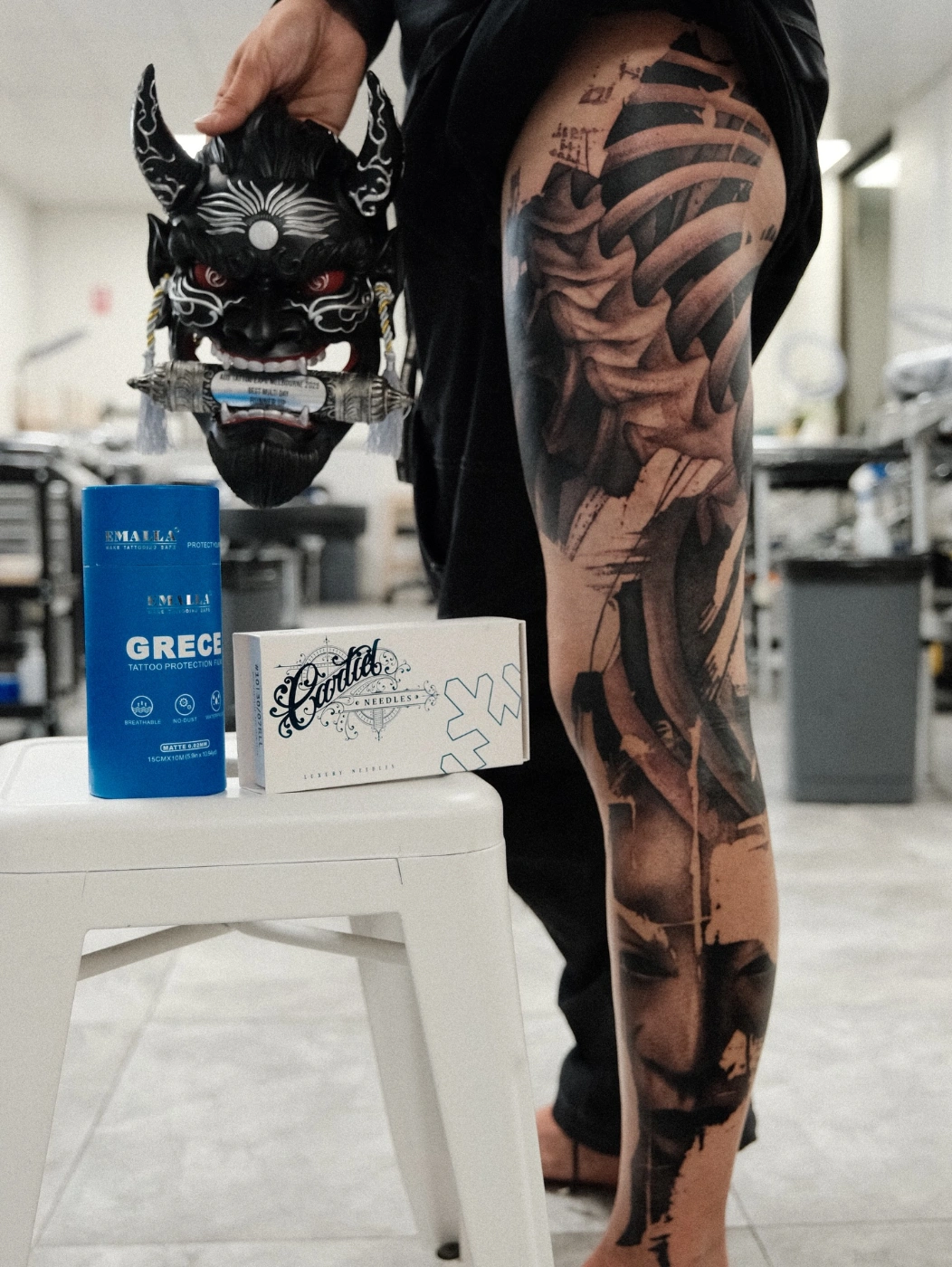
Calf Tattoo Ideas Australia 2026: Design, Placement and Pricing Guide
Calf tattoo ideas for Australia 2026. Front vs back calf, wrap designs, pain 4-7/10, muscle considerations, pricing $250-$6,000 AUD.
Read More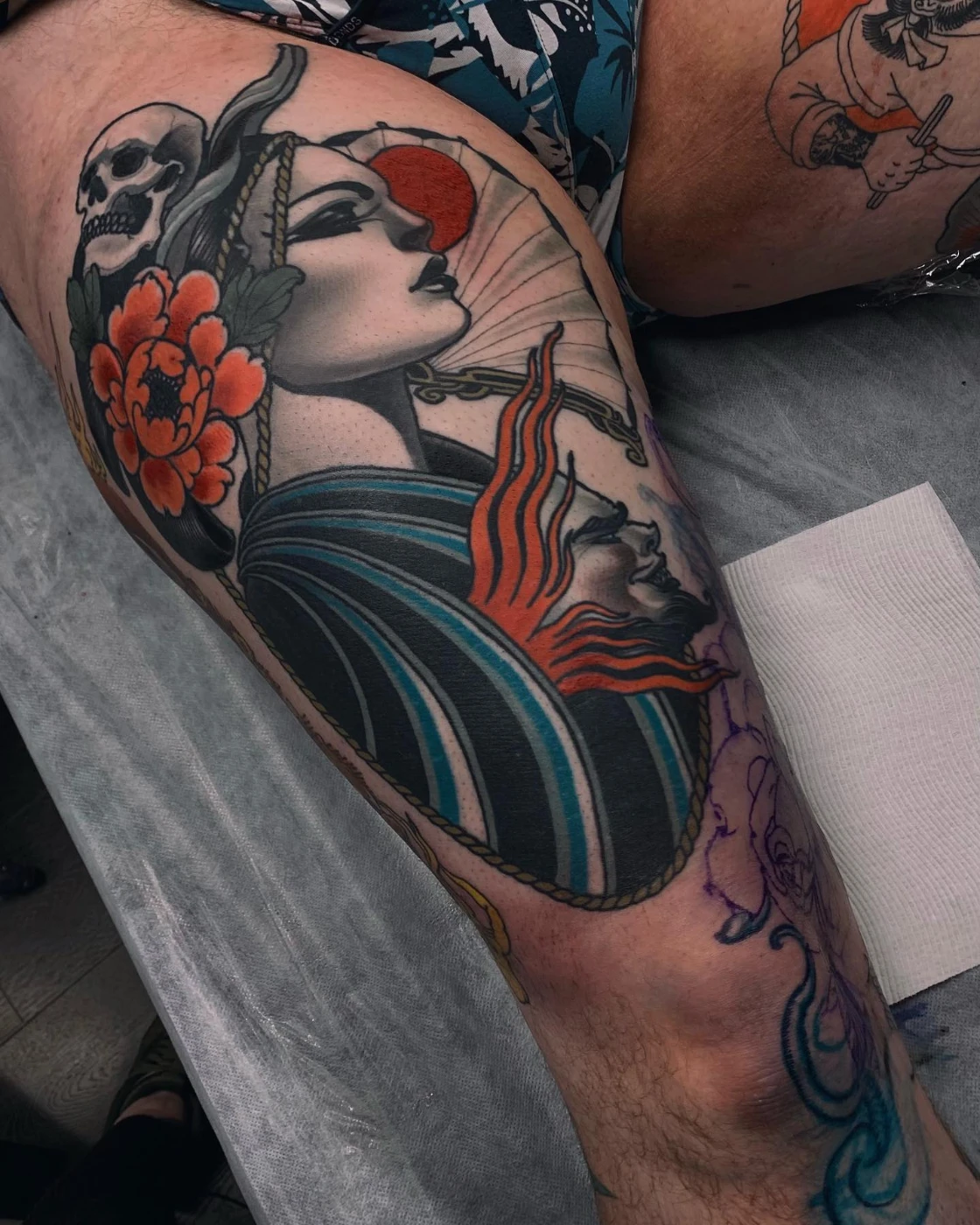
Inner Thigh Tattoo Guide Australia 2026: Pain, Cost, Placement
Inner thigh tattoos in Australia 2026: $500 to $2,500, pain 7 to 8 out of 10, session logistics, healing challenges, and design ideas that suit the skin.
Read More