
Ornamental Tattoo Guide Australia 2026: Mandalas and Sacred Geometry
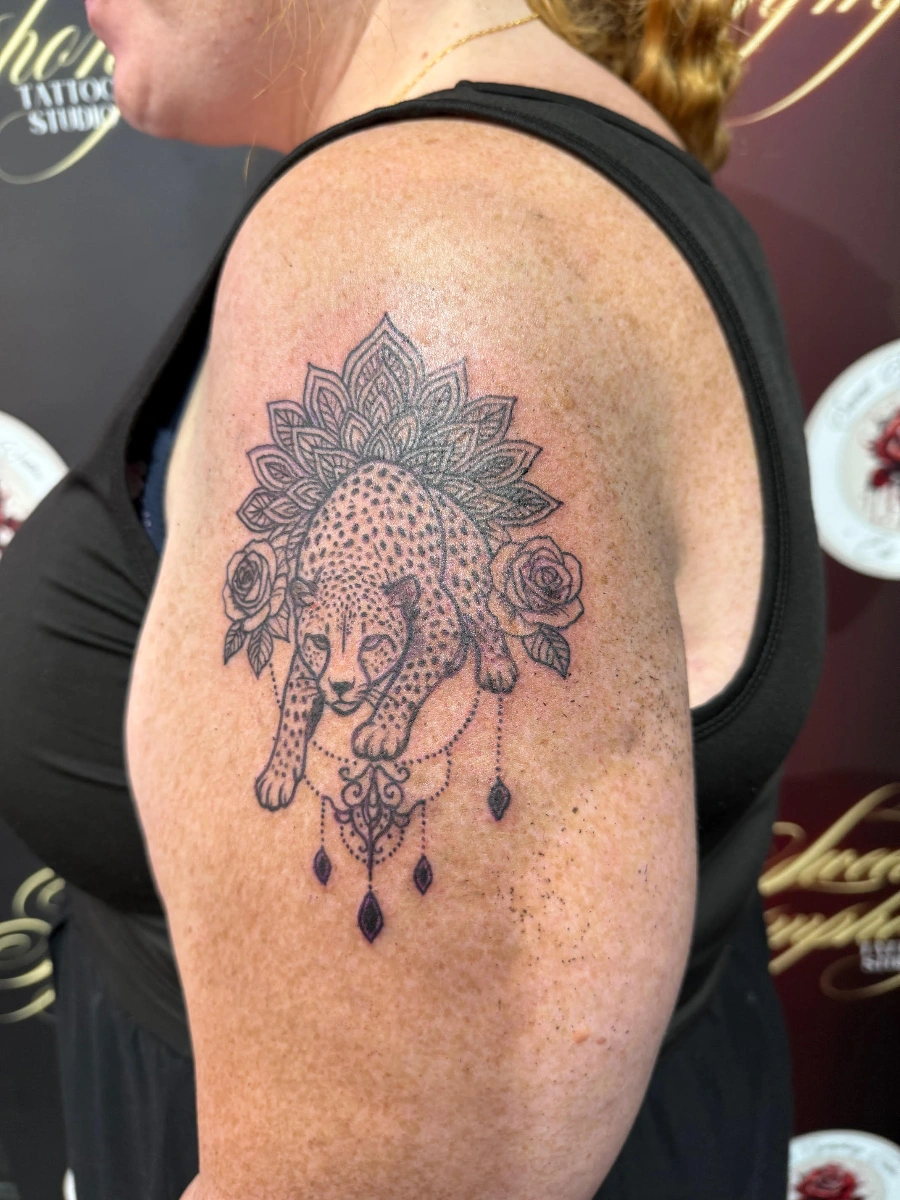
Ornamental tattooing is the quiet workhorse of the Australian scene in 2026. It does not shout the way a photorealistic portrait does. It does not carry the historical weight of Japanese or Polynesian tradition. What it does is hold together entire body maps: mandalas that anchor a sternum piece, dotwork spines that turn a back into a canvas, geometric bands that finish a sleeve. This is the style that lets an artist think architecturally rather than illustratively.
This guide covers what ornamental actually means (spoiler: it is not just mandalas), how to brief an artist, where sacred geometry sits in a respectful modern practice, what a piece will cost in AUD in 2026, and how to make one age beautifully rather than blur into a smudge. Written for Australians in Sydney, Melbourne, Brisbane, Perth, and Adelaide who want a piece that is precise, symbolic, and personal.
Key Takeaways
- Ornamental umbrella: Mandalas, sacred geometry, henna-inspired patterns, geometric linework, dotwork, and ornamental blackwork
- Budget: $200 to $500 for small motifs; $500 to $1,500 for a sternum or thigh piece; $1,500 to $4,000 for a full back or sleeve
- Session time: 1 to 3 hours for a small motif; 4 to 8 hours per session for larger geometric or dotwork panels
- Best placements: Sternum, back, thigh, upper arm, chest, forearm. Anywhere with a flat, symmetrical canvas
- Style match: Choose a dotwork or geometric specialist; ornamental work punishes freehand generalists
- Cultural note: Mandalas, henna motifs, and sacred geometry carry meaning; work with an artist who understands the source, not just the shape
- Longevity: Bold geometric linework ages beautifully; hair-thin dotwork softens over 10+ years and often needs a touch-up
What "Ornamental" Actually Covers
Ornamental is a catch-all for decorative work rooted in pattern and geometry, drawing from many traditions: Buddhist and Hindu mandalas, South Asian henna (mehndi), Islamic geometric tiling, Sacred Geometry as a broader spiritual movement, and contemporary blackwork pattern art. What ties them together is that the design is the whole subject, not a decorative frame for something else.
The Five Ornamental Sub-Styles Australians Book Most
- Mandala: Circular, symmetrical, radiating from a centre. Buddhist and Hindu spiritual roots. Meditation object as much as decoration
- Sacred Geometry: Flower of Life, Metatron's Cube, Sri Yantra. Abstract mathematical forms with metaphysical readings
- Henna-Inspired (Mehndi): Curling floral vines, teardrops, paisleys. Traditionally a South Asian bridal art, now widely reinterpreted
- Dotwork Ornamental: Detailed patterns built entirely from stippled dots. Grey wash without any grey ink; only density and negative space
- Geometric Blackwork: Sharp, structural linework. Triangles, hexagons, sacred solids, tessellations
In a nutshell: ornamental work is architecture on skin. If a portrait is drawing, ornamental is drafting. It rewards precision, planning, and an artist who thinks in shapes before subject matter.
Mandalas: Meaning, Placement, and Design
Mandalas are the single most-requested ornamental design in Australian studios in 2026. Their popularity comes from a rare combination: they look striking at almost any size, they carry genuine spiritual weight, and they can be personalised without breaking the pattern.
What a Mandala Represents
- Origin: Sanskrit for "circle". Central to Buddhist and Hindu ritual practice; used for meditation and cosmological representation
- Meaning: Wholeness, the universe in miniature, the balance between inner and outer worlds
- Modern reading: Personal centring, mindfulness practice, the coming-together of multiple aspects of life
- Elements often woven in: Lotus petals, animals of significance, birthstones, family symbols
Best Placements for a Mandala
- Sternum: The classical placement. Sits symmetrical against the body midline; scales up beautifully
- Upper back / between shoulder blades: Flat, symmetrical canvas; easy to hide at work
- Outer thigh: Large surface, gentler pain, forgiving healing
- Elbow / knee (bandana style): Advanced. The joint distorts the pattern; only book a specialist
- Shoulder cap: Wraps around the deltoid. Feminine and masculine variants both work
Sacred Geometry: What It Is and What It Is Not
Sacred geometry blends mathematics with metaphysics. The core symbols (Flower of Life, Metatron's Cube, Sri Yantra, Vesica Piscis) originate across multiple traditions: Egyptian, Indian, Greek, Jewish mystical, and modern spiritual movements. It is not a single religion's iconography, which is part of why it appeals to Australians who want something abstractly meaningful without a specific creed.
Core Sacred Geometry Symbols
| Symbol | Shape | Meaning |
|---|---|---|
| Flower of Life | 19 interlocking circles | Interconnectedness, creation, unity of life forms |
| Metatron's Cube | 13 circles linked with straight lines | Balance, the underlying pattern of matter |
| Sri Yantra | 9 interlocking triangles | Cosmic energy, meditation focal point |
| Vesica Piscis | Two overlapping circles | Union of opposites, sacred feminine |
| Seed of Life | 7 circles from a central circle | Beginning, potential, the origin of the Flower of Life |
| Golden Spiral | Logarithmic spiral, Fibonacci ratio | Growth, natural mathematical order |
Common Mistakes
- Mixing symbols from unrelated traditions: A Metatron's Cube inside a Sri Yantra reads as decorative rather than considered
- Adding animals or portraits inside: Sacred geometry is usually stronger standing alone. Adding a wolf inside a Flower of Life dilutes both
- Micro sizes: A 4 cm Flower of Life will look like a spot within 5 years. Give the design room
Henna-Inspired Ornamental Work
Traditional South Asian henna (mehndi) is temporary body art applied at weddings, festivals, and celebrations. Its flowing floral motifs (paisleys, vines, teardrops) translate beautifully into permanent ink, but only if handled with awareness. Mehndi is a living cultural practice tied to specific communities across India, Pakistan, Bangladesh, and the diaspora.
How to Approach Henna-Style Tattoos Respectfully
- Do not book "an authentic mehndi bridal design" if you are not part of the community. Wearing a specific bridal composition can read as appropriation
- Do borrow the visual vocabulary: paisleys, floral vines, and dotwork accents are widely used across many decorative traditions
- Work with an artist who names the tradition: "Inspired by mehndi" or "henna-influenced" is honest; "boho geometric" hides the source
- Consider ancestry: Australians with South Asian heritage often use henna-style tattoos as a permanent connection to their community's practice
Ornamental Tattoo Pricing in Australia 2026
Prices below are illustrative averages based on typical Australian market rates in 2026 and do not represent the actual fee charged for any specific tattoo shown. Featured artists set their own rates; always ask for a personal quote.
| Design | Size | Time | Price (AUD) |
|---|---|---|---|
| Small geometric motif | 4-8 cm | 1-2 hrs | $180-$400 |
| Mandala on inner forearm | 8-12 cm | 2-4 hrs | $400-$800 |
| Sternum mandala | 15-20 cm | 4-6 hrs | $700-$1,400 |
| Thigh dotwork panel | 20-30 cm | 5-8 hrs | $900-$1,800 |
| Full back sacred geometry | 40+ cm | 15-25 hrs across sessions | $2,500-$5,000 |
| Ornamental half-sleeve | Sleeve length | 10-18 hrs across sessions | $1,500-$3,500 |
City-by-city rates track the wider market: Sydney and Melbourne sit at the top, Adelaide and regional Australia around 20% cheaper. Get a personal quote with our tattoo cost calculator before you commit.
Heads up: ornamental artists often quote flat rates for a design rather than pure hourly. It sounds more expensive at first glance but usually protects you if the piece runs long. If your artist offers a package price, take it.
Choosing the Right Australian Ornamental Artist
Not every good tattoo artist is a good ornamental artist. The skills that make a photorealistic portrait sing (soft shading, hair-fine detail) are different from the skills that make a mandala hold together (perfect symmetry, dot density control, geometric layout). Use these filters.
Green Flags in a Portfolio
- 10+ recent ornamental pieces, not just one or two flagship images
- Clean symmetry across mandala centres (a wobbly axis is the fastest tell of an inexperienced artist)
- Consistent dot density in dotwork sections (no over-saturated patches)
- Healed photos, not just fresh-ink shots (ornamental blur is a real risk)
- Design consultation offered (custom mandala should never be traced from a Google Image search)
Red Flags
- Portfolio jumping between styles without any specialism
- Refusal to sketch a custom design; only stock flash offered
- Fresh tattoos where the dotwork looks pixelated or heavy on one side
- Vague answers about symbol meaning ("mandalas are just decorative circles")
Browse verified Australian studios in Sydney, Melbourne, Brisbane, Perth, and Adelaide. Filter by dotwork or geometric specialty for the tightest match.
Design Development: From Idea to Stencil
Ornamental work rewards planning more than any other style. The composition matters more than the individual elements. A custom sternum mandala takes an artist 3 to 8 hours of drawing time before you sit in the chair. Do not rush it.
Consultation Checklist
- Bring reference images (5 to 10) that show the feel you want, not the exact design
- Note any personal symbols you want incorporated (birthstones, animals, initials)
- Discuss placement in detail: how does the design flow with your body's natural lines?
- Ask about session length: ornamental sessions are usually longer than illustrative
- Confirm design revision process: how many rounds are included in the deposit?
Session Preparation
- Eat a proper meal 2 hours before (long ornamental sessions burn glucose fast)
- Wear loose, dark clothing (ink can transfer during long sessions)
- Bring earphones, a book, and a water bottle
- Skip caffeine within 2 hours of the session (increases sensitivity and bleeding)
Aftercare Notes Specific to Ornamental Work
The precision that makes ornamental work beautiful is also what makes it easy to lose in the healing process. Fine dotwork blurs. Sharp geometric lines soften. Follow standard aftercare (see our aftercare guide) with three extra habits.
- Very thin moisturiser layer. Heavy ointment softens the fine dot patterns; a light Bepanthen film is enough
- Avoid pressure for 14 days. Do not sleep on the tattoo. Do not wear tight clothing over it. Pressure on healing dotwork causes visible line spread
- Sun protection is non-negotiable. Ornamental tattoos are usually all black or dotwork; UV fades those faster than colour. SPF 50+ for the first 12 months after healing
- Book a healed check at 6 months. Most Australian studios include one free touch-up. For ornamental, use it. A single re-punch of key dots keeps the whole pattern crisp
Cultural Sensitivity: The Two-Minute Version
Sacred geometry, mandalas, and mehndi motifs all come from living cultural and spiritual practices. You do not need to be Buddhist to wear a mandala, or South Asian to wear a paisley. What you do owe is basic awareness.
- Understand the symbol. A Sri Yantra means something specific in Hindu tantric tradition. Book it because it resonates with that, not because it looks pretty
- Do not mix inconsistent iconography. A Metatron's Cube inside a mandala with a Chinese dragon reads as pastiche
- Work with an informed artist. If they cannot tell you where the symbol comes from, book someone else
- Skip religious icons if you are not part of the religion. A mandala is a wider spiritual concept; a specific Buddha or Ganesh portrait sits in a different category
Frequently Asked Questions
What is the difference between ornamental and geometric tattoos?
Geometric is a subset of ornamental. Geometric focuses specifically on angular shapes (triangles, hexagons, sacred solids). Ornamental is broader and includes mandalas, henna-inspired vines, sacred geometry, and any decorative pattern-based work.
Can ornamental tattoos be done in colour?
Yes, but the classical look is black or blackwork plus dotwork. Colour accents (deep blue, red, gold) can work as highlights around a central mandala. Full-colour mandalas can look powerful but need a very skilled colour ornamental specialist.
How long does a sternum mandala take?
Typically 4 to 6 hours in a single session for medium sizes, or 2 sessions of 3 to 4 hours each for larger, denser pieces. The sternum is one of the more sensitive placements, so most people prefer splitting into shorter sittings.
Do dotwork tattoos hurt more than line work?
Slightly, because the artist is repeatedly punching the same areas of skin to build up dot density. It is a duller, longer sensation rather than sharper. Most clients find it manageable, but expect a longer session than an equivalent-size linework piece.
Will my ornamental tattoo age well?
Yes, if the line weight and dot density are strong enough. Ornamental tattoos with bold structural lines age 20+ years cleanly. Hair-fine dotwork softens after 8 to 10 years and benefits from a touch-up. Choose an experienced Australian specialist and commit to the stronger line weight.
Is a mandala a religious tattoo?
It originated in Buddhist and Hindu spiritual practice, so it carries religious weight. Modern Australians wear mandalas both religiously and secularly (as meditation aids, personal symbols, or aesthetic pieces). Neither reading is wrong; awareness of the source is what matters.
Bottom Line
Ornamental work is the most technically demanding tattoo style and the one that rewards planning most. Choose a dotwork or geometric specialist, brief a custom design, commit to a size that lets the pattern breathe, and treat the two-week aftercare like the investment it is. In Australia in 2026, expect $400 to $1,500 for a medium ornamental piece and $2,500 to $5,000 for a large back or sleeve. Done well, an ornamental tattoo becomes one of the pieces that draws the most comments over the longest time.
Ready to look at ideas? Explore our geometric and dotwork galleries, both full of Australian artist work.
Explore More
Find Tattoo Shops
Browse by Style
Stay Updated with the Latest Insights!
Get the latest news and updates delivered to your inbox.
Related Articles
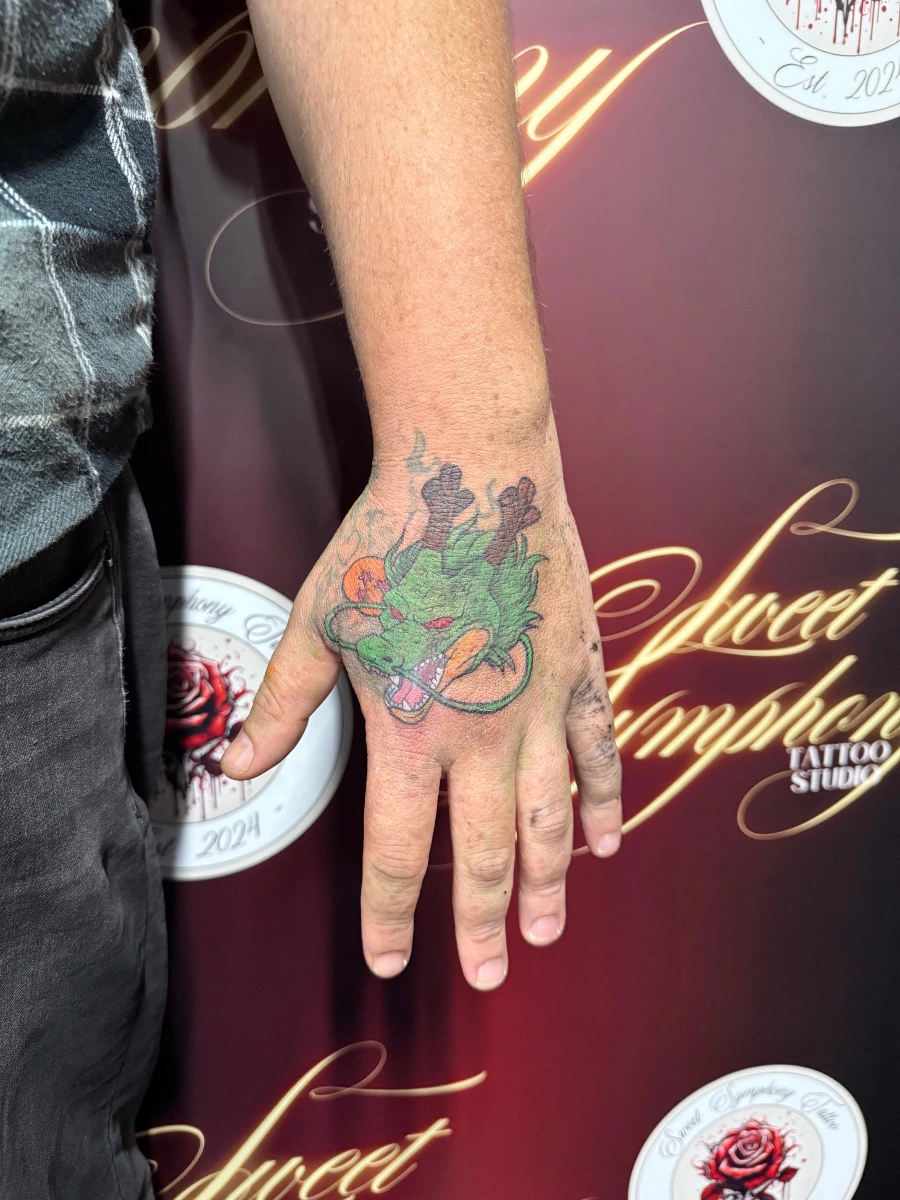
Colour vs Black and Grey Tattoos 2026: The Australian Decision Guide
Colour vs black and grey tattoos in Australia 2026. Longevity, cost, skin tone fit, aftercare, and hybrid options compared for real bookings.
Read More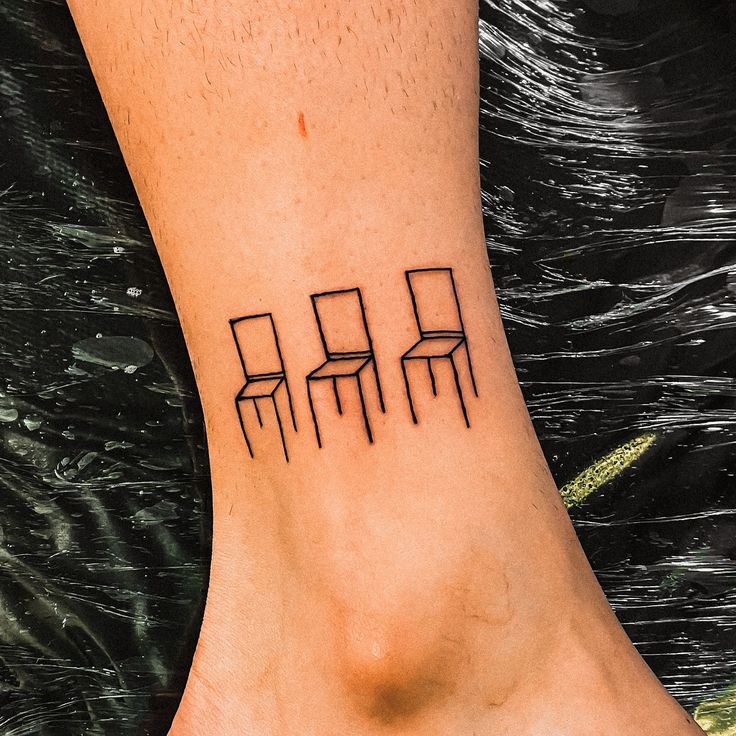
Celtic Tattoo Guide Australia 2026: Knotwork, Symbols and Heritage
Australian 2026 Celtic tattoo guide: Trinity knot, Dara, Claddagh, Tree of Life meanings, best placements, blackwork artists, and pricing $150-$3,500 AUD.
Read More
Illustrative Tattoo Guide 2026: Fine Art Style in Australia
Illustrative tattoos in Australia 2026. Storybook, engraving, and painterly styles that read as fine art on skin. Pricing $300 to $2,500 AUD.
Read More