Illustrative Tattoo Guide 2026: Fine Art Style in Australia
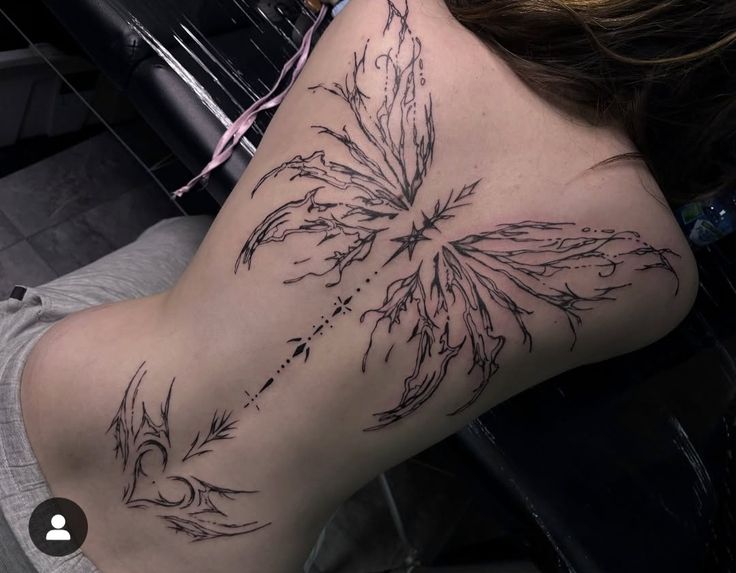
Some tattoos look like tattoos. Others look like they have been lifted from a gallery wall. Illustrative work sits firmly in the second camp. It bridges the gap between traditional tattooing and fine art, borrowing techniques from etching, watercolour, oil painting, and children's book illustration to produce pieces that feel hand-drawn, narrative-driven, and unmistakably artistic.
In Australia, illustrative tattooing has grown into one of the strongest booking categories of the last five years. Fine art graduates, illustrators, and printmakers have moved into the studio scene, and the result is a wave of tattoo work that reads less like a stencil and more like a painting. This guide walks through the substyles, the artists to seek out, realistic 2026 pricing, and the aging considerations that matter before you book.
Key Takeaways
- What it is: a fine-art approach that borrows from illustration, etching, watercolour, and comics; not one look but a whole family
- Signature moves: visible pencil lines, cross-hatching, painterly washes, storybook composition
- Best sizes: medium to large. Detail-heavy substyles need room to breathe (12 to 25 cm+)
- Australian pricing: $300 to $2,500 AUD per piece; hourly rates $150 to $300
- Best for: literary tattoos, narrative scenes, artist collaborations, character portraits with mood
- Aging: pigment choice and skilled linework matter more than in any other style
- Booking runway: top illustrative artists in Sydney and Melbourne have 3 to 8 month waitlists
What Illustrative Tattooing Actually Means
Unlike Japanese, traditional, or realism, illustrative is not defined by a single rulebook. It is defined by the mindset: applying fine-art techniques to skin. Any given illustrative piece might combine dotwork, watercolour splash, cross-hatched shading, and a graphic-novel composition all in one design. The unifying element is that it looks like art, not a stencil.
Recognisable characteristics
- Artistic freedom: not bound by traditional tattoo rules; the artist's voice is front and centre
- Sketch-like quality: intentional pencil lines, loose linework, "unfinished" edges
- Painterly elements: visible brushwork textures, colour blending, watercolour washes
- Narrative focus: tells a story, sets a scene, creates atmosphere
- Mixed techniques: combines dotwork, linework, shading, and colour within one composition
- Custom compositions: almost always original artwork, not flash
- Organic flow: feels intentionally imperfect, human, hand-drawn
In a nutshell: if traditional tattoos are printed graphic design, illustrative tattoos are pages torn from a sketchbook. That freedom is the appeal and the challenge.
Substyles Under the Illustrative Umbrella
Storybook
Whimsical, fairy-tale aesthetic. Soft lines, gentle shading, narrative scenes lifted from the vibe of children's book illustration. Best for characters, animals with personality, dreamy dreamscape scenes.
Engraving and etching
Cross-hatching, woodcut-inspired texture, dense line work creating depth. Draws heavily on 18th and 19th century print history. Best for anatomical illustrations, botanicals, portrait realism with an antique feel.
Graphic novel and comic
Sequential-art influence: bold outlines, dynamic movement, panel composition, selective spot colour. Best for character-driven pieces, action-scene tattoos, fandom homages done seriously.
Botanical illustration
Scientific, anatomically accurate plant drawings. Delicate linework, precise detail, restrained shading. Best for florals, herbs, mushrooms, insects rendered with scientific rigour.
Sketch style
Intentional "unfinished" look with visible construction lines and rough edges. Feels spontaneous and artistic. Best for portraits, quick line studies, animal drawings that feel drawn in the moment.
Painterly and brushwork
Painting techniques translated to skin. Visible brushstrokes, colour blending, oil-painting or watercolour aesthetics. Best for expressive florals, abstract compositions, and colour-forward portraiture.
Illustrative vs Other Popular Styles
| Aspect | Realism | Traditional | Illustrative |
|---|---|---|---|
| Goal | Photo-accurate | Bold, iconic | Artistic interpretation |
| Line weight | Minimal or none | Thick, uniform | Variable, expressive |
| Colour | Naturalistic | Bold flat colour | Painterly, mixed |
| Composition | Reference-driven | Symbolic, rule-based | Narrative, free-form |
| Ages best at | 10 to 15 cm+ | Any size | 15 cm+ for detail |
| Australian rate/hr | $180 to $300 | $130 to $200 | $150 to $280 |
Why Illustrative Work Costs What It Does
The costs below are illustrative averages based on typical 2026 Australian studio hourly rates. Individual quotes vary by artist, complexity, and city.
Illustrative pieces sit at the higher end of the Australian pricing spectrum because they demand custom design time and specialist technique. You are usually paying for two things: the artist's hourly and the pre-appointment illustration hours.
| Piece Type | Typical Size | Sessions | Total (AUD) |
|---|---|---|---|
| Small illustrative motif | 8 to 12 cm | 1 | $300 to $600 |
| Medium narrative piece | 12 to 20 cm | 1 to 2 | $600 to $1,400 |
| Large panel (forearm, thigh) | 20 to 30 cm | 2 to 3 | $1,400 to $2,500 |
| Half sleeve or back panel | 30 cm+ | 3 to 5 | $2,500 to $5,000 |
| Full sleeve or back piece | 50 cm+ | 5 to 10 | $5,000 to $12,000+ |
Expect a design fee of $100 to $400 on top for custom original artwork. Some studios waive this if you commit to a large panel; ask upfront. Use our tattoo cost calculator for a personalised quote by city and complexity.
Where to Find Illustrative Artists in Australia
Illustrative work is concentrated in Sydney and Melbourne, with strong studios in Adelaide, Brisbane, Perth, and Canberra. The scene is small and reputation travels fast, so vetting is easier than it looks.
How to spot a real illustrative specialist
- Portfolio depth: at least 50 finished illustrative pieces with consistent style
- Design process: sends you sketches before the appointment, not just a stencil on the day
- Fine art background: many of the best Australian illustrative artists have BFA or design training
- Original work: shares in-progress drawings, not just healed tattoos
- Genuine style voice: you can pick their work out of a lineup without seeing the caption
City directories help too: browse studios in Sydney, Melbourne, Brisbane, Perth, and Adelaide.
Read our choose a tattoo artist guide for a full vetting framework, plus the consultation guide so you know what to bring on the day.
Aging: What Happens to Illustrative Ink at Year 10 and Beyond
Illustrative work is more fragile than traditional or Japanese for two reasons: the visible fine lines and the frequent use of coloured washes. Both of those elements need skilled technique to survive time, but when they do, they age into character rather than out of it.
What ages well
- Black and grey illustrative work with well-anchored linework
- Dense engraving or cross-hatch pieces (the density preserves the illusion even as lines soften)
- Botanical illustrations tattooed above 12 cm
- Solid-black elements as structural anchors
What ages less well
- Fully watercolour washes with no linework; can go patchy without touch-ups
- Very fine sketch lines (under 1 mm) that merge with time
- Yellow or pastel pigment on hands, feet, or high-friction areas
- Anything under 8 cm with heavy interior detail
Read our tattoo aging and longevity guide for the full aging science and daily care that helps illustrative pieces stay crisp.
Heads up: the Australian UV index does illustrative pieces no favours. SPF 50+ on any exposed piece daily, especially in the first two years, is the single best investment you can make.
Placement Considerations for Illustrative Work
| Placement | Illustrative Fit | Notes |
|---|---|---|
| Forearm | Excellent | Flat canvas, easy to display, ages well |
| Upper arm and shoulder | Excellent | Great for narrative scenes and characters |
| Thigh | Excellent | Big canvas for painterly compositions |
| Back panel | Excellent | Best for large storybook or engraving pieces |
| Ribs and side | Good | Adds intimacy; painful, but well-suited to script and delicate art |
| Calf | Good | Long vertical canvas suits botanical illustration |
| Hands and feet | Poor | Fine illustrative lines fade fast on these zones |
| Neck and face | Avoid | Career risk, aging risk, and detail loss all stack |
Booking an Illustrative Piece: What to Prepare
Reference material to bring
- 3 to 6 images that inspire the mood you want (they can be paintings, book illustrations, not just other tattoos)
- 1 to 2 examples of the artist's healed work you love, so the direction is clear
- A written brief covering size, placement, colour vs black and grey, and story
- Any hard "no" list (colours you dislike, elements you do not want)
What the artist will usually provide
- A rough sketch within 1 to 4 weeks of the consultation
- 1 to 2 revision rounds; further changes may cost extra
- A final stencil on the day, sized to the placement
- Aftercare instructions specific to their preferred healing method
Trending Illustrative Directions in 2026
- Neo-storybook: whimsical characters with modern colour palettes; big on Melbourne bookings
- Old master remixes: Renaissance or Baroque compositions rendered as tattoos
- Botanical anatomy: plants and animals in scientific illustration style
- Sketchbook portraits: loose graphite-style portraits with intentional "unfinished" edges
- Australian native flora: banksia, waratah, gum blossoms treated as illustrative botanicals
- Mixed-media narrative: combining engraving, watercolour splash, and dotwork in one panel
Browse the illustrative gallery, the watercolour gallery, and the blackwork gallery to see how these directions look on real Australian artists' work.
Frequently Asked Questions
Is illustrative the same as watercolour?
Watercolour is a substyle of illustrative, not a synonym. All watercolour tattoos are illustrative, but not every illustrative piece uses watercolour techniques. Engraving, sketch, storybook, and painterly all sit under the illustrative umbrella too.
Will an illustrative piece age worse than realism?
Not necessarily. It depends on line weight, pigment quality, placement, and daily UV exposure. A well-executed illustrative piece on the outer arm with good SPF discipline will often outlast a rushed realism portrait on a high-friction spot.
Can I combine illustrative with other styles in one sleeve?
Absolutely, and it is one of the strongest ways to design a modern Australian sleeve. Anchor with bold traditional or blackwork elements and let illustrative panels breathe in between. Talk to your artist early about flow so nothing clashes.
How long is the typical waitlist for a top illustrative artist?
Sydney and Melbourne headliners commonly book 3 to 8 months ahead. Rising talent in the same cities often has 4 to 8 week windows. Regional artists with strong illustrative portfolios can sometimes book within a month.
Should I bring a full colour reference or trust the artist?
Both. Bring mood references but leave the exact palette to the artist. Illustrative specialists spend years learning what pigments hold up under Australian sun and skin. Their palette choices are almost always better than a Pinterest board.
Bottom Line
Illustrative tattooing rewards patience, planning, and picking the right artist. Give a specialist the room to make original work, size the piece for the detail it needs, sit through 3 to 8 months of waitlist if that is what a great artist demands, and protect the healed piece with daily SPF. Do those four things and you end up with a tattoo that reads as fine art on skin, ages into character, and quietly becomes the piece other tattoos in your future collection organise themselves around.
Explore the illustrative gallery for inspiration, or take our tattoo style quiz to see if illustrative is the right fit for your first or next piece.
Explore More
Find Tattoo Shops
Browse by Style
Stay Updated with the Latest Insights!
Get the latest news and updates delivered to your inbox.
Related Articles
Colour vs Black and Grey Tattoos 2026: The Australian Decision Guide
Colour vs black and grey tattoos in Australia 2026. Longevity, cost, skin tone fit, aftercare, and hybrid options compared for real bookings.
Read More
Celtic Tattoo Guide Australia 2026: Knotwork, Symbols and Heritage
Australian 2026 Celtic tattoo guide: Trinity knot, Dara, Claddagh, Tree of Life meanings, best placements, blackwork artists, and pricing $150-$3,500 AUD.
Read More
Ornamental Tattoo Guide Australia 2026: Mandalas and Sacred Geometry
Australian 2026 ornamental tattoo guide: mandalas, sacred geometry, henna-style, dotwork, placement, pricing $180-$5,000, and finding a specialist artist.
Read More