Tattoo Consultation Complete Guide Australia 2026
You have saved the references, scrolled the artist's Instagram three times, and finally booked a consultation. Then you walk in, freeze, forget every question, mumble "yeah whatever you think," and walk out with a deposit gone and only a vague plan to show for it. Sound familiar?
A consultation is the single most important hour of any tattoo project. It is where vision meets feasibility, where the artist works out if they are a good match, and where the budget gets real. This guide walks through exactly how to prepare for a tattoo consultation in Australia in 2026, what to ask, what to bring, and the red flags that should send you straight back out the door.
Key Takeaways
- What a consultation is for: Aligning vision, checking artist fit, locking placement, pricing, and timeline before any needle work
- Consultation fees: $0 to $150 AUD, usually credited toward the tattoo cost
- Bring: 8 to 15 reference images, written brief, body shots for placement, a pen, and your medical notes
- Ask early: Hourly rate, total estimate, deposit, design fee, touch-up policy, healing photos
- Never ask: An artist to copy another artist's custom piece. It is the single biggest red flag in the industry
- Red flags: Cash-only with no receipt, vague pricing, can not show portfolio, suggests far cheaper than market rate
- After the consult: Sleep on it 24 hours before paying the deposit. Free consultations are common; bad tattoos are forever
What a Tattoo Consultation Actually Is
A consultation is the 30 to 60 minute conversation where you and your artist work out whether the project is going to happen, how, and at what cost. It is not the design session, although some artists do quick sketches. It is not the deposit moment, although it usually ends with one. It is the meeting where everything gets aligned before time and ink get committed.
| Purpose | What it achieves | What goes wrong without it |
|---|---|---|
| Vision alignment | Artist understands exactly what you want | Final tattoo does not match expectation |
| Style fit | Confirms artist is right for your direction | Style mismatch, mediocre result |
| Feasibility check | Artist flags technical limits early | Awkward pivots mid-design |
| Placement plan | Professional advice on body site, sizing | Poor placement, distortion as you age |
| Pricing clarity | Locks hourly rate, total estimate, deposit | Sticker shock and disputes mid-project |
| Trust building | Reduces anxiety, builds rapport | Doubt and second-guessing during sessions |
In a nutshell: a consultation is cheap, a regret tattoo is expensive. The hour you spend talking now saves the hundred you might spend covering up later.
Consultation Formats: In-Person, Video, Email
In-person consultation
Best for: Custom designs, large pieces, first-time clients, anything where placement assessment matters.
- Face-to-face rapport, easier to read body language
- Physical portfolio review and a look at the studio space
- Hands-on placement test with stencils or marker on the body
- Fee: $0 to $150, usually deducted from the tattoo total
Video or phone consultation
Best for: Simple designs, repeat clients, interstate clients, shortlisting before committing to a studio visit.
- Convenient, no travel time
- Easy to share references via screen-share
- Harder to assess placement remotely
- Fee: usually free or $20 to $50
Email or DM consultation
Best for: Pricing questions, basic design queries, very small pieces.
- Written record of everything discussed
- Easy to share images and links
- Slow back and forth, often misread tone
- Not suitable for complex custom work
How to Prepare Before the Consultation
Step 1: Develop a clear concept
Before walking in, you should be able to answer five questions in plain language:
- Subject: What is the tattoo of? Specific imagery, text, or symbols
- Style: Traditional, neo-traditional, realism, blackwork, watercolour, fine line, Japanese, geometric, etc.
- Colour: Full colour, black and grey, selective colour, monochrome
- Size and placement: Rough size and where on the body
- Detail level: Bold and graphic or intricate and detailed
If you do not know yet, that is fine, just say so and let the artist guide you. Pretending to have a plan when you do not is a faster path to a tattoo you regret.
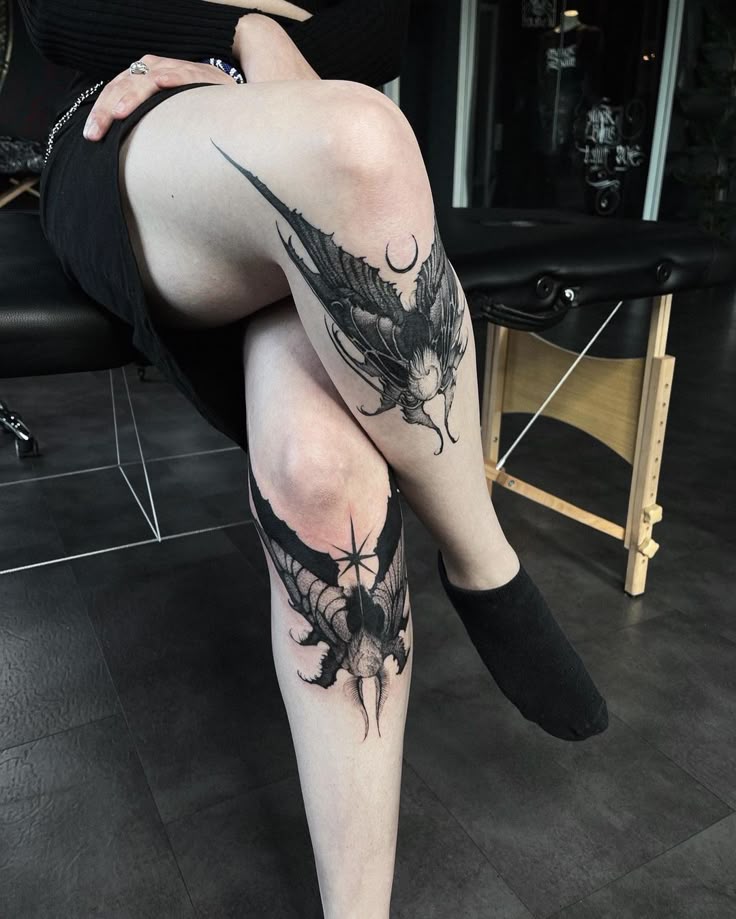
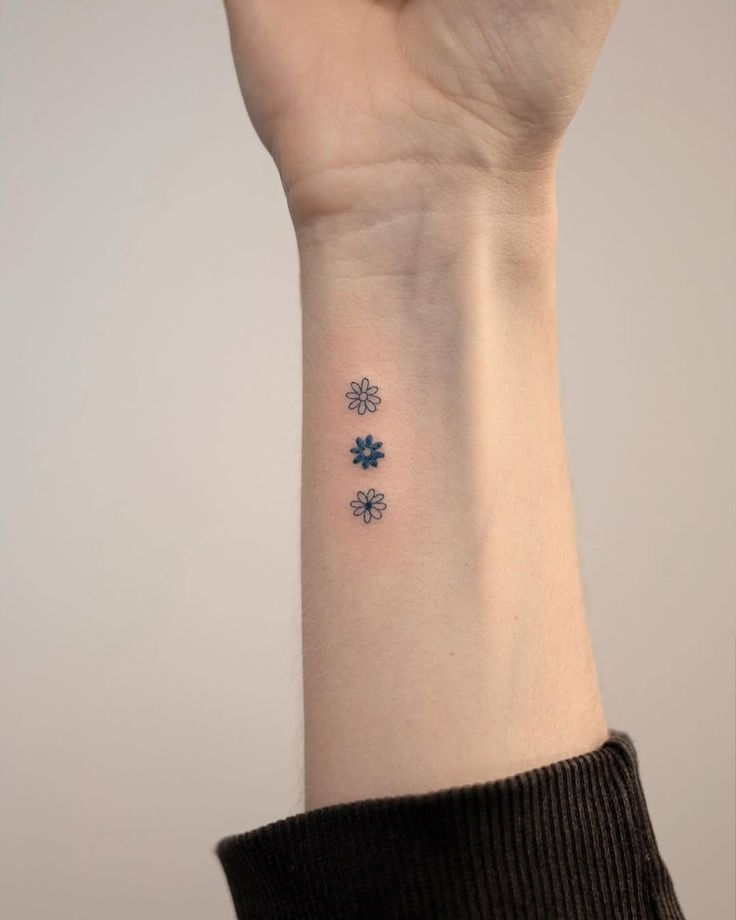
Photographs below are example portfolio pieces from real Australian artists on the platform. They illustrate the range of styles and detail levels you might discuss in a consultation and do not reflect the specific tattoo planned for any individual client.
Step 2: Gather your reference pack
Aim for 8 to 15 images across three buckets, saved into a single folder or Pinterest board.
| Reference type | What it shows | Examples |
|---|---|---|
| Subject references | What the tattoo depicts | Photos of the animal, flower, person, object |
| Style references | Aesthetic you want | 3 to 5 tattoo photos in your preferred style |
| Composition references | Layout and flow | How elements fit together, background ideas |
| Colour references | Palette and saturation | Photos with the colours you like |
| "Avoid" references | What you do not want | Styles, fonts, motifs you dislike |
Never ask the artist to copy another artist's custom work. It is the single biggest breach of etiquette in tattooing. Say "I love this style" or "this composition makes sense" rather than "make me this exact tattoo." A good artist will create something unique that fits your vision.
Step 3: Research the artist
Spend an hour scrolling their full Instagram, studio page, and any client reviews. Note:
- Which pieces resonate and why
- Their clear specialties (do not book a fine-line artist for traditional, or vice versa)
- Consistency across pieces (good artist) vs occasional standout (be cautious)
- Whether they are licensed and the shop is council-registered
- Booking policies, deposit terms, lead times
Step 4: Practical pre-work
- Budget: A realistic top and bottom number for the project. See our Australian tattoo price guide for current ranges
- Timeline: When you want it done and any hard deadlines (wedding, birthday, holiday)
- Availability: Days and times you can sit, in single or multi-session blocks
- Medical history: Any conditions, medications, allergies, recent surgeries, pregnancy plans
- Existing tattoos: Photos of nearby ink that the new piece will need to flow with
Essential Questions to Ask
About the design
- Is my concept feasible as a tattoo? Any technical limits I should know?
- What size do you recommend for the level of detail I want?
- How will this design age over 10 to 20 years?
- Can you show me healed examples of similar work?
- What freedom would you like with the design vs sticking to my references exactly?
- Will I see the design before the appointment day?
About placement
- Is this the best body location for the design, or would you suggest somewhere else?
- How will this placement age as the skin changes over decades?
- Will it work with my existing tattoos and any future ones I have planned?
- How visible will it be in professional settings, swimwear, or formal attire?
- Where does it sit on the pain scale and is there anything I should do to prepare?
About process and timeline
- How long will this take, single sitting or multi-session?
- What is your current lead time for booking?
- What happens if I need to reschedule, and is the deposit refundable?
- How much healing time should I leave between sessions?
- When will the final design be ready for approval?
About cost
- What is your hourly rate or piece price for this style?
- What is the total realistic estimate, low and high end?
- How much is the deposit and is it deducted from the total?
- Do you charge a design fee on top of the tattoo time?
- Is a touch-up included if needed within 6 months?
- What payment methods do you accept (cash, card, Afterpay, Zip)?
About hygiene and credentials
- Can I see your council registration and infection-control certificate?
- What sterilisation protocols do you follow for needles and equipment?
- Are single-use needles and tubes standard practice here?
- Do you have professional indemnity insurance?
About aftercare
- What aftercare protocol do you recommend?
- What products should I have at home for the first 4 weeks?
- When can I return to swimming, the gym, and the beach?
- What are signs of trouble I should watch for?
What the Artist Wants From You
Consultations are a two-way street. Knowing what your artist values helps you present yourself as a client they actually want to work with.
| What artists value | Why | How to demonstrate |
|---|---|---|
| Clear vision | Faster design, fewer revisions | Organised references, articulate description |
| Flexibility | Lets artist do their best work | "I trust your judgement on placement" or "what would you suggest?" |
| Respect for their time | Builds a good working relationship | Punctual, polite, valuing their craft |
| Realistic expectations | Avoids disappointment | Understanding cost, timeline, pain |
| Honest communication | Prevents mid-project surprises | Sharing concerns early, not last-minute |
Red Flags From the Artist's Side
Walk away (and keep your deposit, if possible) if the artist:
- Dismisses or ignores questions about hygiene, pricing, or process
- Pressures you to commit a deposit on the day
- Cannot show 10 plus relevant portfolio examples
- Refuses to discuss pricing clearly or insists on cash with no receipt
- Quotes suspiciously cheap rates compared to local market
- Does not ask about your medical history or medications
- Is defensive about hygiene or licensing
- Promises results that sound impossible (especially around cover-ups)
- Insists on a different style than what you want
- Appears unprofessional, distracted, or intoxicated
Red Flags From the Client's Side
Equally, some behaviour gets clients quietly blacklisted. Avoid:
- Asking the artist to copy another artist's custom work exactly
- Haggling aggressively over pricing
- Showing up intoxicated, unwell, or sleep-deprived
- Bringing a large group of friends to the consultation
- Insisting on a face, hand, or neck tattoo as your first piece (most professionals will refuse)
- Being rude to studio staff or talking down to the artist
- Texting throughout the consultation instead of engaging
- Demanding a price below market rate for "the exposure" or "future work"
Decision Time: After the Consultation
Take 24 hours before paying any deposit. The consultation is fresh and the studio energy is persuasive; a night's sleep makes it much easier to spot whether you actually felt good about the artist or just felt pressured to commit.
Green lights to proceed
- You felt heard and understood
- Artist showed genuine interest in the project
- Portfolio clearly demonstrates capability for your style
- Pricing was transparent and matched market rates
- Studio was clean, professional, and council-registered
- The proposed timeline made sense
- Your gut feeling was positive
Warning signs to reconsider
- You felt rushed, pressured, or upsold
- Artist seemed disinterested or distracted
- Significant style mismatch between portfolio and your vision
- Vague answers about hygiene, sterilisation, or insurance
- Price felt suspicious (either too high or too low)
- You left with more doubts than clarity
- Your gut feeling was uncertain
Booking and Deposit Etiquette
Once you have decided to proceed:
- Pay the deposit promptly. Typical Australian deposits are $100 to $500, or 20 to 30% of the total. This locks the booking
- Confirm in writing. Date, time, total estimate, deposit amount, and design elements. A simple email reply works
- Stay reachable. Artists may message about design progress 1 to 2 weeks before the session. Respond promptly
- Review the final design. Most artists share the design 1 to 3 days before the appointment for sign-off
- Prep your body. Sleep well, eat a proper meal, avoid alcohol the night before, hydrate. See our first 24 hours guide for the post-session routine
If you decide not to proceed, message them within 48 hours, thank them politely, and decline. There is no need to over-explain. Australian tattoo communities are small; bridges burned at consultation stage close doors later.
Special Consultation Scenarios
Cover-up consultations
Cover-up consultations require extra prep. Bring:
- Clear photos of the existing tattoo from multiple angles in good light
- The original artist's details if known
- Honest context about why you want it covered (ex-partner, faded design, regret)
- An open mind about larger, darker designs or laser pre-treatment
Expect a frank conversation about constraints. Our black ink cover-up guide and partial removal guide explain what is actually possible.
First-time tattoo consultations
Tell the artist it is your first piece. Good artists slow down, explain everything, and steer you toward a manageable size, placement, and style. Discuss pain management, what to eat beforehand, and what to wear. Start small enough to test your tolerance without committing to a major piece.
Multi-session large project consultations
For sleeves, back pieces, or full-body work, the consultation often runs 60 to 90 minutes and covers:
- Phasing (what gets done in each session and in what order)
- Total cost and how it gets paid across the project
- Realistic timeline, often 6 to 24 months end to end
- How the design might evolve as the project progresses
- Priority booking arrangements for ongoing work
City-Specific Notes
| City | Typical consultation fee | Notes |
|---|---|---|
| Sydney | $50 to $150 | Top-tier studios often charge, deduct from tattoo |
| Melbourne | $0 to $100 | Many studios free for repeat clients |
| Brisbane | $0 to $80 | Most independent artists free, chains often charge |
| Perth | $0 to $50 | Mostly free, longer drives common |
| Adelaide | $0 to $50 | Almost always free |
Browse studios with verified hygiene credentials in Sydney, Melbourne, Brisbane, Perth, or Adelaide. Each studio listing shows hourly rate, style focus, and Instagram so you can shortlist before booking consultations.
Consultation-Day Checklist
- Folder or Pinterest board with 8 to 15 reference images
- Written one-page brief describing the design in your own words
- List of questions ranked by importance
- Realistic budget range (top and bottom number)
- Calendar showing your real availability for sessions
- Medical history notes including medications and any allergies
- Photos of the body area for placement discussion
- Photos of existing tattoos that will sit nearby
- Pen and notebook for jotting down what the artist says
- Arrive 5 to 10 minutes early; do not be late
Frequently Asked Questions
Should I pay the deposit on the consultation day?
Only if you are completely sure. Most artists hold spots for 24 to 72 hours after a consultation so you can sleep on it. Walk away if you are pressured to pay immediately.
Are consultations always required?
For walk-in flash designs, no. For any custom piece, large project, or cover-up, yes. Most Australian studios will not book a custom tattoo without at least a video consultation first.
How long should a consultation actually take?
20 to 30 minutes for small simple pieces. 45 to 60 minutes for medium custom work. 60 to 90 minutes for sleeves, back pieces, or cover-ups. If the artist is rushing through in under 15 minutes for a complex piece, that is a red flag.
Can I bring a friend to the consultation?
One supportive friend is fine for nerves, especially first-timers. A group of three or more is unprofessional and most artists will not allow it. Group dynamics also distract from the actual planning conversation.
What if I do not know exactly what I want yet?
Be honest about it. Good artists are skilled at drawing out vague ideas into clear briefs through questions. Bring the rough direction, mood, and style references you do have, and trust the artist to guide the rest. Our first tattoo guide walks through how to land on a concept.
How much should the consultation actually cost?
Free to $150 in Australia in 2026. Higher-end studios in Sydney and Melbourne often charge $50 to $150, almost always deductible from the final tattoo price. Anyone charging more than $200 for a 30-minute consultation is unusual; ask what is included.
Bottom Line
A consultation is the cheapest hour of any tattoo project and the one most often skipped or rushed. Show up prepared, ask the right questions, demand transparency, and sleep on the decision before paying the deposit. The tattoo on your skin in five years will reflect the care you put into that one conversation.
Next steps: browse studios in your city, message two or three shortlisted artists for consultations, and run them through the questions in this guide. For the post-consultation pre-session prep, see our first 24 hours after tattoo and week 1 care guides.
Explore More
Find Tattoo Shops
Browse by Style
Stay Updated with the Latest Insights!
Get the latest news and updates delivered to your inbox.
Related Articles
Partial Tattoo Removal for Cover-Ups Australia 2026
Partial laser removal for cover-ups in Australia 2026: 2 to 4 sessions, $700 to $2,800 total, timeline, design freedom, real project costs.
Read More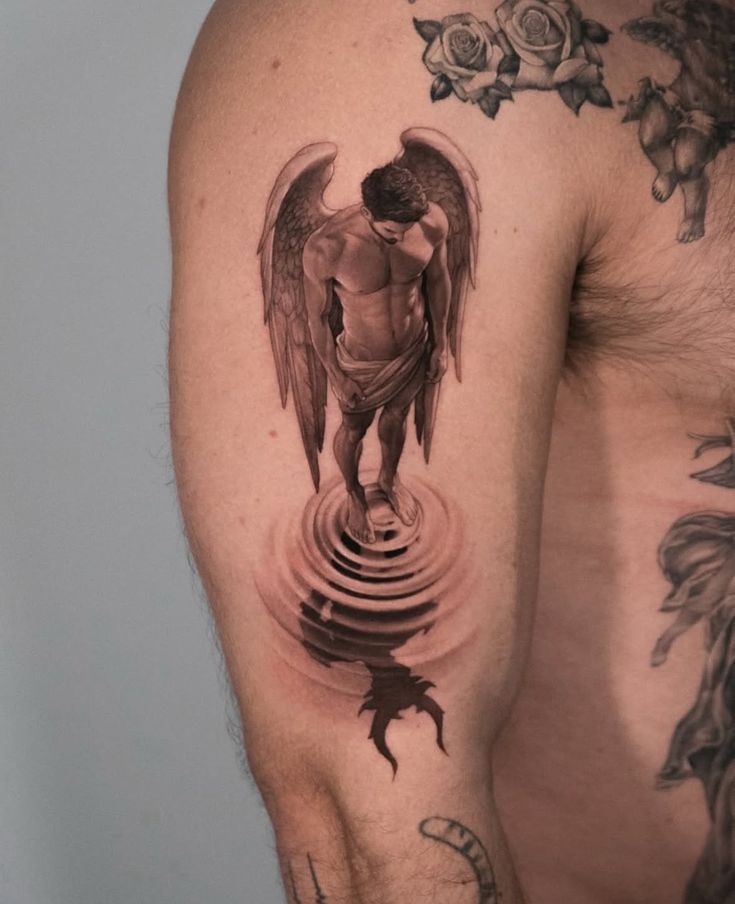
The Tattoo Consultation in Australia 2026: What to Expect
What to expect at your tattoo consultation in Australia. Prep checklist, essential questions, deposits ($100 to $500), timelines, red flags.
Read More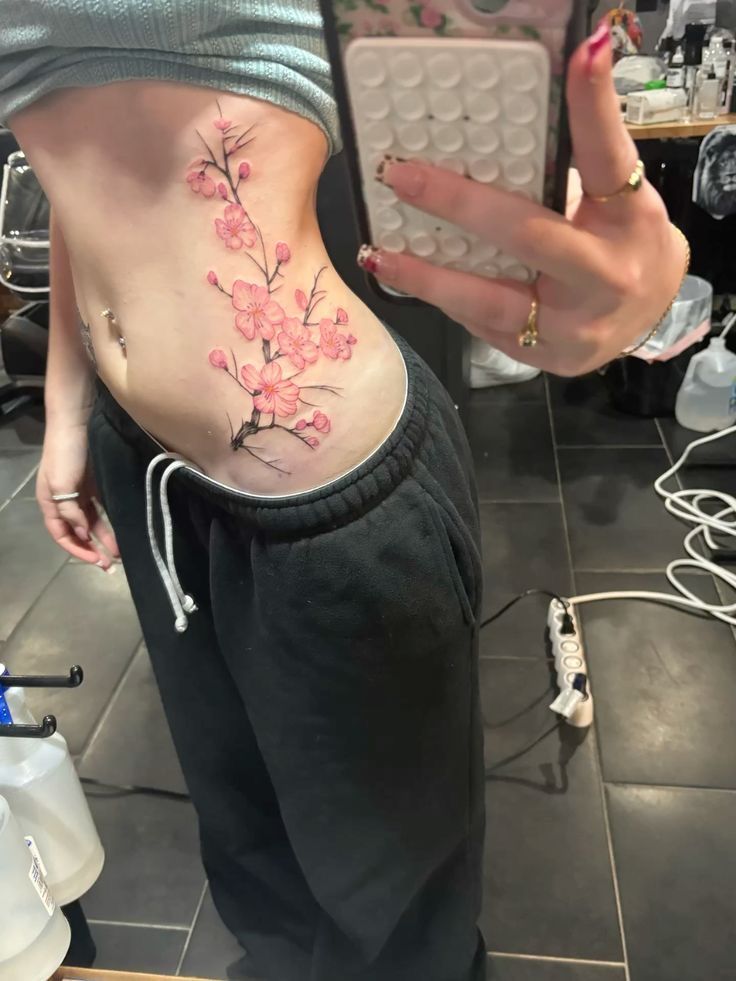
Tattoo Size Guide 2026: Choose the Right Scale in Australia
How to choose the right tattoo size in Australia 2026. Minimum sizes for detail, body proportion, pricing by scale, and expansion planning.
Read More