Partial Tattoo Removal for Cover-Ups Australia 2026
You hate the tattoo. You do not want to wait two years and $4,000 for full laser removal. You also know that slapping a cover-up directly over solid black or dense tribal is going to mean a huge, dark, restricted design. Partial removal is the middle path most Australians do not realise exists.
By fading an existing tattoo with two to four laser sessions before the cover-up, you unlock dramatically more design freedom, save thousands compared with full removal, and shrink the whole project down to under a year. This guide walks through who it works for, how much it costs in Australia in 2026, and exactly how to plan the sequence.
Key Takeaways
- What it is: 2 to 4 laser sessions to fade an existing tattoo by 40 to 70% so the cover-up artist has much more room to design
- Total cost (laser plus cover-up): $700 to $2,800 AUD versus $4,000 to $7,500 for full removal
- Timeline: 6 to 12 months end to end, compared with 18 to 30 months for complete clearance
- Best for: Dense black tribal, blackout work, large or saturated colour pieces
- Skip it for: Already faded tattoos, small simple line work, anything where a direct cover already works well
- Sessions: Laser at 8 to 10 week intervals, then wait 8 to 12 weeks after the last laser before tattooing
- Where to start: Book the cover-up artist and the laser tech together for a joint plan
What Partial Removal Actually Means
Full laser removal aims for total clearance. Partial removal aims for a lighter canvas. The same laser machines, the same technique, just fewer sessions and a different goal. Instead of chasing the last 5% of ink (which is the hardest, most expensive part of full removal), you stop once the existing tattoo has lifted enough that the cover-up artist can work freely.
For most dark tattoos that translates to 2 to 4 sessions of laser, spaced 8 to 10 weeks apart, with a final 8 to 12 week wait for the ink to keep clearing before the cover-up needle goes in.
In a nutshell: full removal asks "how do I make this disappear?" Partial removal asks "how do I make my cover-up artist's life easier?" The first question is expensive. The second one is practical.
Who Partial Removal Is For
It is not for every tattoo. The strategy makes sense when the existing piece is dark enough that a direct cover-up would force a very large, very dark design. It makes less sense when the existing tattoo is already light, small, or simple enough to cover cleanly.
| Existing tattoo | Partial removal? | Why |
|---|---|---|
| Solid black tribal band | Strongly recommended | Cover-up would need to be much darker and 3x larger |
| Large black and grey realism | Strongly recommended | Heavy saturation limits cover-up to similar darkness |
| Medium colour piece | Recommended | Lightening expands available colour palette |
| Old, blown-out script | Sometimes | Often coverable directly with a bold design |
| Light, faded tattoo | Skip | Direct cover-up usually works without laser |
| Small simple line work | Skip | Cheaper to cover with a moderately larger piece |
The honest test is: book a consultation with a cover-up specialist and ask them to sketch two options, one with partial removal, one without. If the laser-assisted version is meaningfully smaller, brighter, or more detailed, the extra time and cost is usually worth it.
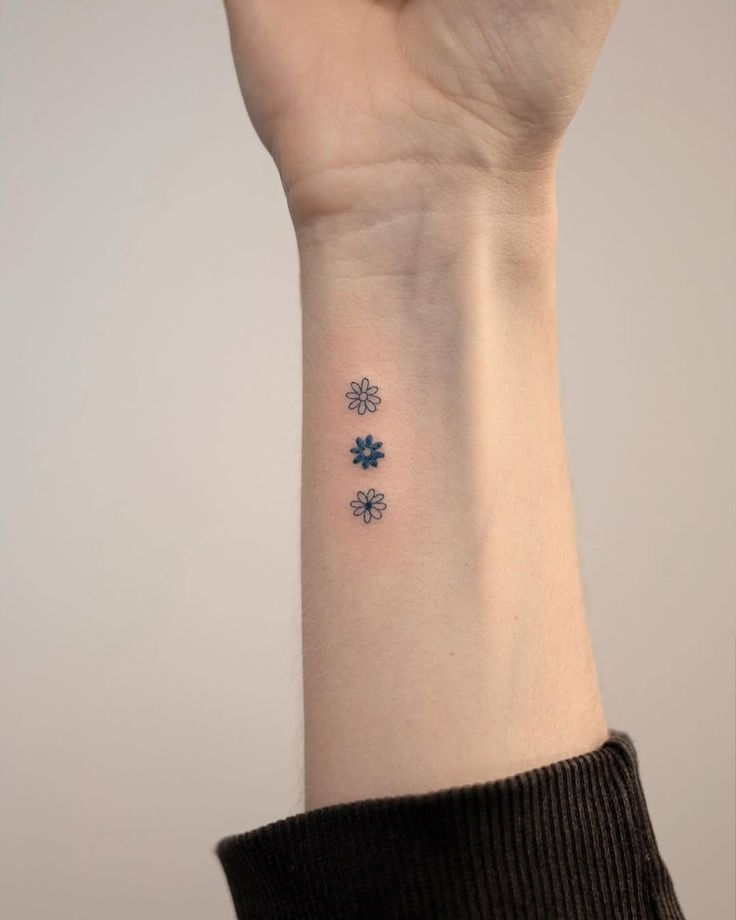
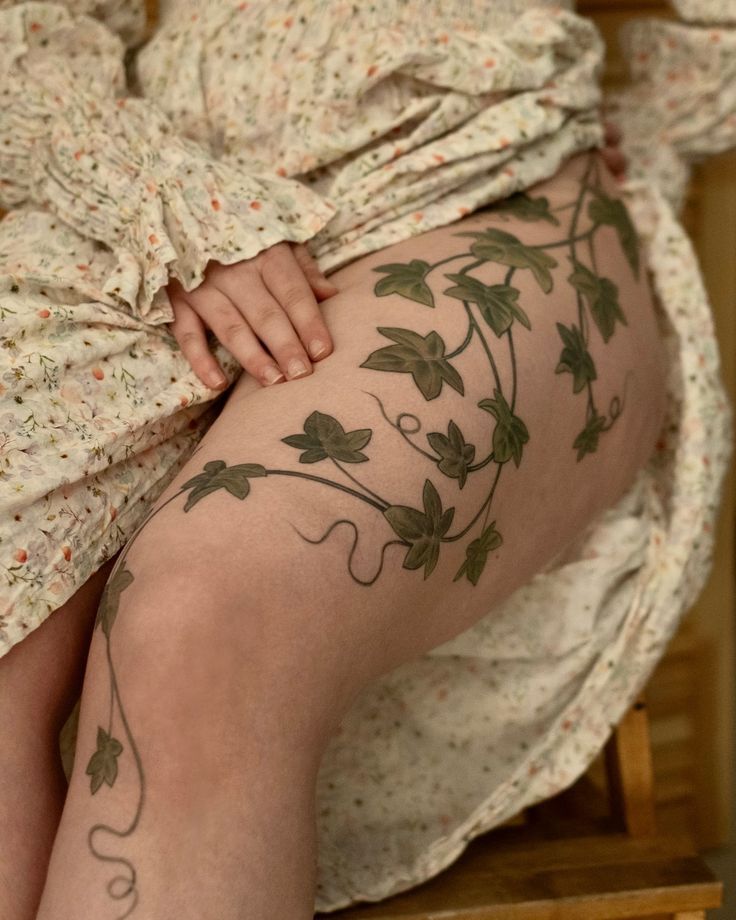
Photographs below are example portfolio pieces from real Australian artists on the platform. The cost figures are illustrative averages for typical partial-removal and cover-up projects in Australian cities and do not represent the actual price of the specific tattoo shown.
Cost Breakdown: Partial vs Full vs Direct
The three options for an unwanted tattoo and the typical Australian cost picture in 2026:
Small piece (5cm x 2cm, e.g. ex-partner's name)
| Approach | Sessions | Total cost | Timeline |
|---|---|---|---|
| Direct cover-up | 1 to 2 tattoo sessions | $400 to $700 | 1 to 4 weeks |
| Partial removal plus cover-up | 2 laser plus 1 to 2 tattoo | $700 to $1,250 | 6 to 9 months |
| Full removal | 6 to 8 laser sessions | $1,200 to $2,000 | 12 to 18 months |
Medium piece (10cm x 10cm, e.g. tribal arm band)
| Approach | Sessions | Total cost | Timeline |
|---|---|---|---|
| Direct cover-up | 2 to 3 tattoo sessions | $1,200 to $2,000 | 2 to 6 weeks |
| Partial removal plus cover-up | 3 to 4 laser plus 2 tattoo | $1,850 to $2,800 | 9 to 12 months |
| Full removal | 10 to 15 laser sessions | $3,500 to $6,750 | 20 to 30 months |
Large piece (sleeve, back piece)
| Approach | Sessions | Total cost | Timeline |
|---|---|---|---|
| Direct cover-up | 4 to 6 tattoo sessions | $2,500 to $5,000 | 6 to 12 months |
| Partial removal plus cover-up | 4 to 5 laser plus 4 to 6 tattoo | $3,500 to $7,000 | 12 to 18 months |
| Full removal | 15 to 20 laser sessions | $6,000 to $12,000 | 30 to 48 months |
Notice the pattern. Direct cover is cheapest if the design constraints are acceptable. Full removal is the most expensive route by a wide margin. Partial removal sits in the middle on price and adds meaningful design freedom, particularly for medium and large dark pieces. Use our tattoo cost calculator to plug in your specific size and style.
The Laser Sessions in Detail
Laser tattoo removal in Australia is done with Q-switched or pico-second lasers (PicoSure, PicoWay, Discovery Pico are common). The laser fires extremely short pulses of light tuned to the wavelengths your ink absorbs. The ink particles shatter into smaller fragments, which the lymphatic system then clears over weeks.
Session 1 (about $200 to $500)
- 5 to 20 minutes of laser depending on size
- Numbing cream applied 30 minutes before
- Immediate "frosting" (white film) for 10 to 30 minutes after
- Mild blistering and scabbing over the next 1 to 2 weeks
- Visible lightening starts 4 to 6 weeks later as the lymph system clears the ink
Sessions 2 to 4 (each 8 to 10 weeks after the last)
- Same protocol each time
- Each session typically reduces remaining ink by another 15 to 25%
- By the end of session 3 or 4, most dark tattoos are 40 to 70% lighter
- The technician will tell you when the canvas is light enough for the cover-up plan
What it feels like
About a 7 to 8 out of 10 on the pain scale: faster, sharper, and hotter than getting tattooed. Most clinics offer numbing cream, ice, or a Zimmer Cryo cold-air machine to take the edge off. Each session is short, so even at high pain it is over before it becomes unbearable.
The Critical Wait Between Laser and Cover-Up
This is the part everyone wants to skip. After the final laser session, the ink keeps clearing for another 8 to 12 weeks as the lymphatic system finishes its work. Tattoo over the area too early and you lose two things: the maximum lightening you paid for, and the cover-up artist's ability to plan around the final faded result.
Heads up: minimum 8 weeks, ideally 12, between the last laser session and the cover-up. Your impatient inner client will hate this. Listen to the artist anyway.
During the wait:
- Moisturise daily with a fragrance-free lotion to keep the area supple
- SPF 50 plus over the area any time it sees daylight (UV slows lymph clearance)
- Avoid tanning, saunas, and hot baths so the skin can finish settling
- Take a clear photo every two weeks to track the fade visually
Design Freedom You Unlock
The reason most cover-up artists push their clients toward partial removal is simple: the design options open up dramatically once the old ink is lighter.
With direct cover (no laser)
- Must use designs that are equally dark or darker than the existing piece
- Must go 2 to 4 times the size of the original
- Light colours (yellow, pink, light blue, white) effectively unavailable
- Fine line work, negative space, and watercolour styles almost impossible
After partial removal
- Can use medium-tone colours and even some pastels
- Cover-up can be only 1.5 to 2 times the original size
- Fine details and negative space are back on the menu
- Watercolour, illustrative, and colour realism styles become possible
- Artist can plan composition without working around invisible ink
Real Project Walk-Throughs
Project 1: Tribal arm band in Melbourne
Original: Solid black tribal band, 8cm tall, full upper arm circumference. Goal: A Japanese-inspired half sleeve in colour.
- 3 laser sessions over 6 months: $1,200
- Final fade: 60% lighter, black sitting at mid-grey
- Cover-up: full-colour Japanese koi and waves half sleeve, 8 hours: $2,200
- Total: $3,400 across 10 months
Full removal would have run $4,500 to $6,000 across 18 to 24 months. The partial route saved roughly $2,000 and a full year, and the cover-up artist had full freedom to use vibrant colour, which would have been impossible over solid black.
Project 2: Ex-partner's name in Brisbane
Original: Bold script name on the inner wrist, 6cm by 2cm. Goal: Something delicate and feminine that does not climb up the forearm.
- 2 laser sessions over 4 months: $450
- Final fade: 50% lighter, original lettering still faintly visible
- Cover-up: a delicate floral bracelet, 2 hours: $380
- Total: $830 across 6 months
Without laser, the only direct cover would have been a much larger, darker design extending halfway up the forearm. The partial approach kept the cover-up small, light, and exactly where the original tattoo lived.
Project 3: Large back piece in Perth
Original: A 30cm by 25cm dark realism back piece from a decade ago. Goal: A new floral landscape that uses the same canvas.
- 5 laser sessions over 12 months: $2,500
- Final fade: 65% lighter
- Cover-up: full back floral piece across 3 sessions, 15 hours: $3,600
- Total: $6,100 across 18 months
This is one where the maths is closer. Full removal would have cost roughly $8,000 to $10,000 and the result would have been blank skin. For a client who wanted new art rather than no art, the partial route was the right call.
Choosing the Clinic and the Cover-Up Artist
The single biggest predictor of success is finding two professionals who agree on the plan from the start.
What to look for in a laser clinic
- Pico or Q-switched laser hardware (PicoSure, PicoWay, Discovery Pico, RevLite, Spectra). Avoid clinics still using IPL or "broad spectrum" devices for ink
- A registered medical or nurse-led practitioner running the machine, not a beautician with a weekend certificate
- Written treatment plan with session count, intervals, expected fade percentage, and total cost
- Healed before-and-after photos of partial removal cases, not just before-and-after of the immediate frosting
What to look for in a cover-up artist
- A portfolio with 10 plus cover-up projects, ideally including partial-removal collaborations
- Willingness to consult jointly with your laser clinic on the lightening target
- Honest assessment about how much laser is genuinely required versus marketing fluff
- Clear quote covering design fee, session count, deposit, and total cost
Search studios in Sydney, Melbourne, Brisbane, Perth, or Adelaide and message a shortlist for written cover-up consultations.
Timeline Comparison at a Glance
| Path | Sessions | End-to-end |
|---|---|---|
| Direct cover-up only | 1 to 6 tattoo sessions | 1 to 12 weeks |
| Partial removal then cover-up | 2 to 5 laser plus 1 to 6 tattoo | 6 to 18 months |
| Full removal | 5 to 20 laser sessions | 12 to 48 months |
| Full removal then new tattoo | 5 to 20 laser plus a fresh design | 18 to 54 months |
Risks and Aftercare
Partial removal carries fewer risks than full removal because there are fewer sessions, but you still need a clean, regulated clinic and good aftercare.
Possible side effects
- Temporary hyperpigmentation (darkening) or hypopigmentation (lightening) of the surrounding skin
- Mild blistering and scabbing in the first week after each session
- Slight risk of scarring if the area is picked or sun-exposed during healing
- Stubborn colours (especially light blues, greens, and yellows) can hold on longer than dark blacks
Post-session aftercare
- Cold compress for 10 to 15 minutes immediately after, no longer
- Antibiotic ointment for 3 to 5 days as advised by the clinic
- Loose clothing, no swimming or saunas for at least a week
- SPF 50 plus on the area for the full 8 to 10 weeks between sessions
- Do not pick scabs. Each picked spot is a potential scar that will limit the cover-up artist
Frequently Asked Questions
Will Medicare or private health insurance cover any of this?
No. Cosmetic laser removal sits outside Medicare and private extras in Australia. Some clinics offer payment plans through Zip or Afterpay for the laser sessions, and most tattoo studios accept the same for the cover-up. See our payment plans guide for what is actually available.
How do I know if my tattoo can be lightened enough to cover?
Most dark blacks, traditional colours, and modern inks respond well. Stubborn pigments include light blues, light greens, pastels, and some white inks. Book a consultation with a laser clinic; they can usually predict the response with a small test spot.
What if I get partway through laser and change my mind?
That is fine. You can stop at any point and either cover at the current fade level, continue toward full removal, or live with the lightened version as is. None of the laser sessions are wasted; each one reduces ink, regardless of the eventual decision.
Does laser hurt more than the original tattoo?
Sharper but shorter. Most people rate laser at 7 to 8 out of 10, whereas a fresh tattoo sits at 4 to 7 depending on placement. Laser sessions are typically 5 to 20 minutes; tattoo sessions can be 2 to 8 hours.
Can I cover the area with makeup or fake tan while waiting?
Mineral makeup is fine once the skin is fully healed between sessions. Spray tans and self-tanner are not recommended because they stain the laser-treated dermis unevenly and can confuse the clinic about the actual fade progress.
Should I see both the laser tech and the cover-up artist before starting?
Always. The cover-up artist will tell you exactly how much lightening they need, and the laser tech can give a realistic session count to hit that target. Doing the two consultations separately is the most common reason people end up paying for more laser than they actually needed.
Bottom Line
Partial removal is the practical compromise for anyone whose existing tattoo is too dark for a clean direct cover, but who does not want the expense and timeline of full removal. Two to four laser sessions, an 8 to 12 week wait, then a cover-up the artist actually has room to design. For most dark or large pieces, the total bill sits at $700 to $2,800 and the project wraps inside a year.
If you are weighing all the options, our cover-up vs removal cost comparison and laser vs cover-up decision guide dig deeper into the trade-offs. For removal pain and aftercare detail, see the pain management guide and the removal aftercare guide.
Explore More
Find Tattoo Shops
Browse by Style
Stay Updated with the Latest Insights!
Get the latest news and updates delivered to your inbox.
Related Articles
Cover-Up vs Removal Cost Australia 2026: Real Pricing Compared
Cover-up vs laser removal in Australia 2026: cost by tattoo size, hybrid fade-and-cover strategy, AUD pricing, real client case studies.
Read More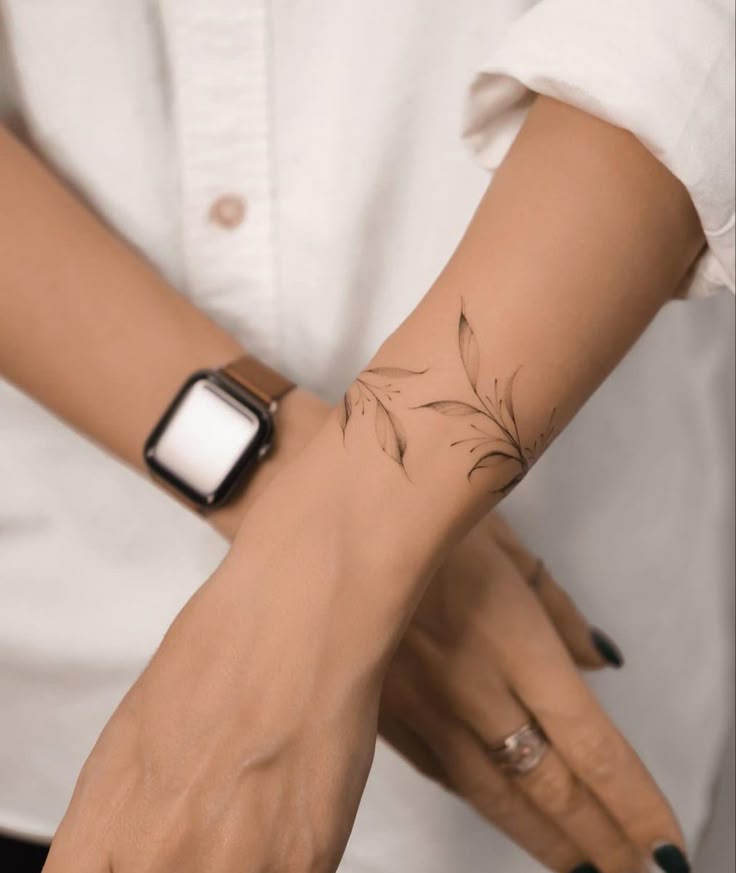
Laser Removal vs Cover-Up Australia 2026: Decision Guide
Laser removal or cover-up tattoo in 2026: cost, pain, time, results, scarring, ink limits. Australian decision framework with clinic and artist guidance.
Read More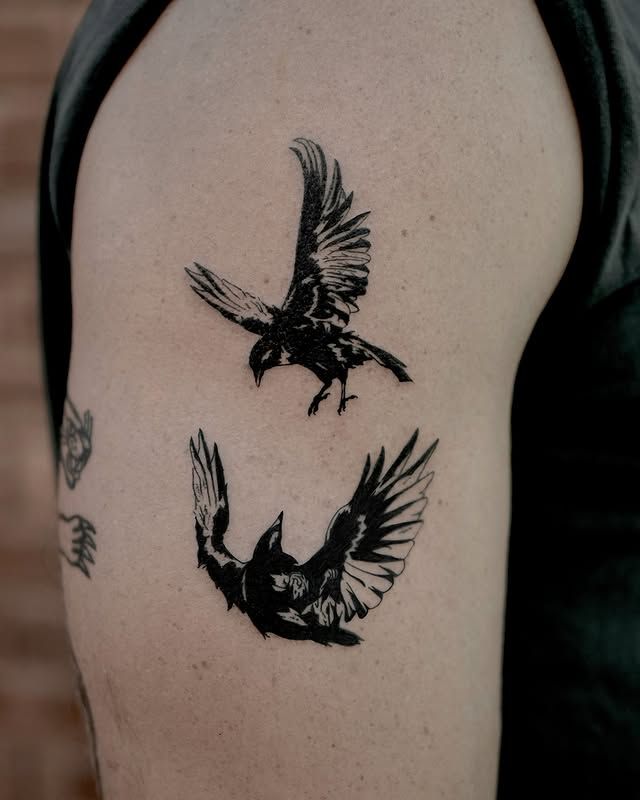
Tattoo Removal Pain: Australian Guide to Numbing and Survival 2026
Tattoo removal hurts 4 to 8 of 10. Australian guide to numbing creams, Zimmer chillers, breathing tricks, and pain ratings by body part for 2026.
Read More