Sketch Style Tattoo Guide Australia 2026: The Art of Intentional Imperfection
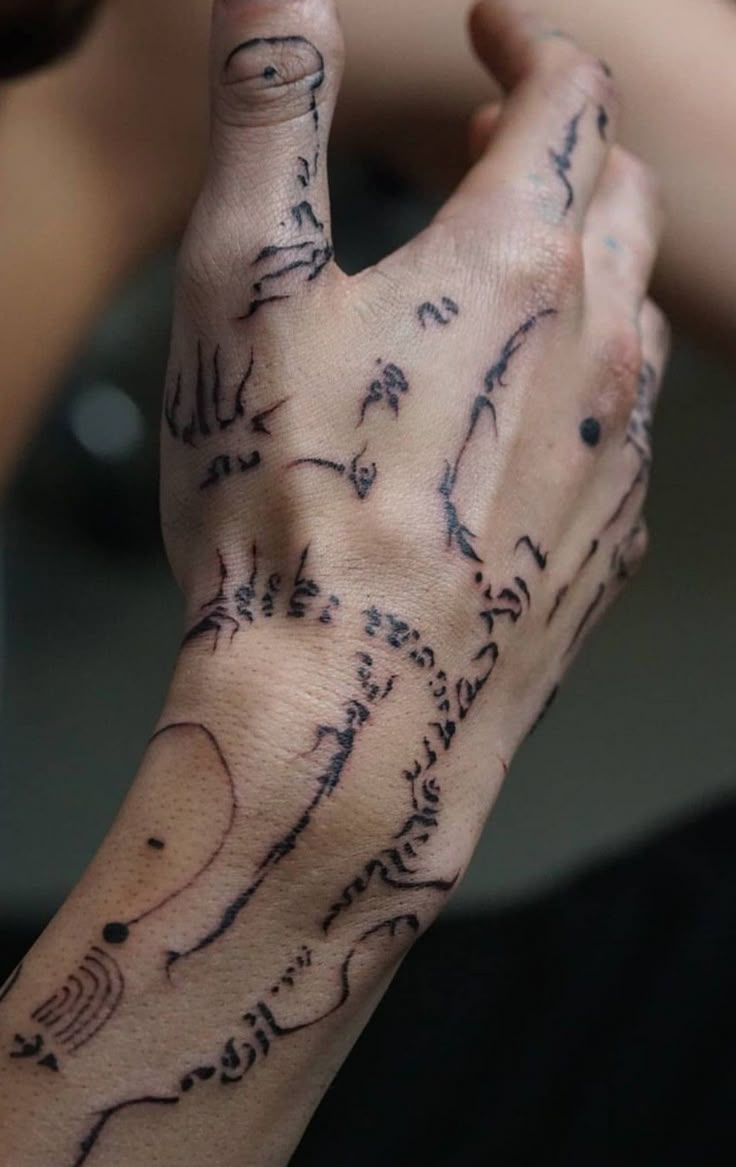
There is a particular courage required to leave something deliberately unfinished. Sketch style tattooing demands exactly that courage from both the artist and the collector: the willingness to let the visible marks of the drawing process stand as the finished work. The rough gestural lines, the cross-hatched shadows, the areas of strategic incompleteness that suggest form without describing it fully, these are not deficiencies to be corrected but choices to be celebrated. Sketch style tattoos look the way a drawing looks on the day an artist first captures an idea, before the refinement begins. In Australia, this style has attracted a specific kind of collector: one who values artistic process over polished result, and who understands that the beauty is in the tension between what is drawn and what is left to imagination.
Key Takeaways
- Deliberate imperfection: Sketch style tattoos intentionally preserve visible construction lines, loose marks, and gestural energy. The "unfinished" quality is the point, not a flaw.
- Australian pricing: Sketch tattoos typically cost $200 to $700 for small to medium pieces, with large custom compositions reaching $1,000 to $2,000 or more.
- Artist selection is critical: Sketch tattooing requires genuine drawing ability, not just tattooing skill. Look for artists with fine art backgrounds and bold, confident linework in their portfolios.
- Black and grey dominates: Most sketch style work is done in black and grey, mimicking graphite, charcoal, or ink sketching. Colour is used selectively when present.
- Ageing requires planning: Very fine sketch lines may require touch-ups over time. Bold construction lines hold better long-term than hairline-thin sketch marks.
- Subject versatility: Sketch style works across animals, portraits, botanicals, architecture, and abstract subjects. It is not limited to a specific motif category.
- Placement considerations: Flatter body areas (forearm, thigh, upper back) display sketch composition most effectively due to the graphic nature of the style.
- Not beginner territory: This is a specialist style that rewards collectors who have thought carefully about what they want rather than first-time clients with limited reference understanding.
What Is Sketch Style Tattooing?
Sketch style tattooing mimics the visual language of preliminary drawings: the working marks that artists make before "finishing" their work. It celebrates process over product, deliberately preserving the kinds of marks that are typically erased or refined away in final compositions.
The style emerged internationally in the 2010s as a response to the increasingly polished, digitally-influenced aesthetic of mainstream tattooing. It drew heavily from the fine art traditions of sketching, preparatory drawing, and plein air painting, translating those influences into permanent ink on skin.
Defining Visual Characteristics
| Characteristic | What It Looks Like | How It Is Achieved |
|---|---|---|
| Visible construction lines | Light framework marks showing how the drawing was built | Needle pressure variation: light passes for sketch marks, heavier for primary lines |
| Loose, gestural linework | Lines with slight variation in weight and direction, suggesting hand movement | Freehand application without stencil lines, or deliberate deviation from stencil |
| Cross-hatching and scribble shading | Overlapping line clusters creating tonal depth | Multiple directional passes building shadow areas progressively |
| Intentional incompleteness | Areas where the form trails off or is only partially described | Strategic restraint: the artist chooses where to leave negative space |
| Spontaneous energy | An overall sense of decisive marks made with confidence | Artists with strong drawing foundations working quickly and instinctively |
| Pencil or charcoal mimicry | A graphite-like texture created through fine grey shading | Diluted black ink applied at varying densities |
Sketch Style vs. Related Styles
Sketch style is often confused with similar but distinct approaches:
| Style | How It Differs from Sketch |
|---|---|
| Fine line | Fine line is precise and controlled; sketch is deliberately loose and gestural |
| Illustrative | Illustrative tattoos are clean and finished; sketch intentionally preserves construction marks |
| Watercolour | Watercolour uses colour washes; sketch is almost always black and grey with line-based texture |
| Abstract | Abstract uses non-representational forms; sketch usually depicts a recognisable subject in a raw style |
| Neo-traditional | Neo-traditional has bold clean outlines and rich fills; sketch is open and mark-based |
Sketch Style Techniques in Detail
Understanding the technical vocabulary of sketch style helps you communicate effectively with your artist during consultation and evaluate portfolios meaningfully.
Linework Techniques
- Weight variation: Lines that begin light, build to a bold point, then trail off again, mimicking the pressure variation of a pencil stroke
- Broken outlines: Interrupted contour lines that suggest form without fully enclosing it, leaving the eye to complete the shape
- Overlap marks: Construction lines that extend beyond the edge of the subject, as a sketch might show the ghost of earlier positioning
- Dashed and dotted lines: Implying form through suggestion rather than solid outline
- Speed lines: Short directional marks indicating motion or energy, borrowed from illustration
Shading Techniques
- Hatching: Parallel lines running in one direction to create tonal value
- Cross-hatching: Two or more overlapping hatching directions building richer, darker tones
- Scribble shading: Loose circular or random mark clusters suggesting shadow without direction
- Stippling: Fine dot clusters that create tone through density variation
- Smear shading: Smooth blended grey passages that contrast with the rougher linework around them
Compositional Approaches
The strongest sketch tattoos use compositional decisions deliberately rather than simply rendering a subject in sketch style. Effective approaches include:
- Central focus with dissolving edges: The primary subject is most defined at the centre and trails into loose marks or negative skin at the edges
- Multiple overlapping views: Several sketches of the same subject at different angles sharing the composition, as a sketchbook page might show
- Mixed rendering density: Some areas drawn to near-completion, others left as pure construction, creating visual rhythm
- Tonal contrast: Bold dark passages anchoring loose light marks, preventing the composition from feeling weightless
Best Subjects for Sketch Style Tattoos
Sketch style is a remarkably versatile approach that works across a wide range of subjects. The following categories are particularly effective when rendered in sketch techniques.
Animals and Wildlife
Animals are among the most requested subjects for sketch style tattoos in Australian studios. The style captures the energy and movement of living subjects in ways that more polished approaches cannot. Particularly effective are:
- Horses: The flowing lines of sketch style translate the movement and musculature of horses with particular effectiveness
- Wolves: Loose mark-making captures the texture of fur without requiring the precision of realism
- Birds in flight: Gestural wing marks that suggest movement rather than freeze it
- Bears: The mass and weight of large animals reads powerfully in bold sketch marks
- Foxes: Delicate nose and alert ear detail balanced with loose body marks
- Native Australian wildlife: Kangaroos, echidnas, quokkas, and kookaburras take on fresh visual interest in sketch rendering
- Marine life: Sharks, rays, and whales rendered in open ocean compositions with dissolving waterline edges
Portraits
Portrait sketch tattoos interpret rather than replicate a subject, capturing the essence of a person's features without aspiring to photographic accuracy. This approach requires genuine portrait-drawing skill from the artist. The best sketch portrait tattoos are recognisable likenesses that carry the emotional weight of the subject rather than precise anatomical reproductions.
Botanical and Natural Elements
Plants, flowers, and botanical specimens work beautifully in sketch style, particularly when the artist uses a field-study reference style, as if the subject were sketched directly from life:
- Wildflowers: Loose petal edges, visible construction lines in the stem, hatched shadows in the leaf clusters
- Trees: Bark texture suggested through directional mark-making, foliage captured in gestural cluster marks
- Ferns and leaves: The linear structure of fern fronds translates naturally into hatching and broken-line techniques
- Australian native flora: Banksia, grevillea, and wattle rendered with botanical-illustration reference adapted to sketch aesthetics
Architectural and Urban Subjects
Buildings, cityscapes, and architectural details are less commonly requested but produce striking results in sketch style. The style naturally mimics the techniques used by architectural illustrators and urban sketchers, giving these tattoos an authentic quality.
Colour in Sketch Style Tattoos
The large majority of sketch tattoos are executed entirely in black and grey. This mimics the natural media most closely associated with sketching: graphite, charcoal, and India ink. When colour appears in sketch style work, it is almost always used selectively and intentionally rather than as a full-colour treatment.
Common Colour Approaches
| Approach | What It Looks Like | Effect Achieved |
|---|---|---|
| Single colour accent | One colour used sparingly on a specific element (red lips, blue eyes) | Draws attention to the focal element, adds narrative emphasis |
| Muted wash | Desaturated colour applied loosely within sketch lines, not fully filling them | Adds warmth and organic quality without abandoning the sketch aesthetic |
| Colour drip or splatter | Bold colour used in deliberate drips or paint-splatter marks alongside black sketch lines | Contrasts controlled sketch marks with expressive colour gesture |
| Botanical colour only | Flowers or leaves in naturalistic colour on otherwise black-line subjects | Makes the botanical element the emotional centre of the composition |
Australian Pricing for Sketch Style Tattoos
Sketch style tattoos are priced similarly to other custom black and grey work. The primary cost driver is session time, which is influenced by composition complexity, subject detail level, and the level of tonal development. Very loose, gestural sketch work can actually move faster than tightly rendered realism, while heavily cross-hatched compositions with complex tonal modelling may take longer.
| Piece Size | Description | Estimated Cost (AUD) | Session Duration |
|---|---|---|---|
| Small (up to 8 cm) | Single animal or botanical subject, loose gestural style | $200-$350 | 1-1.5 hours |
| Medium (8-15 cm) | More developed composition, some hatching and tonal work | $350-$600 | 1.5-3 hours |
| Large (15-25 cm) | Full composition with multiple elements, significant tonal development | $600-$1,000 | 3-5 hours |
| Extra large or sleeve panel | Major composition forming part of a sleeve or back piece | $1,000-$2,500+ | Multiple sessions |
| Portrait | Sketch portrait, small to medium | $400-$800 | 2-4 hours |
City Pricing Comparison
| City | Hourly Rate Range | Small Sketch Piece |
|---|---|---|
| Sydney | $150-$280/hr | $250-$450 |
| Melbourne | $130-$260/hr | $220-$420 |
| Brisbane | $120-$220/hr | $200-$380 |
| Perth | $120-$220/hr | $200-$380 |
| Adelaide | $100-$200/hr | $180-$350 |
Finding the Right Sketch Style Artist in Australia
Identifying a genuinely skilled sketch tattoo artist requires looking beyond the obvious portfolio markers. Many artists can produce a passable imitation of sketch style without truly understanding the underlying drawing principles that make the best work compelling.
Portfolio Assessment Checklist
When reviewing portfolios of artists claiming to specialise in sketch style, look for:
- Genuine mark-making variety: The portfolio should show real range in line weight, from the thinnest suggestion to bold anchor marks. Uniform line weight signals limited technique.
- Purposeful incompleteness: The unfinished areas should read as deliberate compositional choices, not as areas the artist ran out of ideas for. Ask yourself: does the negative space add to the composition?
- Healed work: Very fine sketch marks are susceptible to migration over time. Artists who show healed examples from twelve months onwards are demonstrating accountability.
- Drawing portfolio: The best sketch tattoo artists are fine artists first. Ask to see their sketchbooks or drawing work alongside tattoo photos. The correlation between drawing ability and tattoo quality in this style is direct.
- Technical consistency: Look across several pieces in the portfolio for consistent quality. Specialisation means reliable execution, not one impressive piece and several mediocre ones.
When researching artists: Search the TattooNearMe directory for studios in Melbourne, Sydney, and Brisbane, then review each listed artist's individual portfolio before reaching out. A direct approach via an artist's professional social media account, referencing specific pieces in their portfolio that align with what you want, is the most effective first contact.
Placement Guide for Sketch Style Tattoos
The graphic, two-dimensional quality of sketch style is best displayed on relatively flat body surfaces. The style relies on the same visual principles as drawing on paper: the composition reads as a flat plane, and distortion across curved surfaces can undermine the intended effect.
| Placement | Suitability | Notes |
|---|---|---|
| Outer forearm | Excellent | Flat canvas, high visibility, minimal distortion |
| Upper arm (outer) | Very good | Good surface area, slight cylinder curve to manage |
| Thigh (front and outer) | Excellent | Largest flat canvas on the body, ideal for complex compositions |
| Upper back | Excellent | Large flat area perfect for ambitious sketch compositions |
| Chest (flat sternum area) | Good | Limited flat area but good for centralised compositions |
| Calf | Good | Manageable cylinder, suits vertical compositions |
| Ribcage | Moderate | Rib contour affects complex compositions; suits simpler pieces |
| Inner arm | Good | Softer skin may require more careful needle work |
| Foot | Poor | High fade rate; fine sketch marks degrade quickly |
| Fingers | Poor | Not suited to sketch style at any workable scale |
Sketch Style and Longevity
The ageing characteristics of sketch tattoos depend significantly on the specific techniques used. Some aspects of the style age more gracefully than others, and understanding these dynamics helps you have an informed conversation with your artist about design decisions that will serve you over time.
What Ages Well
- Bold construction lines: The heaviest linework in a sketch composition acts as an anchor and remains legible for many years
- Structured cross-hatching: Regular parallel and cross-hatch marks hold their definition better than random scribble marks
- High contrast compositions: Strong tonal contrast between the darkest and lightest areas preserves the visual hierarchy as lighter tones soften
- Simpler subjects: Less complex compositions have fewer fine details that can degrade into muddiness
What Requires Touch-Up Planning
- Very fine hairline marks: The lightest construction lines, under half a millimetre in width, tend to soften and spread over five to ten years
- Complex scribble shading: Dense random mark clusters can merge into a uniform grey over time rather than maintaining their textured quality
- Intentionally light passages: Very light grey areas that create contrast with darker sections may become indistinguishable from surrounding skin
Planning for longevity: Ask your artist explicitly which elements of your planned design will require touch-ups and when. A transparent artist will tell you that very fine sketch marks need refreshing every five to eight years and will design accordingly, using bold anchor lines to preserve the composition's readability even as finer marks evolve.
The Consultation Process for Sketch Style
Sketch style consultations require more collaborative conversation than some other styles because the artist's own drawing interpretation plays a central role in the outcome. Unlike traditional or Japanese styles where established conventions define much of the visual language, sketch style is more personal to the artist's hand and sensibility.
Effective consultation preparation for sketch style includes:
- Reference that shows the specific sketch quality you want: Not just images of the subject, but images of the style of sketching you are drawn to. There is considerable variety within sketch style from loose gestural work to densely hatched technical drawing.
- Examples from the specific artist's portfolio: Point to the pieces in their portfolio that feel closest to what you want and explain why. This tells the artist more than a generic "sketch style" description.
- Openness to the artist's interpretation: The best sketch tattoos emerge when the client trusts the artist's drawing instincts rather than expecting a precise reproduction of a reference image. Approach the consultation as a collaborative process.
- Clarity on subject and scale: Know what subject you want and how large you want the piece. Everything else can be worked out together.
Aftercare for Sketch Style Tattoos
Standard aftercare principles apply to sketch style work, with particular attention to the first two weeks given the fine-line nature of much sketch work. Any disruption during healing that causes ink loss will be more visible in a sketch tattoo than in bold blackwork or fully filled colour work, because the composition depends on fine mark relationships rather than solid areas.
- Avoid peeling the surface skin: In sketch tattoos, pulled surface skin can take very fine marks with it, leaving gaps in the composition that require touch-up
- Keep the area moisturised but not over-saturated: Too much moisture product can draw ink to the surface during healing; too little causes cracking and scabbing
- Protect from direct sun for the first four to six weeks: UV exposure during healing is the leading cause of premature sketch line degradation
- Apply SPF50 consistently once healed: Fine line and sketch marks require the same sun protection as fine-line botanical tattoos; this is a lifetime practice
Frequently Asked Questions
Will my sketch tattoo look "unfinished" to people who do not know the style?
Yes, and this is part of the aesthetic proposition. Many people unfamiliar with tattoo style traditions will ask if your tattoo is finished. This is an opportunity to introduce them to sketch style as an intentional approach rather than an incomplete piece. Whether you enjoy this conversation or prefer to avoid it is worth considering before committing to a highly visible placement.
Can I add colour to my sketch tattoo later?
Adding selective colour to an existing sketch tattoo is possible but requires careful planning. The colour application needs to be done by someone who understands the sketch aesthetic and will not "fill in" the composition in ways that undermine the original intent. Discuss this possibility during your initial consultation so the original design is created with future colour additions in mind.
How do I find a sketch style specialist in my city?
Search TattooNearMe for studios in your city and review portfolios carefully. Instagram searches using sketch tattoo hashtags can also identify artists. When you find portfolios you like, look for consistent quality across multiple pieces rather than one exceptional image. Reach out directly to artists whose portfolios demonstrate the specific quality of sketch work you want and ask about their availability and consultation process.
Is sketch style appropriate for a first tattoo?
Sketch style is technically accessible for first-time clients, but the subtlety of the aesthetic means it works best for collectors who have spent time understanding what makes the style work visually. If you are new to tattooing, take time to look at many examples of sketch work and be able to articulate what specifically attracts you to the style before booking a consultation.
How long does a sketch tattoo take to heal?
Sketch tattoos heal on the same timeline as other black and grey work: surface healing in two to three weeks, full dermal healing in three to six months. Very fine marks may appear to fade slightly as the new skin forms over them, then resurface more clearly as deeper layers complete healing.
Explore More
Find Tattoo Shops
Browse by Style
Stay Updated with the Latest Insights!
Get the latest news and updates delivered to your inbox.
Related Articles
Colour vs Black and Grey Tattoos 2026: The Australian Decision Guide
Colour vs black and grey tattoos in Australia 2026. Longevity, cost, skin tone fit, aftercare, and hybrid options compared for real bookings.
Read More
Celtic Tattoo Guide Australia 2026: Knotwork, Symbols and Heritage
Australian 2026 Celtic tattoo guide: Trinity knot, Dara, Claddagh, Tree of Life meanings, best placements, blackwork artists, and pricing $150-$3,500 AUD.
Read More
Ornamental Tattoo Guide Australia 2026: Mandalas and Sacred Geometry
Australian 2026 ornamental tattoo guide: mandalas, sacred geometry, henna-style, dotwork, placement, pricing $180-$5,000, and finding a specialist artist.
Read More