Chicano Tattoo Guide: Mexican-American Style Australia 2026

The first time a Sydney collector walked into a Redfern studio looking for her next piece, she was not looking for anything in particular. She had been collecting tattoos for years, working with colour-saturated neo-traditional artists and a geometric specialist from Brisbane. But something on the studio wall stopped her mid-step. They were portraits: a woman rendered entirely in graduated grey, her lace veil dissolving into roses; a Sacred Heart wrapped in thorns so fine they looked etched rather than tattooed; script arcing across a scroll with the gravity of calligraphy. Each piece existed in the space between photography and drawing, technically precise yet deeply emotional. "What style is this?" she asked. The artist looked up. "Chicano," they said. "Mexican-American black and grey."
That single answer opened a door into one of the most distinctive and historically charged tattooing traditions in the world. Chicano tattooing did not emerge from a studio movement or a design manifesto. It grew from prisons and barrio streets, from devotion and grief and identity, from a community asserting its dignity in ink at a time when broader society refused to see it. Today the style occupies studio walls from East Los Angeles to Sydney's inner suburbs, practised by artists who understand that each image carries weight beyond its aesthetics.
This guide covers everything you need to know about Chicano tattooing in Australia: its roots, its visual language, its spiritual dimensions, how to find a skilled specialist, and what to expect from the process. Whether you are considering your first piece in this tradition or deepening a collection already underway, the aim is to help you engage with this art form thoughtfully and well.

Key Takeaways
- Cultural roots: Chicano tattooing grew from Mexican-American barrio and prison culture in 20th-century California, carrying deep personal and community meaning that extends well beyond surface aesthetics.
- Black and grey technique: The style works exclusively with black ink diluted to varying concentrations, producing smooth tonal gradients that distinguish it from every other tattooing tradition.
- Signature imagery: La Virgen de Guadalupe, the Sacred Heart, portrait work, Old English script, roses, and lowrider imagery form the core visual vocabulary of the tradition.
- Australian scene: A growing number of Australian artists specialise in Chicano-informed black and grey work, with Sydney and Melbourne at the centre of the scene.
- Cost range: Expect $200 to $400 for small pieces, rising to $1,500 or more for large panel work depending on complexity and the artist's hourly rate.
- Longevity: Black and grey tattooing ages exceptionally well compared to colour work, particularly with consistent sun protection over the years.
- Cultural respect: Understanding the meaning behind Chicano imagery before choosing it leads to more considered, meaningful tattoos and respectful engagement with the tradition.
What Are Chicano Tattoos?
Chicano tattooing is a style of body art that emerged from the Mexican-American community of California in the mid-20th century. The word "Chicano" refers to Mexican-Americans who embraced their dual heritage as a source of identity and pride, particularly during the civil rights activism of the 1960s and 1970s. While the tattooing tradition predates the movement by decades, the two share deep roots in community, resistance, and cultural self-expression.
The most immediately recognisable characteristic of Chicano tattooing is its palette: exclusively black ink, diluted with water to varying concentrations to create a full tonal range from deepest black to the palest, almost imperceptible grey. This was not originally an aesthetic choice but a practical one. Early Chicano tattoos were applied in places where commercial supplies were unavailable, using improvised needles fashioned from guitar string, sharpened staples, or paper clips, with soot mixed with water as ink. The resulting work developed its own visual language, defined by smooth tonal gradients, precise linework, and a subtle range of greys that could render human faces with extraordinary sensitivity.
What distinguishes Chicano tattooing from other black and grey traditions, such as Japanese sumi-style work or Celtic knotwork, is its subject matter and spiritual character. The imagery draws overwhelmingly from Catholic devotion, personal memorial, Chicano identity, and the cultural archetypes of barrio life. A Chicano tattoo is almost never merely decorative: it is a statement of belief, a tribute to the dead, a declaration of identity, or all three at once. This intentionality is precisely what draws collectors to the style from every cultural background, long after its origins in a specific community and time.
From Barrios to Galleries: The History of Chicano Tattooing
The roots of Chicano tattooing run deeper than the 20th century. Indigenous Mexican peoples had long traditions of body modification, including tattooing with cactus thorns and plant-based pigments. Spanish colonisation brought Catholic iconography into Indigenous visual culture, and that synthesis of pre-Columbian and colonial imagery would eventually find its way onto skin as an act of faith and identity rather than ornamentation.
The more direct lineage of modern Chicano tattooing traces to the Pachuco subculture of the 1940s. Pachucos were young Mexican-American men who navigated discrimination and poverty by developing their own codes of dress, language (Calo slang), and body adornment. The three-dot tattoo arranged in a triangle, placed between thumb and index finger or near the outer eye, became one of the earliest Pachuco markers. Prison tattooing expanded this vocabulary through sheer necessity: incarcerated men used whatever materials were at hand, creating work of genuine artistry under severe constraint. The physical marks became a form of autobiography and solidarity in an environment that stripped away most other forms of self-expression.
The 1960s Chicano Art Movement transformed this underground tradition into something more formally acknowledged. Muralists, printmakers, and gallery artists began drawing on the same visual vocabulary of the streets, the church, and the barrio. By the 1980s and 1990s, dedicated studios in East Los Angeles were producing sophisticated Chicano black and grey work with professional equipment while maintaining the style's emotional intensity. Artists such as Mark Mahoney at Shamrock Social Club and Freddy Negrete became internationally recognised, their influence spreading far beyond California. The documentary "Tattoo Nation" (2013) brought the tradition to wider audiences and sparked renewed interest globally.
In Australia, Chicano-style tattooing began appearing in the late 2000s, carried by artists who had trained in the United States or immersed themselves in the tradition through travel, reference books, and documentary footage. Today it is practised in studios across Sydney, Melbourne, Brisbane, and Adelaide, increasingly by artists of diverse backgrounds who have devoted years to mastering its technical demands and understanding its cultural context.
Core Design Elements and Their Meanings
Chicano tattooing has a recognisable visual vocabulary that has evolved over decades while maintaining its essential character. Each element carries layers of meaning, often personal as well as cultural, and the best Chicano tattoos work because the imagery resonates specifically with the person wearing it. Below is a guide to the tradition's most common design elements.
| Design Element | Cultural and Personal Meaning | Common Placement |
|---|---|---|
| La Virgen de Guadalupe | Protection, motherhood, Mexican Catholic identity, divine grace | Upper arm, chest, full back |
| Sacred Heart | Divine love, sacrifice, devotion, Jesuit Catholic tradition | Chest, sternum, forearm |
| Jesus Christ portrait | Faith, suffering, redemption, protective presence | Upper arm, back, chest |
| Praying hands | Devotion, humility, supplication, tribute to Albrecht Durer's drawing | Forearm, calf, chest |
| Portrait (loved one) | Memorial, love, keeping someone close, celebration of life | Upper arm, thigh, back panel |
| Roses | Beauty, life and death, love, duality of sweetness and pain | Anywhere, often combined with portraits |
| Old English script | Names, dates, places, affirmations, memorial phrases | Chest, collar, forearm arc |
| Lowrider or classic car | Chicano culture, Californian barrio life, pride in craftsmanship | Thigh, back, large arm panel |
| Spider web | Struggle, entrapment, the passage of time; meanings vary by wearer | Elbow, neck, hand |
| Pachuco cross | Chicano identity, community belonging, Pachuco subculture | Hand (thumb and index web), forearm |
| Rosary beads | Catholic faith, devotion, often used as a framing element | Neck, wrist, surrounding other imagery |
| Sugar skull or calavera | Dia de los Muertos, honouring the dead, life and death as a cycle | Arm, leg, chest |
One of the most important things to understand about Chicano imagery is that these elements are not interchangeable symbols to be selected from a menu. Each carries weight, and many carry specific cultural or religious connotations that deserve consideration before you commit them to skin. Discussing the meaning of your chosen imagery with your artist, and doing your own reading about the tradition, will lead to a more intentional and lasting piece.
Religious and Spiritual Imagery in Chicano Tattooing
No single element defines Chicano tattooing more completely than its relationship with Catholic devotional art. In the Mexican and Mexican-American communities where the style developed, the Catholic Church was the institution that survived colonisation, migration, and marginalisation. Its iconography became a shared language of solace, identity, and hope, one that translated directly and naturally onto skin.

La Virgen de Guadalupe stands apart from all other Chicano imagery in terms of cultural significance. The apparition of the Virgin Mary to Juan Diego in 1531, on the hill of Tepeyac outside Mexico City, produced an image of Mary with brown skin, a starry cloak, and Indigenous artistic motifs surrounding her. This version of the Virgin became inseparable from Mexican identity and, later, Chicano identity. To wear La Virgen is to carry protection, to honour a mother figure, to declare heritage, and to situate oneself within a specific tradition of faith and community. Skilled Chicano artists render her with extraordinary attention to the subtle gradations of her robe and mantle, the delicate rays of light surrounding her, and the crescent moon beneath her feet.
The Sacred Heart, derived from Jesuit devotion to the physical heart of Christ as a symbol of divine love and sacrifice, is rendered in Chicano tattooing as a heart surrounded by a crown of thorns, often pierced by a sword or wrapped in flames. It is among the most technically demanding images in the tradition because it requires the artist to render three-dimensional form, texture (the surface of the heart, the roughness of thorns, the softness of flames), and emotional resonance within a tightly bounded composition.
Praying hands in Chicano tattooing most often reference the famous drawing by Albrecht Durer, adapted and reinterpreted countless times across five centuries. In Chicano art, they become a gesture of supplication, gratitude, and hope, often accompanied by rosary beads draped across the fingers or a dove overhead. Guardian angel imagery, Jesus Christ portraits rendered with the softness of devotional painting, and detailed renditions of the crucifix all occupy the same devotional space: the body as a site of prayer, carried everywhere.
Portrait Work and Memorial Tattooing
Portrait tattooing sits at the absolute technical limit of what Chicano black and grey work demands. To render a human face in diluted black ink, relying entirely on the graduation of tone to create form, depth, and likeness, requires years of dedicated practice and a deep understanding of light and shadow. The best Chicano portrait artists can produce work so precise that it reads as a black and white photograph from a distance, yet reveals the hand of the artist when examined closely: the deliberate placement of each highlight, each softened edge, each deepened shadow beneath the cheekbone.
Memorial portraiture is among the most meaningful applications of Chicano tattooing. Having the face of a parent, partner, sibling, or child rendered in skin as a permanent memorial is a profoundly human impulse, and the tradition of Chicano tattooing has supported it for generations. The result, when executed by a skilled artist, is something extraordinary: a person carries their loved one's face with them everywhere, every day, for the rest of their life. The tattoo becomes a form of continued presence.
When commissioning a portrait, the quality of the photographic reference is critical. Artists working in this tradition need clear, well-lit photographs, ideally multiple angles, with enough resolution to capture the fine details of the face. Poorly lit, blurred, or digitally altered photos make accurate rendering much more difficult. Discuss your reference images with your artist before the booking is confirmed, and be prepared to source better images if needed.
Beyond personal memorial, Chicano portrait work has long included cultural icons: musicians, actors, athletes, and religious figures whose images carry specific meaning for the wearer. The portrait is always a statement about what the wearer values and who they carry with them through life.
Lettering, Script and Typography
Script is among the oldest and most central elements of Chicano tattooing, and its typography has a distinctive character that sets it apart from other tattoo lettering styles. Old English blackletter, with its compressed vertical strokes and ornate serifs, became the standard for Chicano script work, adapted and refined into a style that is simultaneously legible and visually powerful. Gothic lettering in its various forms carries weight and gravity that plain block letters or cursive cannot match, making it appropriate for names, dates, and phrases that the wearer intends to carry permanently.
Placement of lettering follows established conventions in Chicano work. Names or memorial dates are often arranged in a horizontal arc across the chest, curving to follow the line of the collarbones. Forearm banners, scrolls framing portraits, and text that flows around other imagery all have precedents in the tradition. City names and neighbourhood identifiers are common, rooting the wearer in a specific place and community, a declaration of origin and belonging.
Custom script styles have developed over the decades that are distinct from standard typefaces: flowing, interconnected letterforms that blend cursive with blackletter elements, adapted to individual names and phrases. A skilled Chicano lettering artist will not simply apply a font but will design the lettering specifically for your piece, considering how each character sits next to the others and how the whole word or phrase reads as a visual unit. This design process is worth discussing at the consultation stage.
Script in Chicano tattooing is not decoration. It is declaration. Every letter is placed with intention, and the word it forms is one the wearer will carry in plain sight for the rest of their life.
Lowrider Culture, Payasos, and the Barrio Visual World
Beyond the religious and memorial imagery, Chicano tattooing draws on a rich visual culture that is specific to Mexican-American urban life in the 20th century. The lowrider, a classic American car (most famously the Chevrolet Impala) customised by Chicano artisans with hydraulic suspension, custom paint, and elaborate interior upholstery, became one of the central cultural objects of the tradition. Rendered in black and grey, a lowrider tattoo is simultaneously a technical exercise in representing reflective metal and glass, and a declaration of pride in a tradition of craftsmanship and community identity.
The payaso, or clown, occupies a specific and layered role in Chicano visual culture. Laughing and crying clown faces, sometimes depicted together as two sides of the same mask, represent the duality of street life: the performance of toughness over inner vulnerability, the tragedy and comedy that coexist in barrio experience. These images are deeply rooted in the specific community context that produced them, and are worth approaching with awareness of their history.
Other barrio imagery includes dice, playing cards, pocket watches (time as precious and limited), spider webs (which have complex and contested meanings depending on context and wearer), and pin-up figures drawn in a style that blends Chicano aesthetics with classic American tattoo traditions. Each of these elements has a history and a set of associations, and understanding that history will help you make a more informed choice about whether any of them belong in your own piece.
The Chicano Tattoo Scene in Australia Today
Australia's Chicano tattooing scene has grown substantially since the early 2010s, when a handful of artists in Sydney and Melbourne began dedicating serious time to mastering black and grey fine line work in the Chicano tradition. The demand has followed: collectors who had previously travelled to Los Angeles or Las Vegas to find specialist artists now have excellent options much closer to home.
Sydney has historically been the strongest hub, with artists in Redfern, Newtown, and Marrickville building reputations for portrait work and religious imagery that can stand comparison with studios anywhere in the world. Melbourne's inner north has its own concentration of black and grey specialists, many of whom incorporate Chicano influences into broader fine line work. Brisbane, Perth, and Adelaide all have practitioners working in the style, though the depth of the specialist scene is shallower in those cities.
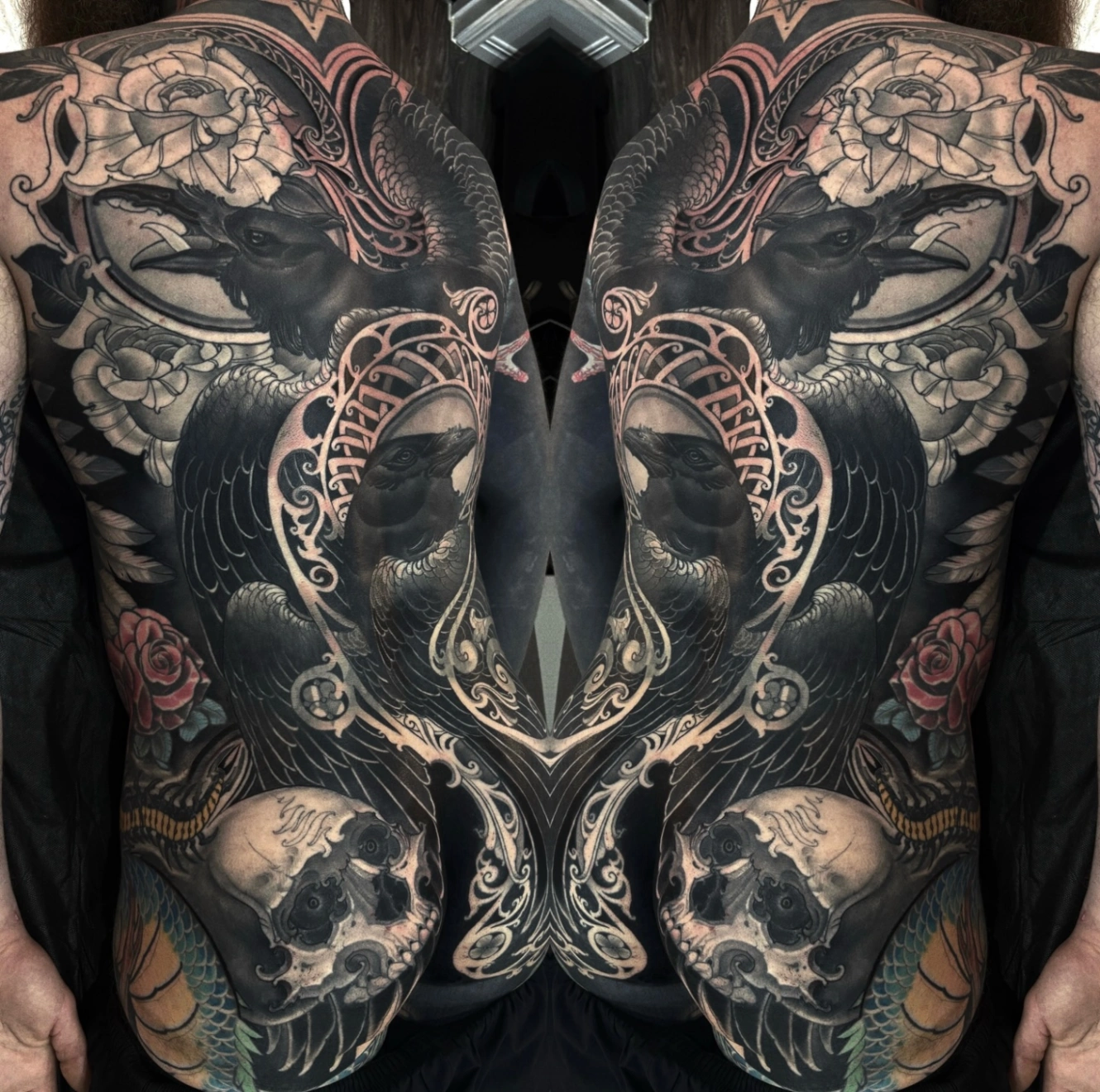

One of the features of the Australian Chicano scene that distinguishes it from its Californian counterpart is a degree of cross-cultural synthesis. Some artists working in the tradition have incorporated elements of Aboriginal Australian visual culture, or adapted the religious iconography to reflect local community contexts. These fusions are not universal, and many artists prefer to work within the established tradition without adaptation. When considering a commission, it is worth discussing with your artist whether you want a piece that is true to the Californian tradition or one that incorporates local references and imagery.
Choosing Your Chicano Tattoo Artist
Finding the right artist for a Chicano tattoo, particularly for portrait work or large religious pieces, is worth taking time over. The technical demands of the style are significant, and an artist who is skilled at other styles may not have developed the specific ability to render smooth black and grey gradients, precise fine linework, and realistic portraiture that the tradition requires.
When reviewing portfolios, look specifically for evidence of tonal range. Can the artist render deep blacks and pale greys in the same piece, with smooth transitions between? Are the portraits they have completed recognisably the specific person depicted, with accurate facial anatomy and convincing depth? Is the linework clean and consistent, without gaps or wobble? Does the religious imagery demonstrate an understanding of the iconographic tradition, or does it look like a generic imitation?
Questions worth asking at your consultation include: How long have you been working specifically in Chicano black and grey? Can you show me healed examples of similar work? Do you design custom pieces or work from flash references? How do you approach diluting the ink for the grey washes in your work? An artist who can answer these questions with specificity and confidence is likely to be genuinely experienced in the tradition.
Be cautious of studios that claim general black and grey experience without a portfolio that demonstrates Chicano-specific work. The ability to apply black and grey shading does not automatically translate to the specific skill set the style requires. It is better to wait for the right artist, and to book months in advance if necessary, than to rush into a piece that will live on your skin for life.
Cost and Time Expectations in Australia
Cost figures below are illustrative averages based on typical Australian market rates. Specific pricing varies by artist, studio, and design complexity. Confirm quotes directly with your chosen artist.
Chicano tattooing, particularly portrait and large religious work, is among the more expensive tattoo commissions because of the time required and the skill level demanded. The following figures represent typical market rates for Australian studios in 2026, based on metropolitan pricing. Regional areas may be somewhat lower.
| Piece Size and Type | Estimated Cost (AUD) | Approximate Session Time |
|---|---|---|
| Small (under 10cm): script, small icon | $200 to $400 | 1 to 2 hours |
| Medium (10 to 20cm): portrait, religious image | $500 to $1,200 | 3 to 5 hours |
| Large (20 to 35cm): chest piece, thigh panel | $1,500 to $3,500 | 6 to 10 hours (may split across sessions) |
| Full back or chest: major religious scene | $4,000 to $9,000+ | Multiple sessions over weeks or months |
| Sleeve (arm): mixed Chicano elements | $5,000 to $15,000+ | Multiple sessions, typically 6 to 18 months |
Hourly rates for specialist Chicano artists in Sydney and Melbourne typically range from $180 to $350 per hour, reflecting the high level of skill and the demand for their work. Many artists charge a minimum session rate regardless of the size of the piece. Some offer flat-rate pricing for specific designs; others work exclusively at an hourly rate. Clarify the pricing structure before confirming your booking.
Deposit requirements are standard practice at most reputable studios: typically 20 to 30 per cent of the estimated total, non-refundable if you cancel without reasonable notice. This compensates the artist for the design time invested in your piece before the session begins. Budget for the deposit when planning your commission.
Aftercare for Black and Grey Work
The aftercare period for a Chicano tattoo is largely similar to any other tattooing work, with a few considerations specific to black and grey. Your artist will give you specific instructions to follow after the session; treat those instructions as the primary authority. The guidance below represents general best practice.
In the first few hours after your session, keep the wrap or bandage your artist applied in place. If they use a second-skin transparent dressing, you may be able to leave it on for two to four days. If they use cling wrap or a standard bandage, remove it after two to four hours and wash the area gently with warm water and an unscented liquid soap. Pat dry with a clean towel and apply a small amount of fragrance-free, alcohol-free moisturiser. For a step-by-step washing routine, see our showering with a new tattoo guide.
During the first two weeks, avoid soaking the tattoo in water: no swimming pools, the ocean, or long baths. Showers are fine but keep the tattooed area out of direct water pressure. Keep the skin moisturised but not saturated; a thin layer of moisturiser twice a day is sufficient. Avoid picking at any flaking skin, which is a normal part of the healing process. Scratching or picking can pull pigment from the surface and create uneven patches in the grey tones.
Sun protection is particularly important for black and grey Chicano work over the long term. Ultraviolet light breaks down black ink more rapidly than it breaks down other colours, and the subtle grey tones that give Chicano work its depth and dimensionality are especially vulnerable. Once the tattoo is fully healed (typically four to six weeks), apply SPF 50+ sunscreen whenever the tattoo will be exposed to sun. This one habit, maintained consistently over years, will do more to preserve the quality of your tattoo than any other aftercare practice.
Most well-executed Chicano black and grey pieces do not require touch-ups within the first few years, provided aftercare is followed diligently. If areas of the grey wash fade unevenly or lines lose definition, a touch-up session can restore the piece. Discuss touch-up policies with your artist at the consultation stage.
Chicano black and grey work rewards patience at every stage: patience to find the right artist, patience during the long sessions, and patience with aftercare. The pieces that still look remarkable at twenty years are the ones whose owners treated them with care from day one.
Frequently Asked Questions
Is it culturally appropriative for non-Mexican-Americans to get Chicano tattoos?
This is a question worth engaging with seriously. Chicano tattooing emerged from a specific community and carries deep cultural and historical meaning. Many artists working in the tradition today, including Mexican-Americans themselves, welcome people of all backgrounds who approach the style with genuine understanding and respect. The concern arises when people adopt the imagery without understanding what it means, particularly religious or community-specific symbols that carry profound significance. Doing your research, engaging respectfully with your artist about the meaning of your chosen imagery, and choosing an artist who is knowledgeable about the tradition are all ways to approach Chicano tattooing thoughtfully.
How long will a Chicano portrait tattoo take to complete?
A portrait tattoo in the 15 to 20cm range typically requires four to seven hours of tattooing time, which may be split across one or two sessions depending on the complexity of the piece and both your and the artist's endurance. Larger back or chest portraits may require multiple sessions of four to six hours each, spread over several weeks to allow adequate healing time between sessions.
How well do Chicano tattoos age over time?
Black and grey tattooing generally ages better than colour work. Without colour pigments that break down into different tones as they fade, black and grey pieces maintain their relative contrast and legibility for many years. The key variable is sun exposure: grey tones that receive consistent UV exposure without protection will fade more rapidly, losing the subtle gradations that define the style. With good sun protection and appropriate moisturising, a well-executed Chicano tattoo should remain clear and detailed for decades.
Can I add colour elements to a Chicano tattoo?
Technically yes, but it is worth understanding that adding colour to Chicano-style work changes its character fundamentally. The power of the style derives in large part from the restraint of working exclusively in black and grey: it creates a visual seriousness and emotional weight that colour complicates. Some contemporary artists blend Chicano black and grey work with colour accents, but this is a stylistic departure from the tradition rather than an expression of it. Discuss your ideas with your artist and ask to see examples of their work where they have combined these approaches.
What is the difference between Chicano and neo-traditional tattooing?
Neo-traditional tattooing is primarily a colour style that builds on American traditional conventions with more detailed shading and a wider colour palette. While both traditions may use similar imagery (roses, portraits, religious iconography), they approach that imagery in completely different ways. Chicano work is exclusively black and grey, emphasises photorealistic portraiture and devotional imagery, and carries a specific cultural history. Neo-traditional is typically bolder in line, vivid in colour, and draws from a different set of artistic references. The two styles can coexist in a collection but are not interchangeable.
How do I explain what I want to a Chicano artist?
The most effective consultations are built around strong visual references. Collect photographs of Chicano tattoos in the specific style you are drawn to, including examples from your chosen artist's portfolio. If your piece includes a portrait, provide the best possible source photographs. Write down the meaning you want the piece to carry: why this image, why now, what does it mean to you? An artist who understands the intention behind the piece will make better design decisions and produce work that resonates beyond its surface appearance.
Can a Chicano tattoo work as part of a sleeve?
Absolutely. Full-arm and half-arm sleeves are among the most ambitious applications of Chicano tattooing, and when executed well they are some of the most striking tattoo work anywhere. A well-planned Chicano sleeve typically has a central narrative or thematic thread, whether religious devotion, memorial to specific people, or cultural heritage, with individual elements connected through flowing design work: roses, banners, smoke, clouds, and linework that ties the composition together. Planning a sleeve requires significant consultation time and a long-term relationship with your artist. Budget eighteen months to three years and upward of $8,000 for a well-executed full sleeve.
Do Chicano tattoos hurt more than other styles?
Pain levels in tattooing are determined primarily by placement rather than style. Chicano work does involve extended sessions for larger pieces, which increases cumulative discomfort regardless of technique. The repeated passes required to build up grey wash can be intense in sensitive areas. That said, the needlework itself is not inherently more painful than other fine line styles. Placement matters far more than the artist's technique.
Browse our directory of studios in Sydney, Melbourne, Brisbane, Perth, and Adelaide, or explore the black and grey tattoo ideas gallery for further inspiration. The tattoo cost calculator helps estimate a budget before you book.
Explore More
Find Tattoo Shops
Browse by Style
Stay Updated with the Latest Insights!
Get the latest news and updates delivered to your inbox.
Related Articles
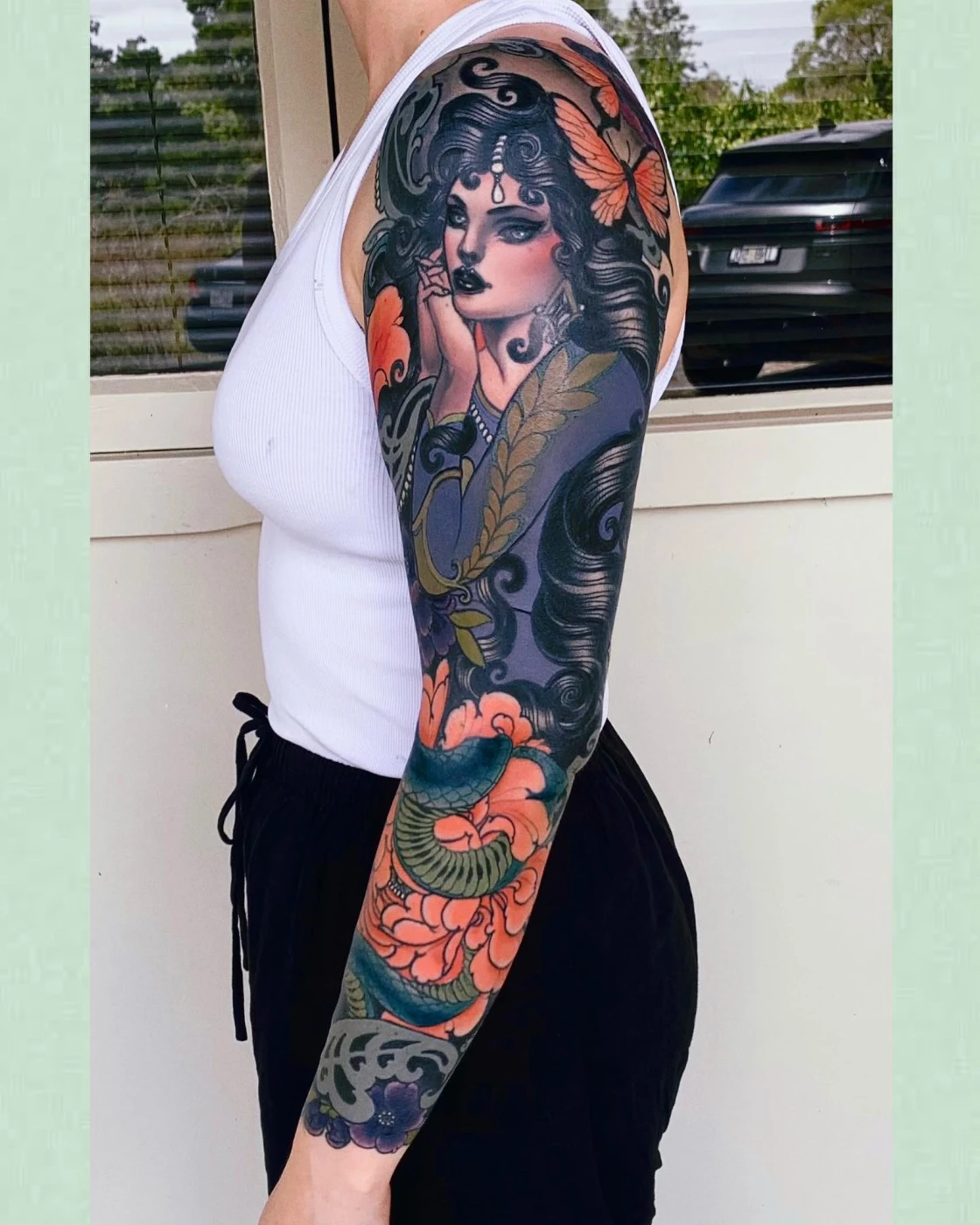
Tattoo Placement Guide 2026: Best Body Locations for Your Design
Where should you put your next tattoo? Our 2026 guide covers pain by body zone, how placements age, professional visibility in Australia, and artist tips.
Read More
DIY Tattoo Removal Dangers Australia 2026: Why Home Methods Cause Permanent Harm
Salt scrubs, removal creams and dermabrasion kits cannot remove tattoo ink. Learn why DIY removal scars skin permanently and what works in Australia.
Read More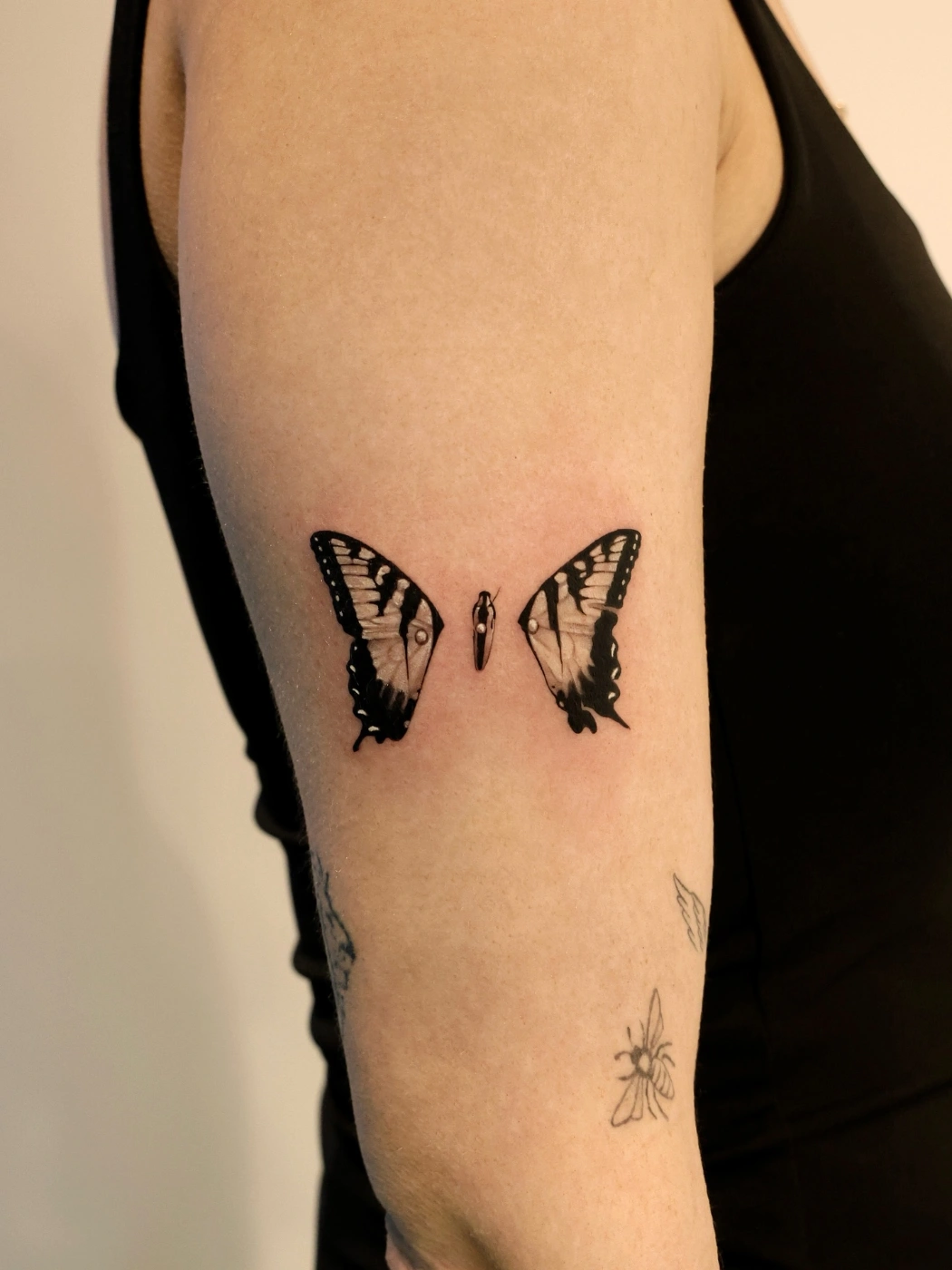
Ankle Tattoo Ideas 2026: 80+ Delicate Designs for Inner and Outer Ankle
Explore 80+ ankle tattoo designs for 2026. Inner ankle, outer ankle and wrap-around styles with sizing charts, pain ratings and aftercare tips.
Read More