Long Term Tattoo Care Guide Australia 2026
Walk into any old-school Australian tattoo shop and ask a 60-year-old client to roll up a sleeve from 1985. The lines are softer, the colours warmer, and the original artist might be long retired, but the piece still reads. The difference between a tattoo that ages with grace and one that turns into a muddy smudge by year 10 comes down to one habit, repeated daily, for the entire life of the ink.
That habit is sun protection, layered with a few small choices around moisturising, weight stability, and timely touch-ups. This guide maps out exactly what to do across months, years, and decades to keep your work as sharp as the day you walked out of the studio.
Key Takeaways
- SPF 50 plus, forever: Daily on any exposed tattoo. Australia has the highest UV index on earth and it fades ink 2 to 3 times faster than Europe
- Moisturise daily: Fragrance-free lotion keeps the skin pliable and stops fine cracking that blurs lines
- Weight stability: Gaining or losing 10 plus kg distorts the design. Plan major changes around touch-up windows
- Touch-up windows: Free at 6 months with the original artist, $200 to $600 around year 5 to 8, $400 to $1,500 for full re-work around year 12
- Colour lifespans: Yellows and pastels fade fastest, followed by reds, greens, blues. Black holds longest
- Tanning beds: Never. UV-A blasts the dermis at 10 to 15 times the strength of midday sun
- Annual photo: A clear, well-lit shot each year is the cheapest way to spot fading early
The Five Forces That Age a Tattoo
Long-term tattoo care comes down to managing the five things that erode pigment over time. Get on top of each one and your work will outlast almost everything else you spend money on.
| Force | What it does | Daily counter |
|---|---|---|
| UV exposure | Breaks down ink particles, washes out colour | SPF 50 plus daily, shade between 10am and 4pm |
| Skin ageing | Loss of collagen and elasticity blurs lines | Moisturise daily, stay hydrated, eat protein |
| Friction and abrasion | Worn edges on fingers, palms, ankles | Avoid these zones for fine detail, accept touch-ups |
| Weight fluctuation | Stretches and distorts the design | Plan major changes, time touch-ups around them |
| Cheap or impure ink | Migrates and fades inside two years | Choose licensed studios using reputable brands |
In a nutshell: UV is the enemy, moisturiser is the friend, weight is the wildcard. Three habits, set early, do almost all the work.
Months 2 to 6: The Quiet Settling Phase
By the end of week four the surface has healed. Underneath, the dermis is still rebuilding for another two to six months. This is when ink particles encapsulate into their permanent home and the colours stabilise. Most people forget the tattoo exists at this stage, which is exactly when long-term habits should set.
What is happening under the skin
- Macrophages (immune cells) finish encapsulating ink particles in the dermis
- New collagen forms around the pigment, locking it in place
- Blood vessels in the area return to baseline
- The slight raised feeling on darker pigment flattens out
Care routine for months 2 to 6
- Sunscreen: SPF 50 plus every time the area sees daylight, especially in summer. Cancer Council, Invisible Zinc, Banana Boat all fine
- Moisturiser: Once or twice daily with a fragrance-free lotion. Cetaphil, QV, Aveeno are reliable
- Avoid tanning: No solariums (now banned in commercial use in Australia, but still around in some at-home setups). Limit beach tanning to under an hour with the tattoo covered
- Clothing: Long sleeves between 10am and 4pm if you are outdoors for hours
Touch-up window opens
Between months three and six is the standard free touch-up window with most Australian studios. Any small patchy spots, lines that healed lighter than planned, or thin shading can be tightened up at no extra cost. Take photos in good natural light and message your artist.
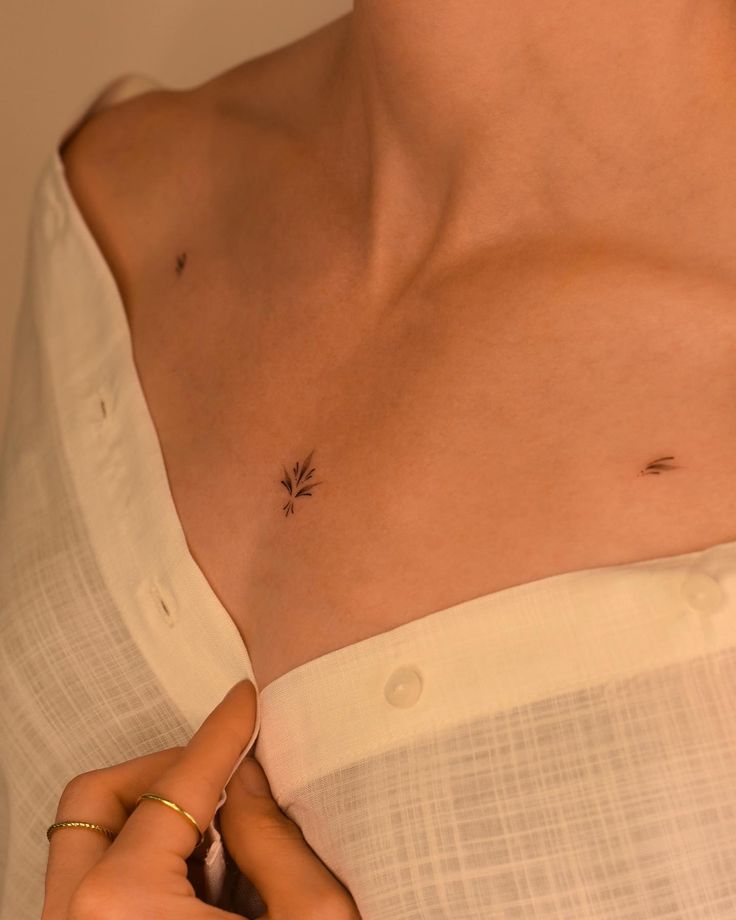
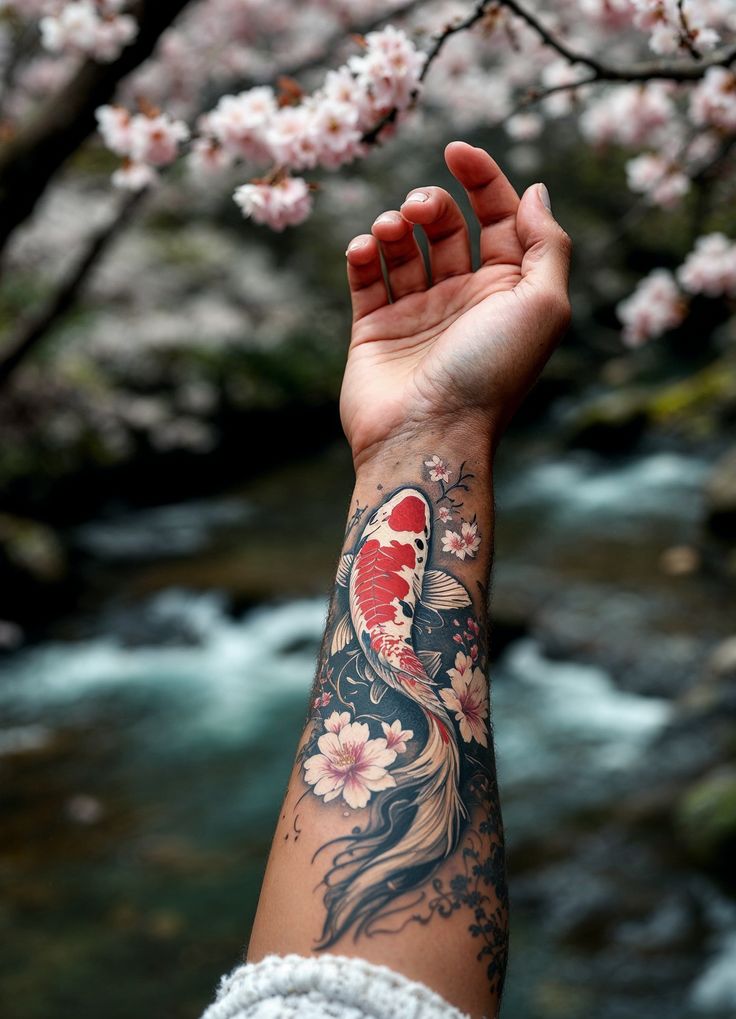
Photographs below are example portfolio pieces from real Australian artists on the platform. Ages quoted in the captions are general examples of how this style holds up, not the specific tattoo's age.
Years 1 to 5: Peak Vibrancy
This is the "honeymoon" stretch. Colours are bright, lines are sharp, the tattoo looks the way it did in the artist's healed photo. The only thing that breaks this period is neglect, mostly UV and a few weight rollercoasters.
Habits that protect the next decade
- Daily SPF 50 plus on any exposed area, even on cloudy days. Brisbane and Perth especially: UV reflects off concrete and bounces back to skin under awnings
- Lightweight moisturiser before bed to support overnight cell turnover
- Avoid significant weight gain or loss without a plan. Bodybuilding bulks, pregnancy, and crash diets all stretch the canvas
- Yearly photo of every piece, taken in identical lighting (front of a window, no flash) for honest comparison
Common year-one mistakes
- "It is winter, I will skip the sunscreen." UV is still 3 to 6 in a Melbourne winter, enough to fade pastels
- Heavy moisturisers with retinol or AHAs over the tattoo. These accelerate skin turnover and pull pigment with it
- Long ocean swims without a quick fresh-water rinse afterwards. Salt dries the skin and the dermis tightens around the ink
- Sleeping with the tattoo pressed against rough sheets or pet bedding for years on end. Long, slow friction blurs fine line work
Years 5 to 10: The First Touch-Up Conversation
By year five most tattoos show 10 to 20% pigment loss, which translates to slightly softer colours and faintly thinned lines. It is rarely dramatic but it is the natural moment to think about the first paid touch-up.
| Style | Typical year 5 to 8 wear | Touch-up scope |
|---|---|---|
| Bold blackwork | Slight softening of edges | Re-line every 8 to 10 years |
| Black and grey realism | Mid-grey lifts to light grey | Re-shade highlights and shadows |
| Traditional colour | Yellows fade first, then reds | Repack colour, refresh outlines |
| Japanese | Background fades, outlines hold | Refresh fill, leave outlines alone |
| Fine line minimalist | Thin lines blur | Full re-line, may need to thicken |
| Watercolour | Soft edges fade fastest | Re-saturate the brightest tones |
What to ask the artist: "Can you compare my healed photo from year one with how it sits now and tell me which areas would actually benefit from a touch-up?" A good artist will be honest if the piece looks fine and does not need work.
Expect to pay $200 to $600 for a touch-up at this stage, depending on size and complexity. The original artist often gives loyal clients a discount.
Heads up: a touch-up is not a redo. It is small areas refreshed, lines tightened, colour repacked where it has thinned. If the artist is suggesting a full re-work at year five, get a second opinion.
Years 10 to 20: Skin Ageing Joins the Party
From year 10 onwards the skin itself starts to change. Collagen production slows, elastin breaks down, and the canvas behaves differently. This is when patient care really pays off, because tattoos on well-moisturised, sun-protected skin age dramatically better than tattoos on weathered skin.
What changes
- Lines blur slightly as the skin loosens (especially upper arms, thighs, abdomen)
- Colours mute by 30 to 50% from original saturation
- Skin texture changes can make detail look fuzzy in direct light
- Tattoos placed over major weight-change zones (abdomen, hips, chest) shift the most
What to do
- Schedule a full check-in with your artist (or a local artist if yours has retired) around year 12 to 15
- Discuss whether the piece needs partial re-work or just a colour refresh
- Adjust expectations. A 20-year-old tattoo will not look 20 days old. That is fine, it should not
- If the original artist has moved on, ask the new artist to match the existing style rather than impose their own
Years 20 Plus: The Mature Tattoo
Australian tattoos from the 90s and 2000s that have been well looked after still read clearly today. The colours have softened, the lines have widened a touch, but the design is intact. Tattoos from the same era that lived in the sun without protection look 10 to 20 years older than they are.
Why some pieces hold and others do not
- Placement: Upper arm, back, thigh hold longest. Hands, fingers, feet wear fastest
- Size: Larger pieces have more pigment to lose before they look thin
- Style: Bold traditional outlives micro-realism by decades
- Sun history: The single biggest variable, often invisible from photos
- Original ink quality: Licensed studios using regulated pigment ages dramatically better than home or unlicensed work
The full re-work decision
If a 20-year-old piece is muddy, broken up, or no longer reads from a metre away, a full re-work is usually the right call. Expect to pay $400 to $1,500 for a complete restoration, similar to the original price but with extra time spent navigating the existing ink. Some artists will only re-work pieces they originally tattooed; others specialise in restoration and will work on any piece.
Australian-Specific Care
Living in Australia means living under the highest UV index on earth, with summer readings of 11 to 14 across most of the country. That single fact changes everything about long-term tattoo care.
| City | Summer UV high | Long-term care priority |
|---|---|---|
| Darwin / Cairns | 14 plus | SPF 50 plus year-round, shade between 9am and 5pm |
| Brisbane / Perth | 12 to 13 | SPF 50 plus from October to April, daily |
| Sydney | 11 to 12 | SPF 50 plus November to March, light moisturiser year-round |
| Adelaide | 11 | SPF 50 plus in summer, watch for dry skin in winter |
| Melbourne / Hobart | 10 to 11 | SPF 50 plus in summer, moisturiser is the bigger issue |
Australian rule of thumb: if the UV index is 3 or higher, the tattoo needs sunscreen. The Bureau of Meteorology free app shows the daily reading by postcode.
Daily, Weekly, Yearly Routine
Daily
- Shower with a fragrance-free wash
- Light moisturiser (Cetaphil, QV, Aveeno) once or twice
- SPF 50 plus on any exposed area
Weekly
- Inspect the tattoo in good natural light for any new blurring, raised areas, or colour changes
- Refresh sunscreen stash if running low
- Avoid skincare products with retinol, AHAs, or strong exfoliants directly over the tattoo
Monthly
- Replace sunscreen if expired (most last 12 to 18 months once opened)
- Note any weight changes greater than 3 kg
Yearly
- Take a clear, well-lit photo of every tattoo, same lighting, same angle
- Compare to last year's photo
- Book a check-in with your artist if anything has shifted
Touch-Up Cost Reference
| Timeframe | Touch-up type | Cost (AUD) |
|---|---|---|
| 3 to 6 months | Healing imperfections | Free at most Australian studios |
| 2 to 4 years | Minor line tightening | $100 to $250 |
| 5 to 8 years | Colour refresh, line re-work | $200 to $600 (around 30 to 50% of original) |
| 10 to 15 years | Significant re-work | $300 to $900 |
| 15 plus years | Full restoration | $400 to $1,500 (near original price) |
Compare hourly rates and pricing in your city using our Australian tattoo price guide before booking a touch-up.
Sunscreen That Actually Works on Tattoos
Not every sunscreen behaves the same on tattooed skin. The goal is a thick, daily-tolerable layer that blocks UV-A and UV-B without irritating the dermis.
- Cancer Council SPF 50 plus: Cheap, effective, available in every Coles, Woolworths, and Chemist Warehouse
- Invisible Zinc: Zinc-oxide based, sits on top of the skin, ideal for sensitive tattoo areas
- Banana Boat Daily Defence: Light, fast-absorbing, good for under-clothes wear
- La Roche-Posay Anthelios: Premium pharmacy option, gentle for inflamed or older skin
- SPF stick (Cancer Council, Invisible Zinc): Easy spot top-up at the beach or on a run
Whichever you pick, apply at least 30 minutes before sun exposure and reapply every two hours of direct exposure. Spray sunscreens tend to leave gaps; rub them in or stick to creams over tattoos.
What to Avoid for the Life of the Tattoo
- Tanning beds: Commercial solariums are banned in Australia. Anything imported or DIY is worse for tattoos than midday Bondi sun
- Sun-bathing with no SPF: Even an hour can dull yellows and pastels measurably
- Aggressive exfoliants and retinols on the tattoo: Strips ink-bearing cells over months
- Cheap "tattoo balms" with hidden fragrances: Triggers itching and dermatitis on previously healed skin
- Sudden, extreme weight changes: Distorts the design, especially on stomach, hips, chest, upper arms
- Hot baths and saunas every day: Repeated heat opens pores and accelerates fading over years
Frequently Asked Questions
How often should I touch up a colour tattoo in Australia?
Most colour pieces benefit from a refresh every 7 to 10 years, with a smaller touch-up around year 5 for yellows and pastels. Black and grey work usually waits until year 10 to 15 unless it lives somewhere with constant sun exposure.
Will moisturiser really keep a tattoo looking better?
Yes. Hydrated skin holds pigment more clearly than dry, cracked skin. Daily moisturising will not save a tattoo from UV damage, but it slows the line-blurring that comes from skin ageing.
Can I use anti-ageing creams over my tattoos?
Mild ones, occasionally. Strong retinols and AHAs accelerate cell turnover, which slowly carries pigment out. If anti-ageing skincare is part of your routine, apply it away from the tattoo or take a break in the immediate area.
What happens to my tattoo if I gain or lose 20 kg?
Tattoos on the stomach, hips, chest, and upper arms can distort significantly with major weight changes. Smaller pieces on the forearm, calf, or back tend to hold better. If you are planning a big body change (post-pregnancy, bariatric surgery, bodybuilding), book a check-in with your artist afterwards to discuss touch-ups or partial re-work.
Are laser facials and IPL safe over tattoos?
No. Both lasers and intense pulsed light target dark pigment, and tattoo ink is the darkest thing on your skin. Always mark the tattoo with a white pencil and have the technician avoid it. Any laser passing over a tattoo will fade or distort the pigment.
How long until my tattoo looks "old"?
With careful sun protection and moisturising, most Australian tattoos still look sharp at 15 to 20 years. Without it, the same tattoo can look two decades old by year five. Choose your protection level and your tattoo will reflect it.
Bottom Line
A tattoo is a 50-year commitment, not a 50-week one. Daily SPF 50 plus, daily moisturiser, stable weight, and a 30-minute check-in with your artist every five years is the entire recipe. Do that and the piece you walked out with at 25 will still read clearly at 75.
For the early-month routine, see our first 24 hours and week 1 care guides. For UV detail, our UV protection breakdown goes deeper on sunscreen choices. Browse healed long-term work in Sydney, Melbourne, and Brisbane.
Explore More
Find Tattoo Shops
Browse by Style
Stay Updated with the Latest Insights!
Get the latest news and updates delivered to your inbox.
Related Articles
Tattoo Fading Prevention Guide Australia 2026: Keep Your Ink Vibrant
Tattoo fading prevention for Australia 2026. UV protection, aftercare, ink quality, and styles that age well in the Australian climate.
Read More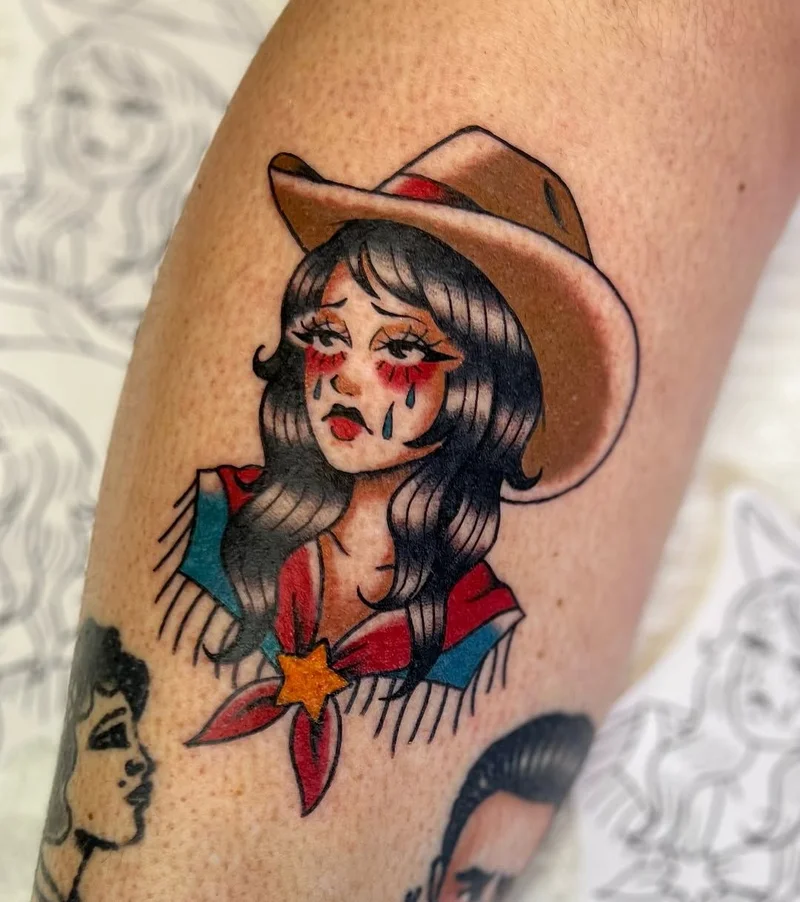
First 24 Hours After a Tattoo: Hour-by-Hour Care Guide
Hour-by-hour aftercare for the first day with a new tattoo: bandage, wash, balm, sleeping tips, and the warning signs to watch for.
Read More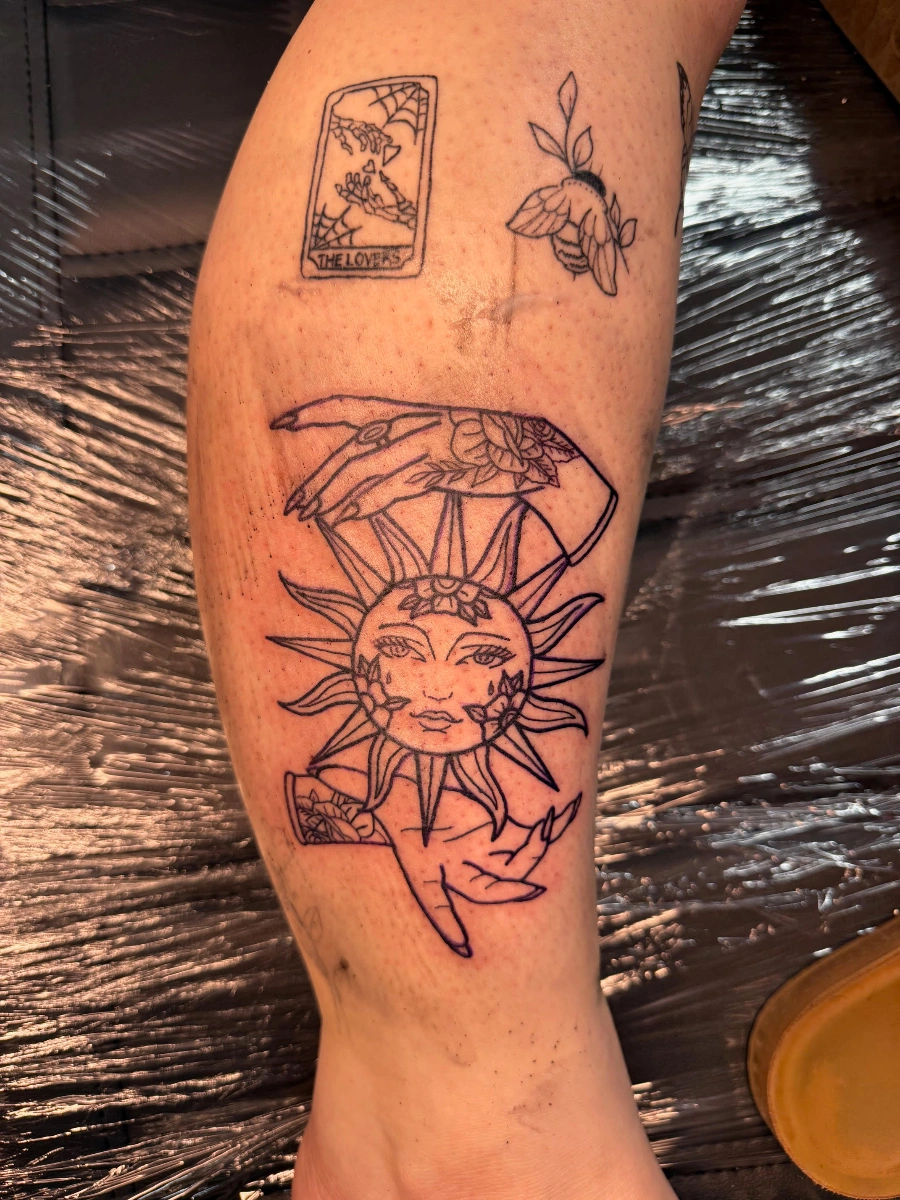
Tattoo Second Skin Guide Australia 2026: Saniderm and Tegaderm
Tattoo second skin guide: Saniderm, Tegaderm, Recovery Derm Shield. Wear time, removal, brands sold in Australia, plus when to skip the film entirely.
Read More