Tattoo Equipment Guide Australia 2026: Machines, Needles, Inks
Picture this. You have watched hundreds of hours of tattoo YouTube, sketched out a station in the corner of the spare room, and now the internet is asking you to spend $3,000 on a machine and $400 on an ink set before you know why. Every apprentice in Australia has stood at this exact fork, and every experienced artist regrets at least one of the pieces of equipment they bought first.
This guide walks through every part of a real professional tattoo station in 2026: machines, needles, inks, power supplies, workflow gear, and hygiene consumables. It is aimed at Australian apprentices and licensed artists refreshing a setup, so the numbers are in AUD and the standards match TGA and state-level council requirements. Read it before you commit; a wrong buy at this stage costs three times the right one down the line.
Key Takeaways
- Machine choice: pen machines dominate 2026 apprentice starter kits; rotaries still lead for versatility; coils for traditional heavy work
- Starter kit budget: $1,500 to $4,000 for a working professional station in Australia
- Needle standard: pre-sterilised single-use cartridges are non-negotiable under TGA-aligned council rules
- Ink: only brands compliant with the TGA and EU REACH updates. Non-compliant ink is now a licensing risk
- Power supply: a stable digital unit with foot pedal, not a hobbyist analogue box
- Hygiene: autoclave (or fully single-use station), gloves, barrier film, sharps container, biohazard waste plan
- Insurance: public liability and treatment risk cover is a licensing pre-requisite in most states
Machines: Coil vs Rotary vs Pen
The machine is the single most talked-about piece of equipment, and the wrong choice will slow every hour of your first year. Three families dominate Australian studios in 2026.
Coil machines
- How they work: electromagnetic coils drive an armature bar, pushing the needle 50 to 150 times per second
- Feel: heavier (200 to 400 g), loud, high vibration, deeply tactile
- Best for: bold traditional and neo-traditional work, dense black-fill, packed colour
- Downsides: weight fatigue on long sessions, learning curve on tuning, noisier chair experience for the client
- Price in AUD: $200 to $1,000 for a quality Australian-shipped coil (Micky Sharpz, Neotat, custom builds)
Rotary machines
- How they work: a small motor drives a cam or crank that moves the needle in a smooth, consistent stroke
- Feel: lighter (140 to 220 g), quieter, softer vibration, less tuning
- Best for: everything. Rotaries are the current Australian all-rounder for realism, illustrative, black-and-grey, and colour
- Downsides: less power on truly dense black-fill compared to a coil
- Price in AUD: $400 to $1,500 for a workhorse (Cheyenne, FK Irons, Bishop, Ez, Dan Kubin)
Pen machines
- How they work: rotary internals sealed inside a pen-shaped body, driving directly onto a cartridge needle
- Feel: lightest (110 to 180 g), quietest, easiest on the wrist. Comfortable for both apprentice and long-session client
- Best for: fine line, single needle, script, small work, and increasingly all-purpose modern studios
- Downsides: internals harder to repair; usually replaced rather than serviced
- Price in AUD: $500 to $1,800 (Cheyenne Sol Nova, FK Irons Spektra Flux, Bishop Wand, Mast Pen)
In a nutshell: apprentices in 2026 usually start on a mid-tier pen machine for daily work and add a rotary once they take on larger pieces. Coils are added later for artists who go deep into traditional style work.

Needles and Cartridges
Australian councils require single-use, pre-sterilised needle cartridges in 2026. Loose needles and re-sterilised setups are non-compliant across almost every jurisdiction.
Needle configurations you actually need
- Round Liners (RL): line work. 3RL through 9RL for most Australian daily work
- Round Shaders (RS): soft shading, whip shading, fill on small areas
- Magnums (M1, M2, Curved / Soft Edge): shading, colour packing, blending. 7M through 15M is the common working range
- Flats (F): geometric, precise fills, less common in Australian studios but useful
- Bugpins: tighter needle groupings, cleaner lines for fine and realism work
Taper length in plain terms
- Short taper: holds more ink, pushes ink harder into the skin. Better for bold packing
- Medium taper: balanced. Most all-rounder daily work
- Long / super long taper: gentler on skin, ideal for fine line, portrait, script
Budget $2.50 to $5.00 per cartridge in Australia. Buy from an established medical device supplier, not a marketplace listing. Check that each individual pack shows a batch number and expiry date; unmarked packaging is a legal liability.
Inks: The TGA and REACH Reality
Prices below are illustrative averages based on Australian 2026 wholesale pricing. Individual bottle prices vary by size, brand, and supplier.
Ink is the piece of equipment with the fastest-moving regulation in 2026. The EU REACH restrictions on pigments have flowed through to Australian TGA-aligned supplier lists, and non-compliant inks are increasingly refused by council inspections.
| Ink Type | Common Australian Brands | Price per 30 ml (AUD) |
|---|---|---|
| Solid black liner and shader | Fusion, Eternal, World Famous | $35 to $55 |
| Grey wash set | Solid Ink, Silverback, Fusion | $95 to $160 (set of 3-4) |
| Colour set (essentials) | Eternal, Fusion, Kuro Sumi | $250 to $500 (12 bottles) |
| Traditional Japanese black | Kuro Sumi, Sumi Original | $45 to $70 |
| White highlight | Kuro Sumi, Fusion, Solid Ink | $40 to $60 |
Heads up: if a supplier cannot show you the current TGA compliance status of a batch, do not accept it into your station. A single non-compliant bottle can invalidate your studio inspection and your insurance in the same afternoon.
Power Supplies and Foot Pedals
The power supply is the piece of gear apprentices most often underspend on. A cheap analogue unit voltage-drifts under load, and voltage drift ruins even the best machine.
- Entry-tier digital PSU: Critical CX2G2, Eikon EMS 400. $220 to $380 in AUD
- Pro-tier digital PSU: Critical CX2R Wireless, Cheyenne PU II, FK Irons Ex Machina. $500 to $900
- Wireless battery packs: Bishop, FK Irons Flux battery, or Critical Cx2 Wireless. $250 to $450. Popular in Australian mobile guest-spot setups
- Foot pedal: soft-touch pneumatic, ideally low-profile. $60 to $180
- Clip cords or RCA: match to machine type; RCA is now the industry default
Do not skip the surge protector. Australian mains power in older commercial buildings is inconsistent enough that a $40 surge protector has saved plenty of $800 machines over the years.
The Station: Everything That Sits On or Near It
The station is the second half of the buy that nobody talks about, and the half that clients notice most.
Furniture
- Client chair or bench: hydraulic tattoo bed. $600 to $2,500 for a reputable Australian import
- Artist chair: ergonomic saddle stool with height adjust. $180 to $500
- Workstation: stainless steel tray on a mobile trolley. $200 to $700
- Lighting: daylight LED with adjustable arm. $150 to $500 per lamp; two lamps minimum
- Storage: lockable cabinet for inks, needles, machines, and client records
Barriers and hygiene consumables
- Nitrile gloves (not latex) in three sizes for you and any assistants
- Machine bags, cord bags, clip cord bags, bottle bags, station wrap
- Disposable armrest and headrest covers
- Barrier film for surfaces you cannot pre-wrap
- Green soap, distilled water, witch hazel, professional skin marker, stencil paste
Sterilisation and waste
- Autoclave: only required if you re-use grips or use non-disposable tips. Class B autoclave $2,500 to $6,000 in AUD. Skip if fully single-use station
- Sharps container: yellow-lid, needle-only, replaced when 75 per cent full
- Contract waste service: licensed medical waste collection, monthly or quarterly
- Handwash station: foot- or elbow-operated tap, separate from client bathroom

Starter Kit Budgets for Australian Apprentices
| Kit Level | What You Get | Total Spend (AUD) |
|---|---|---|
| Absolute minimum viable | 1 pen machine, entry PSU, needle box, 4 inks, single station | $1,500 to $2,200 |
| Working apprentice | 1 pen + 1 rotary, mid PSU, cartridge stock, essential colour set, autoclave-free hygiene kit | $2,500 to $4,000 |
| Licensed professional | 2-3 machines, pro PSU, wireless option, full ink library, complete hygiene chain, insurance | $5,000 to $9,000 |
| Studio owner setup | All the above plus autoclave, dedicated furniture, 2 to 3 stations, POS system, insurance | $15,000 to $35,000 |
Legal and Licensing Layer
Australian tattoo licensing is state and council driven, so requirements vary between Sydney, Melbourne, Brisbane, Perth, and Adelaide. Common threads across every state in 2026:
- Personal skin penetration licence issued by the local council or state health department
- Premises registration for the studio you operate from
- Compliant infection control training (varies by state; some require accredited course, others self-assessed)
- Public liability insurance ($10 million minimum for most council inspections)
- Treatment risk / professional indemnity insurance
- Record-keeping for consent forms and aftercare acknowledgements
See our Australian licensing guide for a state-by-state breakdown. Skipping any of these is not just a fine risk, it invalidates your insurance the moment something goes wrong.
Buy Order for Your First 12 Months
- Month 1: practice skins, procreate or drawing tablet, machine mockup, hygiene basics ($200 to $400)
- Month 2 to 3: mid-tier pen machine, digital PSU, foot pedal, initial cartridge stock, first ink set ($1,000 to $1,800)
- Month 4 to 6: upgrade lighting, add rotary machine, complete hygiene chain, insurance ($1,500 to $2,500)
- Month 7 to 9: better tattoo bed, saddle chair, second workstation, larger ink library ($1,500 to $3,000)
- Month 10 to 12: wireless battery pack, backup machine, upgraded PSU, refined colour set ($1,000 to $2,000)
Buy in stages. Buying everything month one guarantees a mismatched setup you rebuild in month six anyway.
Common Mistakes That Cost Australian Apprentices
- Buying a "starter kit" off marketplace listings. Almost always non-compliant needles and non-TGA ink
- Cheap PSU: voltage drift ruins the best machine and hurts the client
- Skimping on gloves and barrier film. A single infected client wipes out the annual saving
- Skipping the autoclave AND using re-usable tips. One or the other. Pick a lane
- Delaying insurance until your first "real client". Insurance kicks in from day one; the first practice friend is where liability begins
- Buying every colour before you know which you use weekly. Ink expires. Stock what you use, not what looks nice on the shelf
Frequently Asked Questions
Can I start with just one machine?
Yes, a good pen machine handles 80 per cent of daily work. Add a rotary at the 6-month mark for larger pieces. Coils come later, if at all.
Are cheap ink brands really that risky?
Yes. Non-compliant pigments can trigger allergic reactions in clients, invalidate your public liability insurance, and fail a council inspection. In 2026 Australian councils actively check ink brand compliance during inspections.
Do I need an autoclave in 2026?
Only if any part of your workflow re-uses grips or tips. A fully single-use station skips the autoclave, but any re-use requires one and requires a documented sterilisation log.
Where should I buy equipment in Australia?
Established local suppliers such as Killer Ink Australia, Tattoo Supplies Australia, Barber DTS Australia, and Cheyenne Australia. Avoid overseas marketplace listings; TGA compliance is nearly impossible to verify and insurance disputes get ugly.
How much should I spend as a first-year apprentice?
Between $2,500 and $4,000 buys a professional working station. Below that you compromise on hygiene or machine quality. Above that early on, you are buying gear you have not yet learned how to use.
Bottom Line
A professional Australian tattoo station in 2026 costs $2,500 to $9,000 to build the right way, and every part of it is subject to state licensing, TGA-aligned ink rules, and council inspection. The smart move for apprentices is to start with one quality pen machine, a stable digital PSU, single-use cartridges, and a TGA-listed ink kit, then add gear in stages as the client work rolls in. Skip the marketplace starter kits; they are cheaper than they look because they leave the compliance bill for you.
See our apprenticeship guide, hygiene standards, and sterilisation standards for the training, workflow, and safety layers that sit on top of the equipment.
Explore More
Find Tattoo Shops
Browse by Style
Stay Updated with the Latest Insights!
Get the latest news and updates delivered to your inbox.
Related Articles
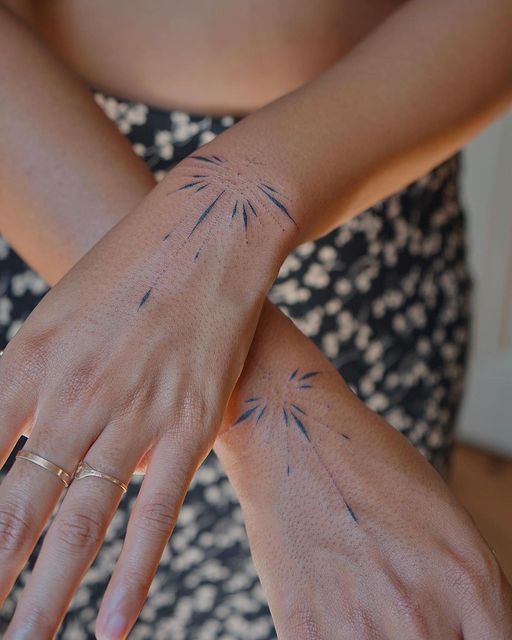
Tattoo Needles Explained 2026: Sizes, Types and Safety
Tattoo needles explained: liners, shaders, magnums, gauges, single needle. What each does, style-by-style use, and Australian single-use safety rules.
Read More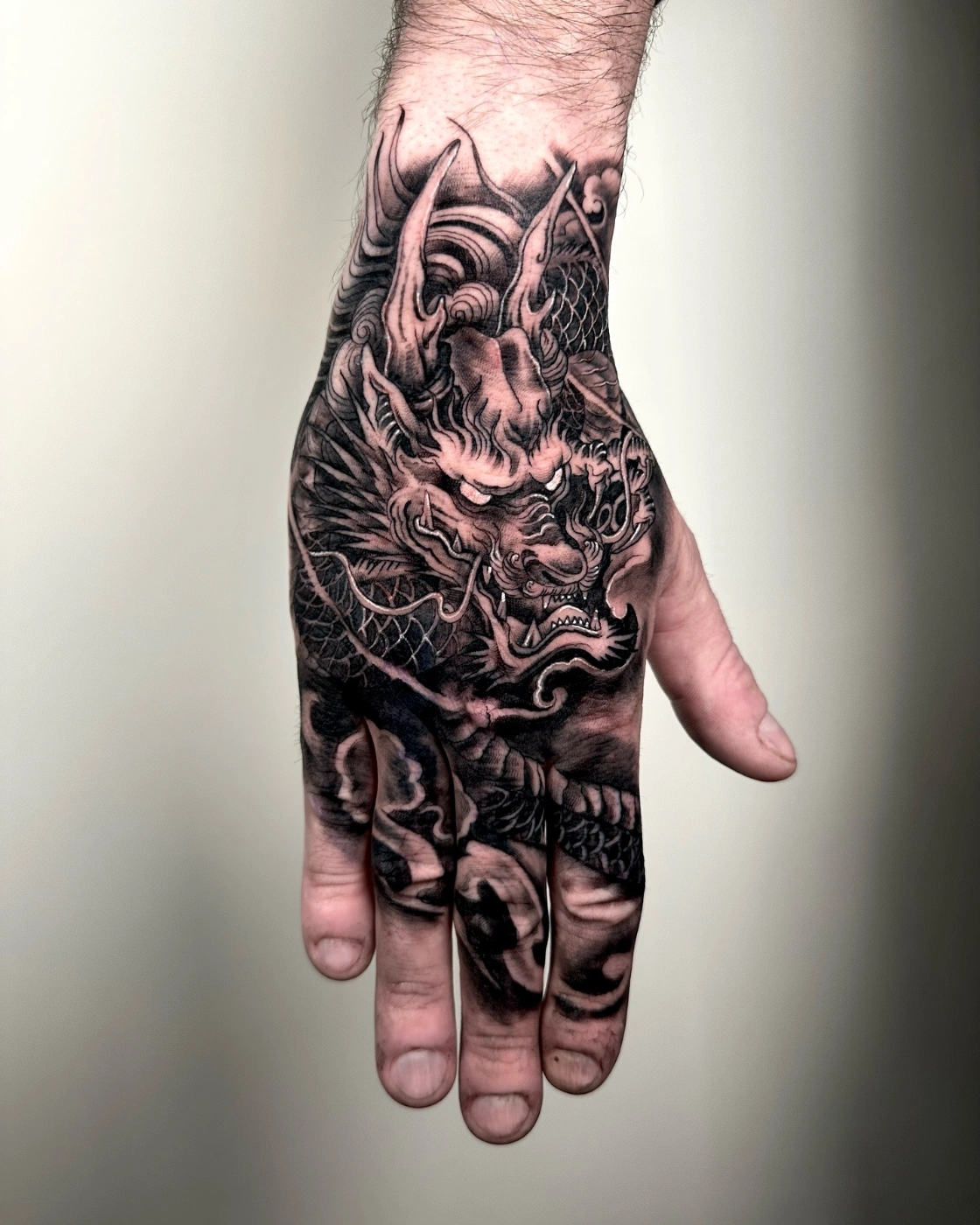
Palm Tattoo Guide Australia 2026: Fading Rate, Cost, Alternatives
Palm tattoos in Australia 2026: 50 to 80 per cent fade within 6 months. Real costs, touch-up frequency, pain (7/10), better alternatives, and honest advice.
Read More
Jawline Tattoo Guide Australia 2026: Cost, Pain, Placement, Flow
Jawline tattoos in Australia 2026: $200 to $2,000, pain 5 to 8 out of 10, under-jaw vs side-jaw, concealment reality, career impact, and design ideas.
Read More