Tattoo Removal Guide Australia 2026: Laser, Cost, Pain
Picture this. You are eight years past that impulsive backpacker tattoo you got in Byron, or ten years past the ex-partner's name on your ribs, and you have decided it is time. You Google "laser tattoo removal Australia" and the results are all over the map. Some say $200 a session, some say $2,000. Some promise complete removal in five visits, others quote 15+.
The honest answer for 2026 is $2,000 to $10,000+ across 6 to 15 sessions over 12 to 24 months, and complete removal is rarely 100%. Most clients land at 85 to 95% fading, which is genuinely enough for most people. This guide walks you through the science, the real costs by city, the pain, the pitfalls, and the alternatives before you book that first consultation.
Key Takeaways
- Total budget: $2,000 to $10,000+ for most tattoos. Half sleeves and full sleeves push into $10,000 to $25,000
- Sessions: 6 to 15 visits spaced 6 to 8 weeks apart. Total project length 12 to 24 months
- Realistic outcome: 85 to 95% fading, not 100% erasure. A faint "ghost" is common
- Pain honest: More painful than getting the tattoo. Sharp, hot, brief per pulse
- Colours: Black clears fastest, green and yellow are the stubborn ones
- Laser tech: Picosecond finishes in about half the sessions of Q-switched but costs 40 to 60% more per visit
- Smart alternative: A partial-fade cover-up runs $600 to $2,000 and finishes in 6 to 9 months
How Laser Tattoo Removal Actually Works
Removal is not magic and it is not erasure. The laser fires a very short, very high-intensity pulse of light at your skin. The ink particles absorb the energy, heat rapidly, and shatter into fragments small enough for your lymphatic system to carry away over the following weeks. The skin around the ink is largely unaffected because it does not absorb the specific wavelength the ink does.
That is the whole trick: wavelength selection. Black ink absorbs almost every wavelength, which is why it clears fastest. Green ink only absorbs a narrow band around 650 nanometres. Yellow ink barely absorbs anything visible at all. That is why the same clinic charges the same price for a black tattoo and a colourful one but takes twice as long to finish the colour job.
In a nutshell: the laser breaks the ink. Your immune system removes it. Which means healthy circulation, no smoking, no infection risk, and 6 to 8 weeks between sessions are non-negotiable if you want the ink to actually leave your body.
Q-Switched vs Picosecond: Which Laser You Want
Two laser families dominate the Australian market in 2026. The clinic you choose almost always uses one or the other, and the difference is genuinely significant.
| Technology | Pulse Duration | Sessions to Finish | Cost per Session | Best For |
|---|---|---|---|---|
| Q-Switched (Nd:YAG) | Nanoseconds (10^-9 s) | 10-15 | $150-$400 | Simple black and grey, budget projects |
| Picosecond (PicoSure, PicoWay) | Picoseconds (10^-12 s) | 6-10 | $250-$600 | Colour tattoos, darker skin, stubborn ink, faster turnaround |
The maths cancels out at roughly the same total cost. Q-switched 12 sessions at $300 equals $3,600. Picosecond 7 sessions at $500 equals $3,500. The real difference is time: picosecond finishes the project 10 months sooner and does less thermal damage to surrounding skin, which lowers the scarring risk.
Why Some Tattoos Fight Harder Than Others
Two people can walk in with the same-sized wrist tattoo, sit through the same number of sessions, and end up with completely different results. Here is what actually predicts removal difficulty.
| Factor | Easier to Remove | Harder to Remove |
|---|---|---|
| Colour | Black, dark navy, dark green | Yellow, white, pastel, light blue, purple |
| Age | 10+ years (already faded) | Under 12 months (fresh, saturated) |
| Ink Quality | Amateur home-kit ink (weakly bound) | Professional pigment (heavily saturated) |
| Size and Density | Small line work, sparse fill | Solid packing, blackout, large sleeves |
| Body Location | Upper arm, chest, back (strong circulation) | Feet, ankles, fingers (poor circulation) |
| Skin Type | Fitzpatrick I-III (lighter) | Fitzpatrick IV-VI (higher pigment, colour-change risk) |
| Lifestyle | Non-smoker, active, well-hydrated | Smoker, sedentary, immune-suppressed |
Heads up: smoking is the single biggest lifestyle factor. Regular smokers take an average of 70% more sessions to reach the same fading level, because nicotine constricts the lymph vessels that carry the ink out of you. Clinics do not usually mention this at consultation. It is worth quitting six months before you start.
Removal Cost by City in Australia
Clinic pricing sits close to city cost-of-living lines. Sydney and Melbourne are 20 to 40% above Adelaide and regional Australia. Here is what the market looks like in 2026.
| City | Q-Switched (per session) | Picosecond (per session) | Small Tattoo Total | Half Sleeve Total |
|---|---|---|---|---|
| Sydney | $200-$400 | $350-$600 | $2,000-$4,000 | $12,000-$22,000 |
| Melbourne | $180-$380 | $300-$550 | $1,800-$3,800 | $10,000-$20,000 |
| Brisbane | $160-$350 | $280-$500 | $1,600-$3,500 | $9,000-$18,000 |
| Perth | $170-$360 | $290-$520 | $1,700-$3,600 | $9,500-$19,000 |
| Adelaide | $140-$300 | $250-$450 | $1,400-$3,000 | $8,000-$16,000 |
| Regional Australia | $120-$280 | $200-$400 (limited) | $1,200-$2,800 | $7,000-$14,000 |
For a deeper look at pricing for laser specifically, our laser tattoo removal cost guide breaks it down further, and the coverup vs removal cost comparison shows when a cover-up is the smarter money move.
Session by Session: What Actually Happens
Removal is a marathon, not a sprint. Here is roughly how the fading progresses if you commit to the full protocol.
Sessions 1 to 3 (Months 0 to 5): The Motivating Phase
- Visible fading of 20 to 40% by end of session 3
- Surface ink and larger particles break down first
- Blistering and swelling for 24 to 72 hours after each session
- Colours behave predictably: black lightens quickly, others barely move
Sessions 4 to 7 (Months 6 to 12): The Plateau Phase
- Cumulative fading reaches 60 to 75%
- Deeper ink layers finally become accessible
- Progress feels slower even though you are still making it
- This is where most people wobble on whether to continue. Trust the process
Sessions 8 to 12+ (Months 13 to 24): The Endgame
- Fading reaches 85 to 95%
- Remaining ink is deep dermal, hardest to reach
- Decision point: keep going for that last 5% or accept the current result
- A "ghost" outline is common and generally accepted as good enough
Between sessions, follow our tattoo removal aftercare guide to the letter. Sun exposure, hot showers, and picking at scabs are the three biggest self-inflicted setbacks.
The Pain: An Honest Assessment
Laser removal hurts more than the tattoo. That is the consensus of every clinician and every client we have surveyed. The sensation is usually described as hot grease splatter or a rubber band snapped hundreds of times in quick succession. Each pulse lasts milliseconds. Each session lasts anywhere from three minutes (thumb-sized) to 90 minutes (full sleeve).
Realistic pain management options
- Topical numbing cream: Applied 45 minutes before, reduces sensation by 30 to 50%. Ask the clinic if they include it
- Zimmer cryo device: Cold air blown continuously onto the skin. Standard at most premium clinics
- Ice packs: Immediately after each pass. Cheap and effective
- Lidocaine injection: For large or particularly painful sessions. Adds $100 to $250 to the visit
- Paracetamol before, not ibuprofen: NSAIDs increase bruising risk
Common side effects (all normal)
- Redness and swelling for 24 to 72 hours
- Blistering, sometimes large. Do not pop them
- Scabbing forming day 3 to 7, healing over 2 weeks
- Temporary hyperpigmentation, especially on Fitzpatrick III+
- Pinpoint bleeding during the session itself
Rare but real risks
- Permanent hyperpigmentation or hypopigmentation
- Textural scarring, especially with cheap clinics or aggressive settings
- Infection if you skip aftercare
- Paradoxical darkening on cosmetic tattoos (eyebrows, lip liner). This is why you need a specialist for facial removal
Real Client Case Studies (2026)
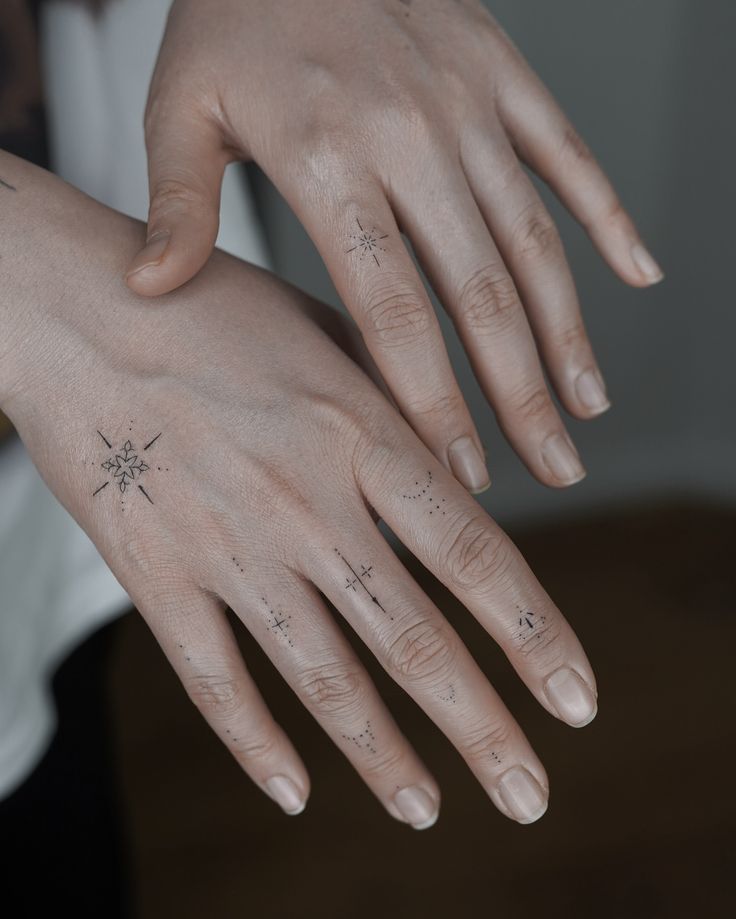
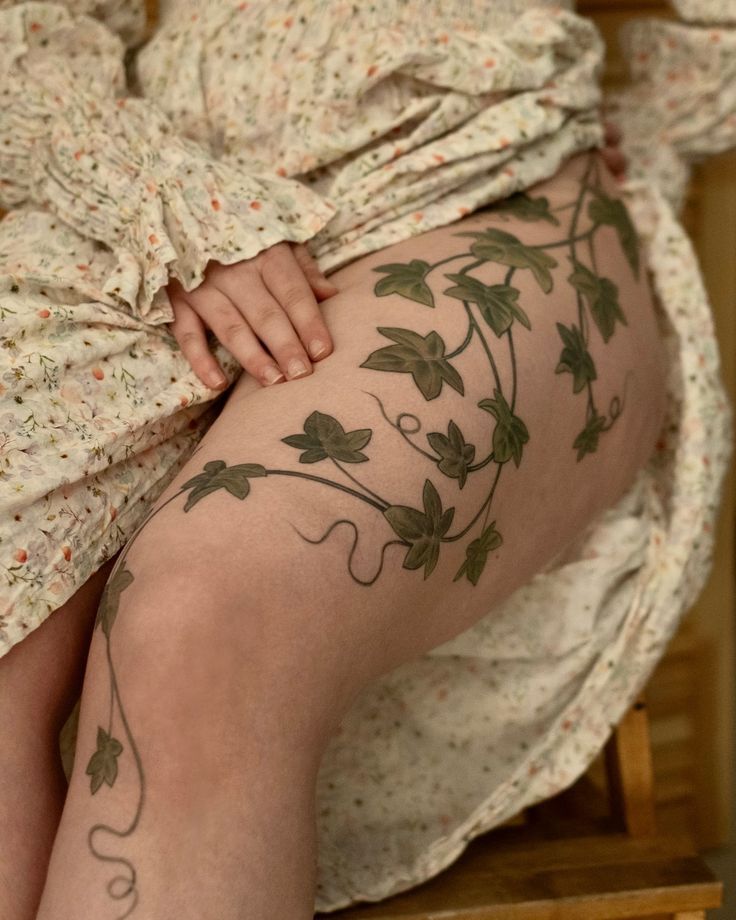
Photographs below are example portfolio pieces from real Australian artists on the platform. The cost breakdowns are illustrative averages based on typical Australian market rates and do not represent the actual fee charged for the specific tattoo shown or that these tattoos were removed.
Case 1. Small Wrist Script, Sydney, Q-Switched
Client: 34-year-old ex-partner's name, 8 years old. Clinic: Established Sydney CBD dermatology practice with a nurse-led laser room. Timeline: 10 sessions across 15 months.
- Sessions 1-3 (8 weeks apart, $220 each): $660
- Sessions 4-7 (8 weeks apart, $220 each): $880
- Sessions 8-10 ($220 each): $660
- Numbing cream add-on ($30/session): $300
- Aftercare: $50
- Total: $2,550. Final result: 92% fading, faint outline visible in bright light
Case 2. Colour Half Sleeve, Melbourne, Picosecond
Client: 41-year-old regretful "band phase" sleeve, 15 years old, faded but still colourful. Clinic: Specialist picosecond clinic, doctor-led. Timeline: 9 sessions across 18 months.
- Sessions 1-9 (average $450 each): $4,050
- Zimmer cryo included
- Lidocaine injection for sessions 3, 5, 7 ($150 each): $450
- Aftercare products across project: $120
- Two clinic-recommended top-ups at year 3 ($300 each): $600
- Total: $5,220. Final result: 88% fading. Client opted to stop there and get a small cover-up on the residual outline
Case 3. Full Colour Back Piece, Brisbane, Q-Switched then Picosecond Switch
Client: 38-year-old, large colour piece from a Bali holiday 12 years back. Clinic: Started at budget Q-switched clinic, switched to picosecond specialist at session 8. Timeline: 20 sessions across 30 months.
- Sessions 1-8 Q-switched ($300 each): $2,400
- Sessions 9-20 Picosecond ($480 each): $5,760
- Numbing cream and lidocaine: $900
- Aftercare over 30 months: $250
- Total: $9,310. Final result: 82% fading, decided to accept a cover-up rather than continue
When Cover-Up Is Actually the Smarter Move
Full removal is not always the right answer. In roughly 40% of consultations, the honest advice is to combine 2 to 4 laser sessions with a cover-up tattoo instead of chasing 15+ sessions for complete erasure.
| Situation | Choose Full Removal | Choose Cover-Up (with light laser prep) |
|---|---|---|
| You want clean skin | Yes, 12-24 months, $2,000-$10,000+ | No, will have new tattoo |
| You want new art | No | Yes, 6-9 months, $600-$2,000 for laser + cover-up on top |
| Timeline pressure | You can wait 1-2 years | You want to be done in 3-6 months |
| Existing tattoo | Fine line or already faded | Dense or dark, hard to fully clear |
| Location matters | Wrist, ankle, hand (small, visible) | Arm, back, thigh (large canvas for cover) |
Our laser removal vs coverup guide runs through the decision tree in more detail, and if you are covering a black solid piece, the black ink coverup guide shows what is achievable.
Choosing a Removal Clinic in Australia
Removal is medical. Even though tattooing itself is regulated as a skin-penetration procedure, laser removal often falls under separate cosmetic-medical rules that vary by state. Here is what to check before you sign a package deal.
What a good clinic has
- Medical oversight: A doctor or registered nurse practitioner on site or supervising remotely. Ask by name
- Certified laser operator: Not "trained in-house". Look for AHPRA registration or an equivalent formal qualification
- Multiple wavelengths: One machine cannot handle every colour. Genuine specialists have 3 to 5 wavelength options
- Patch test on your first visit: Standard for reputable clinics. Never skip it
- Written realistic expectations: A clinic that guarantees "100% removal in 5 sessions" is either lying or upselling
- No pressure to prepay 10 sessions: Pay per session or in small packages. If they insist on paying for the full project upfront, walk out
- Clear aftercare instructions in writing: Signs of professionalism, not just paperwork
Red flags to avoid
- Home-based "beauty" studios doing laser without medical oversight
- Prices under $100/session on anything larger than a fingertip
- Bundled packages of 10+ sessions with no refund clause
- Clinic staff who cannot name the specific laser model they are using
- Facebook reviews mentioning scarring, burns, or paradoxical darkening
A bad removal is worse than the original tattoo. Scarring is permanent. Choose the clinic that says "here is what is realistic" over the one that says "we can definitely get all of it".
Between Sessions: The Rules That Matter
Half of your removal success happens outside the clinic. The clinician shatters the ink. Your body carries it away, but only if you help it.
- Wait the full 6 to 8 weeks between sessions. Too soon and you punish the same skin twice, risking scarring without any benefit
- Cover the treated area from sun for the full year. UV on healing skin causes hyperpigmentation that can be permanent
- Do not smoke or vape. Regular nicotine adds 4 to 8 sessions to the total project length
- Hydrate aggressively. The lymphatic system needs water to move ink out
- Skip hot showers, saunas, and swimming for 48 hours after each session
- Do not pick blisters. Infection risk plus scarring. Let them do their thing
- Elevate the treated limb overnight after the first two sessions. Reduces swelling and speeds healing
Frequently Asked Questions
Can I remove a tattoo in one session?
No. Even the most advanced picosecond systems need at least 4 to 5 sessions on the simplest possible tattoo. Anyone promising single-session complete removal is either untruthful or planning to cause permanent scarring.
Will I have a scar after removal?
Usually no visible scar, provided the clinic is competent and you follow aftercare. Roughly 3 to 5% of clients develop mild textural change. Cheap clinics push that number to 15 to 20%. Scar risk is the single strongest reason to pay for a quality clinic.
Does laser removal work on eyebrow tattoos?
Yes, but you need a specialist because cosmetic ink often contains iron oxide that turns black when hit by standard wavelengths. This is called paradoxical darkening. Only clinics with specific cosmetic-tattoo experience should treat brows, lip liner, or eyeliner.
Can I get pregnant during a removal course?
Most clinics pause treatments during pregnancy and breastfeeding out of caution. There is no clear evidence of harm to the baby, but shattered ink particles cycling through the lymph system are enough of an unknown that responsible clinicians say wait.
Will Medicare or private health cover any of it?
Cosmetic tattoo removal is not Medicare-covered. Private health extras sometimes reimburse a small percentage if a doctor certifies the removal is medically indicated (severe allergic reaction, occupational restriction). Ask your fund before assuming.
Is home tattoo removal a real option?
No. Home creams do not penetrate deep enough to reach dermal ink and often cause chemical burns. DIY dermabrasion causes serious scarring. Home lasers sold on Marketplace are far too weak to shatter ink and only irritate the skin. Every reputable Australian dermatologist recommends leaving removal to a licensed clinic.
Bottom Line
Tattoo removal in Australia in 2026 costs $2,000 to $10,000+ across 12 to 24 months, and lands most clients at 85 to 95% fading, not blank skin. The technology has matured to the point where fading is genuinely reliable if you pick a proper clinic, respect the healing gaps, and stop expecting magic. If speed or budget matters, a laser-assisted cover-up finishes in 6 to 9 months and rarely costs more than $2,000 all in.
If you are still weighing removal vs cover-up, our coverup vs removal cost comparison lines up the two paths side by side. Or run your specific tattoo through our cost calculator to get a realistic budget before booking a consultation.
Explore More
Find Tattoo Shops
Browse by Style
Stay Updated with the Latest Insights!
Get the latest news and updates delivered to your inbox.
Related Articles
Cover-Up vs Removal Cost Australia 2026: Real Pricing Compared
Cover-up vs laser removal in Australia 2026: cost by tattoo size, hybrid fade-and-cover strategy, AUD pricing, real client case studies.
Read More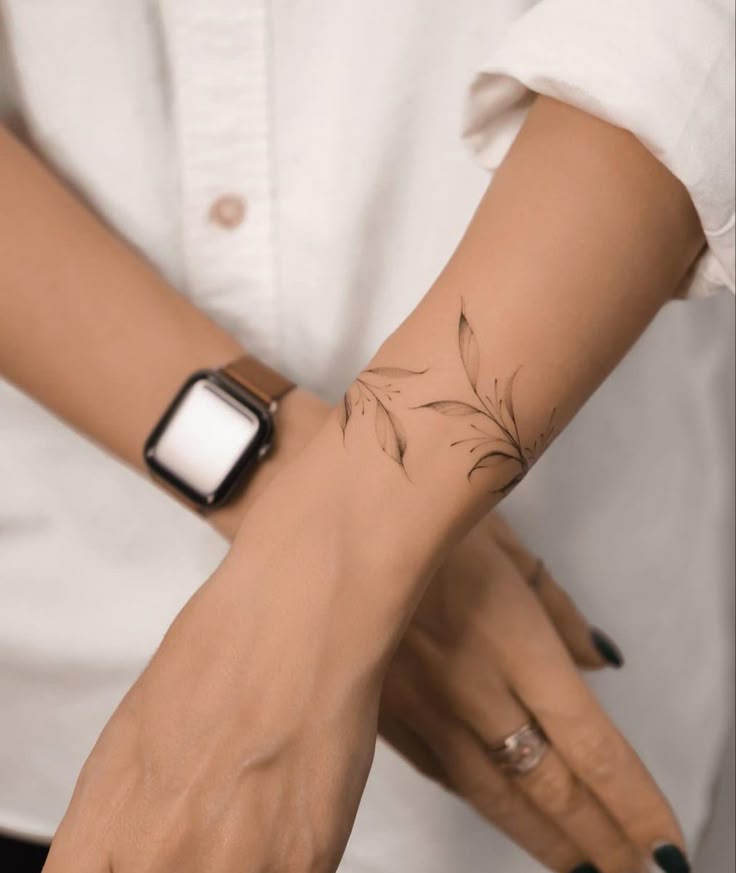
Laser Removal vs Cover-Up Australia 2026: Decision Guide
Laser removal or cover-up tattoo in 2026: cost, pain, time, results, scarring, ink limits. Australian decision framework with clinic and artist guidance.
Read More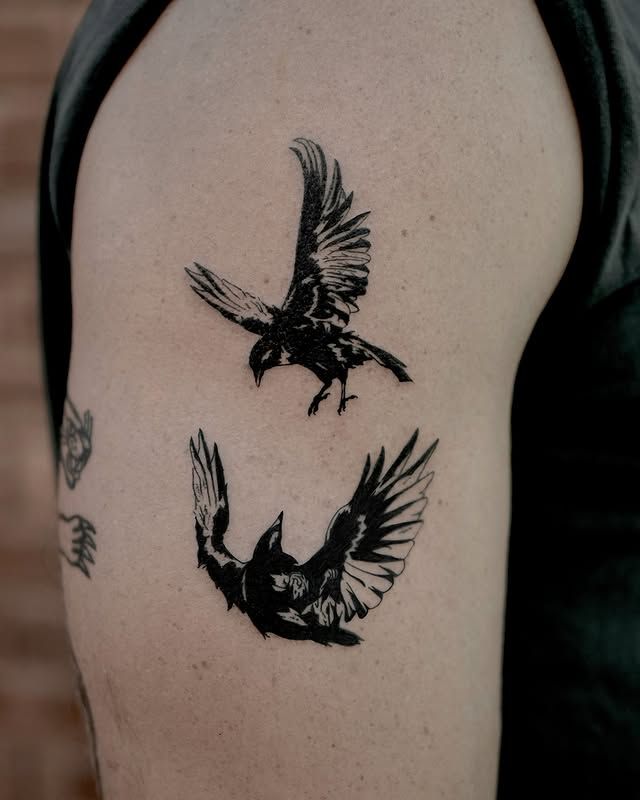
Tattoo Removal Pain: Australian Guide to Numbing and Survival 2026
Tattoo removal hurts 4 to 8 of 10. Australian guide to numbing creams, Zimmer chillers, breathing tricks, and pain ratings by body part for 2026.
Read More