Cover-Up Tattoo Guide Australia 2026: Turn Regret Into Art
Picture this. You are 15 years past that stick-and-poke you did on a share-house couch, or five years past the tribal armband that felt so meaningful in your gap year. Every time you catch it in the mirror you cringe. Removal quotes have come back at $6,000 and 18 months. Someone at work mentions cover-ups. Suddenly the idea of turning a mistake into art you actually love feels possible again.
The honest answer for 2026 is $600 to $3,500 across 1 to 4 sessions, with the best results coming from a specialist artist who works 2 to 3 times larger than the original. This guide covers what makes a good cover-up candidate, the styles that work, what to expect at consultation, and the honest limits of what ink can hide.
Key Takeaways
- Total budget: $600 to $3,500 for most cover-ups; $3,500 to $8,000+ for full-sleeve cover work
- Size rule: The new design must be 2 to 3 times larger than the original. There is no cheating this
- Colour rule: New ink must be darker than old. Traditional black, Japanese, blackwork, and heavy realism dominate cover-up work
- Session count: 1 session for small pieces, 2 to 4 for medium, 4+ for large or laser-assisted jobs
- Laser prep: 2 to 4 pre-cover-up laser sessions open your design options and cut old ink bleed-through
- Timeline: 3 to 6 months without laser prep, 6 to 12 months with
- Investment truth: A quality cover-up costs 1.5 to 2 times what a fresh tattoo of the same size costs. Bargain shopping here creates a bigger regret than the original
Cover-Up vs Removal: The First Fork in the Road
Before you talk to a cover-up artist, be honest with yourself about which outcome you actually want. Blank skin and new art are different goals with different price tags and different timelines.
| Factor | Choose Cover-Up | Choose Full Removal |
|---|---|---|
| Outcome | New tattoo you love | Skin as close to blank as possible |
| Timeline | 3 to 6 months | 12 to 24 months |
| Total cost | $600 to $3,500 | $2,000 to $10,000+ |
| Design flexibility | Must be darker and larger | Fully open, you get a clean canvas |
| Pain level | Similar to a normal tattoo | More painful than the original tattoo |
| Best for | People who want art in that spot anyway | People who want no ink at all |
If you are torn, our removal vs coverup decision guide walks through it slower, and the cost comparison guide lines up the dollars.
In a nutshell: cover-up is the right move for most people who wanted a tattoo in the first place. It just needs to be a different tattoo. Full removal is for people who never really wanted ink and now know it.
Is Your Tattoo a Good Cover-Up Candidate?
Not every tattoo can be cleanly covered. A specialist will assess your existing piece against these factors during the free consultation. Some old tattoos need 2 to 4 laser sessions first before a cover-up will hold.
Strong cover-up candidates
- Light or medium ink density: Faded work, thin lines, minimal fill
- Ageing tattoos: 10+ years of natural fading is the cover-up artist's best friend
- Black or dark ink only: No colours competing with the new design
- Small to medium size: Anything under 15 cm gives the artist real design flexibility
- Simple shapes: Text, initials, small symbols. Easy to weave into flow
Difficult cover-up candidates (laser prep recommended)
- Dense solid black: A blackout armband cannot be "covered" without lightening it first
- Fresh tattoos under 12 months: Ink is still saturated and shows through everything
- Bright red, yellow, or white: These colours ghost through darker overwork
- Scarred skin: Ink drops unpredictably into scar tissue
- Very large coverage: Any cover-up needs to be 2 to 3 times larger, so covering half a back means committing to the full back
The Four Cover-Up Techniques
Every cover-up in Australia uses one of four approaches or a mix. Understanding which one your artist is proposing helps you set realistic expectations.
1. Darker Over Lighter (the classic)
New tattoo is significantly darker than the old one, using heavy shading and dense fill to overwhelm the existing ink. Works best when the old piece is faded or lightly saturated. Style choices tend toward Japanese traditional, blackwork, dark neo-traditional, or heavy black and grey realism.
2. Incorporation (the clever one)
Instead of hiding the old tattoo, your artist redesigns around it. Old tribal becomes tree branches. Faded script becomes weathered banner. A cross becomes part of a temple facade. Skilled artists love this approach because it turns a constraint into a signature.
3. Blast-Over (modern, hard to pull off)
Multiple heavy layers of dark ink to fully obscure the original, usually across 2 to 4 sessions. Works even on difficult old tattoos but takes longer and demands a specialist. Common in geometric, sacred geometry, and dot-work styles.
4. Laser-Assisted Cover-Up (the gold standard for hard cases)
2 to 4 pre-cover-up laser sessions lighten the original by 40 to 70%, opening up your design and colour options. Adds 4 to 6 months to the timeline and $600 to $2,000 to the total cost, but delivers the cleanest final result for anything short of a fresh sleeve.
Heads up: if a cover-up artist tells you your old dense black tattoo can be covered without laser prep, get a second opinion. It usually can be, but the result is often muddy and reveals the old piece under summer sun. A little laser goes a long way.
Styles That Work as Cover-Ups
Not every style is a cover-up style. The best cover-up designs share three traits: dense dark areas to absorb the old ink, natural texture that hides imperfections, and enough size to break the old outline.
| Style | Why It Covers Well | Ideal Coverage Size |
|---|---|---|
| Japanese Traditional | Heavy black backgrounds, flowing composition, absorbs old shapes into clouds and waves | Medium to full sleeve |
| Blackwork | Solid black areas can literally black out old ink; strong contrast | Small to large |
| Black & Grey Realism | Natural shading textures hide inconsistencies; portraits and animals work well | Medium to large |
| Neo-Traditional (dark) | Bold outlines, saturated fills, room for florals and creatures | Small to medium |
| Floral | Petals and leaves naturally sit in irregular shapes; forgiving of old lines | Small to medium |
| Dark Geometric / Mandala | Symmetrical patterns with heavy black anchor points | Small to medium |
| Skull and dark illustrative | Deep eye sockets and heavy shadow zones are perfect ink-eaters | Small to medium |
For style inspiration, browse our galleries of Japanese, blackwork, realism, and black and grey tattoos.
Australian Cover-Up Pricing 2026
Cover-ups cost 1.5 to 2 times what a fresh tattoo of the same size costs. That premium buys custom design work, layered ink saturation, and the specialist's cover-up experience. Skimping here creates a piece you will need to cover again in five years.
| Coverage Size | Complexity | Price (AUD) | Sessions |
|---|---|---|---|
| Small (5-10 cm) | Text, small symbol, simple shape | $300-$700 | 1 |
| Medium (10-20 cm) | Basic design, moderate density | $700-$1,600 | 1-2 |
| Large (20-35 cm) | Detailed design, high saturation | $1,600-$3,500 | 2-4 |
| Sleeve or back piece | Full extensive coverage | $3,500-$8,000+ | 4-8 |
| Any size with laser prep | Old dense black or bright colour | +$600-$2,000 for laser | +2-4 laser visits |
The Australian tattoo price guide covers non-cover-up baselines if you want to see the fresh-work comparison.
How to Find a Real Cover-Up Specialist
A specialist is not just a good tattooist. Cover-up is a distinct skill inside the craft, and even celebrated artists can be poor at it. Look for these signals.
What separates a genuine specialist
- A dedicated cover-up portfolio. Not just "some cover-ups". At least 20 before-and-after pairs on their Instagram or website
- Willingness to say no. If your existing tattoo is not a good candidate, a specialist will send you to a laser clinic first
- Custom digital mock-up before booking. They should overlay the proposed design on a photo of your existing tattoo
- Realistic language. "You will not see the old outline in normal light" is honest. "It will be completely invisible" is a red flag
- Detailed consultation notes. They photograph, measure, and record the old piece before your session
- A written touch-up policy. If the old tattoo shows through after healing, they include one free touch-up
Consultation questions worth asking
- How many cover-ups have you completed in the last 12 months?
- Can I see three before-and-after examples on tattoos like mine?
- Would laser lightening help this specific case? If yes, who do you refer to?
- How much larger will the new piece need to be?
- How many sessions, and what does each one cost?
- What is your touch-up policy if the old ink shows through?
- Can you sketch or mock this up before I commit to a deposit?
The right specialist wants your consultation to feel almost cautious. They are trying to protect you from a second regret. Fast-talking, "we can do anything" artists are usually the ones producing the muddy cover-ups you see on Reddit six months later.
The Cover-Up Process, Step by Step
Step 1. Consultation (1 to 2 hours, often free or $50 to $100)
- Full inspection of your existing tattoo in natural light
- Discussion of goals, style, and coverage strategy
- Honest assessment of whether laser prep is needed
- Rough sizing and pricing
- Timeline mapping across expected sessions
Step 2. Optional laser lightening (4 to 6 months, $600 to $2,000)
- 2 to 4 laser sessions spaced 8 to 12 weeks apart
- Aiming for 40 to 70% fading, not full removal
- Opens design flexibility, allows lighter colours in the cover-up
Step 3. Custom design (1 to 3 weeks)
- Artist creates a unique design specifically for your cover-up
- Digital overlay onto a photo of your skin
- 1 to 2 rounds of revisions
- Design fee often folded into the tattoo price, sometimes $100 to $300 for complex work
Step 4. First tattoo session (3 to 8 hours)
- Stencil and final placement approval
- Outline and initial shading
- Focused coverage of the darkest existing areas
Step 5. Follow-up sessions (as needed, 4 to 8 weeks apart)
- Colour work and refinement
- Density passes on any spots where the old ink hints through
- Touch-ups locked in after full heal
Step 6. Healing and final touch-up (2 to 3 months)
- Follow the same protocol as a fresh tattoo (see our aftercare guide)
- Healing often takes 4 to 6 weeks vs 2 to 4 for a fresh piece
- Free touch-up window usually 8 to 12 weeks post final session
Real Cover-Up Case Studies (2026)
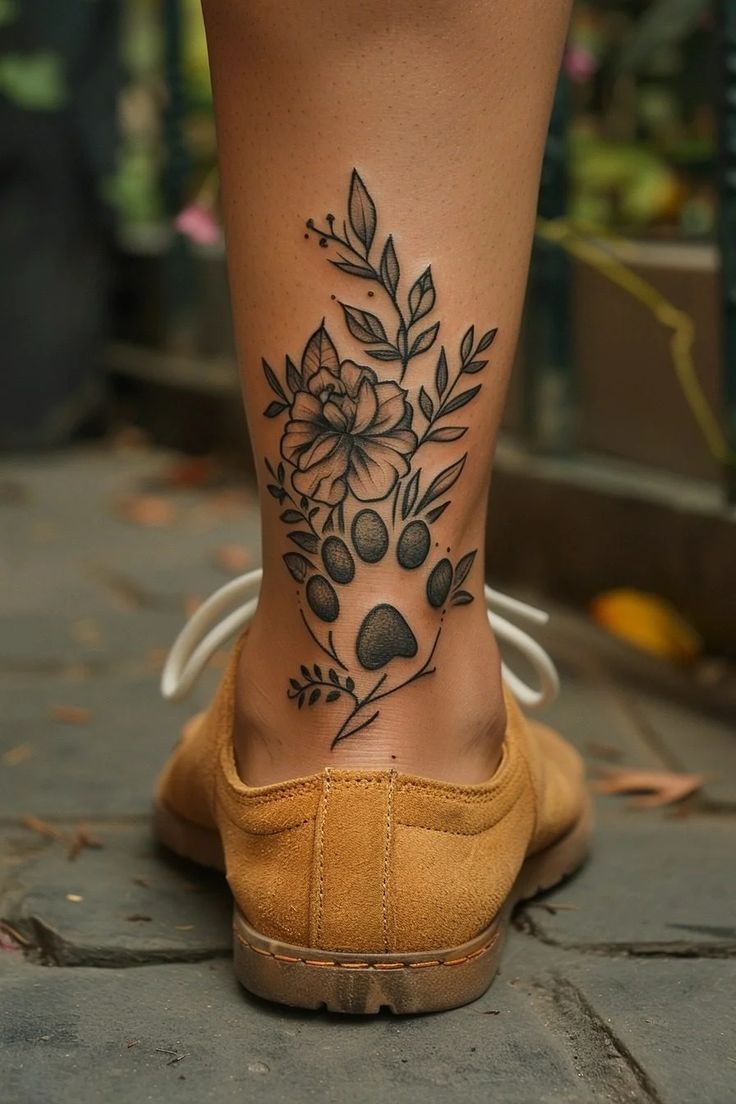
Photographs below are example portfolio pieces from real Australian artists on the platform. The case studies are illustrative composites based on typical cover-up projects and do not represent that the tattoos shown are cover-ups.
Case 1. Faded Ex Name to Floral, Brisbane
Original: 12-year-old script name across inner forearm, moderately faded. Strategy: Neo-traditional peony and leaves, incorporation approach. Sessions: 2 across 6 weeks.
- Session 1 (4 hrs, outline and primary shading): $600
- Session 2 (3 hrs, colour and detail): $450
- Design fee: included
- Aftercare and tips: $180
- Total: $1,230. Result: 0% old ink visible after full healing
Case 2. Dense Tribal Armband to Japanese Half Sleeve, Sydney
Original: Solid black tribal armband, 10 years old, heavy saturation. Strategy: 3 laser sessions, then a full Japanese half sleeve (koi, waves, cherry blossoms) that absorbed the armband into the composition. Timeline: 10 months total.
- 3 laser sessions ($400 each): $1,200
- Cover-up session 1 (6 hrs, outline and shading): $900
- Cover-up session 2 (5 hrs, colour and background): $750
- Cover-up session 3 (3 hrs, detail): $450
- Aftercare and tips: $340
- Total: $3,640. Result: armband completely absorbed into the Japanese composition
Case 3. Bright Colour Small Tattoo to Blackwork Mandala, Melbourne
Original: Bright red and yellow star on shoulder blade, 6 years old. Strategy: Blackwork mandala roughly 3 times the size, absorbing the star into the geometry. No laser prep. Sessions: 1.
- Session (5 hrs, full mandala): $800
- Aftercare and tips: $120
- Total: $920. Result: subtle bleed-through of yellow visible only at close range in daylight. Client happy
The Six Cover-Up Mistakes That Ruin the Result
- Choosing an artist who "does cover-ups sometimes". Cover-up is a specialty. General artists often produce muddy results
- Refusing to go larger. Trying to keep the new tattoo the same size as the old one almost never works
- Skipping the laser prep on a dense original. The extra 4 months saves you a lifetime of "you can still see it in sunlight"
- Being rigid about the new design. Cover-up requires collaboration. If your dream design will not cover, you need a new design
- Rushing the artist into a single marathon session. Cover-ups need saturation across multiple visits. One session leaves patchy fill
- Bargain shopping. A $500 discount now buys you a $2,000 recover-up in three years
Frequently Asked Questions
Will the old tattoo show through the cover-up?
Sometimes, especially in the first year and under bright direct light. A skilled cover-up on a light or medium-density original is invisible in normal conditions after full healing. On dense or bright originals without laser prep, a faint ghost is realistic to expect.
How much bigger does the new tattoo need to be?
Usually 2 to 3 times the original size. Any less and you sacrifice design flexibility. Cover-up artists lose interest fast in clients who insist on same-size cover work; the results damage their portfolio.
Can I cover a very fresh tattoo?
Wait 12 to 18 months minimum. Fresh ink is far more saturated than aged ink, and cover-up over fresh work shows through the new design for years. If you know already that your fresh tattoo was a mistake, book a consultation now but plan the cover-up for next year.
Do cover-ups hurt more than fresh tattoos?
Usually yes, mildly. The skin has already been traumatised once, and the cover-up involves heavier saturation with denser ink packing. Most clients rate cover-up sessions 1 to 2 points higher on a 1 to 10 scale than the original tattoo.
Can I get a cover-up on scarred skin?
Yes, but expect a different result. Scar tissue holds ink unpredictably, sometimes rejecting pigment entirely. A cover-up specialist will manage expectations and price accordingly. In extreme cases, medical scar treatment before tattooing is recommended.
Is a cover-up permanent, or will I need to redo it in 10 years?
A well-executed cover-up ages the same as any other tattoo. The old ink may become slightly more visible as your new ink fades over decades, so a well-designed cover-up plans for that (dense dark base, generous saturation) rather than pretending it will not happen.
Bottom Line
Australian cover-ups in 2026 cost $600 to $3,500 for most work, need to be 2 to 3 times larger than the original, and finish in 3 to 6 months without laser prep or 6 to 12 months with. The right specialist will tell you honestly whether your case needs laser first. Skip that advice at your peril: a cheap cover-up on a dense original is almost always the tattoo you regret twice.
Ready to look at inspiration? Browse Japanese, blackwork, and realism galleries for cover-friendly designs, or jump straight to specialist studios in Sydney, Melbourne, or Brisbane.
Explore More
Find Tattoo Shops
Browse by Style
Stay Updated with the Latest Insights!
Get the latest news and updates delivered to your inbox.
Related Articles
Finger Tattoos Australia 2026: Complete Guide to Designs, Fading and Cost
Finger tattoo guide for Australia in 2026. Designs, pain, fading truths, healing tips, ring tattoos and price bands. What to book and what to skip.
Read More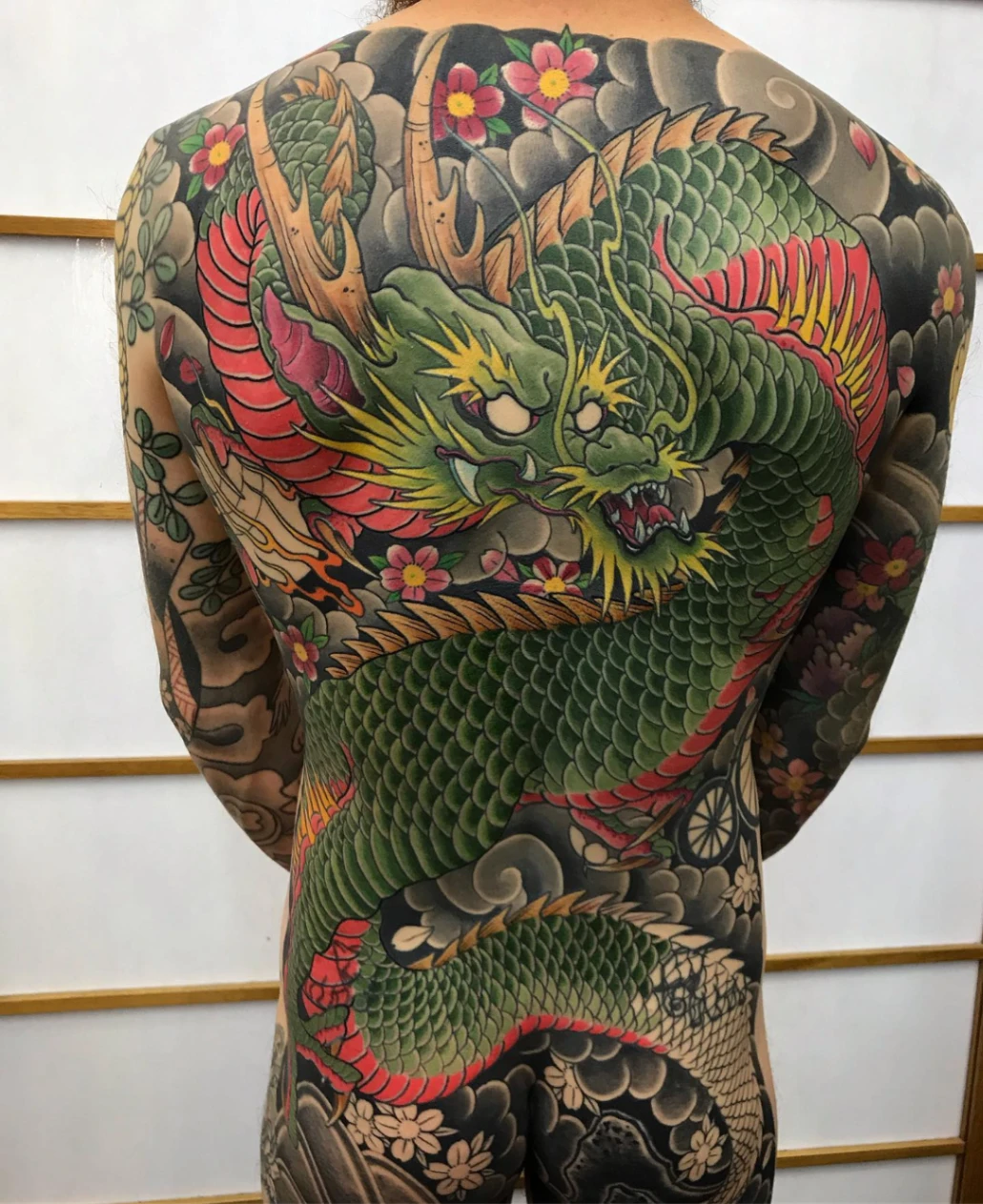
Tattoo Insurance Australia 2026: Coverage, Costs and What Clients Should Ask
Public liability, product liability and blood-borne cover for Australian tattoo studios in 2026. Costs, exclusions and what clients should ask before booking.
Read More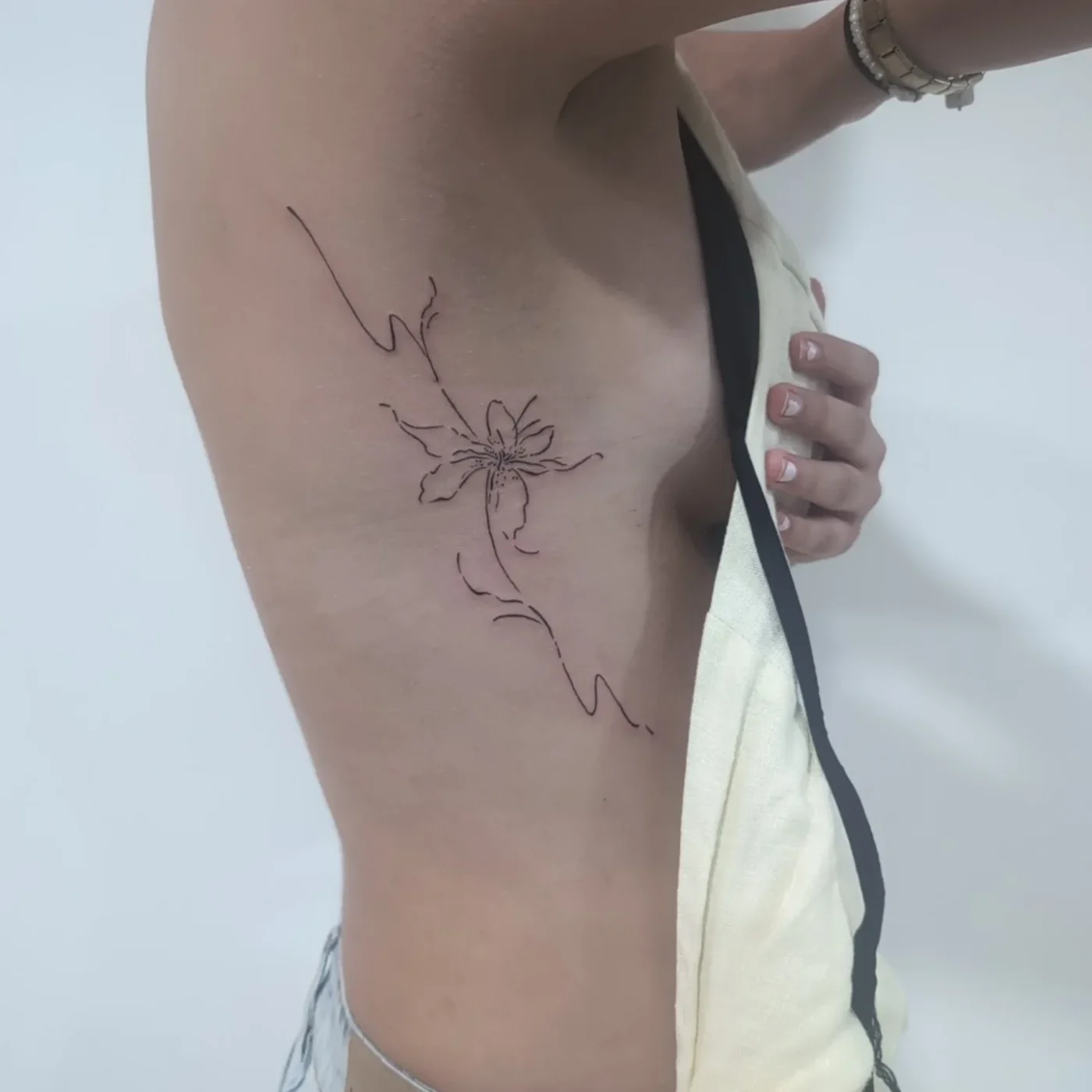
Gen Z Tattoo Trends Australia 2026: Micro Ink, Fine Line and TikTok Influence
Gen Z tattoo trends in Australia for 2026: micro ink, fine line, matching sets, angel numbers and hidden placements. Prices, aesthetics and the TikTok effect.
Read More